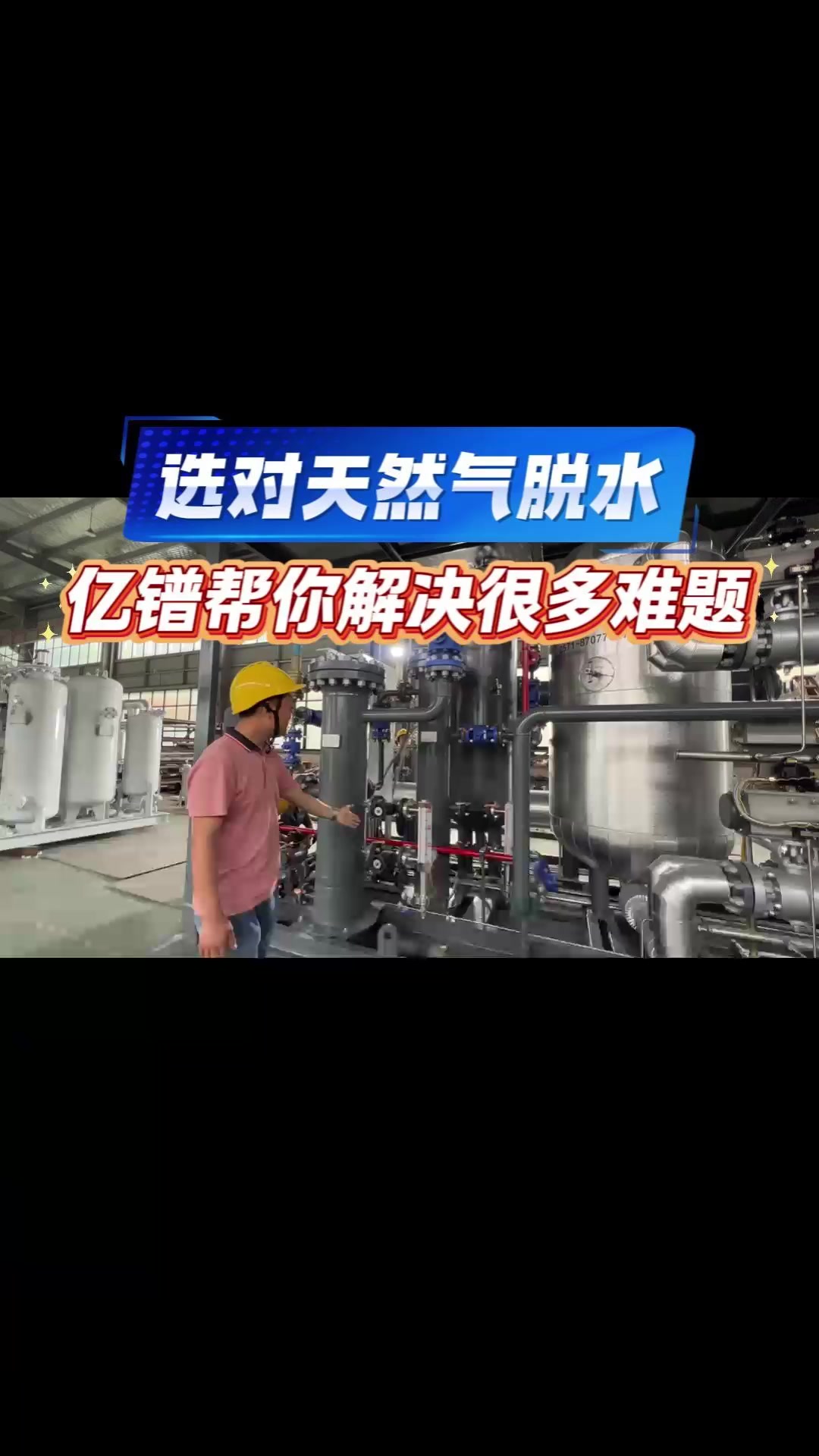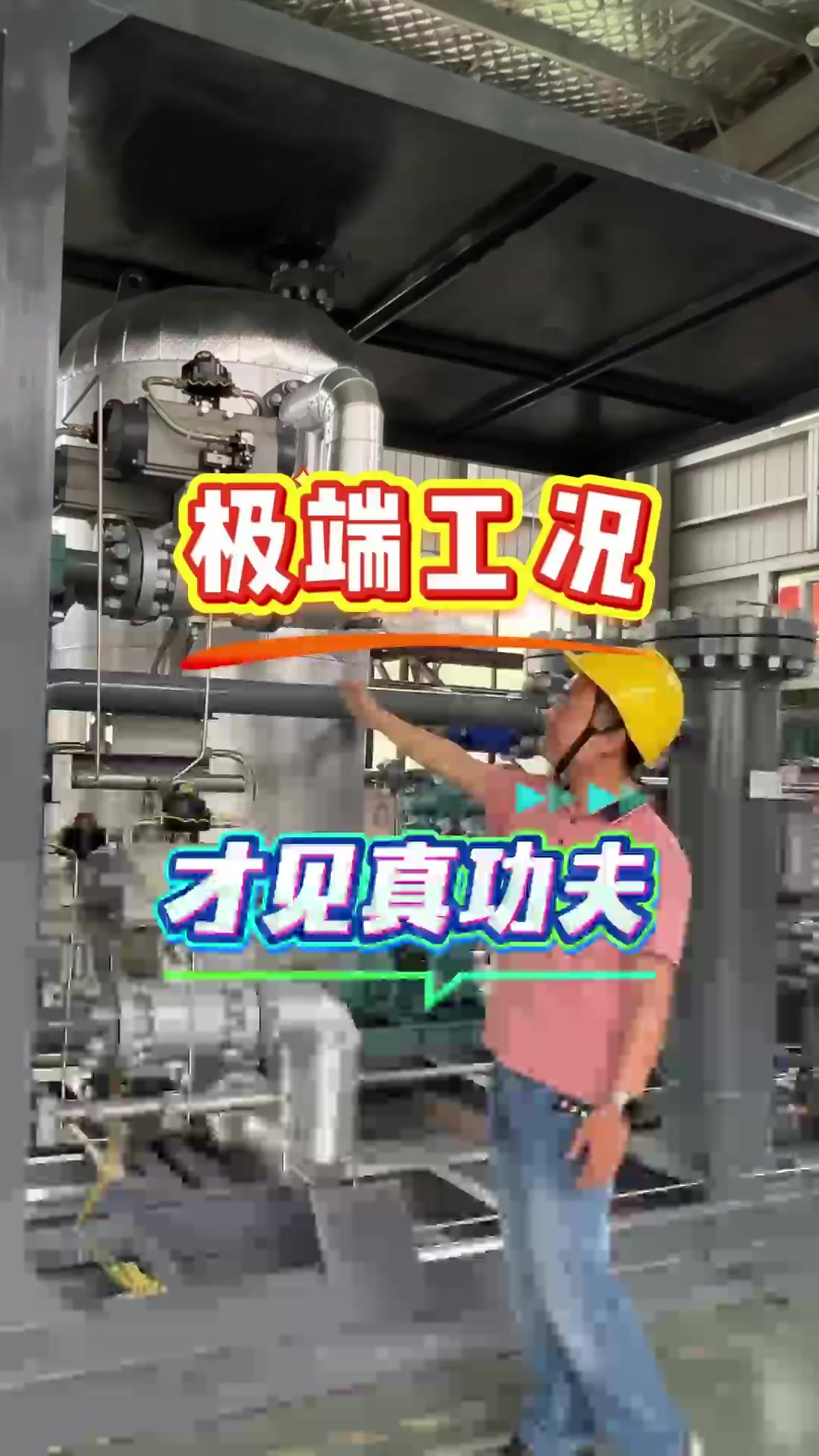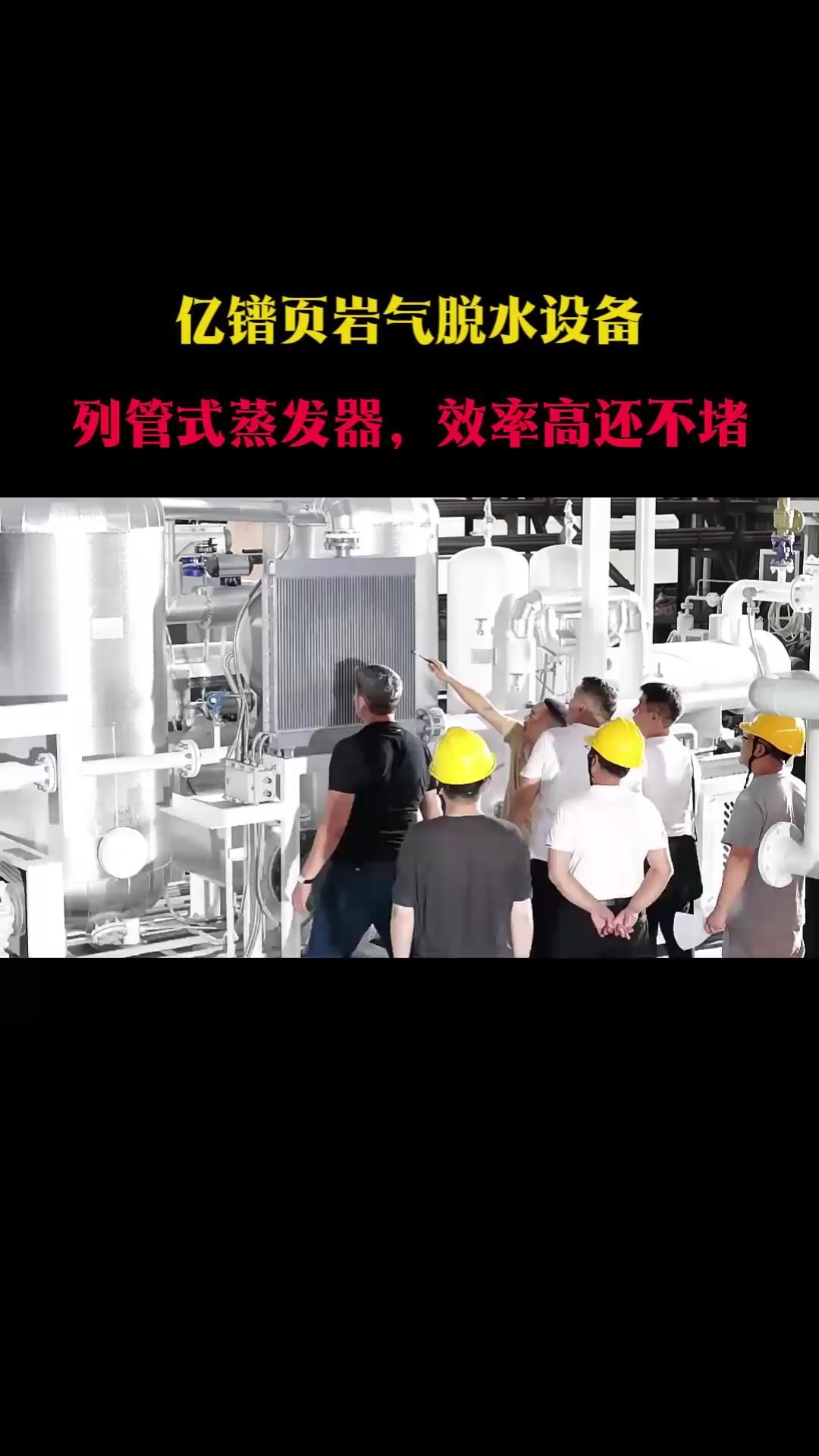

Yipu Natural Gas Dehydration Solution

Focusing on Non-Standard Customization for Special Operating Conditions

Get a Quote >

Industry Pain Points

Large working condition fluctuations, poor dew point stability, dew point prone to drift exceeding limits
Feed gas flow rate and water content fluctuate greatly, and it also carries condensate oil and dust impurities, causing triethylene glycol foaming and contamination and molecular sieve adsorption poisoning. Insufficient on-site online monitoring, mostly relying on manual testing with lagging data, prone to dew point drift exceeding limits, causing hydrate freezing and blockage, accelerating pipeline corrosion, and bringing risks of unplanned shutdowns.
High energy consumption in the regeneration stage, persistently high costs, and great difficulty in energy-saving transformation
The dehydration and regeneration stage accounts for a high proportion of energy consumption; the triethylene glycol reboiler consumes a large amount of fuel gas, and there is chemical volatilization loss; the heating and cold blowing regeneration of molecular sieves is prominently energy-intensive. The conventional timed mode often over-regenerates; to achieve a low dew point, energy consumption must be raised. The hardware of old installations is limited, making it difficult to simultaneously achieve energy saving and compliant operation, and the overall operating cost remains high.
Media contamination causes high consumable loss, complex operation and maintenance, and amplifies the contradictions of unconventional gas
Heavy hydrocarbons, dust, and sulfides in the feed gas will contaminate and degrade triethylene glycol, corrode equipment, and require frequent filtration and purification; they easily cause poisoning and pulverization of molecular sieve pores, leading to premature scrapping of the adsorbent. Molecular sieve program-controlled valves fail frequently, and the poor operating conditions of unconventional gas sources such as shale gas and coalbed methane further increase the pressure of equipment maintenance and consumable replacement.
With tightening environmental regulations, the problems of tail gas and waste liquid are prominent, and retrofitting old units is difficult
Triethylene glycol regeneration produces VOCs tail gas,deteriorated glycol andspent filter media are hazardous waste,with high disposal costs;the traditional molecular sieve process has regeneration gas loss and emissions.A large number of old stations lack environmental protection facilities,on-site retrofitting space is limited,and retrofitting costs are high,while new units would significantly increase the one-time investment of the project.

System Overview

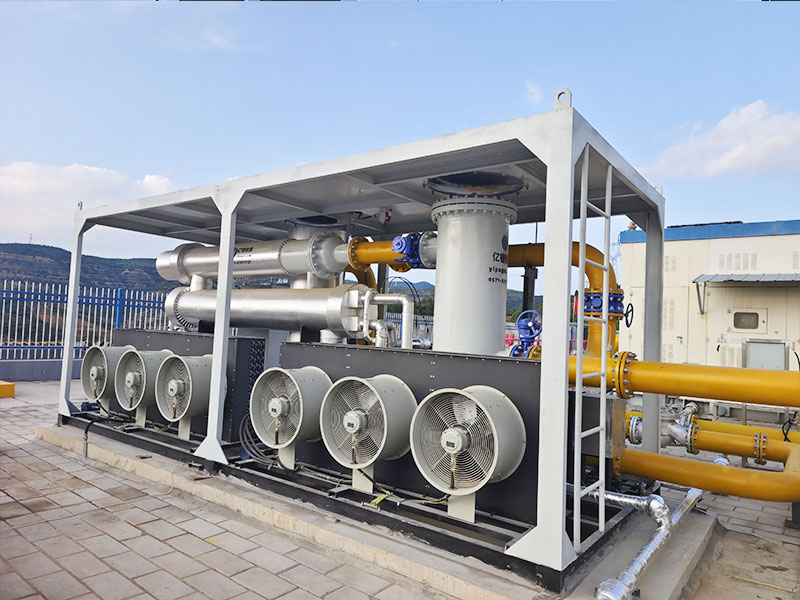
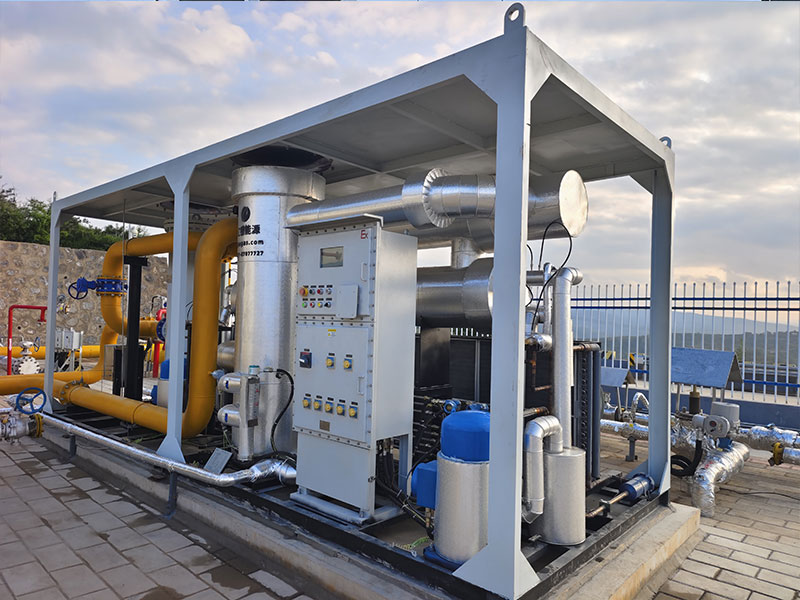
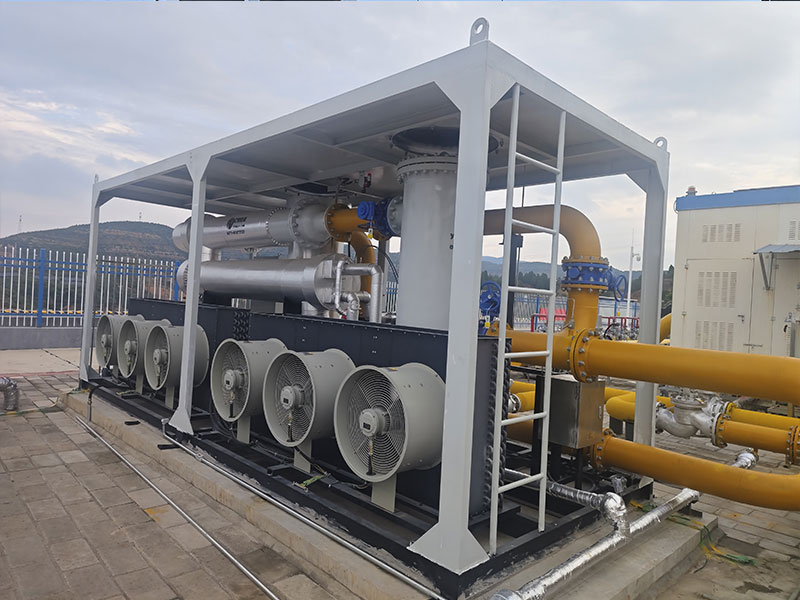
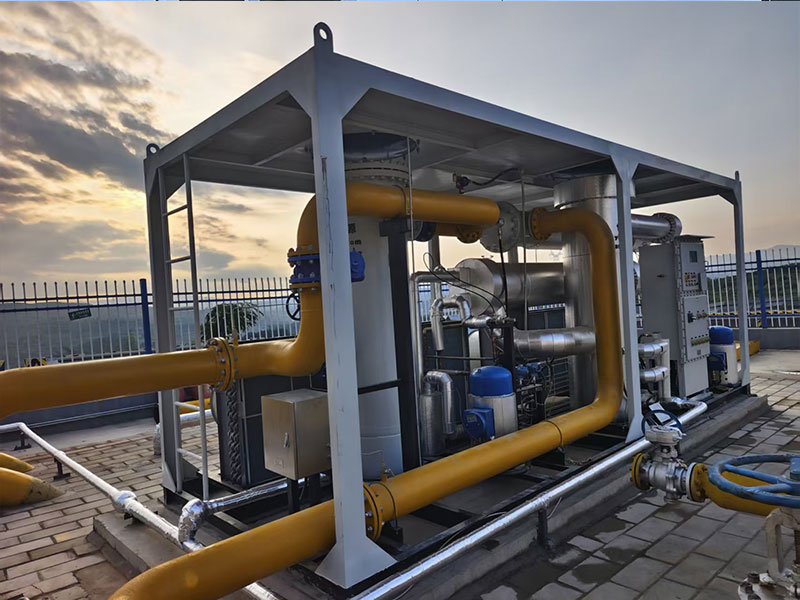
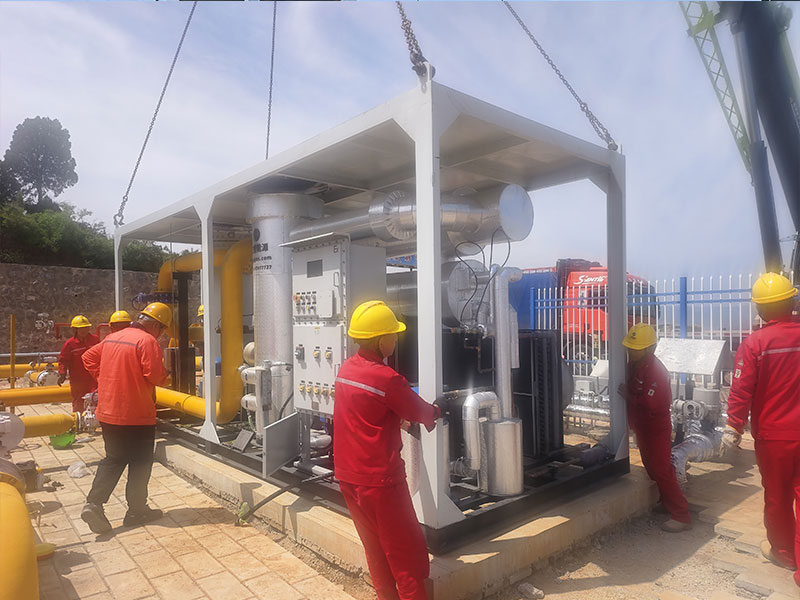
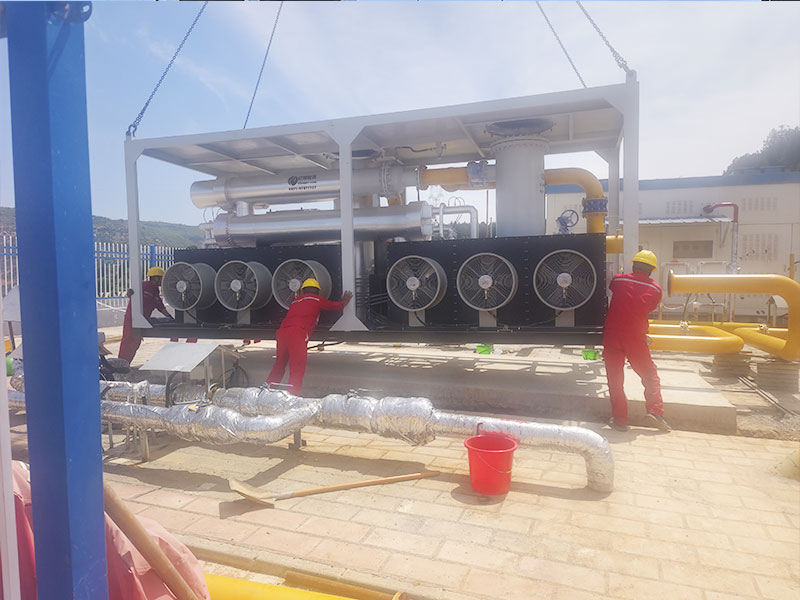
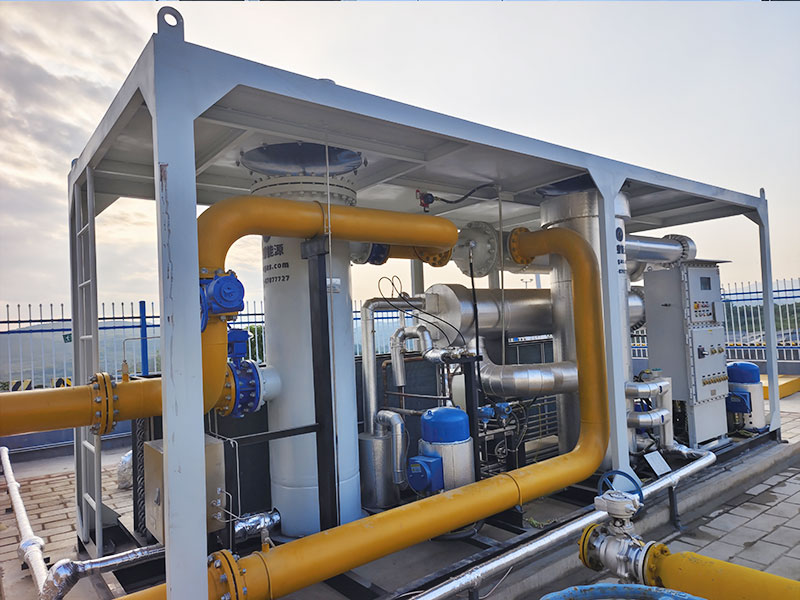
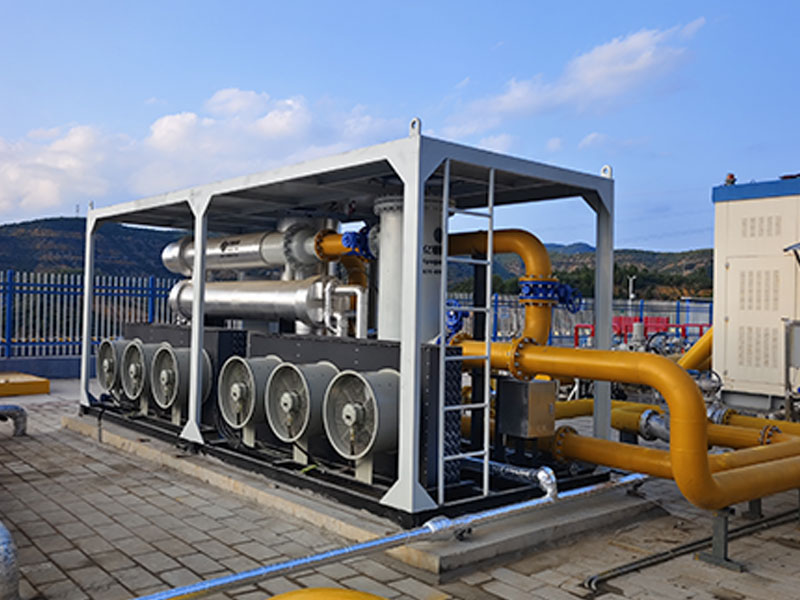
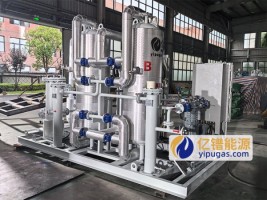
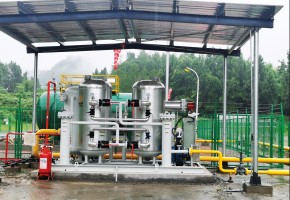
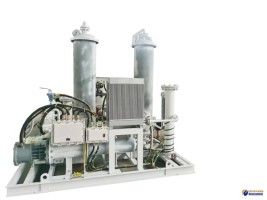
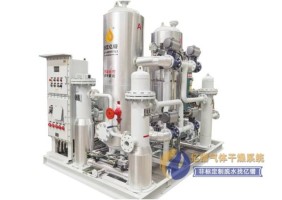
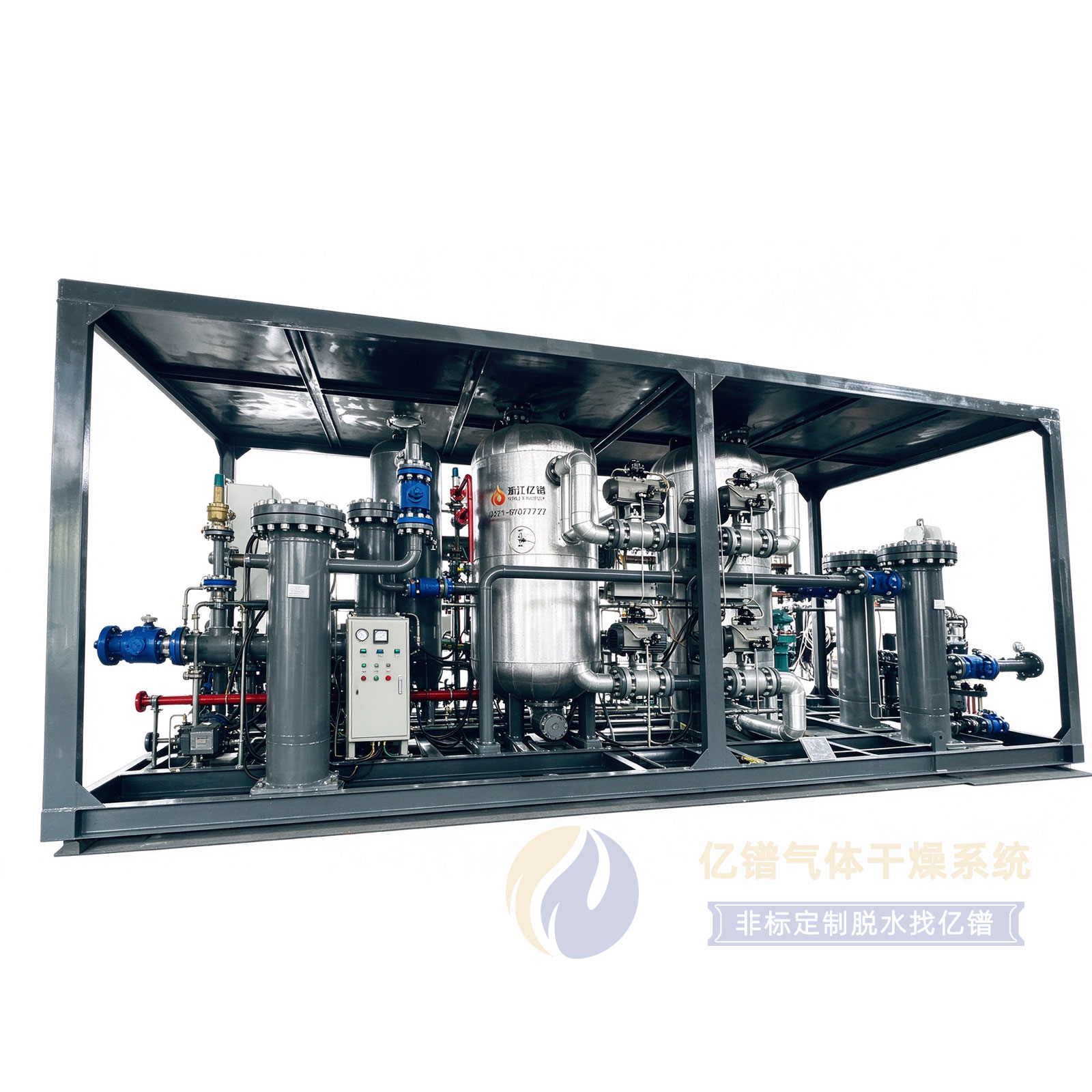
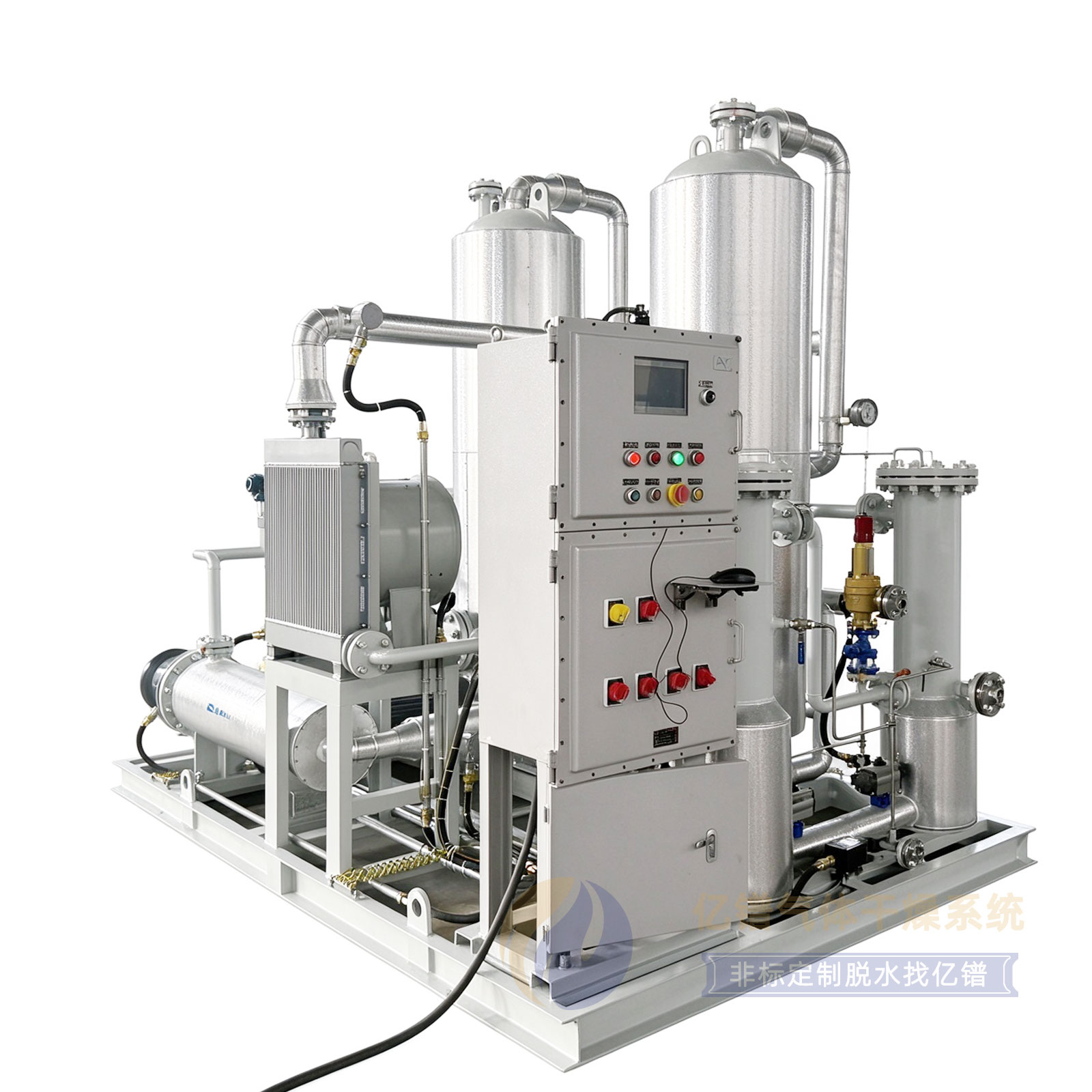
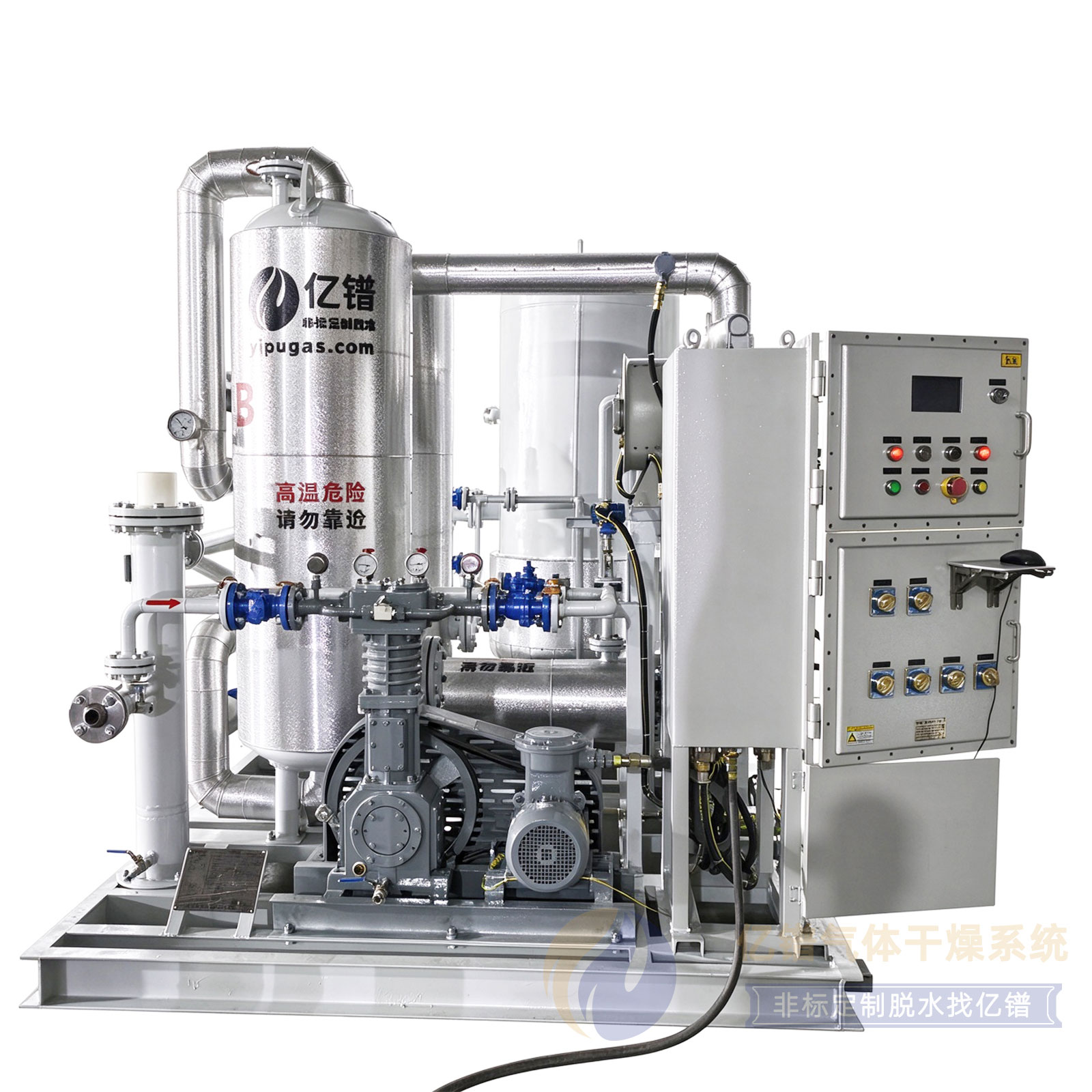
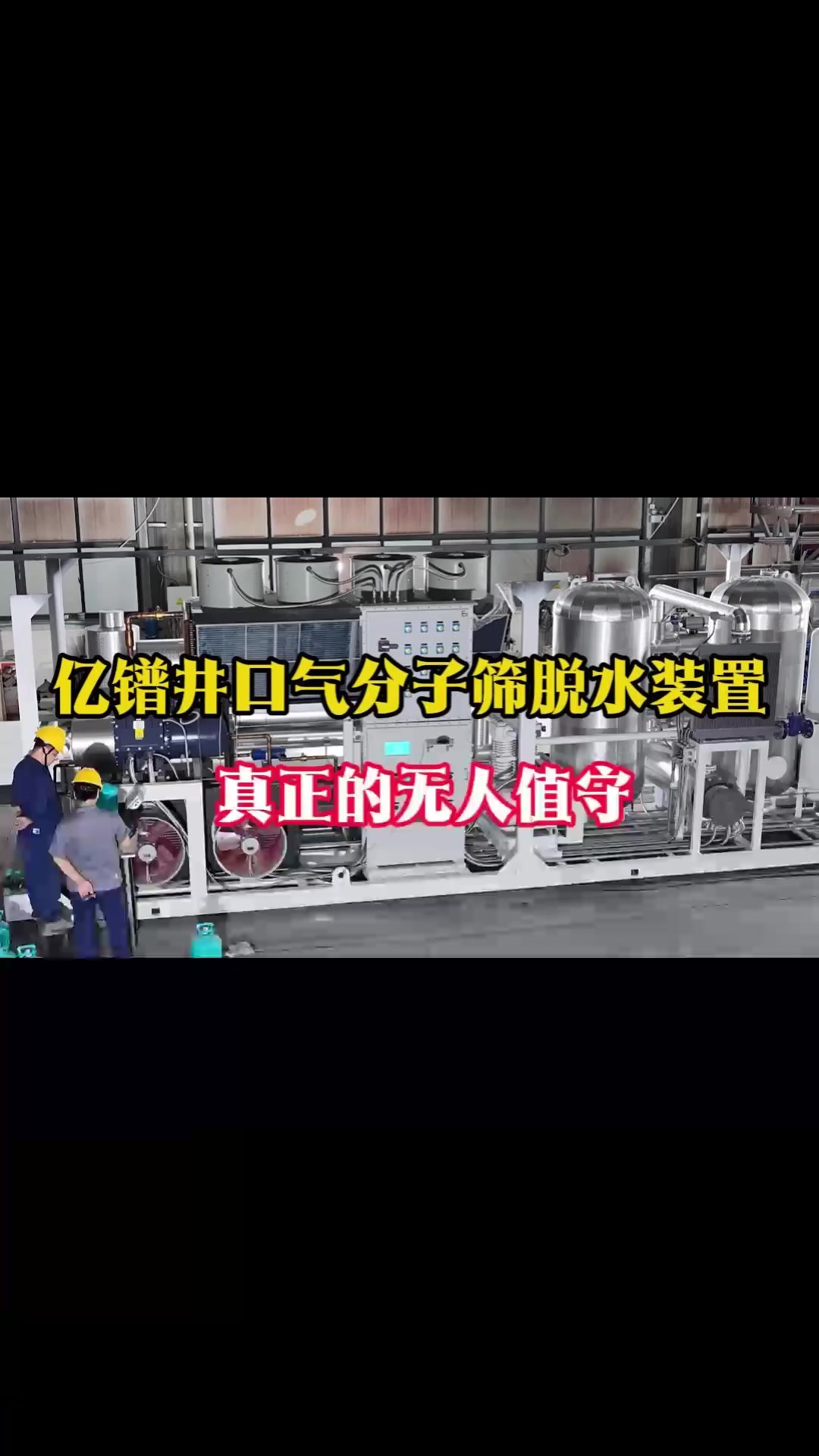
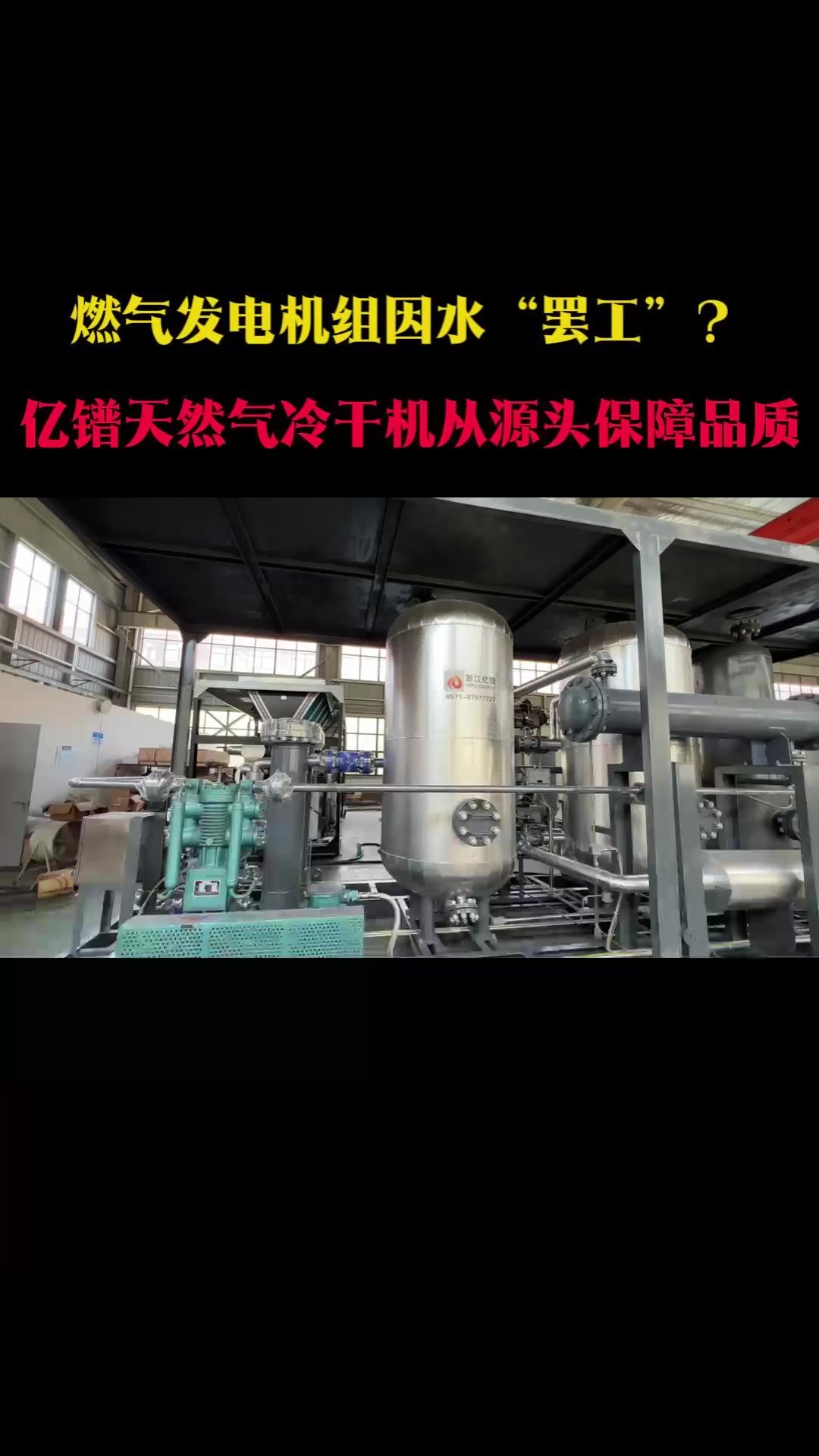
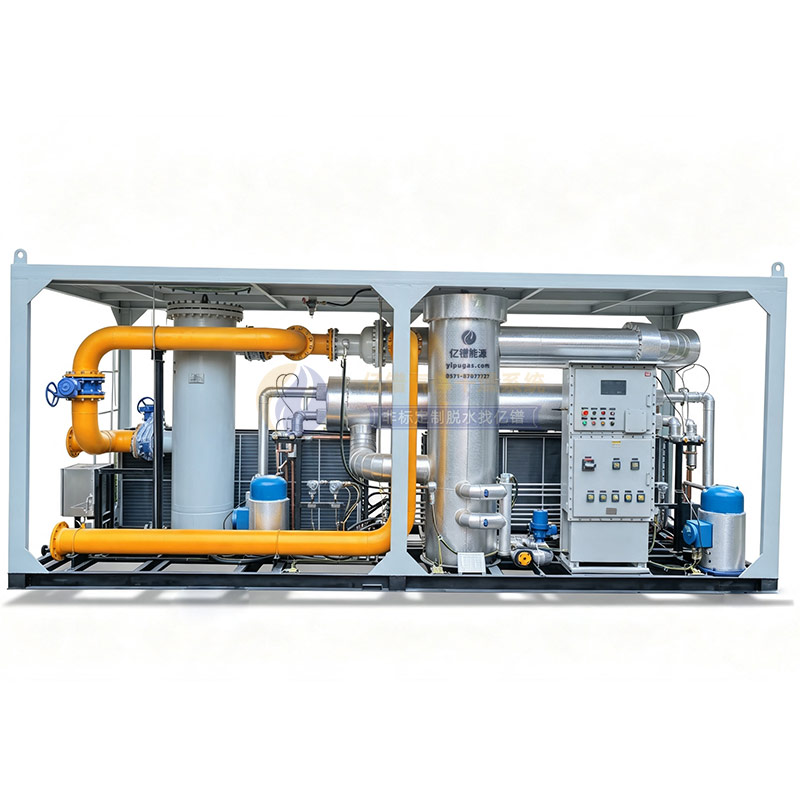
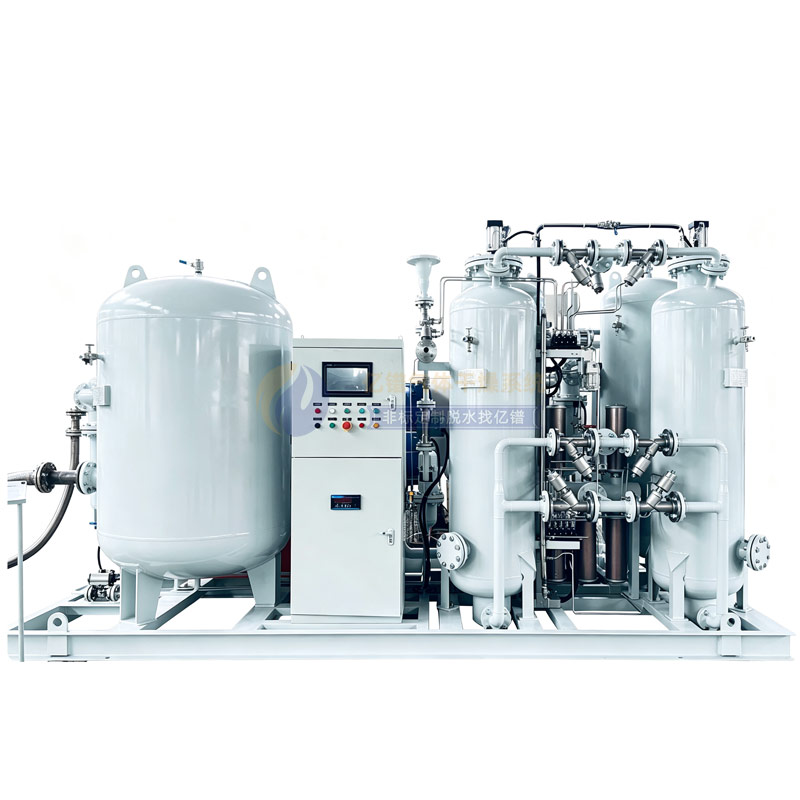
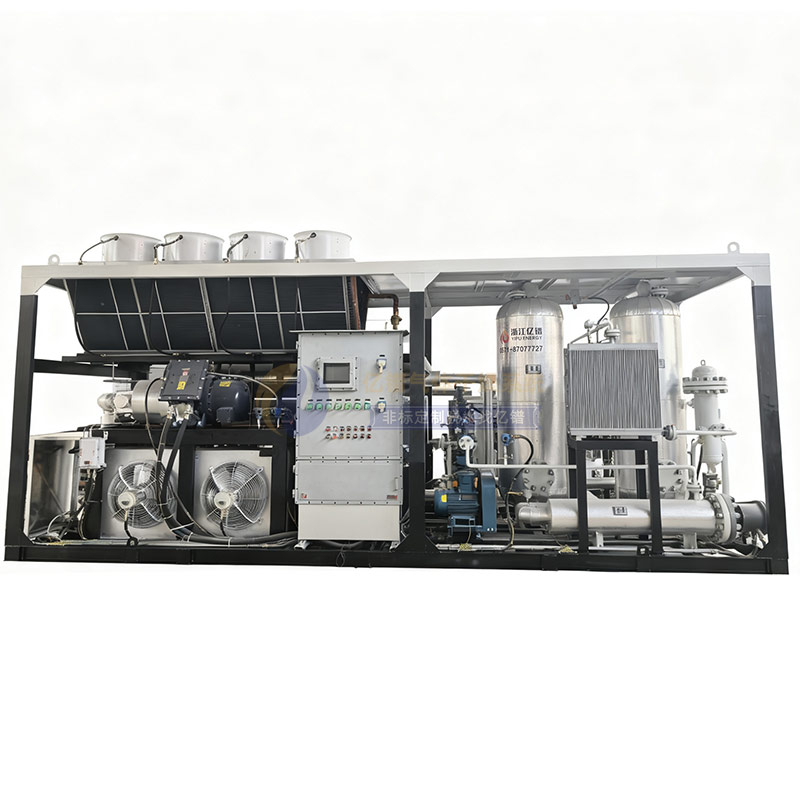
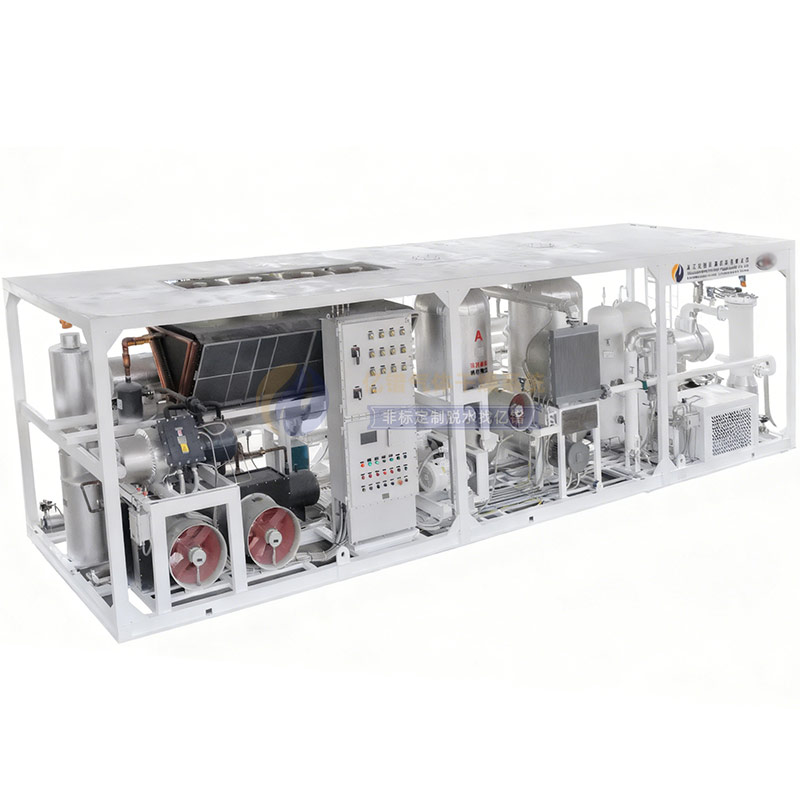
Yipu natural gas dehydration unit uses molecular sieve temperature swing adsorption (TSA) as the main process route, adopts skid-mounted integrated mode, focuses on deep dehydration of natural gas, and is suitable for various gas source conditions such as shale gas, associated gas, coalbed methane, CNG, LNG pretreatment, and city pipeline networks.

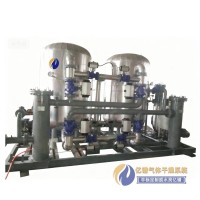
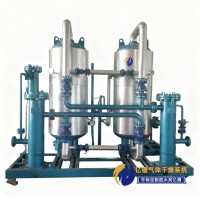
The system mainly consists of a pre-coalescing filter separator, molecular sieve adsorption tower group, fully automatic program-controlled valve group, regeneration gas heating unit, cooling gas-liquid separator, post-dust filter, and PLC explosion-proof control system. The mainstream configuration is dual-tower alternating operation (one tower adsorbing, one tower regenerating/cooling), and a three-tower process can also be configured to ensure continuous gas supply.

The feed gas first passes through pre-filtration to remove free water, condensate oil, and solid impurities before entering the adsorption tower, where the molecular sieve selectively adsorbs water vapor; after adsorption saturation, it automatically switches, takes part of the dry gas as regeneration gas, heats it to 180-300°C and flows countercurrently to desorb and regenerate the molecular sieve; after the wet regeneration gas is cooled and separated, the gas is recycled to reduce natural gas venting losses.

The unit features online dew point monitoring, fully automatic switching, remote communication access to SCADA, and explosion-proof design, achieving deep dehydration with atmospheric dew point of -40 to -70°C; designed with margin optimization for fluctuating and high-impurity unconventional gas sources, can be equipped with pre-cooling pretreatment modules to mitigate molecular sieve poisoning risk, reduce regeneration energy consumption, and solve on-site pain points such as dew point drift, emissions, and O&M pressure.

Solutions

ModuleFunction
Pretreatment unitFilters particulate matter (≤1μm), removes H₂S (optional activated carbon/amine liquid washing)
Condensation dehydration moduleHigh-efficiency heat exchanger + refrigerant circulation system, dew point rapidly drops to -10℃
Adsorption drying towerDual-tower design, sulfur-poisoning-resistant molecular sieve, supports automatic switching
VOCs recoveryLight hydrocarbons (C3+) in condensate, recovery rate ≥90%, improved economics
Intelligent control systemPLC real-time monitoring of pressure and dew point, interlocked compressor/storage tank
Zero-emission designWastewater treated to meet standards (COD≤50mg/L), exhaust gas complies with GB 39728-2020

Technical Principle

Principle of Pre-cooling Pretreatment

Cyclone separator removes liquid droplets and solid particles (efficiency ≥95%)

Principle of Pre-cooling Pretreatment

Molecular sieve adsorption dehydration principle

The plate-fin heat exchanger uses external refrigerant (such as propane) to cool natural gas from 40°C to 5-10°C, condensing free water (dew point reduced to -10°C)

Molecular sieve adsorption dehydration principle

Adsorption Drying (Three-stage)

Molecular sieve (4A or 13X type) deeply adsorbs residual moisture under high pressure (4-8MPa), with dew point up to -70°C (moisture ≤1ppm)

Adsorption Drying (Three-stage)

Intelligent Regeneration (Optional)

Regenerated by hot nitrogen purging (180-220°C), extending the molecular sieve service life to more than 5-8 years.

Intelligent Regeneration (Optional)

Core Advantages

Customized on demand

Meets special working conditions

Professional non-standard customization

Customized on demand

Low cost

Cyclic regeneration process

Greatly reduced operating costs

Low cost

Good stability

Dual-tower structure, small pressure fluctuation

Low noise, continuous gas supply

Good stability

Fully automatic operation

Convenient operation and reduced labor

Improved efficiency

Fully automatic operation

High safety

Preset multi-level safety protection measures

Automatic alarm

High safety

Low failure rate

maintaining a low failure rate even after 10,000 hours

Durability with almost no maintenance

Low failure rate

Technical Strength

Leading adsorption dehydration technology

Leading adsorption dehydration technology

Adopts high-performance molecular sieve adsorbent, with high water absorption capacity and resistance to acid gas (H₂S/CO₂) corrosion, ensuring deep dehydration effect with dew point ≤ -70°C.
Innovative hot nitrogen regeneration process, compared with traditional electric heating regeneration, energy consumption is reduced by 30%, and integrates waste heat recovery system, significantly improving energy efficiency.
Modular and customized design capabilities

Modular and customized design capabilities

The core equipment adopts modular prefabrication, supporting rapid deployment (installation period shortened by 50%), adapting to diverse scenarios such as offshore platforms, onshore gas fields, and LNG pretreatment.
Customizable single-tower, dual-tower, or multi-tower parallel systems according to customer needs, with processing capacity covering 10,000 to 1,000,000 Nm³/d, flexibly matching gas fields of different scales.
Intelligent control and remote operation and maintenance

Intelligent control and remote operation and maintenance

Equipped with PLC+IoT intelligent control system, real-time monitoring of key parameters such as pressure, temperature and dew point, supporting fault warning and automatic adjustment.
Through cloud-based big data analysis, optimize adsorption-regeneration cycles, extend molecular sieve life, and reduce operation and maintenance costs by 10%-15%.
Energy-saving and environmentally friendly technology

Energy-saving and environmentally friendly technology

Zero-emission design for regeneration tail gas, compliant with EU CE, US EPA and other environmental standards.
Energy consumption is reduced by 25%-40% compared with traditional triethylene glycol (TEG) dehydration systems, helping customers achieve carbon reduction goals.
Long-cycle operational reliability

Long-cycle operational reliability

Molecular sieve adopts anti-pulverization coating technology, with a service life of over 5 years, reducing replacement frequency.
Key components (such as valves, instruments) are selected from top international brands (such as Siemens, Emerson), with MTBF (mean time between failures) exceeding 100,000 hours.
Strong R&D and engineering experience

Strong R&D and engineering experience

Possesses 19+ dehydration technology patents and software copyrights, with an R&D team led by PhDs and deep collaboration with universities and colleges.
Over 1,000 successful cases worldwide, covering extreme operating conditions such as high-sulfur gas fields in the Middle East and low-temperature environments in the Arctic.

Advantage Comparison

IndicatorsYipu SystemTraditional Refrigeration DehydrationChemical desiccant
Dew point-70°C (customizable to -100°C)-40°C (requires deep regeneration)-20°C (limited ambient temperature)
Energy consumption0.05 kWh/m³ natural gas0.15 kWh/m³ natural gas0.1 kWh/m³ natural gas
Methane loss≤0.1%≥1% (TEG carryover)≤0.5%
O&M costs<0.02 CNY/m³ natural gas0.08 CNY/m³ (TEG replacement)0.05 CNY/m³ (mainly electricity cost)
Explosion-proof certificationEx dⅡCT4 (full series)Partial explosion-proofNot applicable
Environmental FriendlinessZero chemical agents, no VOCs emissionsTEG degradation produces benzene-series pollutantsPotential refrigerant leakage risk

FAQ

Multi-stage skid-mounted combined process. Mechanical separation removes free liquid droplets and solid impurities to protect downstream equipment; condensation dehydration completes preliminary water vapor precipitation; adsorption drying achieves deep dehydration, with outlet gas dew point reaching -40℃~-76℃, meeting the requirements for CNG, LNG, pipeline transmission, and wellhead gas drying; intelligent regeneration automatically switches between adsorption and regeneration, with closed-loop gas reuse to reduce losses. For ordinary pipeline transmission, a condensation-based solution can be selected; for scenarios with high dew point requirements such as CNG filling stations, LNG front-end, and shale gas, the full process is recommended, and it can be customized according to gas volume, pressure, and inlet water content.
Under the premise that the gas source is free of oil and liquid contamination, the service life of the molecular sieve is about 3-5 years. Failure of the outlet dew point to meet the standard and a significant increase in system pressure drop are signals that maintenance and replacement are needed. The equipment is equipped with a dedicated filling port, so replacement does not require extensive disassembly of piping. The whole unit operates fully automatically and supports unattended operation; daily work only requires inspection of dew point, pressure, and blowdown status. The main wear parts are filter elements and molecular sieve.
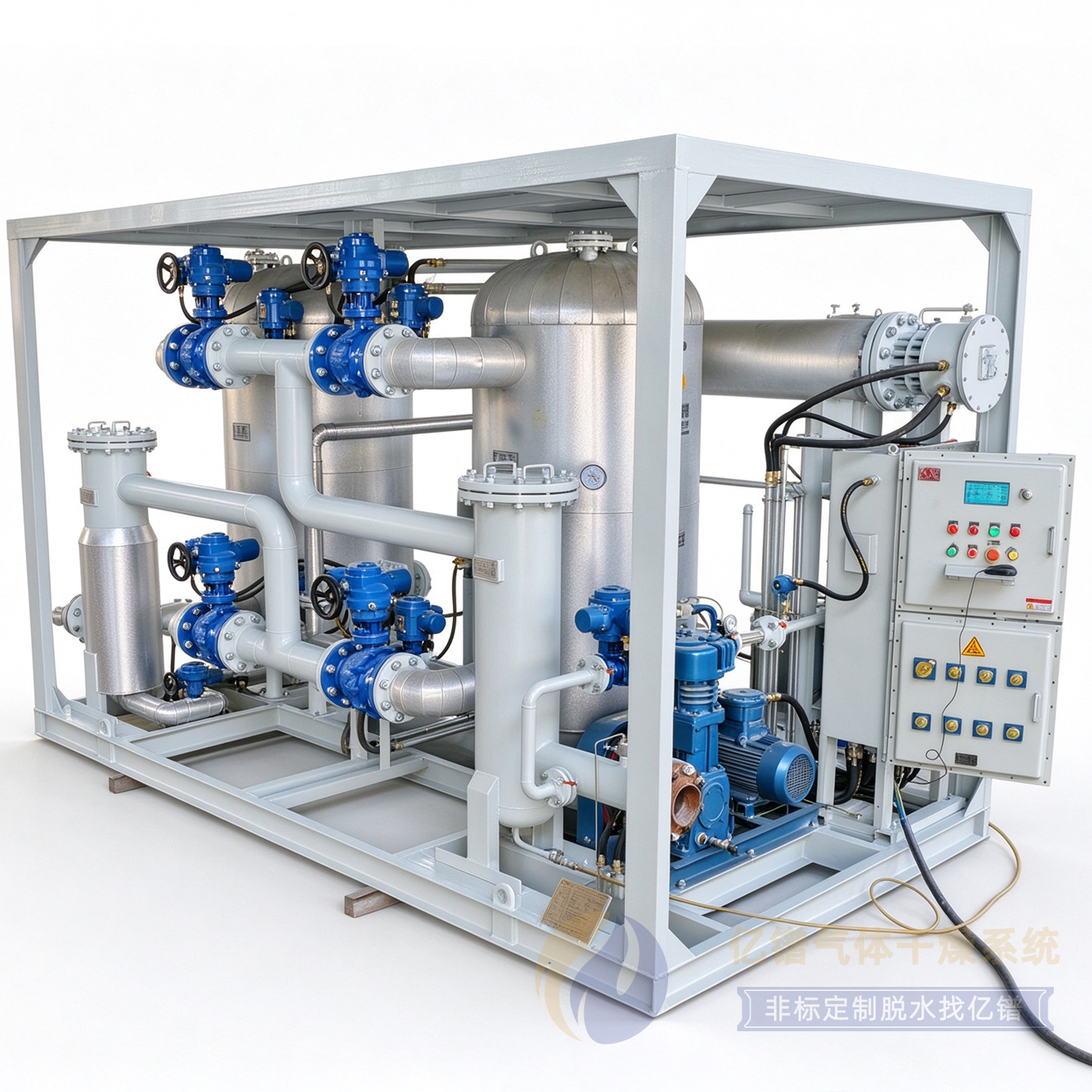
Closed-loop regeneration, using dried product gas for regeneration, wet gas is recovered into the system, natural gas loss is less than 0.5%. Energy consumption mainly comes from electric heaters and cooling fans. Compared with triethylene glycol dehydration, no chemical procurement and waste liquid treatment are required, no chemical leakage, small skid footprint, simple operation, more suitable for gas stations, small and medium-sized gas fields, and coalbed methane scenarios; corresponding solutions are also available for large processing capacity conditions.
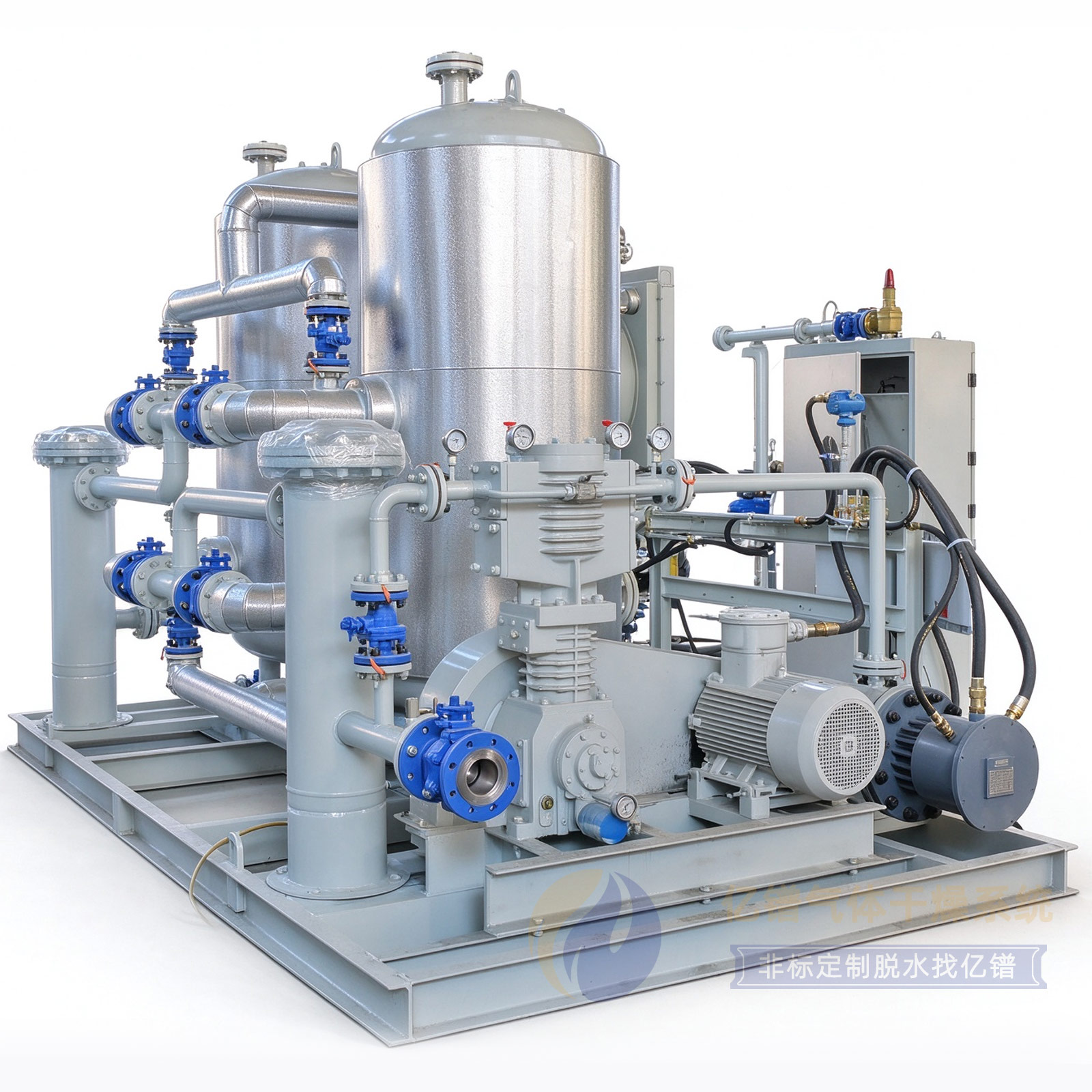
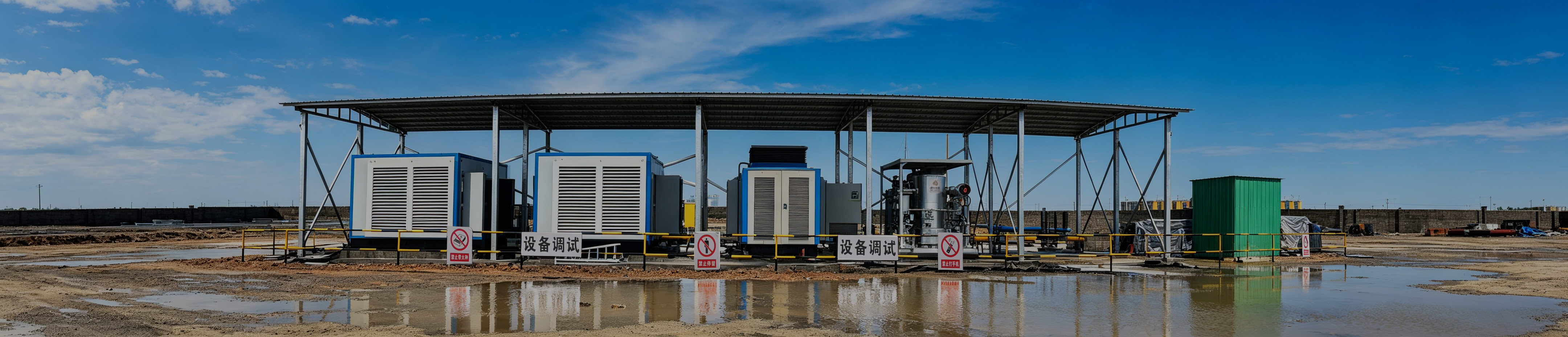
The equipment can be used outdoors in skid-mounted configuration. In cold regions, explosion-proof electric heat tracing and pipeline antifreeze insulation are configured to avoid ice blockage. It is recommended to provide a simple rainproof and thermal insulation shelter to extend equipment life. Minimize liquid water and oil mist in the inlet gas; for high water content gas sources, strengthen the pre-separation unit; when the gas source contains high hydrogen sulfide and heavy hydrocarbons, a gas composition report is required for targeted process adjustments.
Standard PLC touch screen, reserved communication interface, can connect to customer's existing control system, optional cloud platform for remote viewing of operating parameters, fault alarms, and adjustment of regeneration parameters. The whole machine has a warranty of 12 months from the date of qualified commissioning; vulnerable parts such as filter elements and molecular sieves are warranted as accessories; during the warranty period, non-human damage will be repaired with free replacement parts. Nationwide after-sales service, 24-hour technical response, 48-hour on-site service if necessary, lifetime technical support and spare parts supply after the warranty period, and on-site maintenance and personnel training services are available.

Send Inquiry