
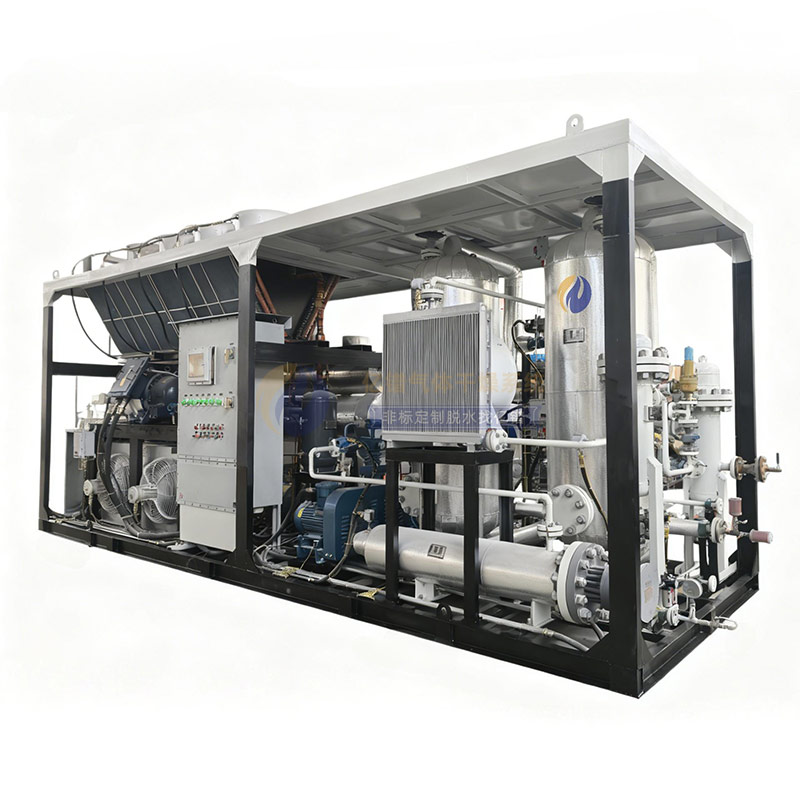
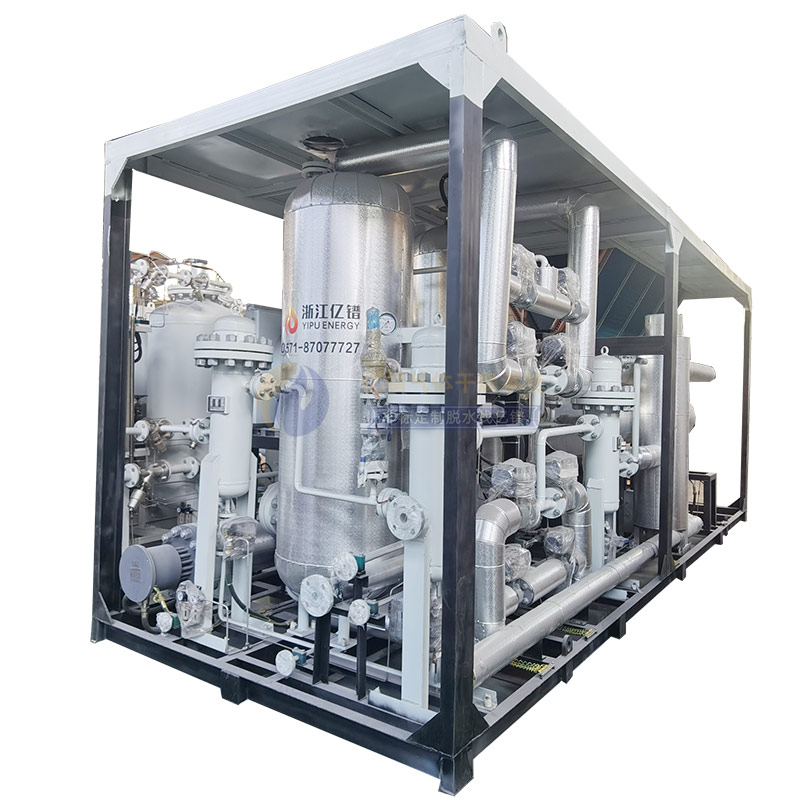
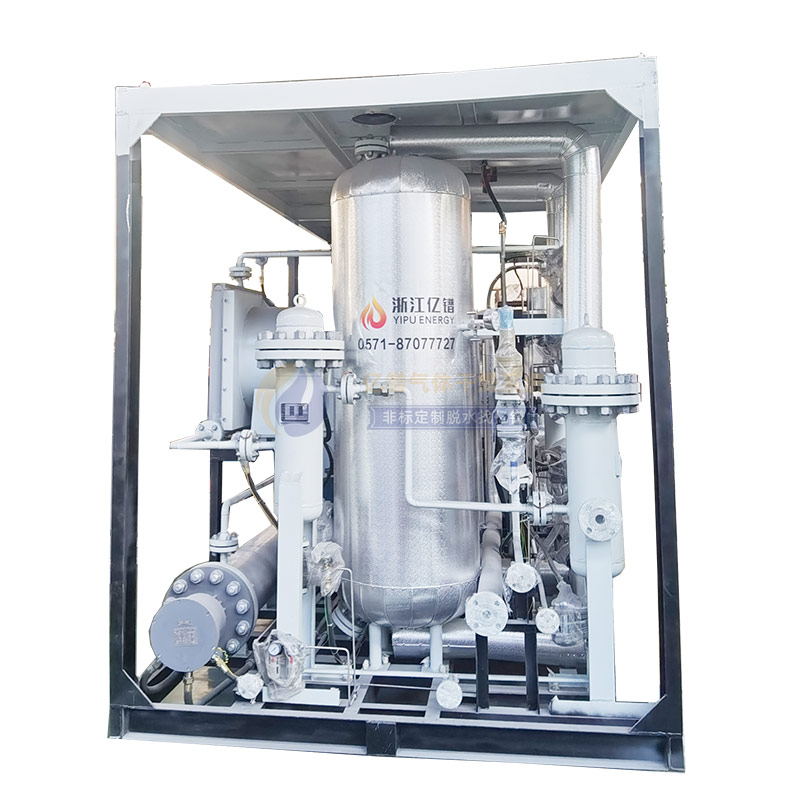
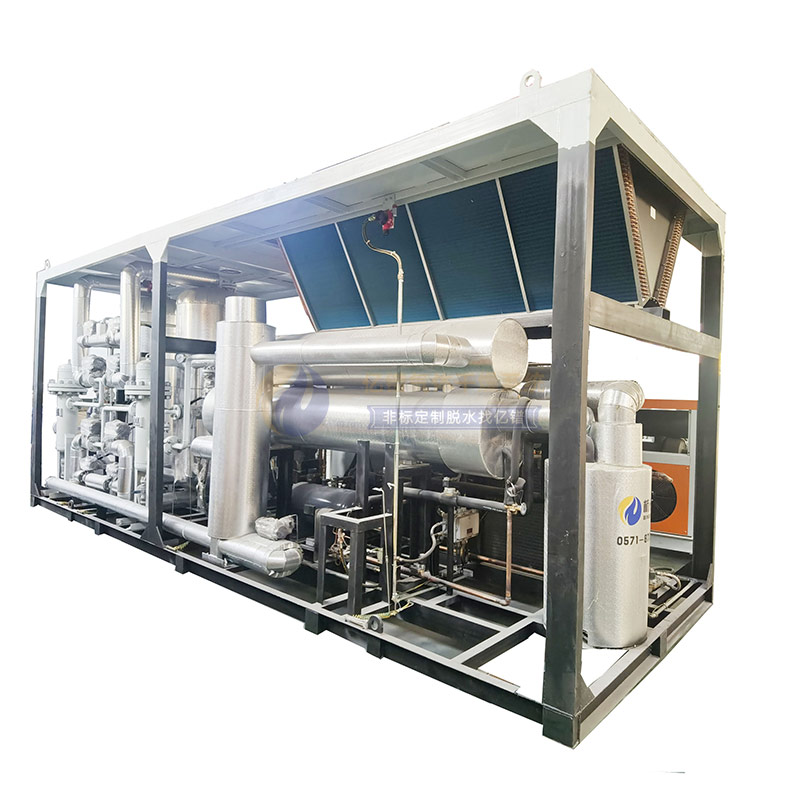
| Solutions | Key points |
|---|---|
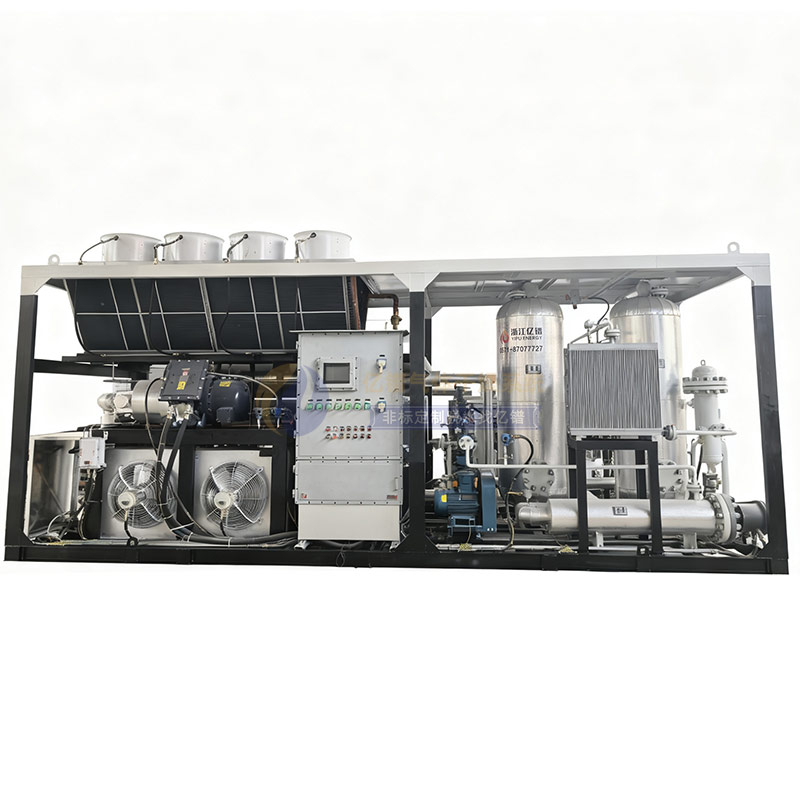
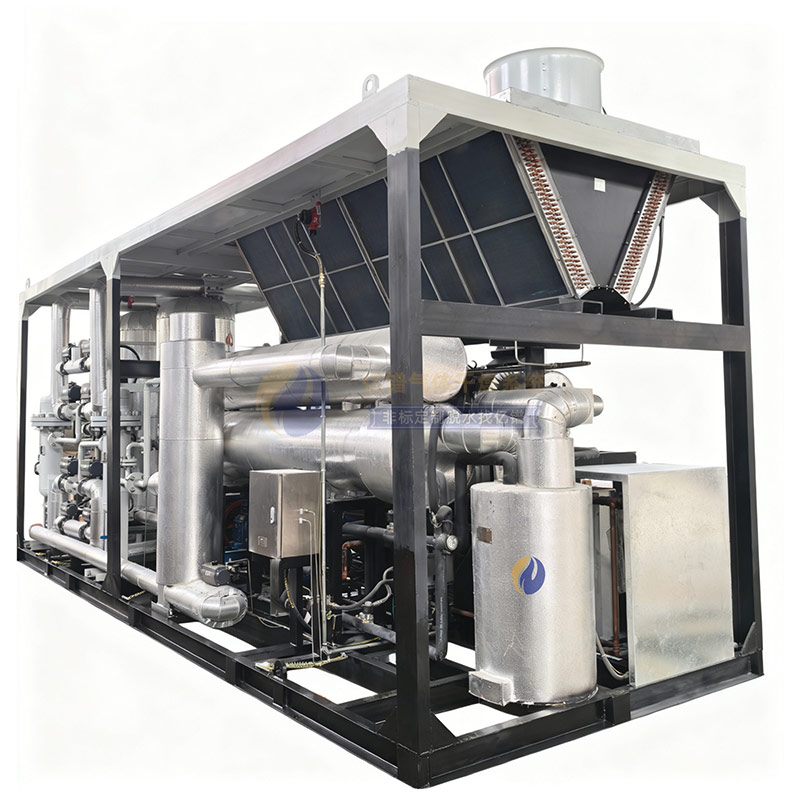
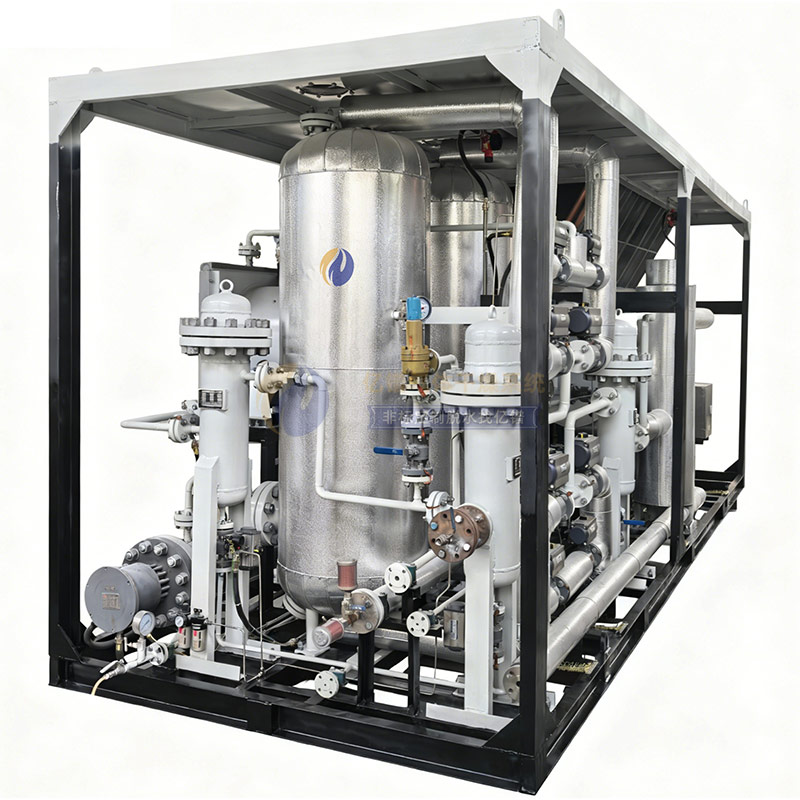
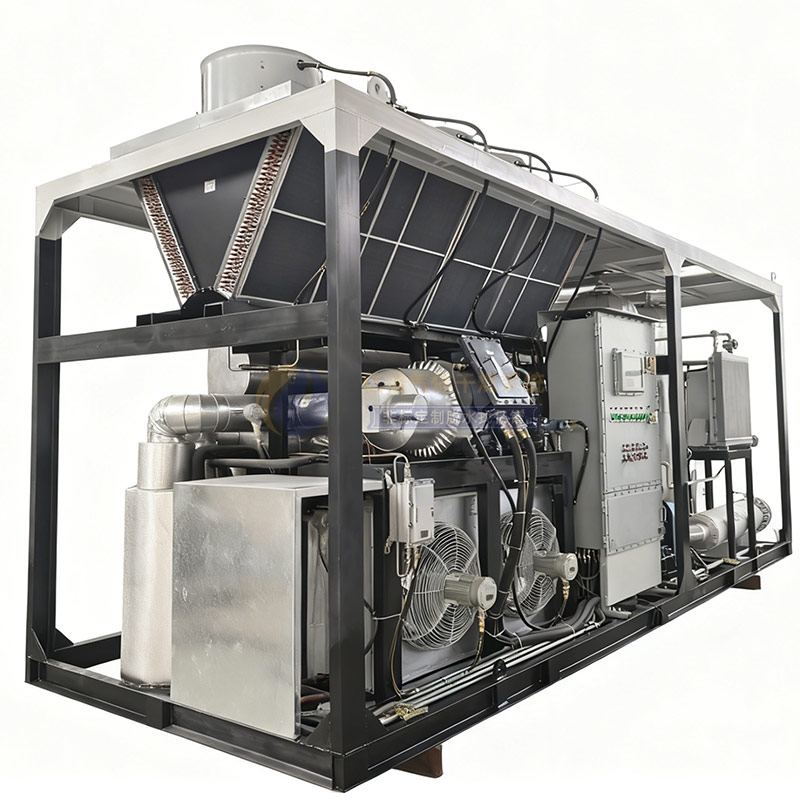
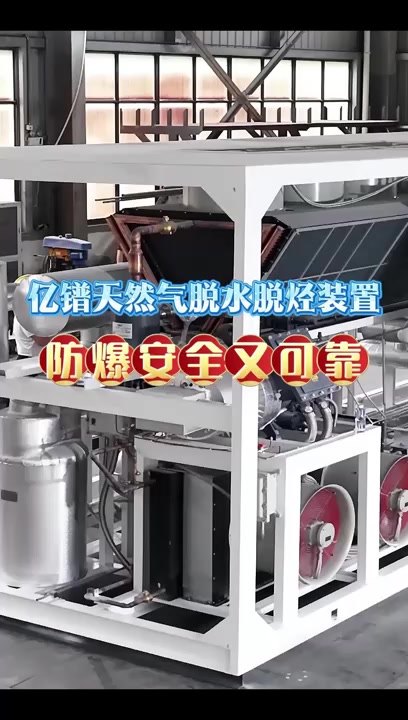
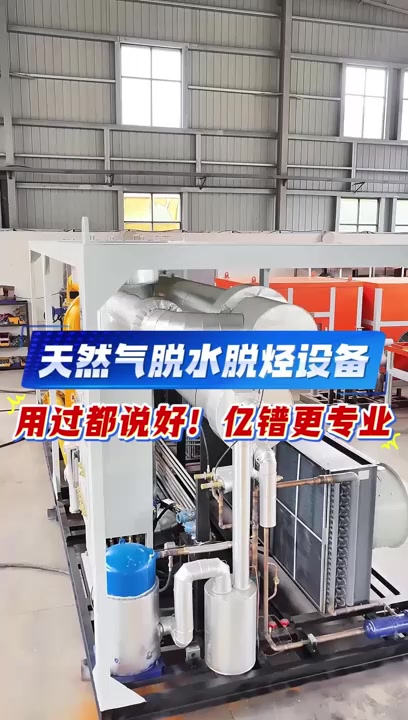
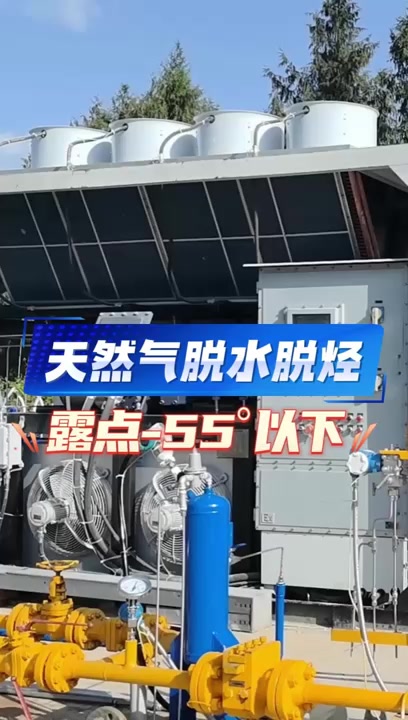
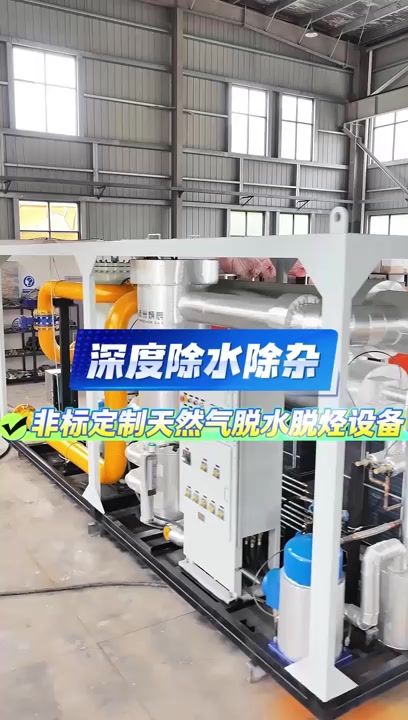
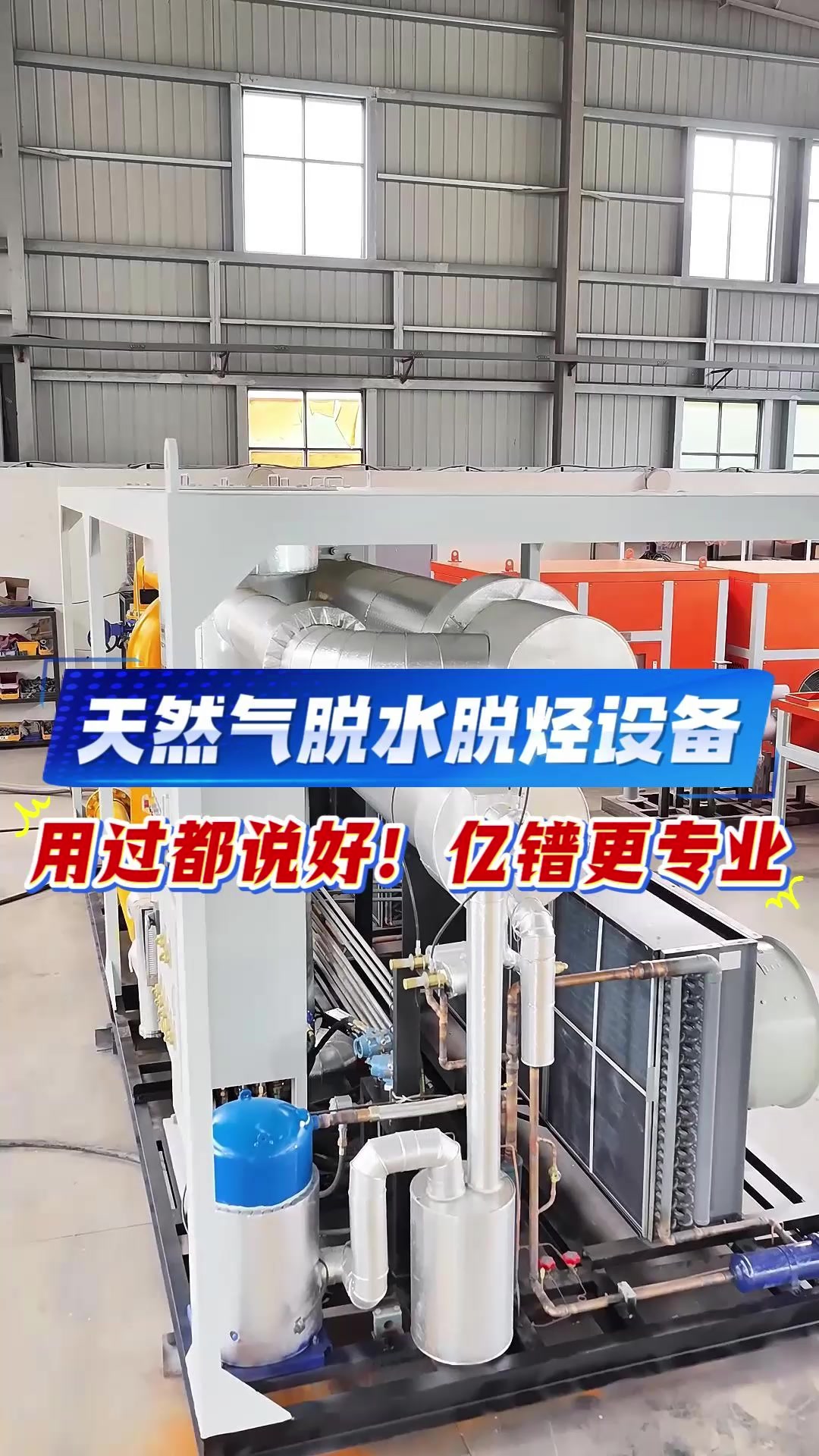
| Multi-stage pretreatment protects the adsorption unit | Adopts collision + centrifugal + wire mesh demisting three-stage separation to remove free water, condensate, and solid impurities; utilizes cold energy after dehydrocarbonization to pre-cool inlet gas, energy recovery, reducing refrigeration unit load and protecting molecular sieve. |
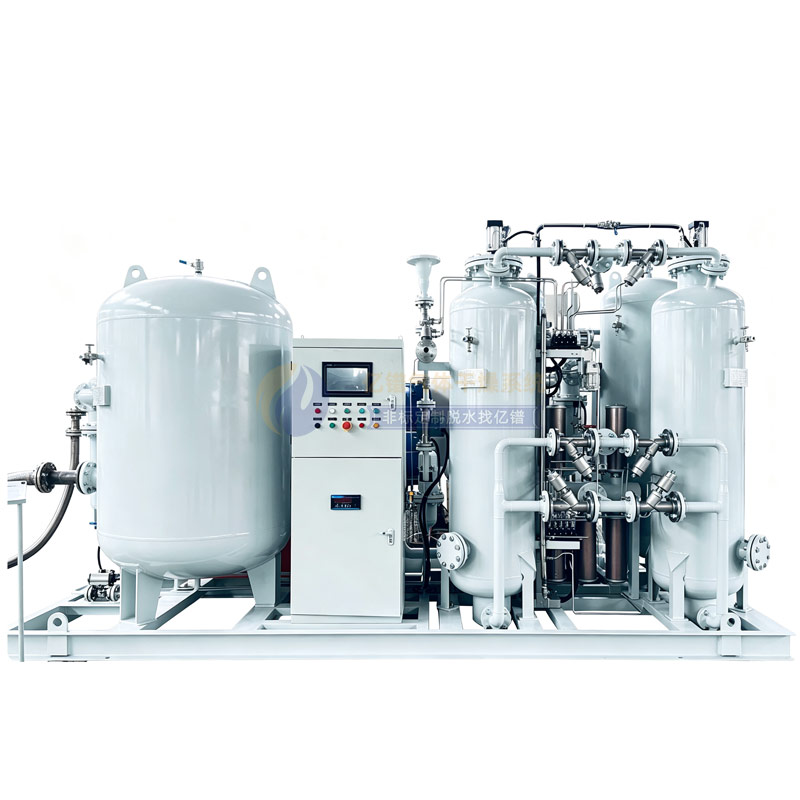
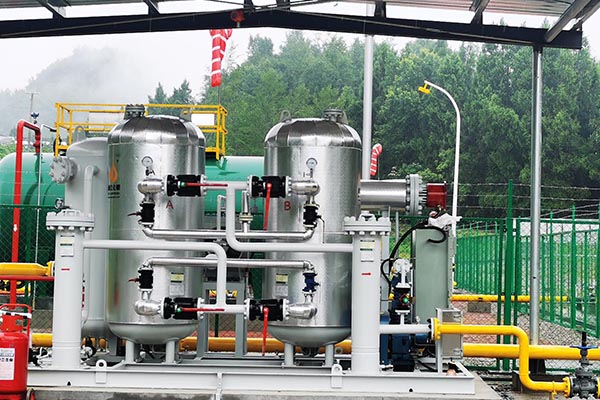
| Dual-tower molecular sieve deep dehydration | Dual towers alternating operation ensure continuous gas supply; outlet gas dew point ≤-60°C, avoiding hydrate freezing blockage; flat-cloth diffusion inlet reduces molecular sieve scouring and pulverization; equipped with its own loading/unloading port, no need to disassemble pipelines to replace molecular sieve. |
| Isobaric semi-open countercurrent regeneration | Regeneration pressure equal to working pressure; a small amount of dry gas is pressurized and heated for reverse desorption of water vapor; the regeneration gas system circulates internally, with no product gas venting, saving resources and reducing environmental risks. |
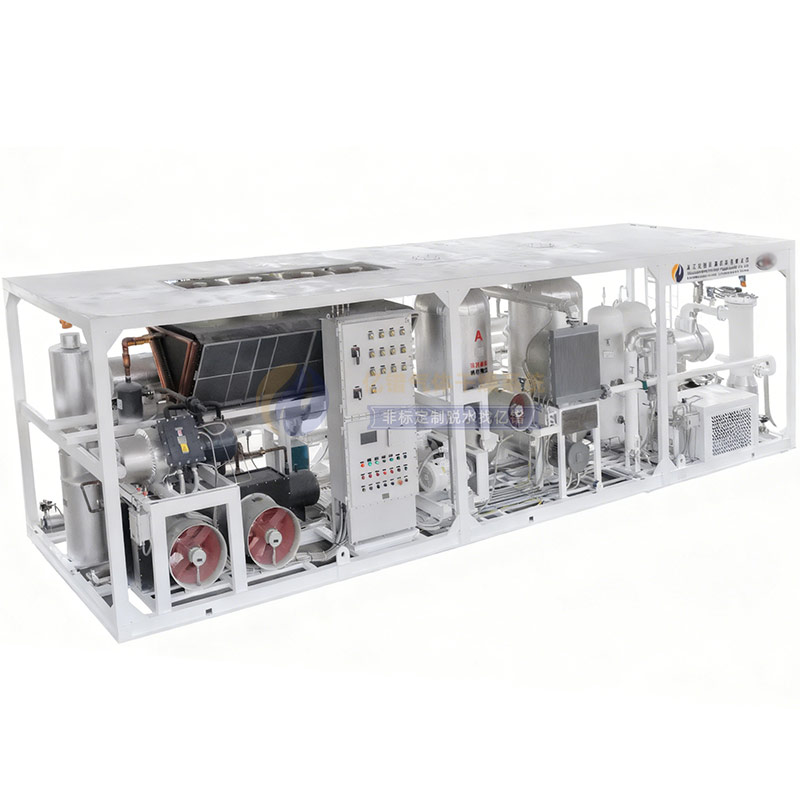
| refrigeration condensation dehydrocarbonization | After dehydration, natural gas is frozen to -10°C, and heavy hydrocarbons are condensed and liquefied; three-stage gas-liquid separator recovers mixed hydrocarbons; evaporator hole-pulling process solves low-temperature leakage and vibration wear; refrigeration system has complete high/low pressure and overload protection. |
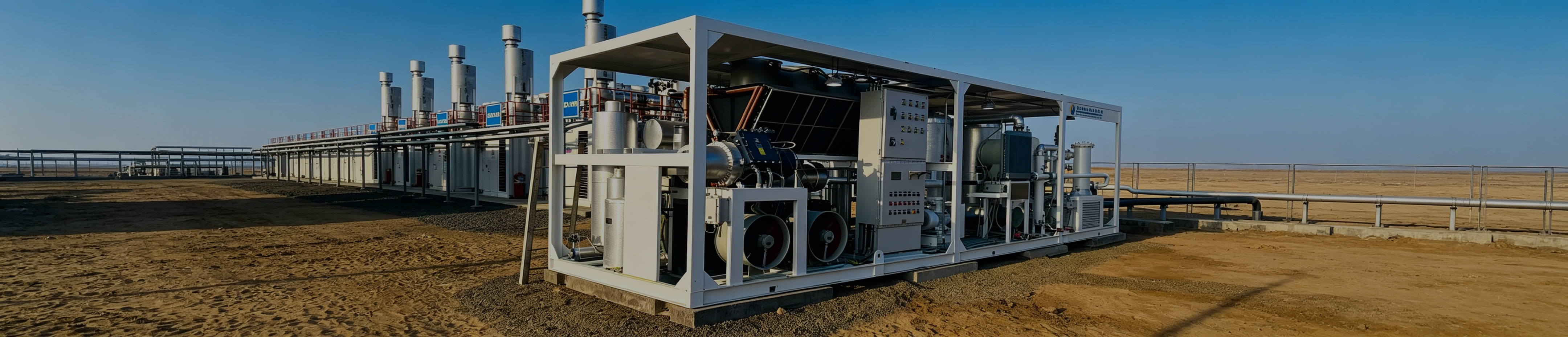
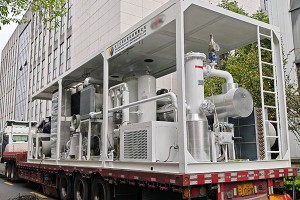
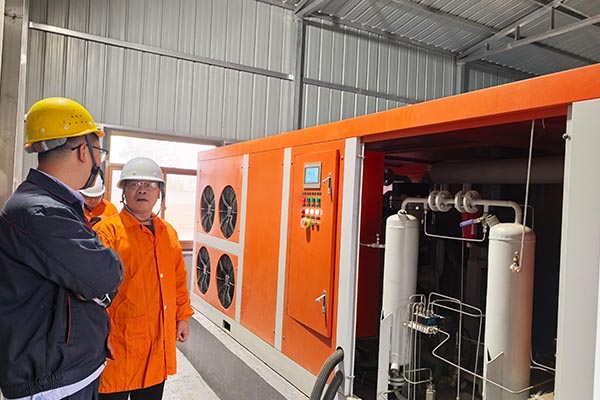
| fully automatic explosion-proof control | PLC + touch screen for fully automatic full-process operation; triple over-temperature, motor overload, and pressure interlock protection; supports Modbus-RTU and remote start/stop; electrical explosion-proof dⅡBT4; whole-machine skid-mounted at factory, on-site only connect pipe openings and power supply. |
| full life cycle technical support | Factory whole-machine testing; provides installation and commissioning, free training for operators; fault solution within 12h, personnel on site within 24h; 3-year spare parts price lock; provides drawings, fault diagnosis, and inspection suggestions, suitable for remote well sites. |
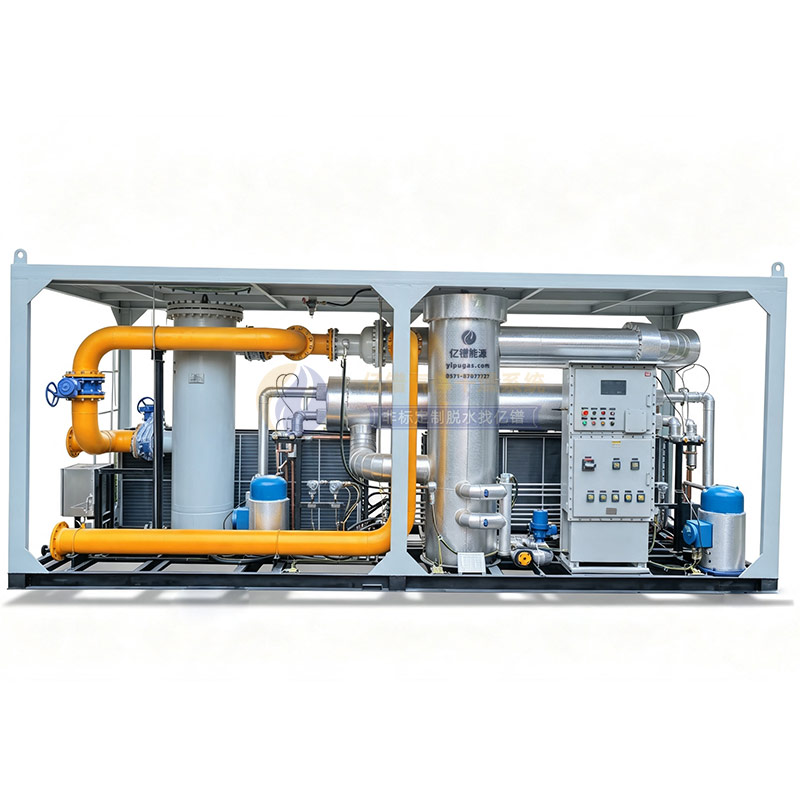
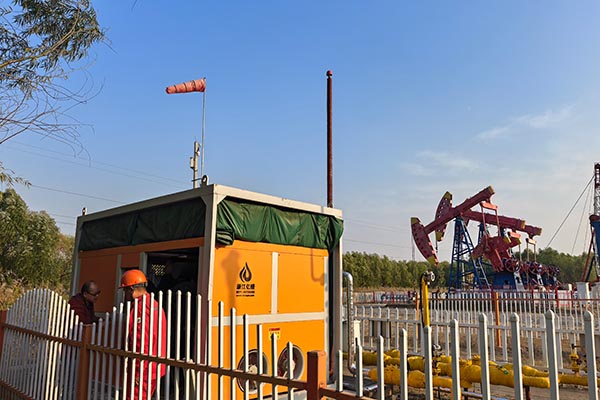
Custom developed for 0.2-0.3MPa low-pressure associated gas, does not rely on gas throttling pressure energy for refrigeration, solves the problem that J-T valves cannot achieve low temperatures with low-pressure gas sources, especially suitable for small and medium-sized oilfields and distributed well site associated gas resource utilization projects.

Molecular sieve adsorption dehydration ensures the outlet gas water dew point ≤-60℃, far superior to the TEG process; upstream multi-stage filtration and pre-separation completely eliminate hydrate freezing and blockage hazards in the refrigeration unit, ensuring long-term stable operation of the dehydrocarbonization system.

Reduce losses and environmental risks, internal circulation of regeneration gas, finished natural gas is not vented to the atmosphere, reduce gas loss, eliminate on-site venting safety hazards, and meet environmental VOC control requirements.

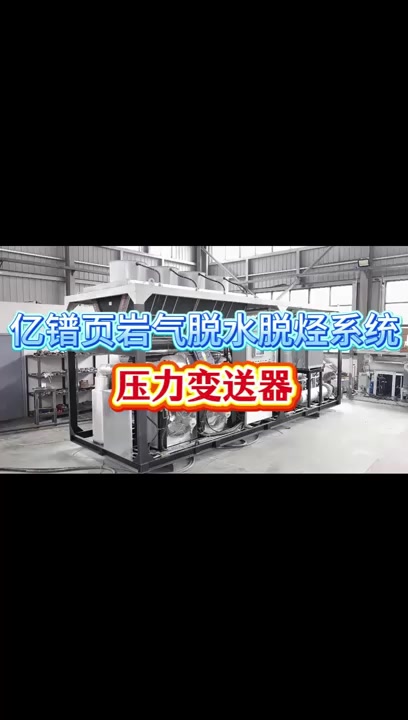
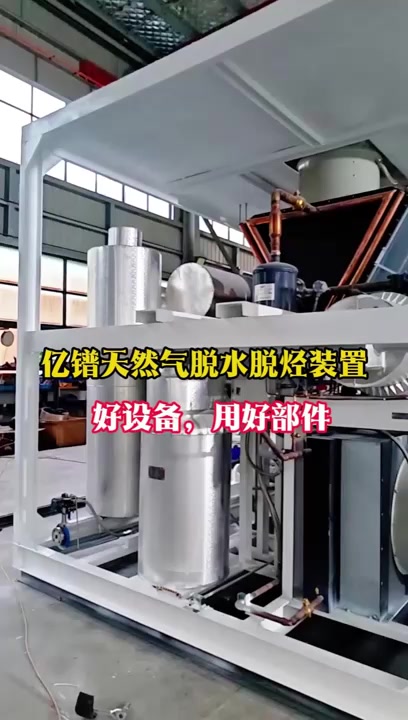
Long adsorbent service life,Complete integrated single skid for dehydration + dehydrocarbonation,Uniform diffusion air intake in the adsorption tower,Reduce airflow impact;Equipped with a dedicated molecular sieve loading/unloading port,Molecular sieve can be replaced without disassembling piping;Fully automatic operation,Reduce manual operations,improving interlock protection,Reduce the probability of unplanned downtime.

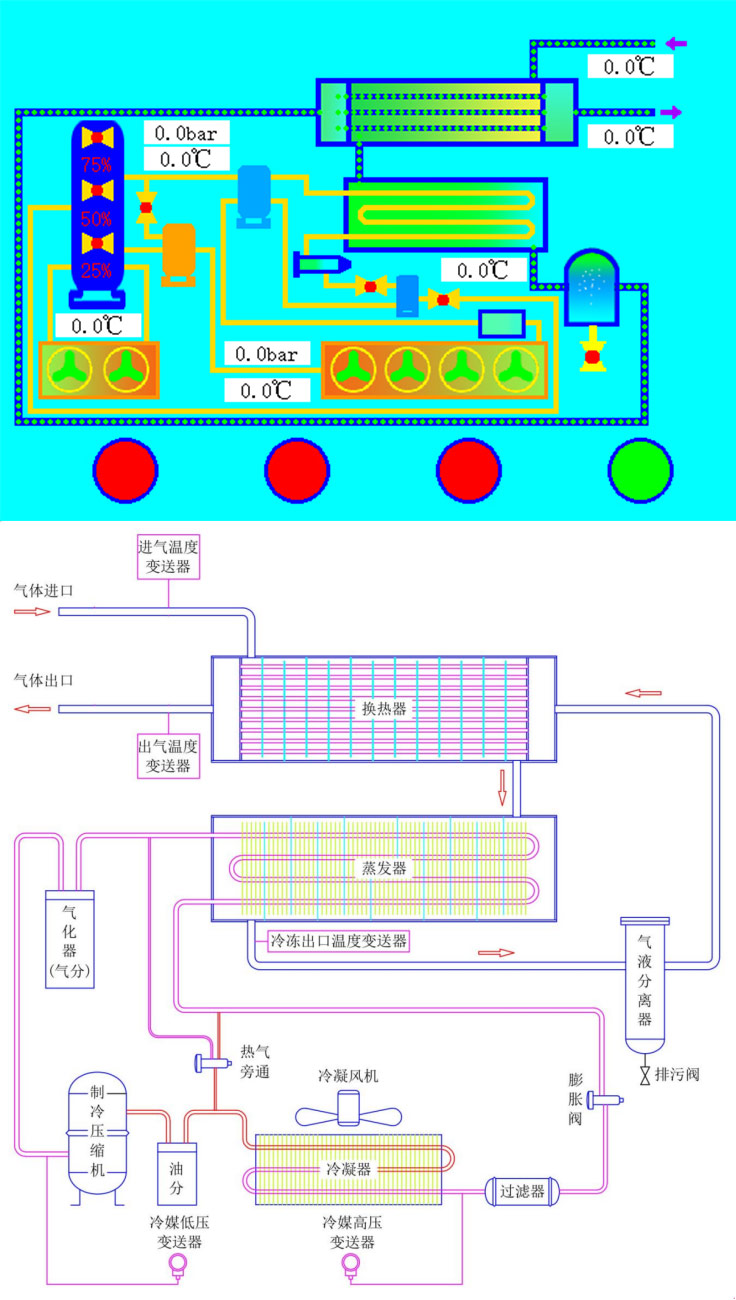
Oilfield associated gas (≤40℃, 0.2-0.3MPa) enters the separation filter to remove solid impurities and free oil and water; using -10℃ cold dry gas after refrigeration dehydrocarbonation, heat exchange is performed in the pre-heat exchanger to cool the inlet gas down to 20-30℃, partially saturated water condenses and separates out and is discharged from the gas-liquid separator, completing initial dehydration and reducing the molecular sieve processing load.

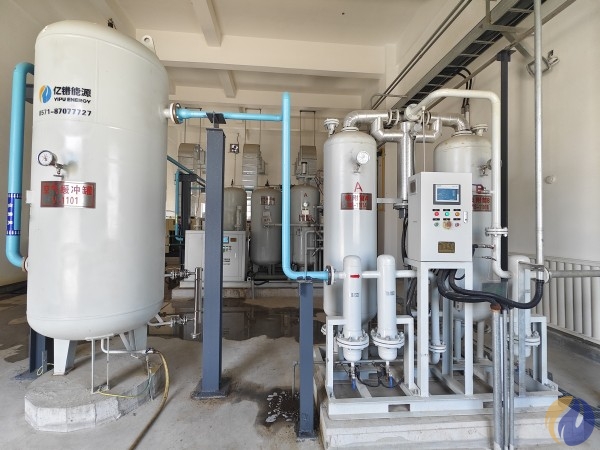
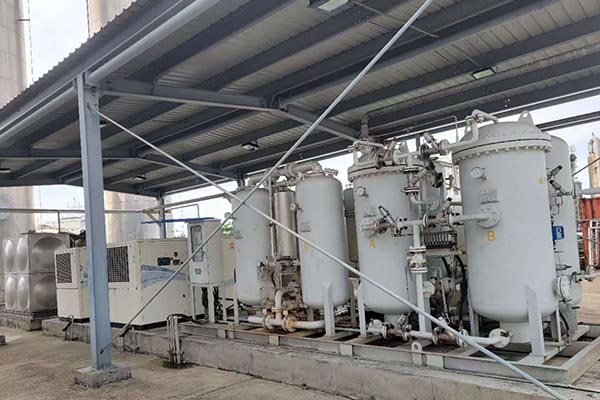
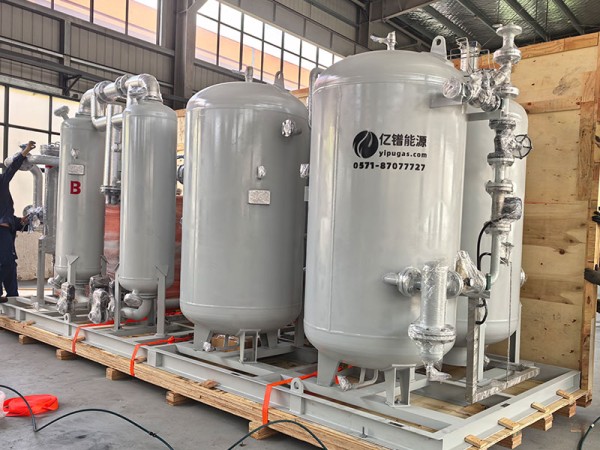
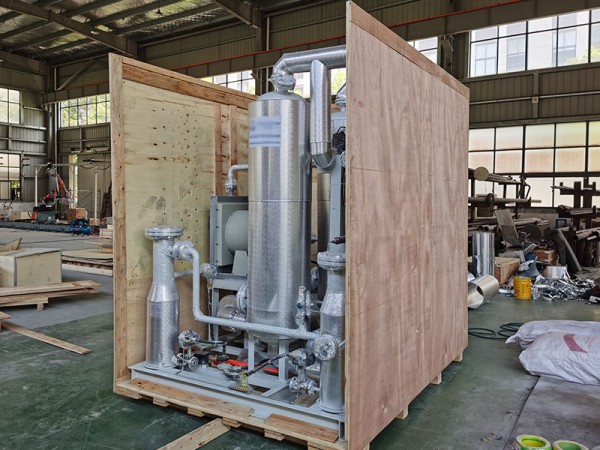
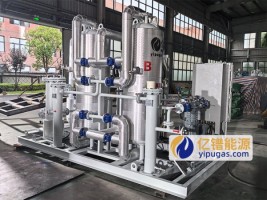
Porous crystalline molecular sieve material can selectively adsorb water molecules; under low-temperature conditions, the feed gas passes through the molecular sieve bed, and the water vapor within the gas is adsorbed by the molecular sieve channels, achieving deep dehydration; after dehydration, the gas passes through a dust filter to remove molecular sieve dust and impurities, yielding dry natural gas with a dew point ≤-60℃, which is then sent to the dehydrocarbonation unit. Dual-tower alternating operation: Tower A adsorbs while Tower B performs the regeneration process, ensuring uninterrupted continuous gas supply.
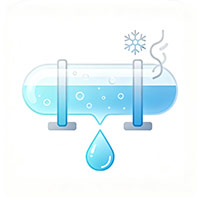
After the molecular sieve becomes saturated with water, it needs regeneration to restore its adsorption capacity; a small amount of dry gas is taken from inside the system, pressurized by a booster, heated to about 180°C by an explosion-proof electric heater, and introduced in reverse flow into the saturated adsorption tower, where water molecules desorb from the molecular sieve under high temperature; the regeneration gas carrying a large amount of water vapor enters the cooler for temperature reduction, and the water vapor condenses into liquid water, which is drained through the gas-liquid separator; the separated gas returns to the internal circulation of the process system; the pressure during the entire regeneration process is basically the same as the working pressure, with no product gas discharged to the outside, achieving zero venting loss.

Based on the boiling point differences of different hydrocarbon components, a compression refrigeration cycle is adopted. The evaporator of the refrigeration unit cools the deeply dehydrated natural gas to -10°C, and heavy hydrocarbons such as high-boiling-point propane, butane, and pentane condense into liquid; natural gas enters the three-stage gas-liquid separator, where liquid mixed hydrocarbons are separated and recovered, and the gas phase is the purified export natural gas. In the refrigeration cycle, the refrigerant undergoes compression-condensation-throttling-evaporation cycles, continuously providing cooling capacity.





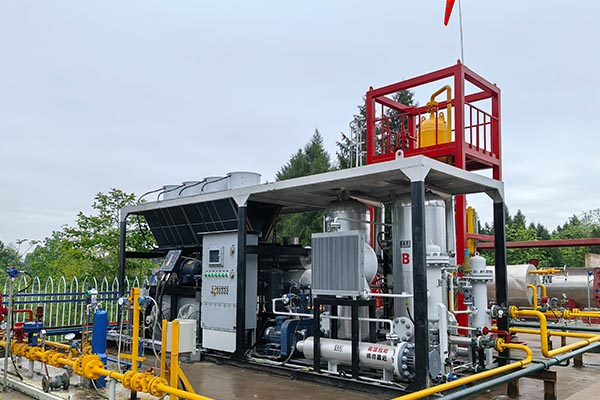
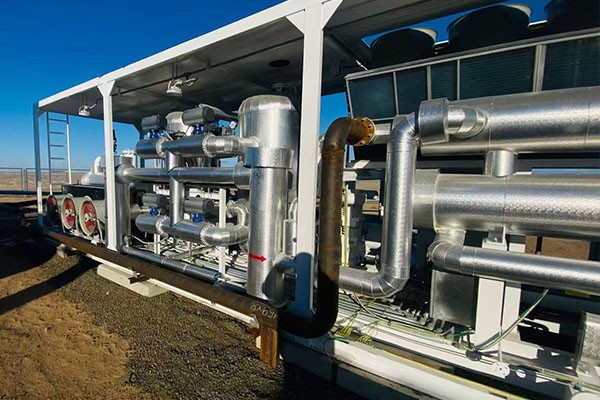
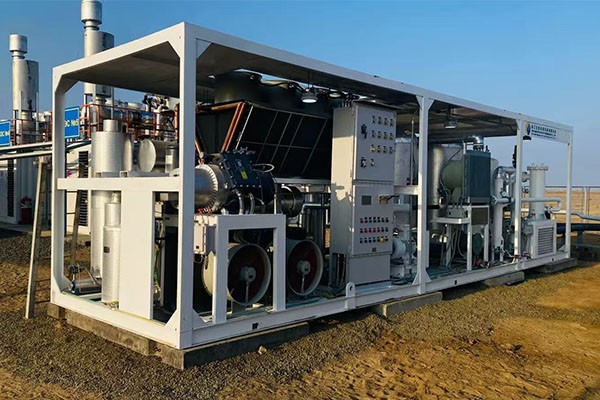
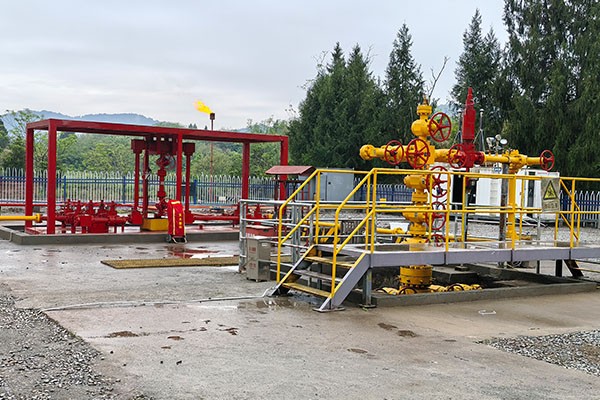
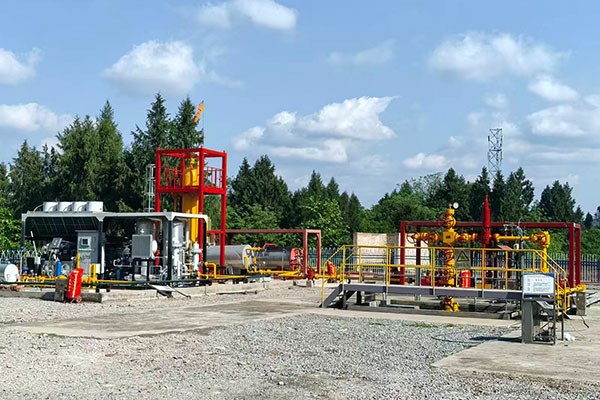
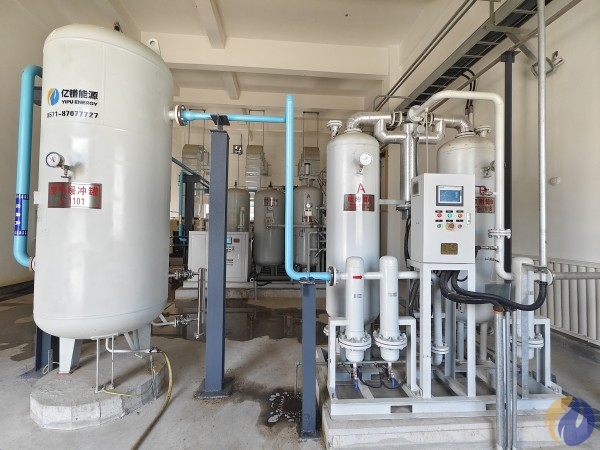
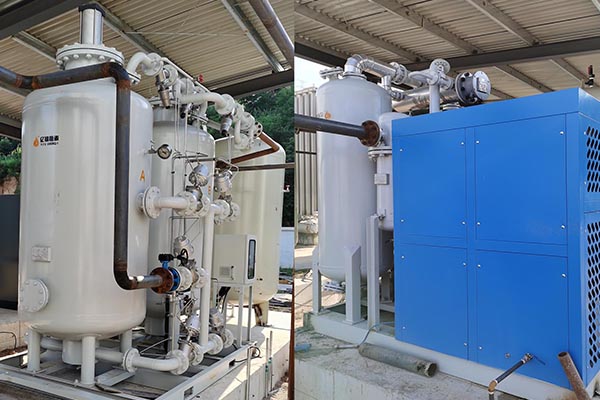
| Parameter | Item Specification Range |
|---|---|
| Working | Medium Natural Gas (Oilfield Wellhead Gas/Shale Gas/Associated Gas) |
| Rated | Working Pressure 2.0~6.0 MPa |
| Design | Pressure 6.3 MPa |
| Inlet | Temperature ≤35℃ |
| Outlet | Water Dew Point <-60℃ |
| Outlet | Temperature (Evaporator Outlet) ≤-25℃ |
| Maximum | Outlet Particle Diameter ≤3 μm |
| Inlet | and Outlet Pressure Drop ≤0.08 MPa |
| Regeneration | Method Isobaric Semi-open Countercurrent Heating Regeneration, Zero Emission |
| Cooling | Method Air Cooling |
| Working | Mode Dual-tower Alternating, Continuous Operation |
| Cycle | Working Period 12h (8~16 adjustable) |
| Regeneration | Time ≤10h (adjustable) |
| Explosion-proof | Grade ExdII BT4 |
| Control | Mode PLC Automatic Control (Automatic Switching, Automatic Regeneration) |
| Installation | Method Outdoor Shed with Foundation Installation |
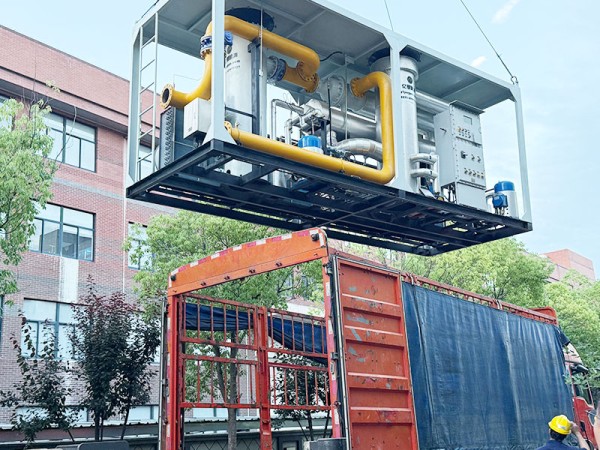
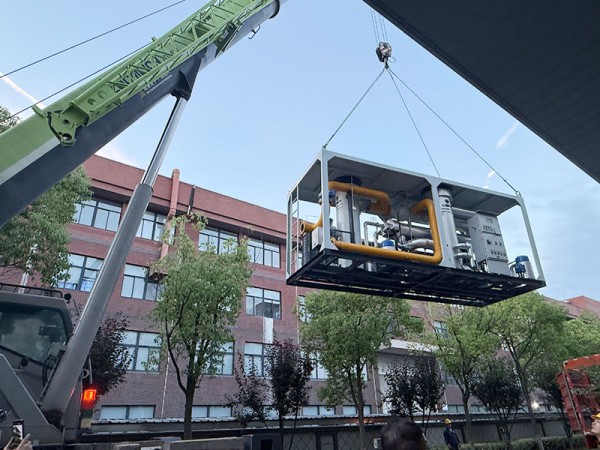
| Structural | Form Integral Skid-mounted |



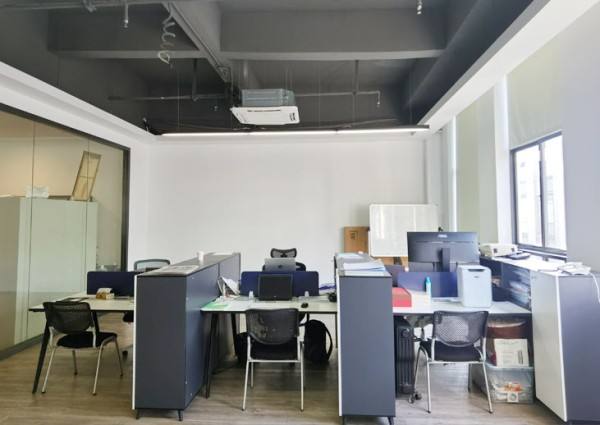


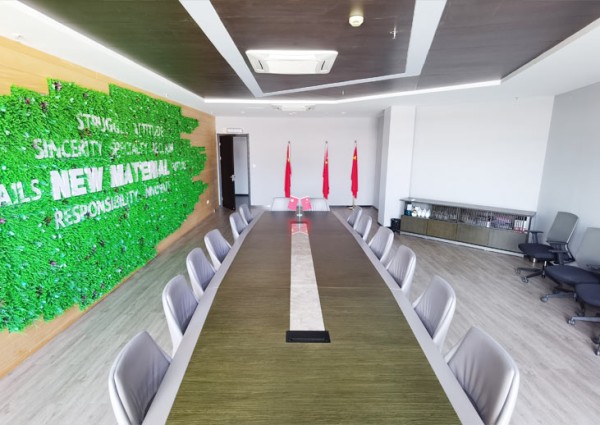
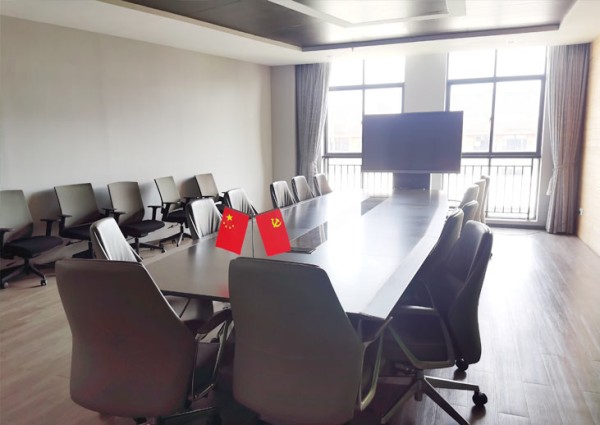

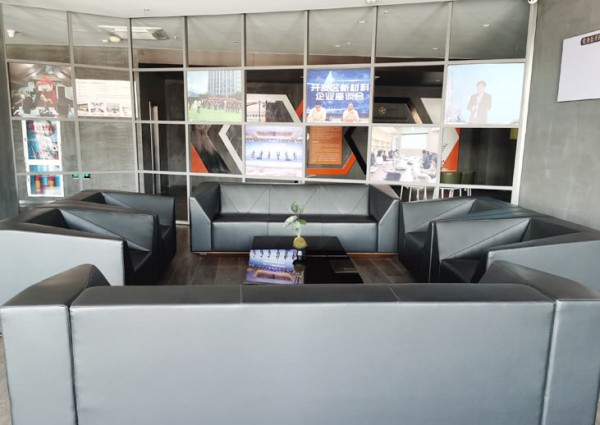


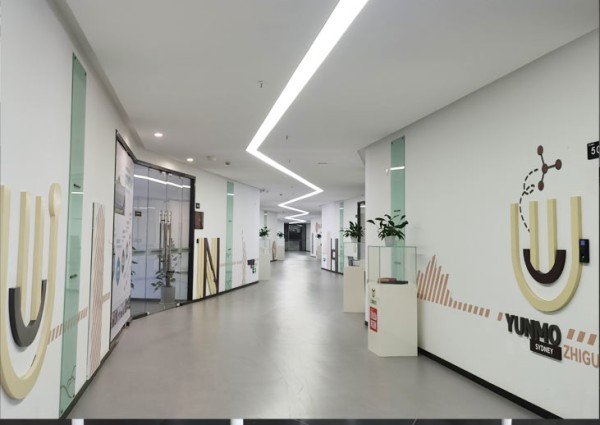

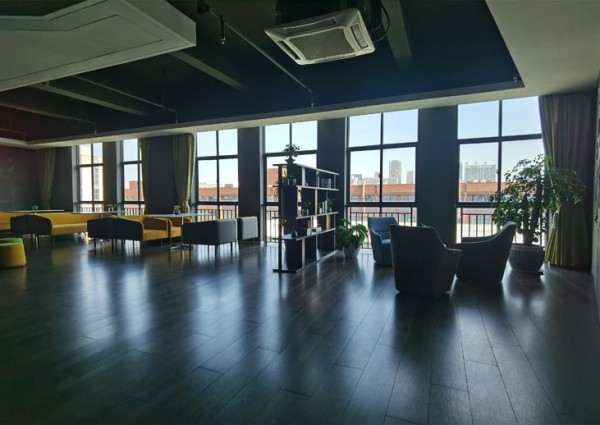

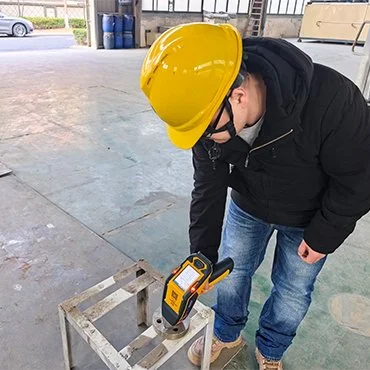
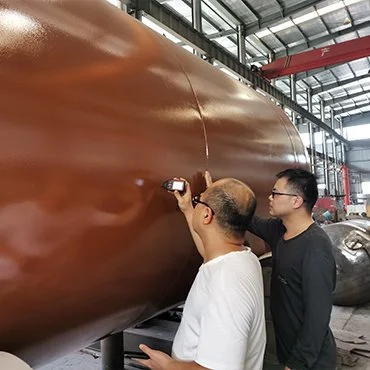
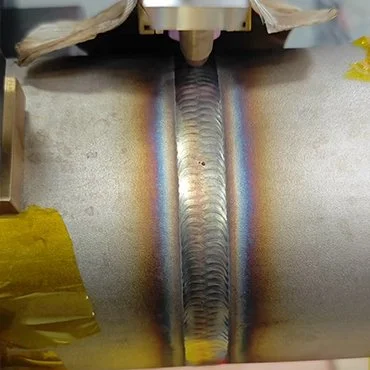
Professional production team, with strict quality control implemented in every production process
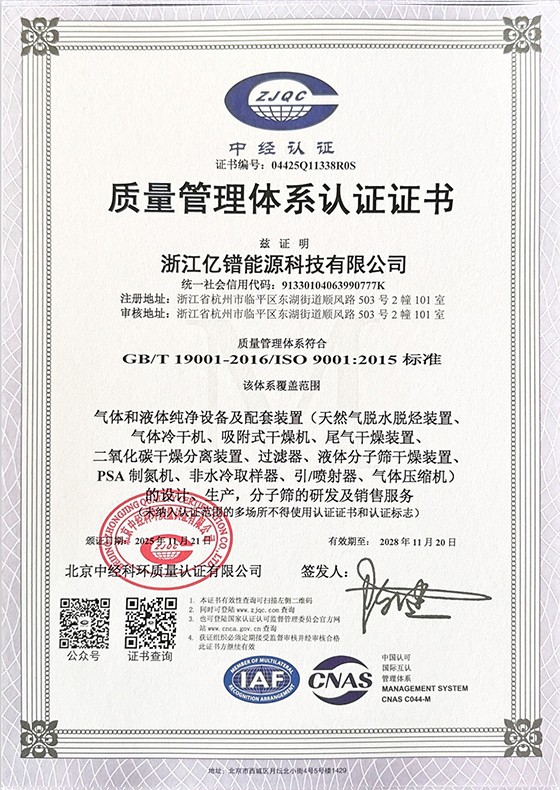
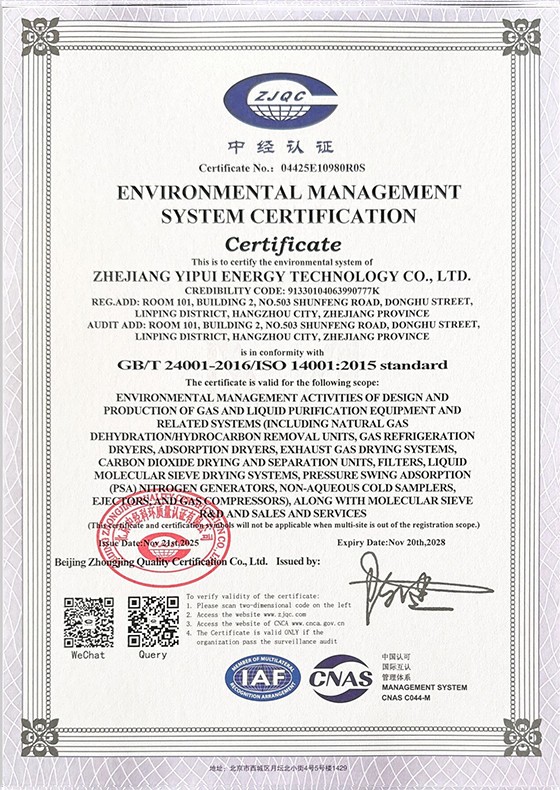
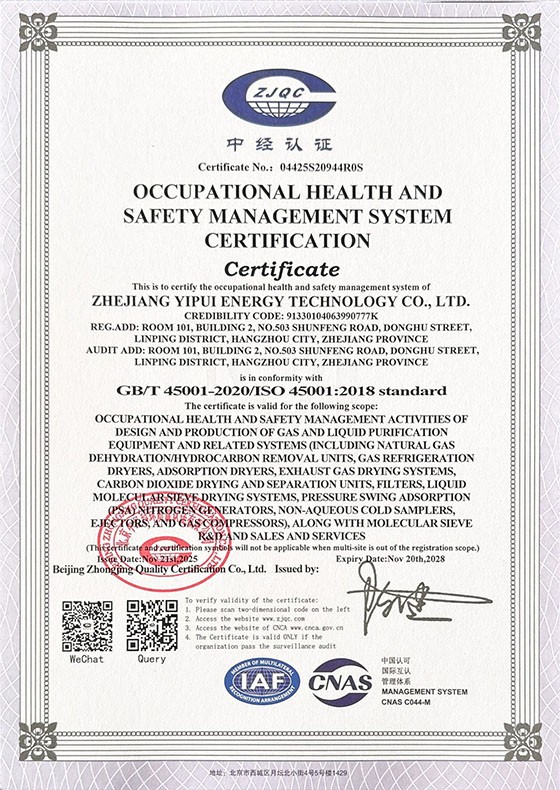
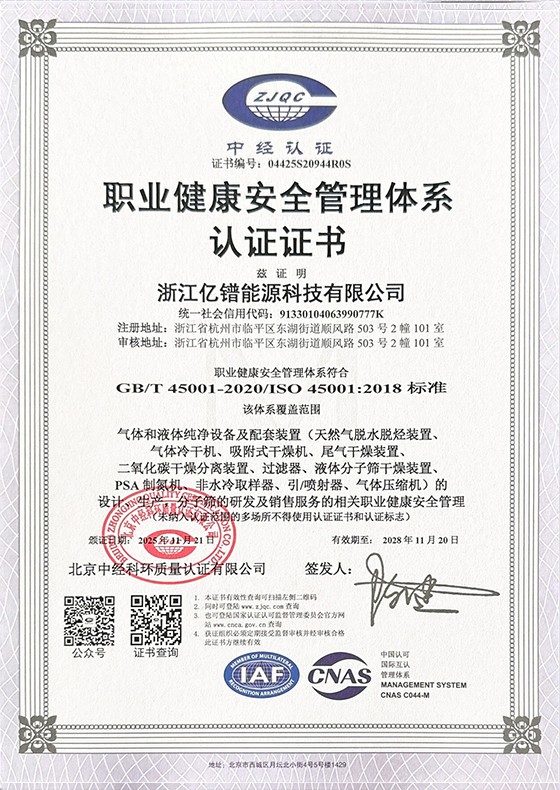
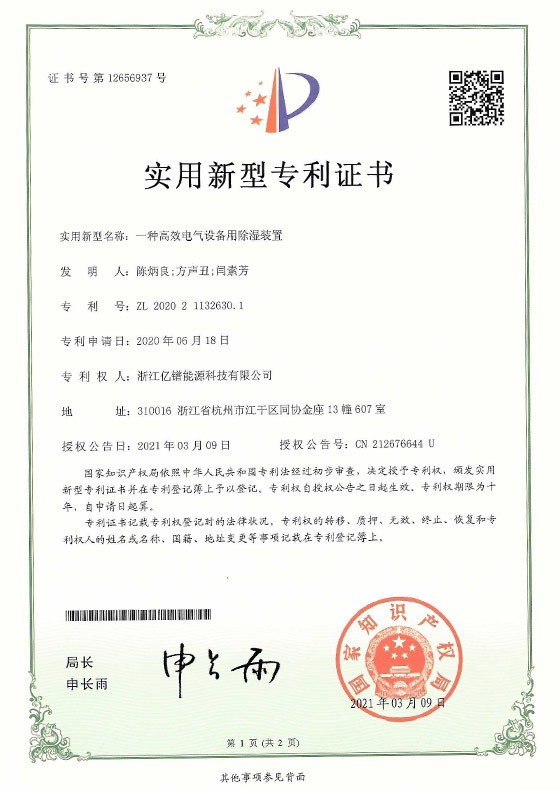
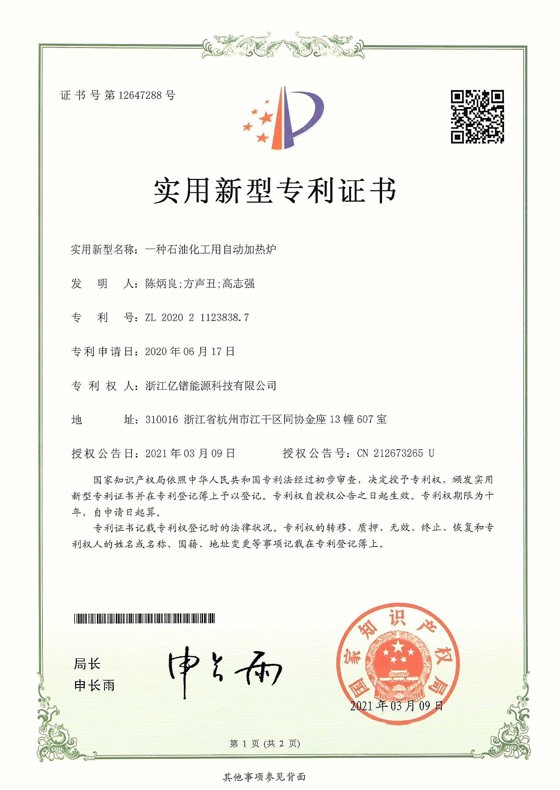
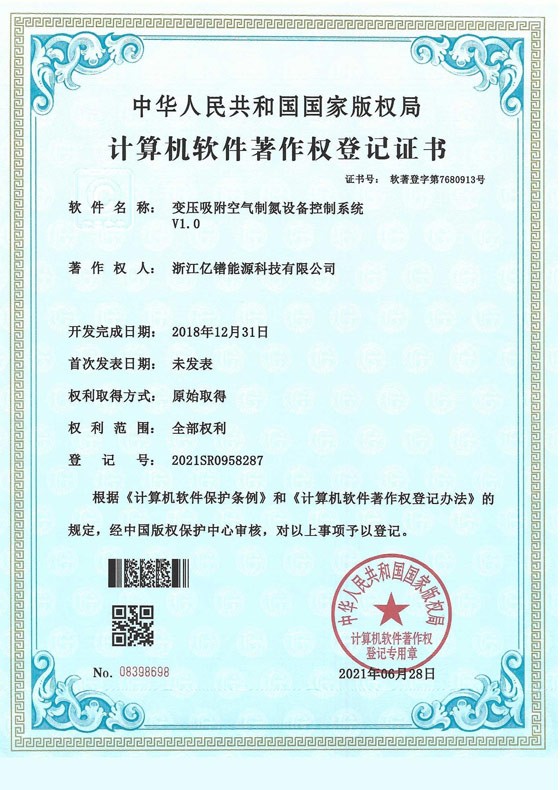
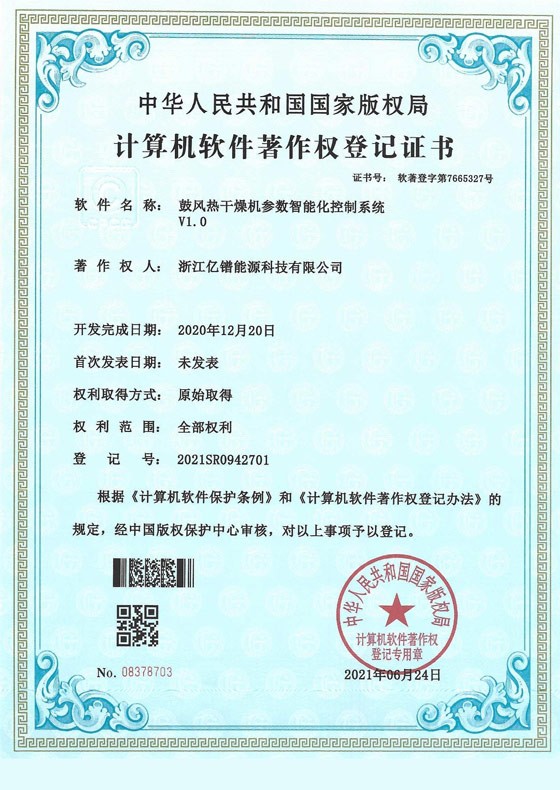
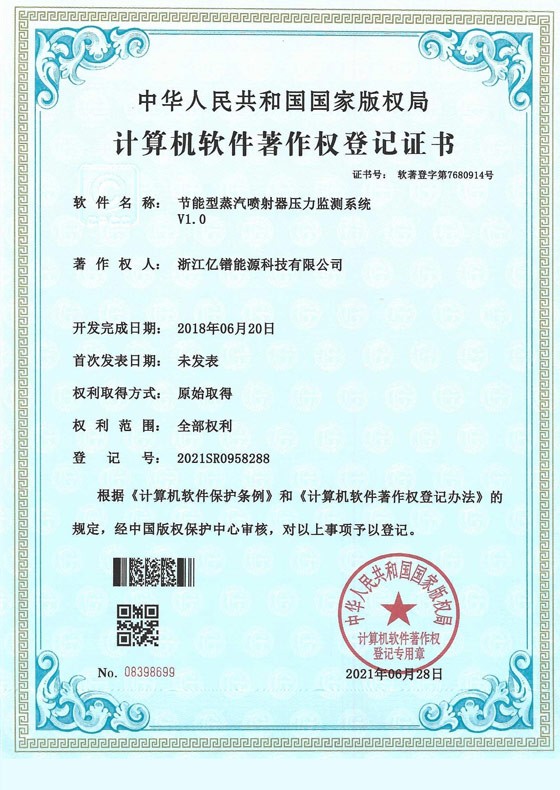
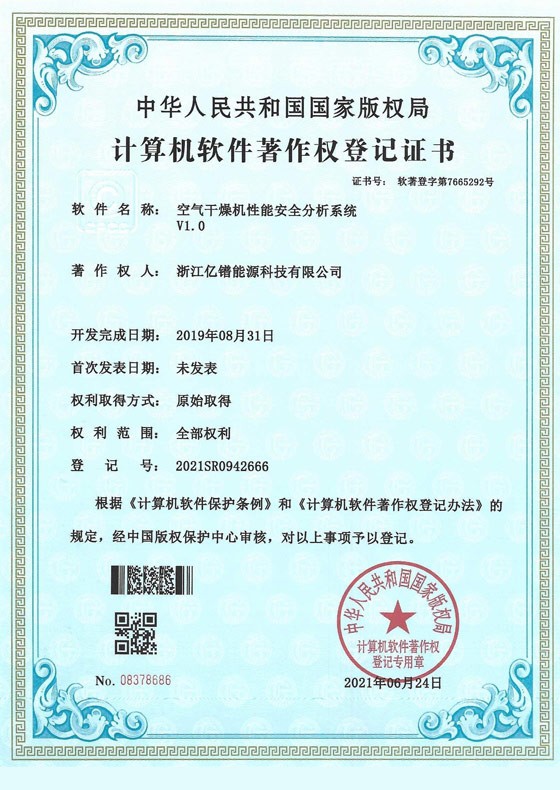
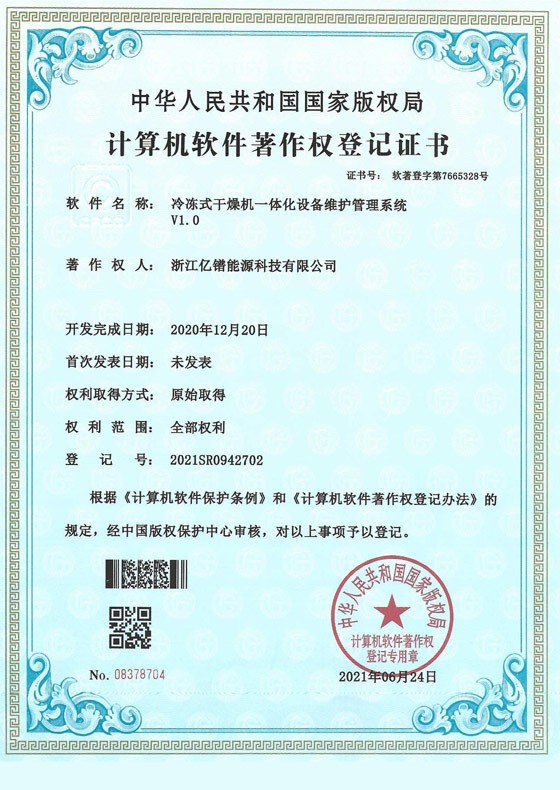
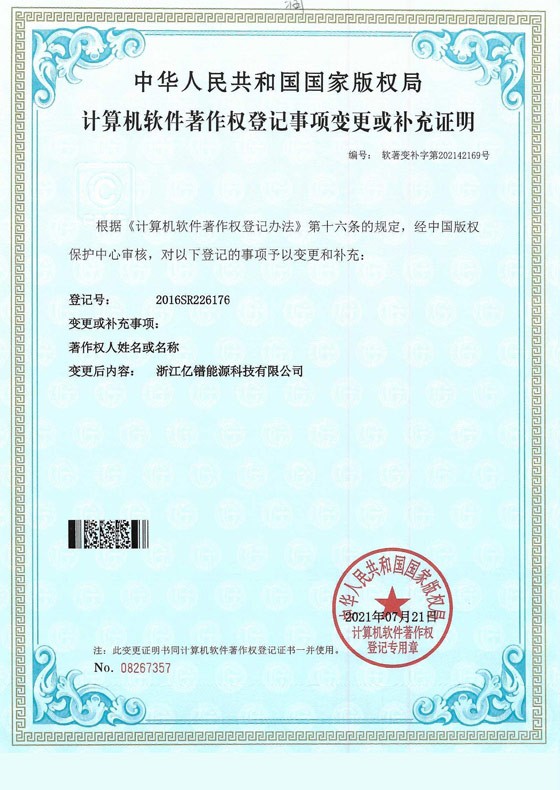
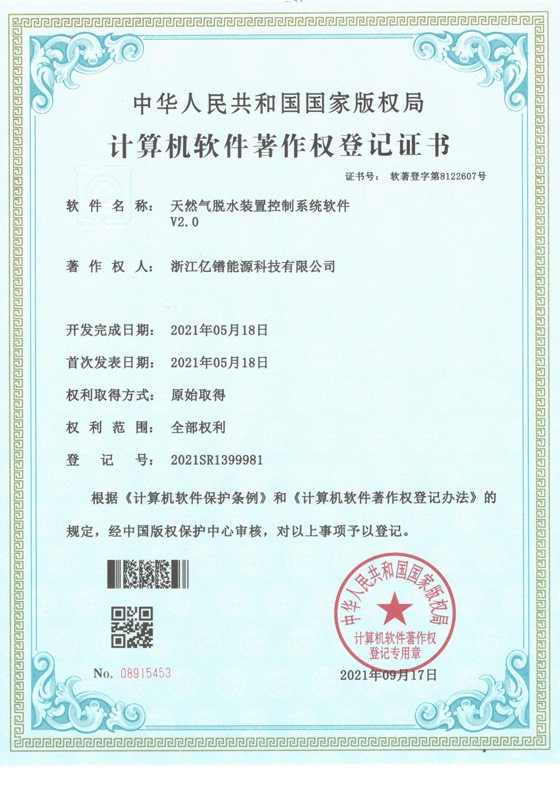
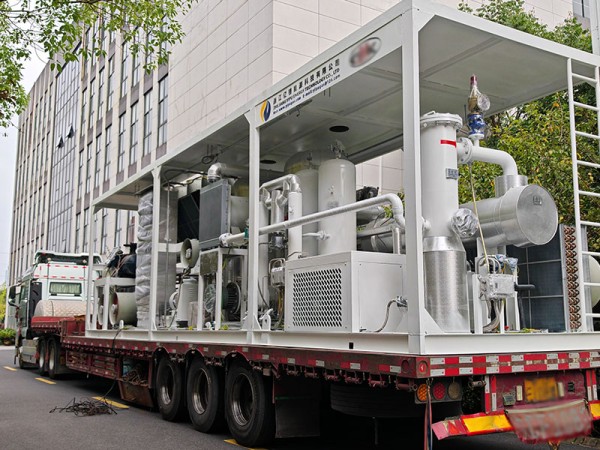
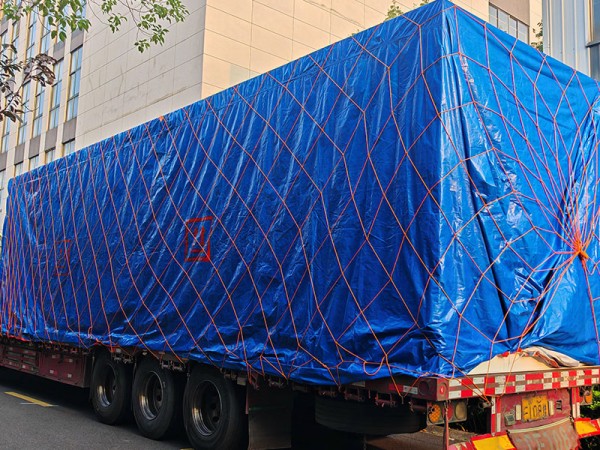
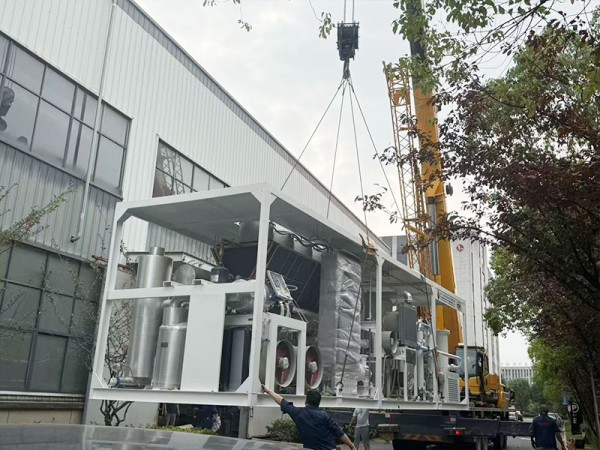
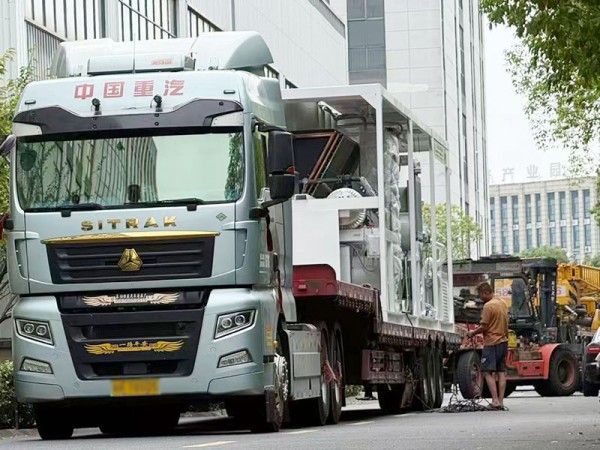
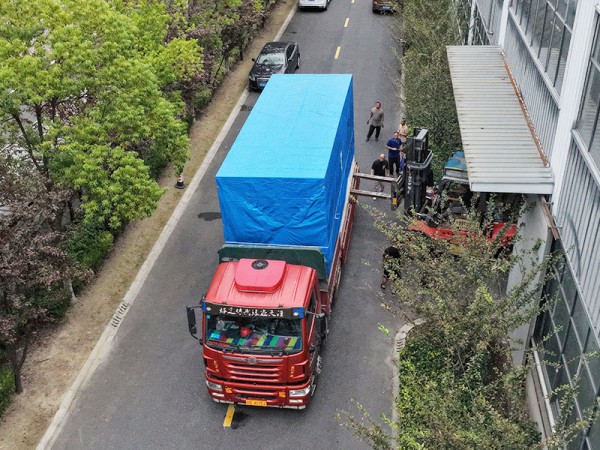
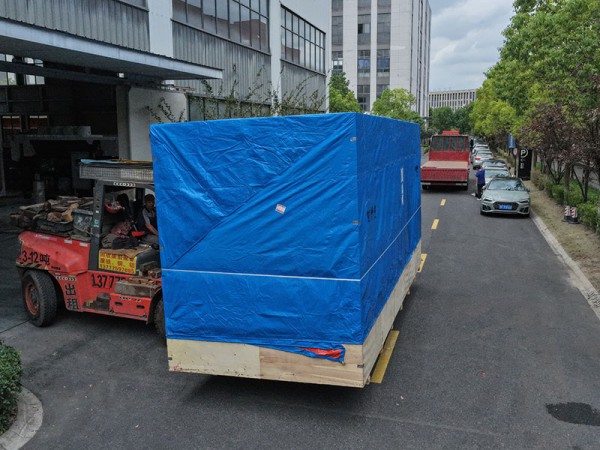
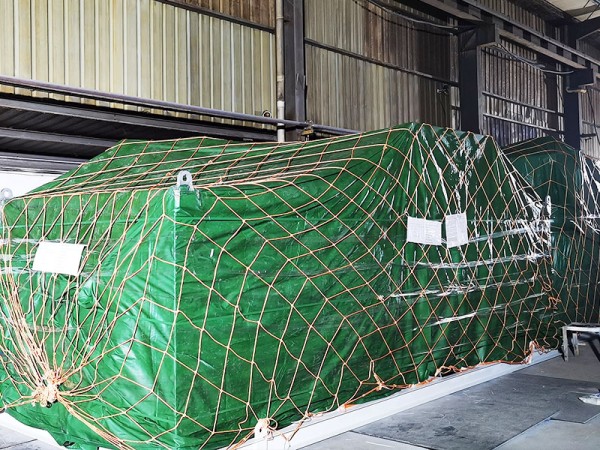
Market pain points In the process of natural gas extraction, processing, and transportation, the pre...
MORE >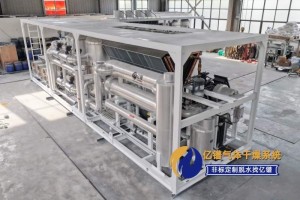
I. Market Pain Points During oil and gas field development, oilfield wellhead gas often contains lar...
MORE >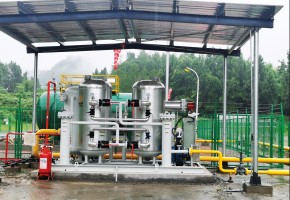
Market pain pointsAs a clean energy source, natural gas faces its greatest hidden risk during ...
MORE >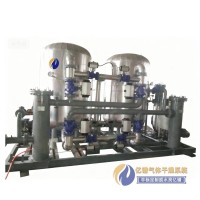
I. Market Pain Points In the process of natural gas extraction, gathering and transportation, and CN...
MORE >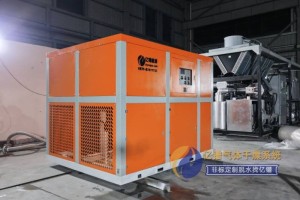
Safe and Worry-Free In the process of biogas energy utilization, moisture removal is a key step to e...
MORE >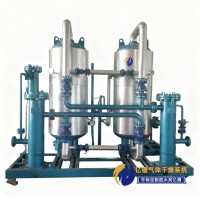
I. Market Pain Points In the extraction, gathering and transportation, and filling station applicati...
MORE >Some Customers






We are very impressed with Yipu. The company not only guarantees equipment quality, but the entire transaction process is also very worry-free and smooth.

Our previous system had serious pressure fluctuation problems. After replacing this set of equipment, it runs much more smoothly. Moreover, the team also customized and developed control logic for our on-site working conditions, saving us a lot of troubleshooting time.

At first I was worried about the installation and commissioning of the equipment, but Yipu's after-sales team provided us with step-by-step guidance. The equipment started up and was put into use smoothly, and since then our maintenance workload has been significantly reduced.
Xiaoxu Group Site Customer Acquisition focuses on network customer acquisition pipeline construction, always adhering to the values of "Do what you say, simple and trustworthy", striving to become the first brand in internet marketing execution, insisting on content as the center, through group sites + media account groups + short video groups to clearly tell enterprises: Who am I? Who really needs it? Why should they buy from you instead of from the neighbor? Always adhering to the marketing co