

Industry Pain Points

System Overview

System Overview

Solutions

IndicatorsYipu SystemTraditional Refrigeration DehydrationChemical desiccant
Dew point-40℃ (customizable to -60℃)-20℃-15℃ (requires frequent replacement)
Energy consumption0.1kWh/m³ biogas0.25kWh/m³ biogasNo power consumption, but high chemical cost
Methane loss≤0.5%≥2% (condensate carryover)≤1%
O&M costs<0.03 yuan/m³ biogas0.08 yuan/m³ biogas0.12 yuan/m³ biogas
Explosion-proof certificationEx dⅡCT4 (full series)Partial explosion-proofNot applicable

Technical Principle

Core Advantages

Customized on demand

Meets special working conditions

Professional non-standard customization

Customized on demand

Low cost

Cyclic regeneration process

Greatly reduced operating costs

Low cost

Good stability

Dual-tower structure, small pressure fluctuation

Low noise, continuous gas supply

Good stability

Fully automatic operation

Convenient operation and reduced labor

Improved efficiency

Fully automatic operation

High safety

Preset multi-level safety protection measures

Automatic alarm

High safety

Low failure rate

maintaining a low failure rate even after 10,000 hours

Durability with almost no maintenance

Low failure rate

Technical Strength

Leading adsorption dehydration technology

Leading adsorption dehydration technology

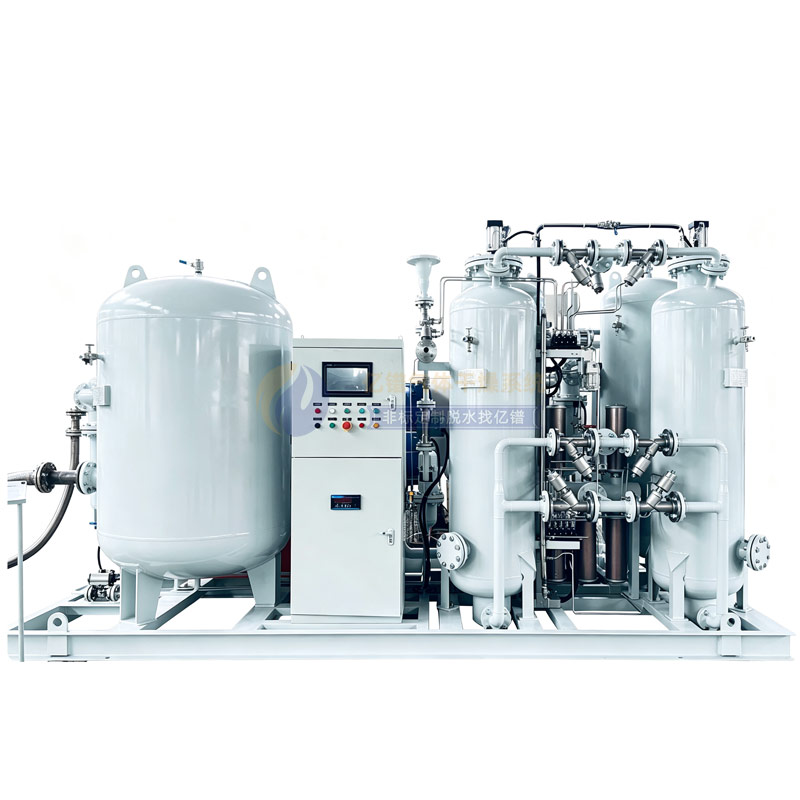
Adopts high-performance molecular sieve adsorbent, with high water absorption capacity and resistance to acid gas (H₂S/CO₂) corrosion, ensuring deep dehydration effect with dew point ≤ -70°C.
Innovative hot nitrogen regeneration process, compared with traditional electric heating regeneration, energy consumption is reduced by 30%, and integrates waste heat recovery system, significantly improving energy efficiency.
Modular and customized design capabilities

Modular and customized design capabilities

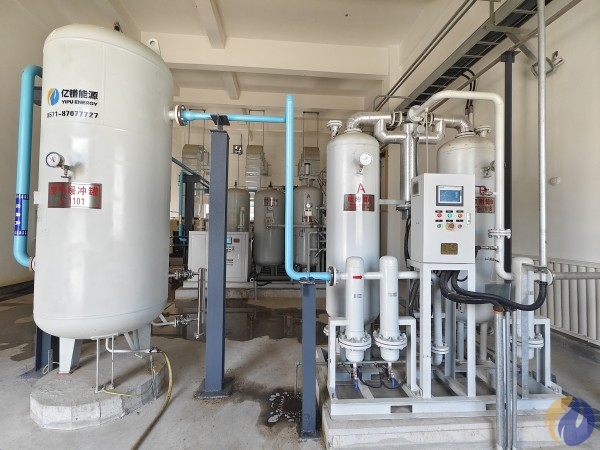
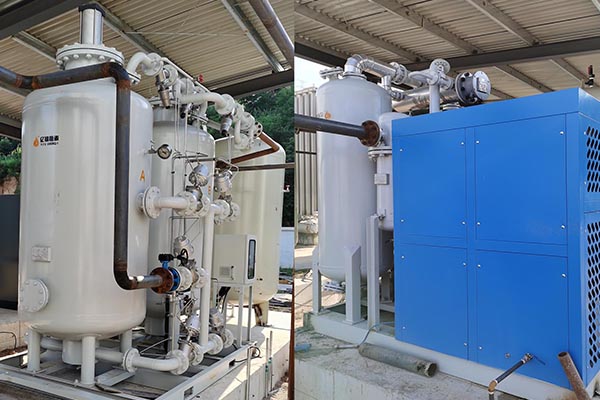
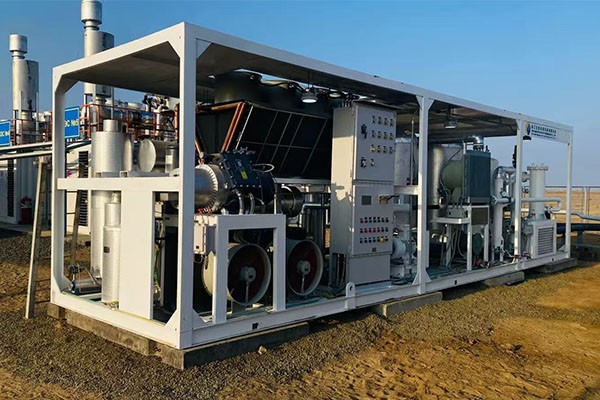
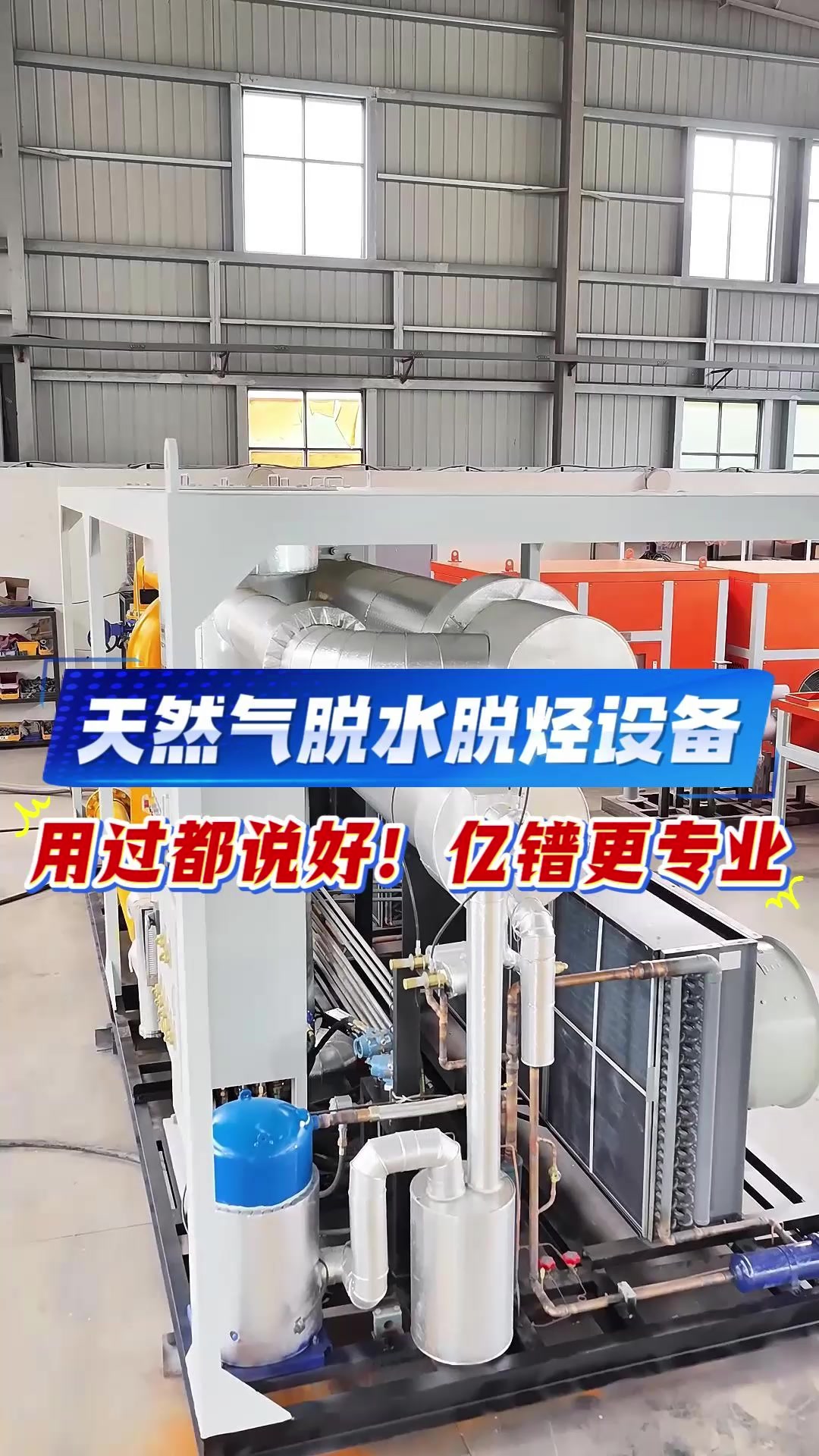
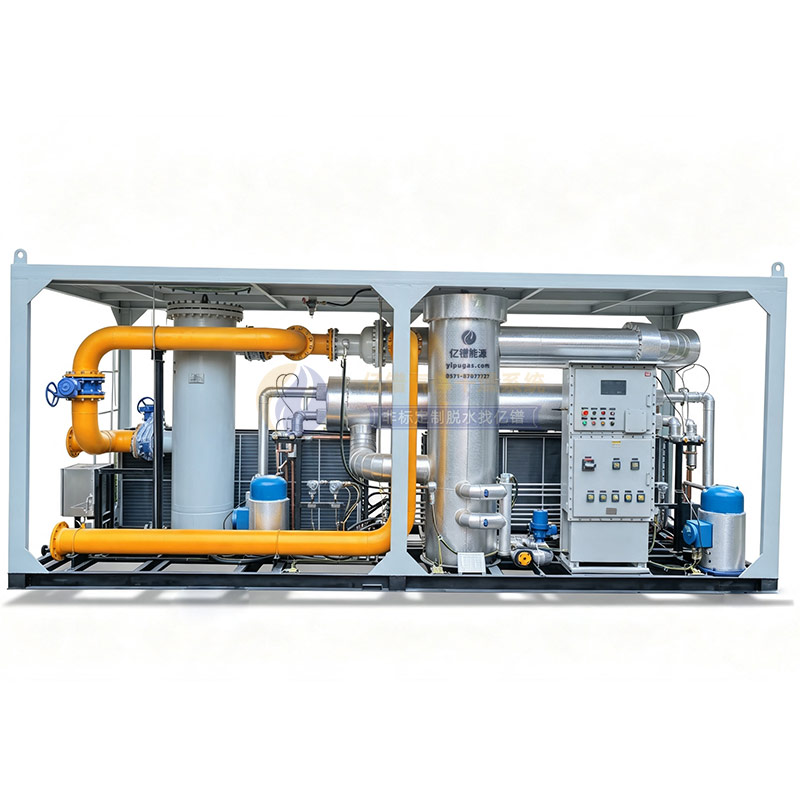
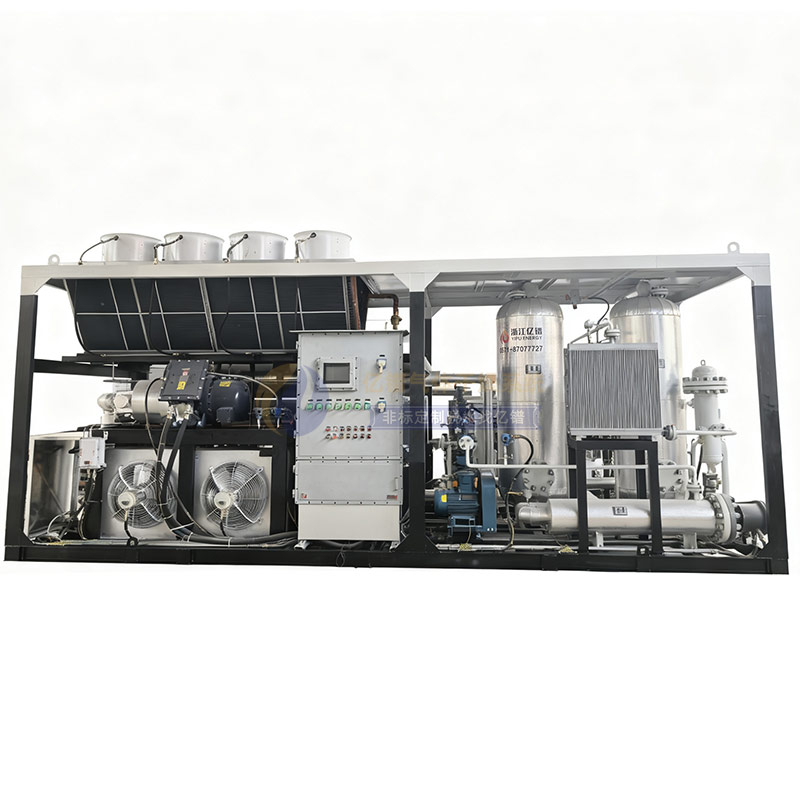
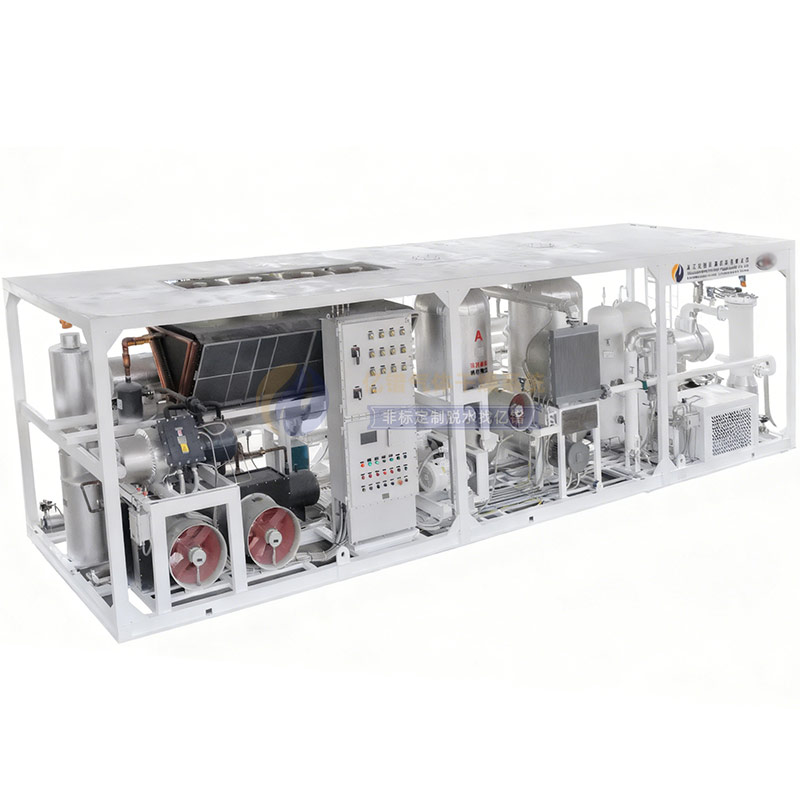
The core equipment adopts modular prefabrication, supporting rapid deployment (installation period shortened by 50%), adapting to diverse scenarios such as offshore platforms, onshore gas fields, and LNG pretreatment.
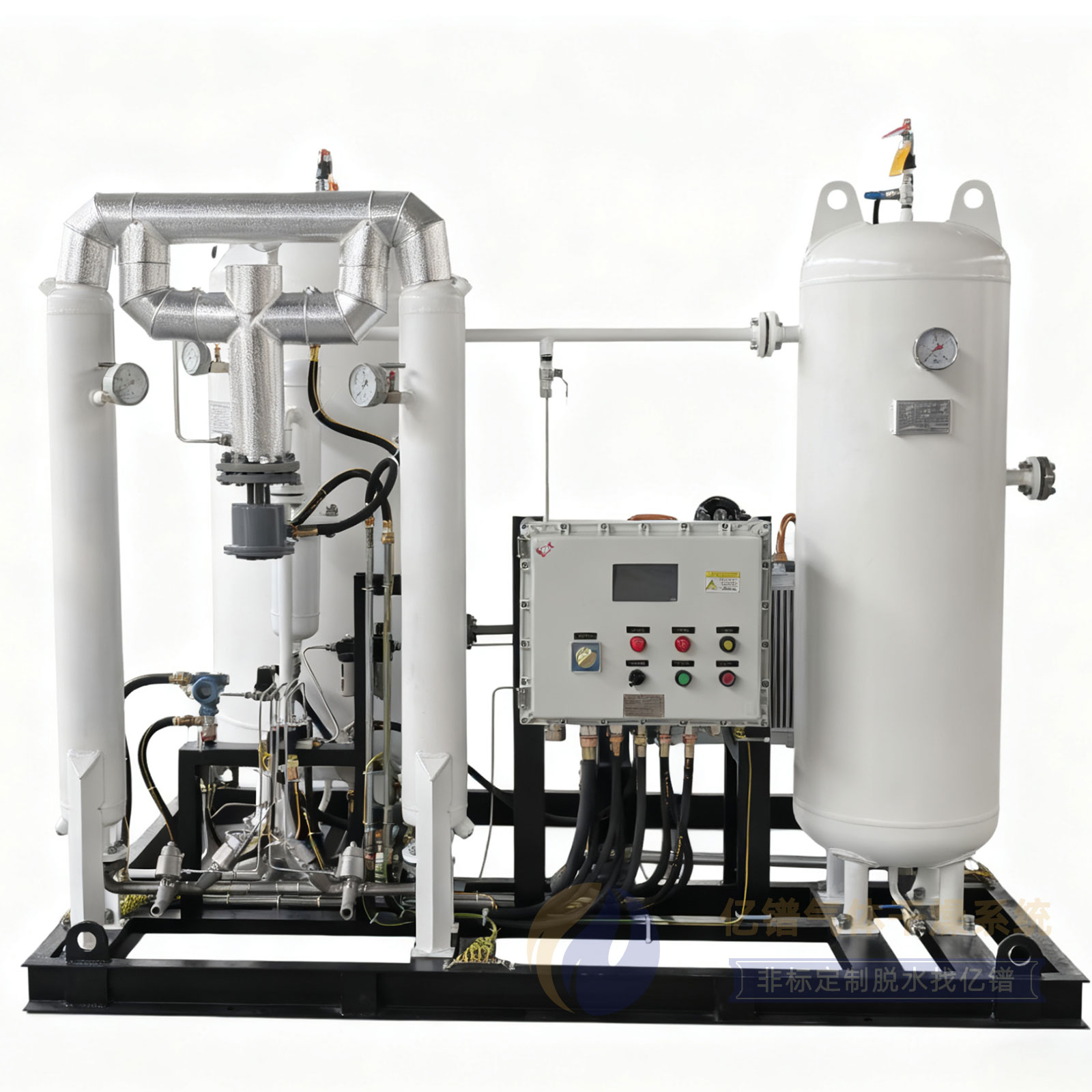
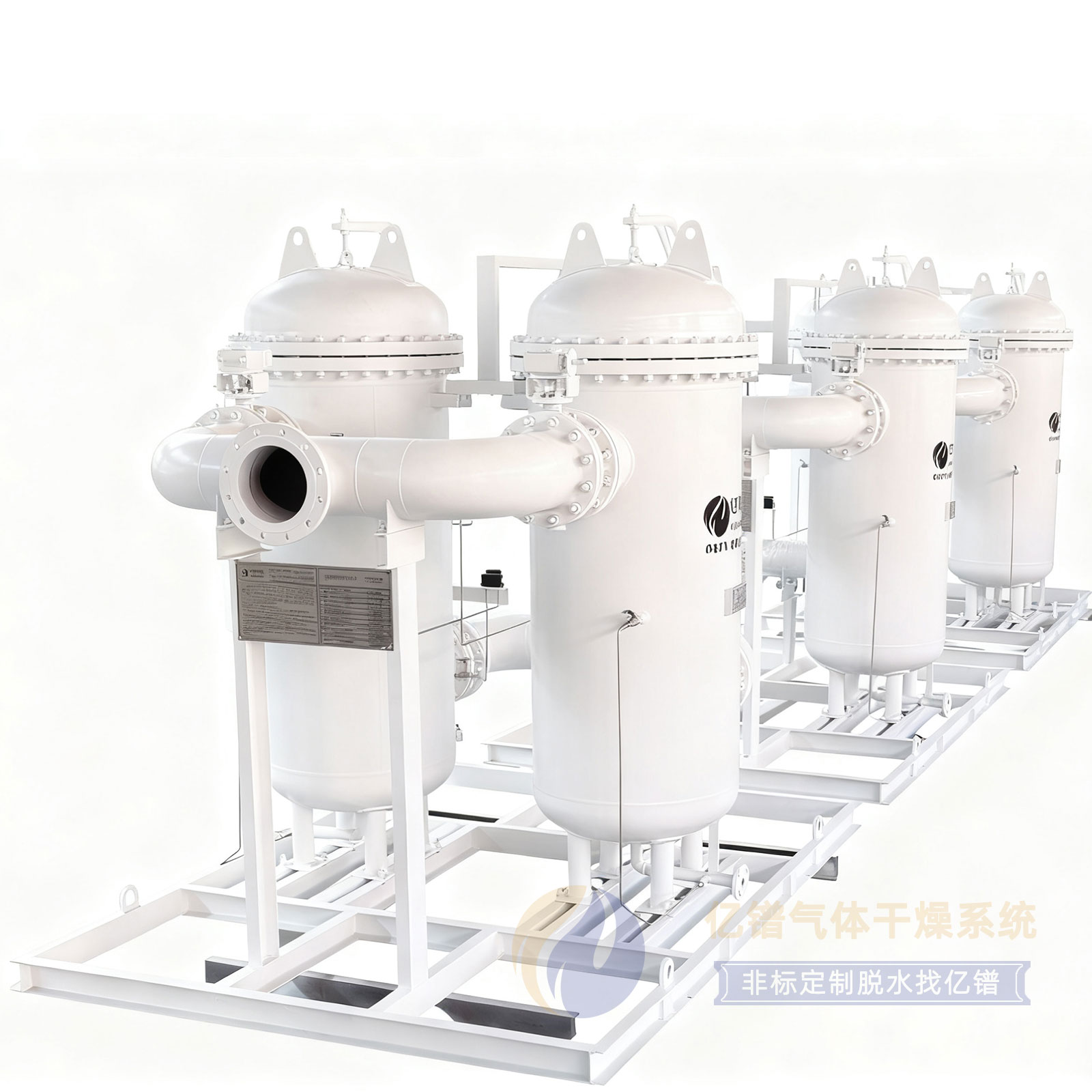
Customizable single-tower, dual-tower, or multi-tower parallel systems according to customer needs, with processing capacity covering 10,000 to 1,000,000 Nm³/d, flexibly matching gas fields of different scales.
Intelligent control and remote operation and maintenance

Intelligent control and remote operation and maintenance

Equipped with PLC+IoT intelligent control system, real-time monitoring of key parameters such as pressure, temperature and dew point, supporting fault warning and automatic adjustment.
Through cloud-based big data analysis, optimize adsorption-regeneration cycles, extend molecular sieve life, and reduce operation and maintenance costs by 10%-15%.
Energy-saving and environmentally friendly technology

Energy-saving and environmentally friendly technology

Zero-emission design for regeneration tail gas, compliant with EU CE, US EPA and other environmental standards.
Energy consumption is reduced by 25%-40% compared with traditional triethylene glycol (TEG) dehydration systems, helping customers achieve carbon reduction goals.
Long-cycle operational reliability

Long-cycle operational reliability

Molecular sieve adopts anti-pulverization coating technology, with a service life of over 5 years, reducing replacement frequency.
Key components (such as valves, instruments) are selected from top international brands (such as Siemens, Emerson), with MTBF (mean time between failures) exceeding 100,000 hours.
Strong R&D and engineering experience

Strong R&D and engineering experience

Possesses 19+ dehydration technology patents and software copyrights, with an R&D team led by PhDs and deep collaboration with universities and colleges.
Over 1,000 successful cases worldwide, covering extreme operating conditions such as high-sulfur gas fields in the Middle East and low-temperature environments in the Arctic.

Advantage Comparison

FAQ

Under standard operating conditions, the complete equipment can stably achieve an outlet dew point of -55℃~-70℃. Actual dew point indicators are affected by inlet gas composition, operating pressure, and inlet temperature; we will optimize them specifically according to the operating conditions during the solution design stage.
When the equipment operates according to specifications and the regeneration process is executed normally, the service life of the molecular sieve packing can reach 2~5 years. Good front-end pretreatment and operation and maintenance strictly in accordance with operating procedures can further extend the service cycle of the packing.
Supported. Dual-tower or multi-tower configurations enable adsorption in one tower while simultaneous regeneration occurs in the other, ensuring 24-hour uninterrupted system operation and continuous, stable gas supply without shutdowns that interrupt production.
Routine maintenance includes filter element replacement, valve condition inspection, regular instrument calibration, and routine overall inspection. The equipped PLC control system has operation monitoring and fault alarm functions, effectively reducing manual maintenance pressure.
Yes. Each unit is specially designed according to actual gas composition, processing flow rate, working pressure, ambient temperature, and site conditions, providing customized dehydration solutions for natural gas, biogas, and various industrial gas scenarios.

Send Inquiry