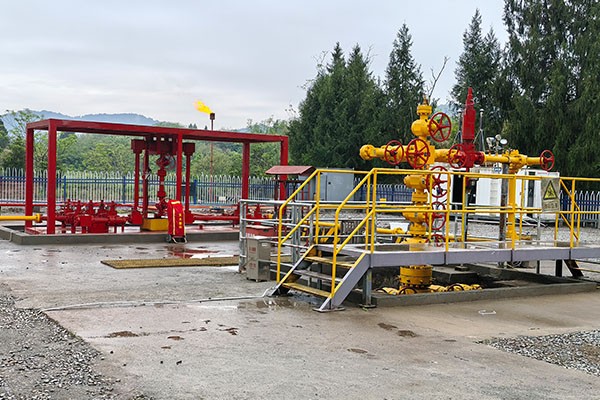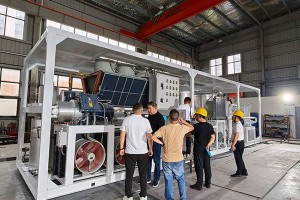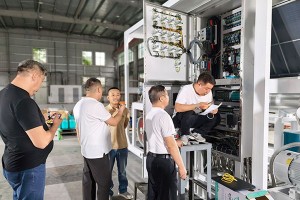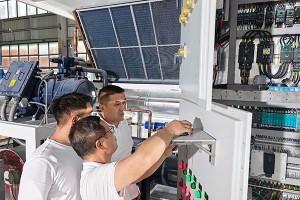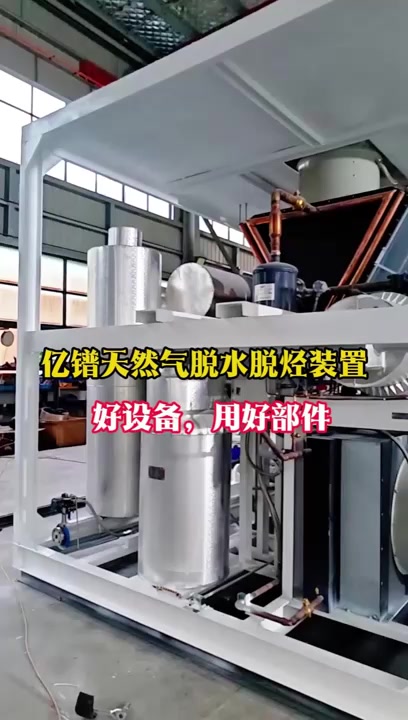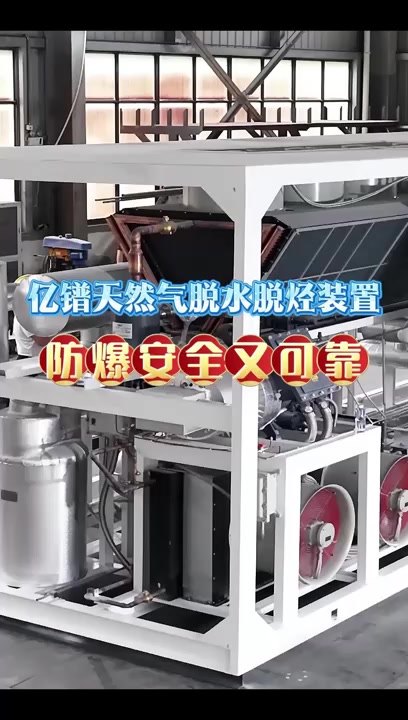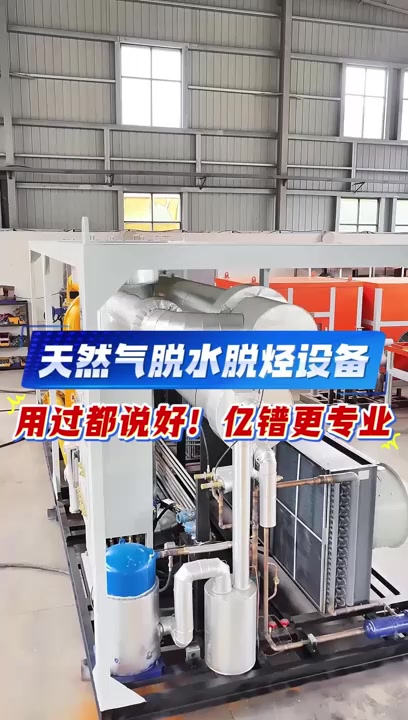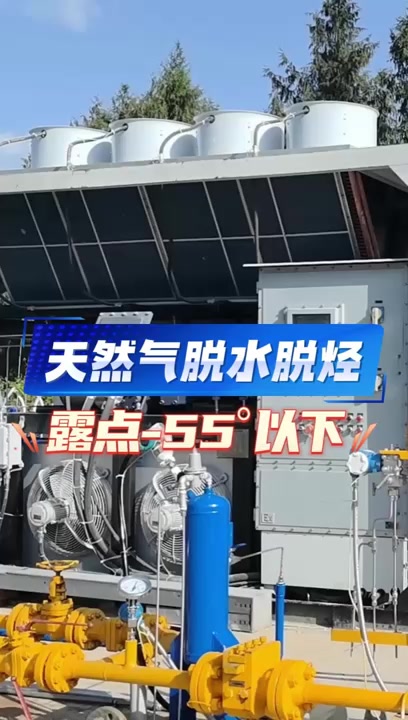

Yipu Natural Gas Dehydration and Dehydrocarbonization Solution

Focusing on Non-Standard Customization for Special Operating Conditions

Get a Quote >

Industry Pain Points

Insufficient dehydration depth, low-temperature systems are prone to freezing blockage and corrosion
The water dew point of traditional triethylene glycol and simple condensation processes can only reach -20~-40℃, which cannot meet the deep dehydration requirements prior to low-temperature dehydrocarbonization; saturated water in associated gas is not completely removed, and hydrates are easily formed during refrigeration and transmission, causing freezing and blockage of pipelines and evaporators, leading to equipment corrosion and unplanned shutdowns, with a heavy workload for on-site unblocking and maintenance.
High regeneration loss, resource waste, high environmental pressure
Conventional molecular sieve dehydration mostly uses open-loop regeneration, with large amounts of finished natural gas directly vented, flared, or emitted, which not only causes loss of natural gas resources but also brings VOCs emissions; on-site venting and ignition pose safety hazards, and operational economy is poor.
Poor adaptability to low-pressure conditions, dehydration and dehydrocarbonization systems are separated
The pressure of low-pressure associated gas is only 0.2-0.3MPa; J-T throttling refrigeration relies on pressure energy, and sufficient low temperature cannot be achieved under low-pressure conditions; most equipment on the market uses two independent units for dehydration and dehydrocarbonization, resulting in long processes, numerous equipment items, large footprint, high investment cost, and low skid-mounted integration, making it unsuitable for relocation and use at oilfield well sites.
Low degree of automation, complex operation and maintenance, short molecular sieve life
Traditional equipment requires much manual operation, with valve switching and regeneration processes relying on manual labor; gas flow impact causes molecular sieve breakage and pulverization, requiring frequent replacement of adsorbent; lack of complete protection interlock, heater prone to dry burning, motor overload damage, high technical skill requirements for on-site operators, and difficult operation and maintenance in remote oilfields.

System Overview

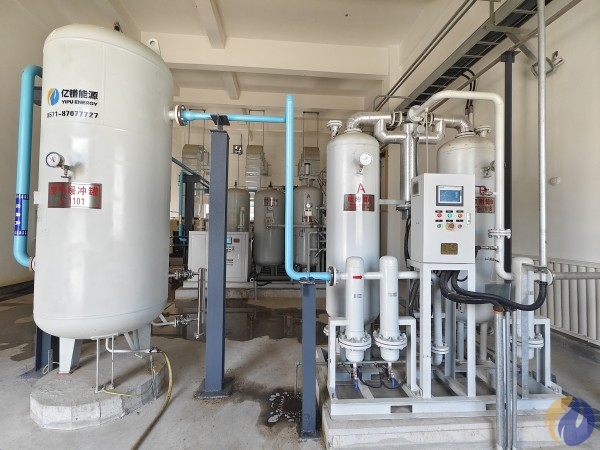
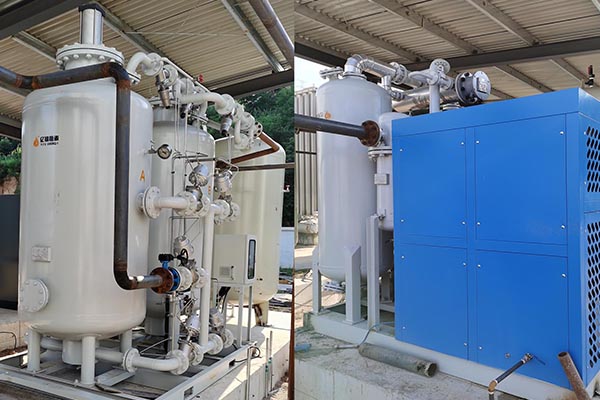
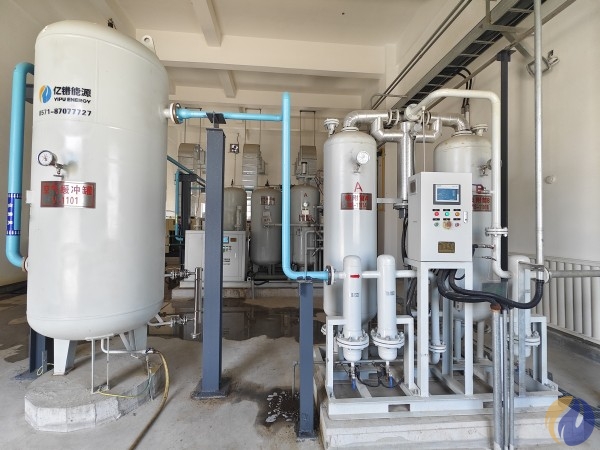
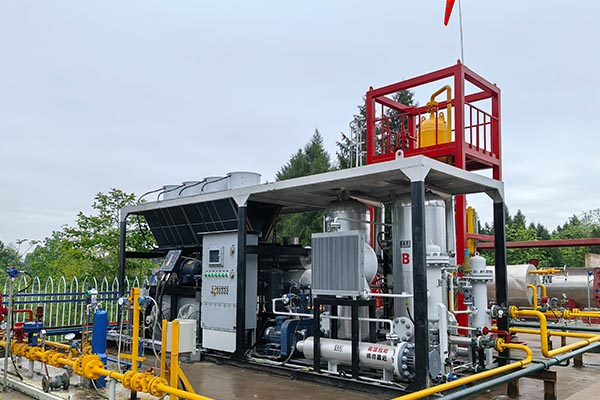
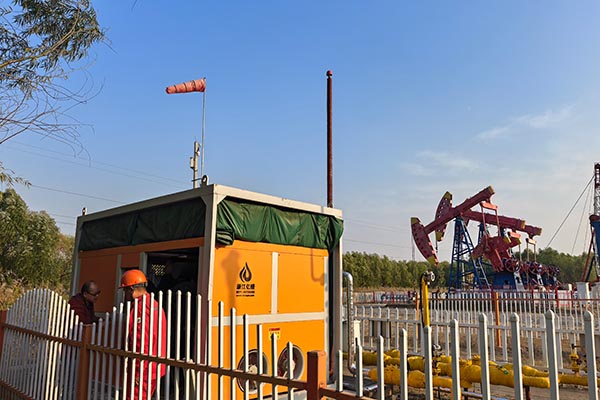
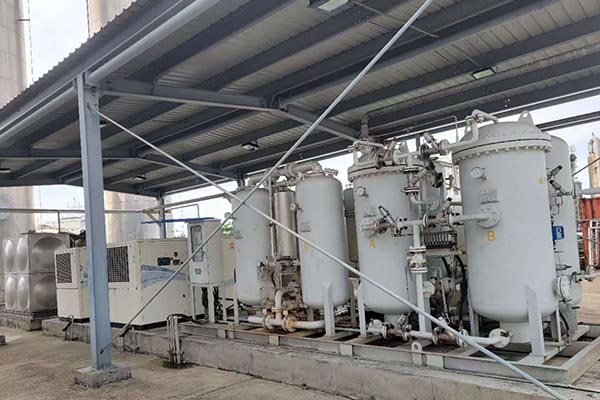
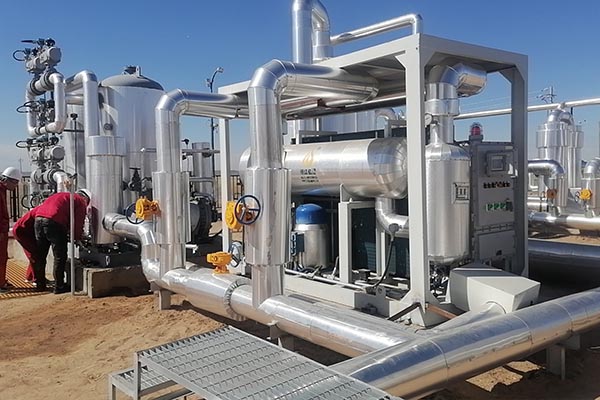
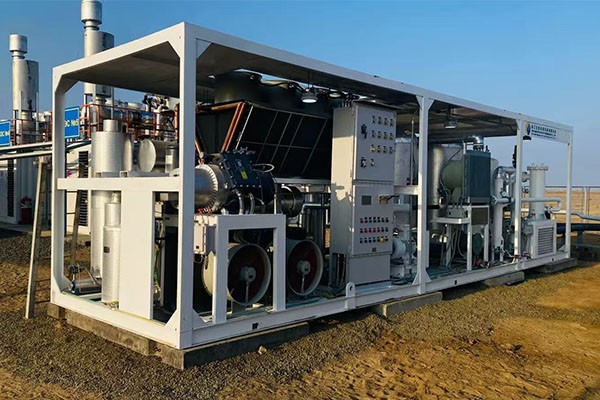
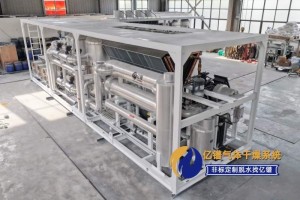
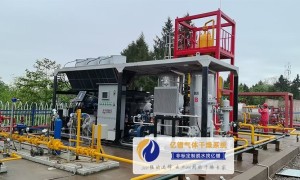
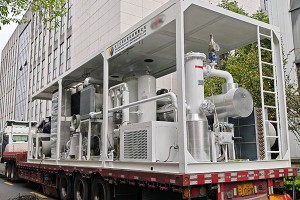
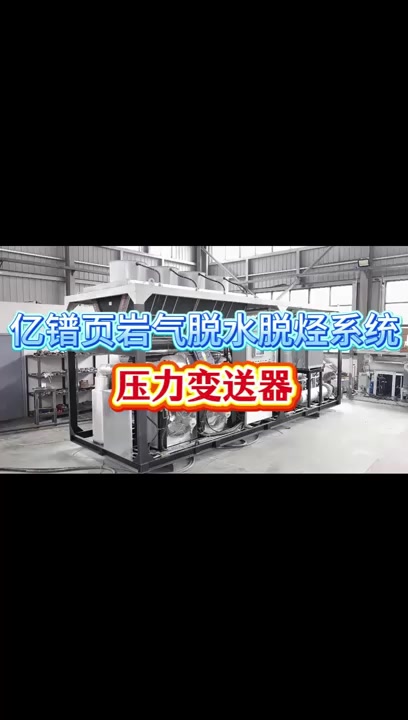
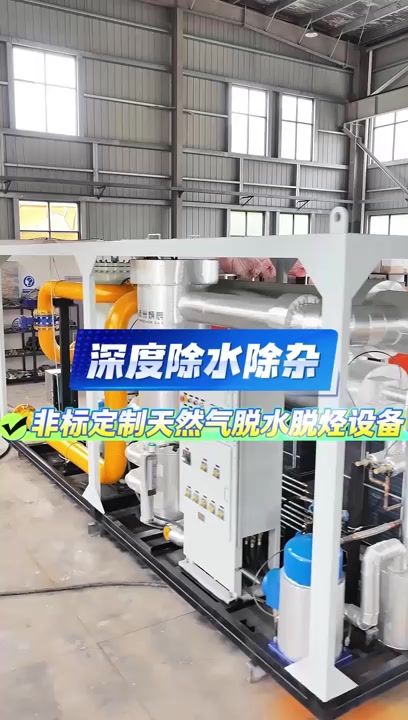
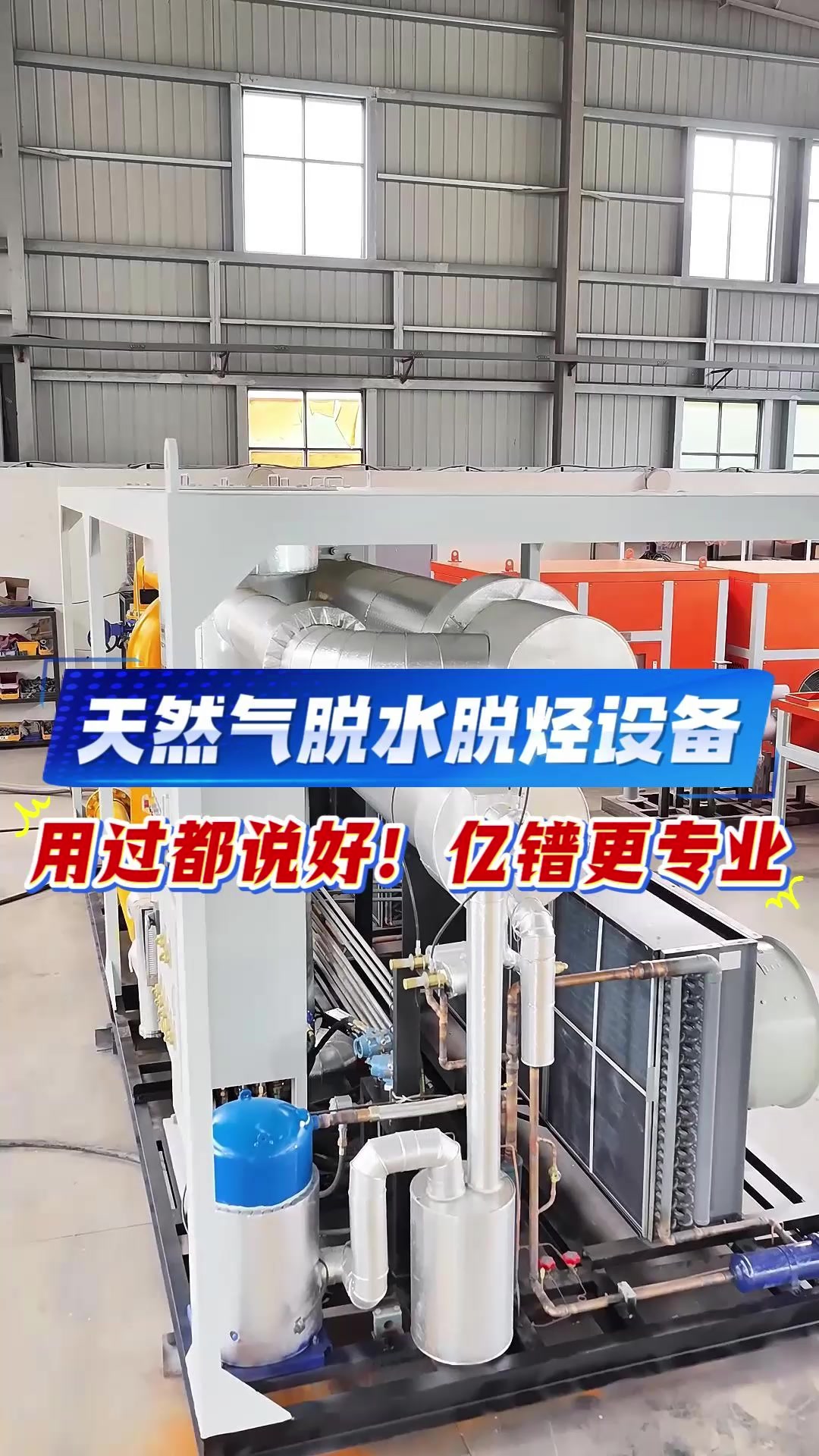
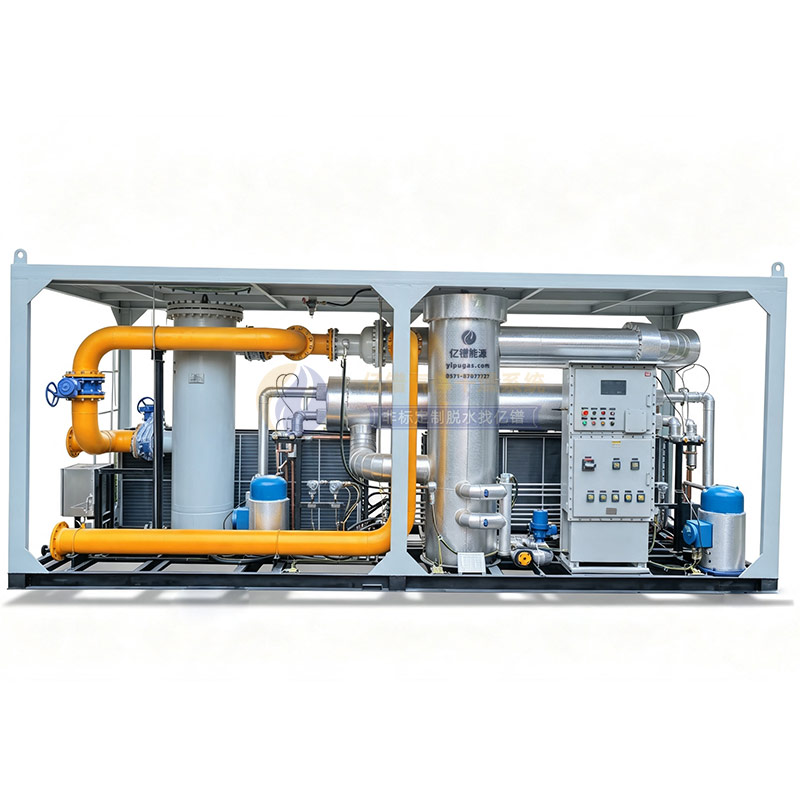
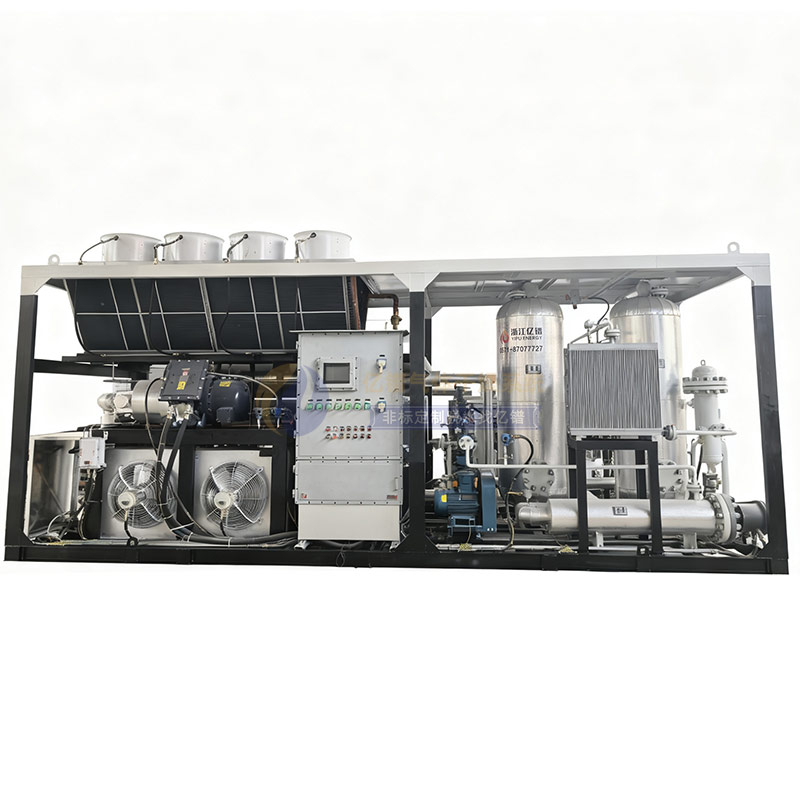
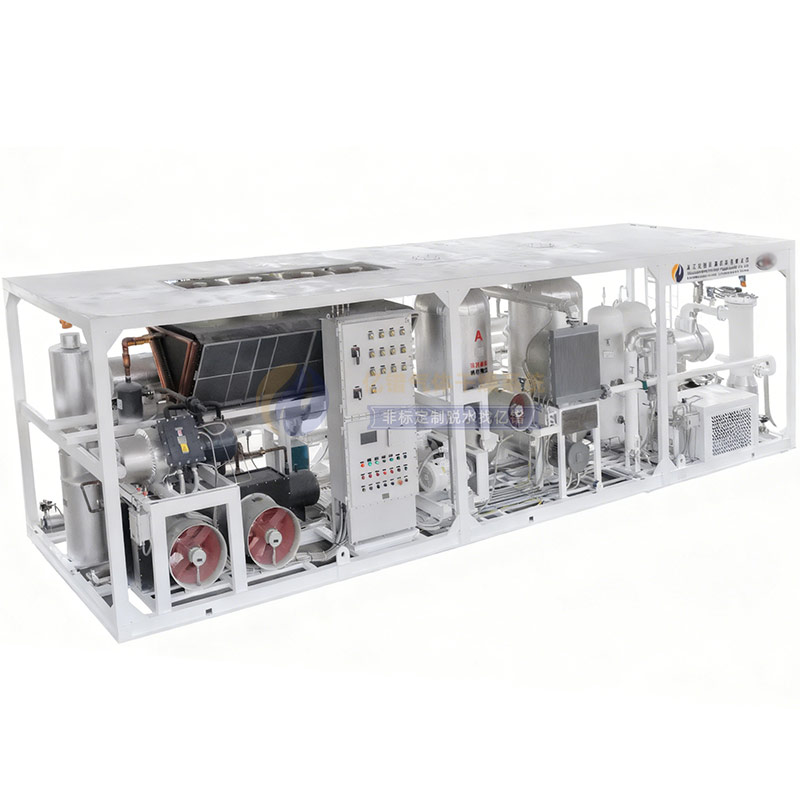
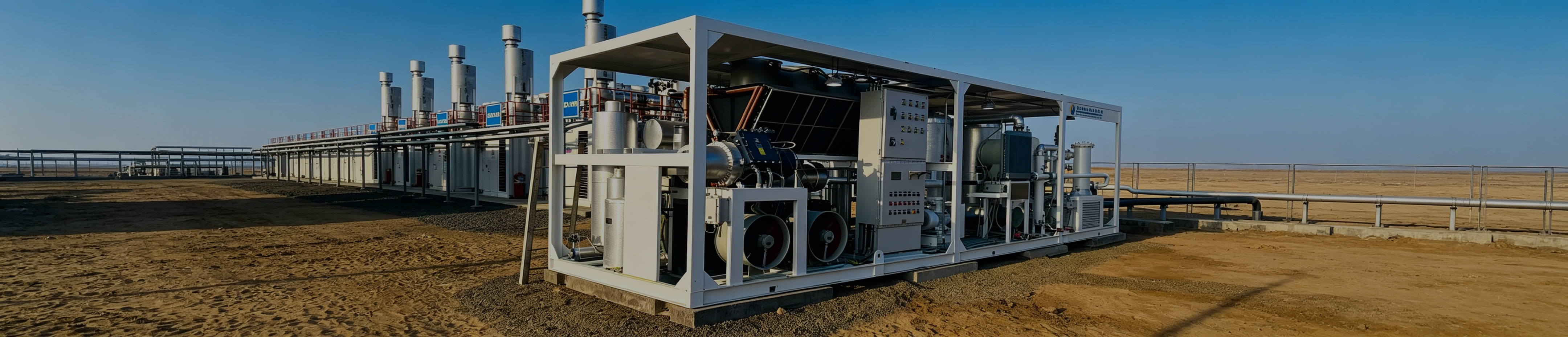
Skid-mounted dehydration and dehydrocarbonization unit for natural gas and oilfield associated gas, developed for 0.2-0.3MPa low-pressure oilfield associated gas, with a rated processing gas capacity of 2500Nm³/h, fully integrated skid-mounted design, integrating pre-separation, molecular sieve deep dehydration, refrigeration condensation dehydrocarbonization, automatic regeneration and control system.

The raw associated gas is first filtered and pre-separated to remove free water and solid impurities; it is pre-cooled to 20-30℃ in the pre-heater for initial dehydration; it enters the dual-tower molecular sieve adsorption system for deep dehydration, with outlet gas dew point ≤-60℃; the dried natural gas enters the refrigeration unit and is cooled to -10℃, and mixed hydrocarbons are recovered through three-stage gas-liquid separation; the entire unit achieves continuous gas supply and fully automatic operation.

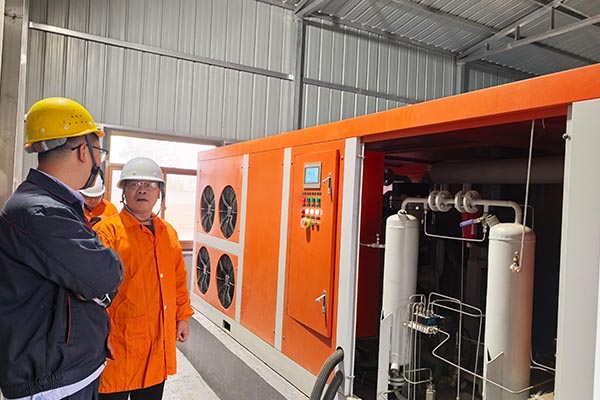
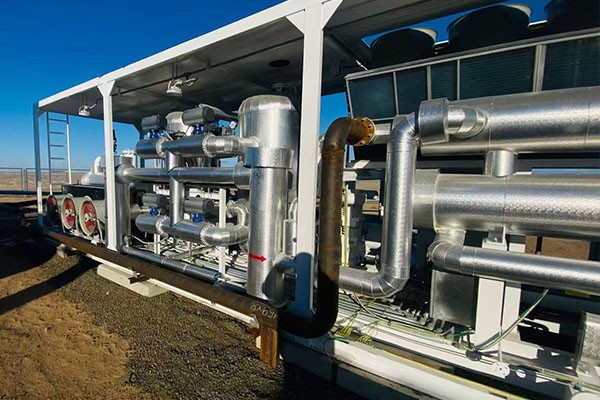
The unit adopts Siemens SMART-200 PLC automatic control and is equipped with complete temperature, pressure and overload interlock protection; skid-mounted structure, with equipment, piping and wiring all integrated into the skid, requiring only connection of process nozzles and power supply on site, greatly shortening the installation and commissioning cycle; it can adapt to a wide range of field environments from -39℃ to 47℃ and meets the explosion-proof requirements of oilfields (ExdⅡBT4), outputting qualified dry gas for export while recovering mixed hydrocarbon products, realizing resource utilization of associated gas.

Core Design Indicators

ProjectParameters
Processing Scale500~20000Nm³/h
Working pressure0. 2‑0. 3MPa, Design pressure 0. 6MPa
Dew Point after Dehydration≤‑60℃
Evaporator outlet temperature≤‑10℃
Total power consumption≤185kW
Regeneration methodzero emission

Solutions

Aiming at the pain points of water content and excessive heavy hydrocarbons in low-pressure associated gas in oilfields, adopts an integrated skid-mounted solution of pre-separation + molecular sieve dual-tower adsorption dehydration + refrigeration and freezing heavy hydrocarbon removal + isobaric semi-open zero-emission regeneration
SolutionsKey points
Multi-stage pretreatment protects the adsorption unitAdopts collision + centrifugal + wire mesh demisting three-stage separation to remove free water, condensate, and solid impurities; utilizes cold energy after dehydrocarbonization to pre-cool inlet gas, energy recovery, reducing refrigeration unit load and protecting molecular sieve.
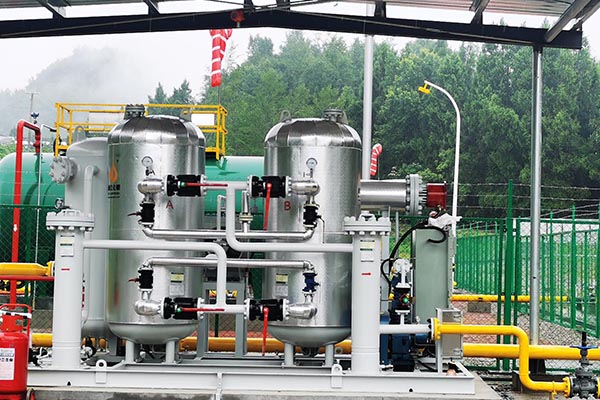
Dual-tower molecular sieve deep dehydrationDual towers alternating operation ensure continuous gas supply; outlet gas dew point ≤-60°C, avoiding hydrate freezing blockage; flat-cloth diffusion inlet reduces molecular sieve scouring and pulverization; equipped with its own loading/unloading port, no need to disassemble pipelines to replace molecular sieve.
Isobaric semi-open countercurrent regenerationRegeneration pressure equal to working pressure; a small amount of dry gas is pressurized and heated for reverse desorption of water vapor; the regeneration gas system circulates internally, with no product gas venting, saving resources and reducing environmental risks.
refrigeration condensation dehydrocarbonizationAfter dehydration, natural gas is frozen to -10°C, and heavy hydrocarbons are condensed and liquefied; three-stage gas-liquid separator recovers mixed hydrocarbons; evaporator hole-pulling process solves low-temperature leakage and vibration wear; refrigeration system has complete high/low pressure and overload protection.
fully automatic explosion-proof controlPLC + touch screen for fully automatic full-process operation; triple over-temperature, motor overload, and pressure interlock protection; supports Modbus-RTU and remote start/stop; electrical explosion-proof dⅡBT4; whole-machine skid-mounted at factory, on-site only connect pipe openings and power supply.
full life cycle technical supportFactory whole-machine testing; provides installation and commissioning, free training for operators; fault solution within 12h, personnel on site within 24h; 3-year spare parts price lock; provides drawings, fault diagnosis, and inspection suggestions, suitable for remote well sites.

Technical Principle

The entire unit is divided into five major units: pre-cooling pretreatment unit, molecular sieve adsorption dehydration unit, regeneration cycle unit, freezing heavy hydrocarbon removal unit, and instrumentation interlock unit.

Principle of Pre-cooling Pretreatment

Oilfield associated gas (≤40℃, 0.2-0.3MPa) enters the separation filter to remove solid impurities and free oil and water; using -10℃ cold dry gas after refrigeration dehydrocarbonation, heat exchange is performed in the pre-heat exchanger to cool the inlet gas down to 20-30℃, partially saturated water condenses and separates out and is discharged from the gas-liquid separator, completing initial dehydration and reducing the molecular sieve processing load.

Principle of Pre-cooling Pretreatment

Molecular sieve adsorption dehydration principle

Porous crystalline molecular sieve material can selectively adsorb water molecules; under low-temperature conditions, the feed gas passes through the molecular sieve bed, and the water vapor within the gas is adsorbed by the molecular sieve channels, achieving deep dehydration; after dehydration, the gas passes through a dust filter to remove molecular sieve dust and impurities, yielding dry natural gas with a dew point ≤-60℃, which is then sent to the dehydrocarbonation unit. Dual-tower alternating operation: Tower A adsorbs while Tower B performs the regeneration process, ensuring uninterrupted continuous gas supply.

Molecular sieve adsorption dehydration principle

isobaric semi-open countercurrent regeneration principle

After the molecular sieve becomes saturated with water, it needs regeneration to restore its adsorption capacity; a small amount of dry gas is taken from inside the system, pressurized by a booster, heated to about 180°C by an explosion-proof electric heater, and introduced in reverse flow into the saturated adsorption tower, where water molecules desorb from the molecular sieve under high temperature; the regeneration gas carrying a large amount of water vapor enters the cooler for temperature reduction, and the water vapor condenses into liquid water, which is drained through the gas-liquid separator; the separated gas returns to the internal circulation of the process system; the pressure during the entire regeneration process is basically the same as the working pressure, with no product gas discharged to the outside, achieving zero venting loss.

isobaric semi-open countercurrent regeneration principle

Based on the boiling point differences of different hydrocarbon components, a compression refrigeration cycle is adopted. The evaporator of the refrigeration unit cools the deeply dehydrated natural gas to -10°C, and heavy hydrocarbons such as high-boiling-point propane, butane, and pentane condense into liquid; natural gas enters the three-stage gas-liquid separator, where liquid mixed hydrocarbons are separated and recovered, and the gas phase is the purified export natural gas. In the refrigeration cycle, the refrigerant undergoes compression-condensation-throttling-evaporation cycles, continuously providing cooling capacity.

Core Advantages

Strong adaptability to low-pressure working conditions

Custom developed for 0.2-0.3MPa low-pressure associated gas, does not rely on gas throttling pressure energy for refrigeration, solves the problem that J-T valves cannot achieve low temperatures with low-pressure gas sources, especially suitable for small and medium-sized oilfields and distributed well site associated gas resource utilization projects.

Strong adaptability to low-pressure working conditions

Deep dehydration, eliminating low-temperature freezing and blockage

Molecular sieve adsorption dehydration ensures the outlet gas water dew point ≤-60℃, far superior to the TEG process; upstream multi-stage filtration and pre-separation completely eliminate hydrate freezing and blockage hazards in the refrigeration unit, ensuring long-term stable operation of the dehydrocarbonization system.

Deep dehydration, eliminating low-temperature freezing and blockage

isobaric semi-open zero-emission regeneration

Reduce losses and environmental risks, internal circulation of regeneration gas, finished natural gas is not vented to the atmosphere, reduce gas loss, eliminate on-site venting safety hazards, and meet environmental VOC control requirements.

isobaric semi-open zero-emission regeneration

Skid-mounted integrated design, easy installation

Long adsorbent service life,Complete integrated single skid for dehydration + dehydrocarbonation,Uniform diffusion air intake in the adsorption tower,Reduce airflow impact;Equipped with a dedicated molecular sieve loading/unloading port,Molecular sieve can be replaced without disassembling piping;Fully automatic operation,Reduce manual operations,improving interlock protection,Reduce the probability of unplanned downtime.

Skid-mounted integrated design, easy installation

Multiple safety protections, reliable explosion-proof

Explosion-proof rating dⅡBT4, wide temperature range -39~47℃; triple over-temperature protection for electric heater, preventing dry burning; booster and cooling fan overload shutdown; refrigeration system refrigerant high/low pressure and current overload protection; emergency stop, automatic shutdown on fault; supports Modbus-RTU and remote start/stop, compatible with digital oilfield centralized control.

Multiple safety protections, reliable explosion-proof

High resource recovery benefit

Recover liquid mixed hydrocarbon products while purifying natural gas, turning associated gas from waste into value and enhancing overall project returns.

High resource recovery benefit

Technical Strength

Standard design and manufacturing

Standard design and manufacturing

The unit is designed, manufactured, and inspected strictly in accordance with SY/T 0076-2023 "Design Specification for Natural Gas Dehydration", GB150-2024 "Pressure Vessels", and TSG 21-2016 "Supervision Regulation on Safety Technology for Stationary Pressure Vessels". All pressure vessels are certified, and complete unit testing and inspection are performed before delivery.
Skid-mounted complete set design capability

Skid-mounted complete set design capability

Can complete the integrated package of process systems, pressure vessels, refrigeration systems, and explosion-proof instruments and controls; the evaporator adopts the punched-hole welding process to solve the pain points of vibration and leakage in low-temperature heat exchange equipment; the three-stage composite separation structure achieves 99% liquid hydrocarbon droplet separation. Key electrical components use Siemens, Schneider, Changhui and other mainstream brands to ensure system stability.
Complete technical service system

Complete technical service system

Warranty period is 18 months from shipment; non-wear parts are repaired free of charge within the warranty period; provide a solution within 12 hours of receiving on-site fault information, and arrive on site within 24 hours; stable supply of spare parts throughout the equipment operation cycle, with a commitment to stable spare parts prices for three years; provide equipment outline, foundation, and electrical drawings within 10 days after the contract takes effect; before delivery, customers may be invited to participate in final assembly supervision; free training is provided for operators; on-site commissioning technicians provide on-site guidance; after-sales service completion requires customer sign-off and acceptance.
Adapt to the digitalization needs of oilfields

Adapt to the digitalization needs of oilfields

The PLC control system reserves a Modbus-RTU communication interface and a passive pulse remote start/stop interface, can connect to the oilfield host computer SCADA system, and uploads temperature, pressure, equipment operating status, and alarm signals, meeting the intelligent construction needs of oil and gas fields.

Advantage Comparison

Comparison itemYipu integrated molecular sieve + refrigeration dehydrocarbonization skidTraditional TEG dehydration + independent shallow cooling dehydrocarbonizationJ-T valve throttling refrigeration process
Applicable inlet pressure0.2-0.3MPa low-pressure associated gas, suitable for low-pressure gas sourcesBetter at medium and high pressure, with reduced efficiency under low-pressure conditions.Highly dependent on high-pressure gas sources; low pressure cannot achieve low temperatures, making it unsuitable for 0.3MPa low-pressure associated gas.
Water dew point after dehydration≤-60℃, deep dehydration-15 to -40°C, making it difficult to reach below -50°C, and the pre-dehydrocarbonization carries a risk of freezing and blockage.Due to intake pressure and temperature limitations, the dew point index fluctuates significantly.
Regeneration / operating gas lossIsobaric semi-open cycle, zero product gas ventingTriethylene glycol regeneration has hydrocarbon volatilization losses; there are multiple venting points in the processes of the two systems.After throttling, part of the gas needs to be vented, resulting in gas loss.
Equipment configurationIntegrated single skid for dehydration and dehydrocarbonization; on-site connection only requires aligning the pipe nozzles, with a small footprint.Two independent units with numerous equipment items, complex piping, and a large footprint, requiring substantial civil works.Skid-mounted, but only for hydrocarbon removal; upstream dehydration equipment is still required.
Maintenance itemsRegular replacement of molecular sieve, convenient internal maintenance of the skid, equipped with its own loading and unloading portRegular replacement, filtration and regeneration of triethylene glycol solution; high maintenance workload for pumps and heat exchangers; multiple maintenance points across two systemsThrottle valves are prone to erosion damage; sensitive to gas quality impurities, requiring extremely high levels of upstream pretreatment.
Automation levelPLC fully automatic, one-key start/stop, fault interlock protection, supports remote communicationMultiple equipment combinations with complex interlocks, and many operations require manual intervention.Moderate degree of automation, lacking a deep dehydration unit, and requiring an external dehydration device.
Field environment adaptability-39~47℃ wide temperature range, complete explosion-proof dⅡBT4, suitable for remote oilfieldsScattered equipment, multiple pipelines, heavy antifreeze workload in low-temperature environmentsSensitive to inlet pressure fluctuations; pressure fluctuations directly affect cooling performance
Safety and environmental performanceNo venting emissions, low VOC emissions; multiple over-temperature and overload interlock protectionsTriethylene glycol regeneration produces volatile exhaust, posing environmental risks; multiple potential pump leakage pointsGas venting exists; risk of throttle valve erosion and leakage
Comprehensive investment and constructionSingle skid-mounted unit, short installation period, reduced on-site piping constructionThe combined investment of the two systems is high, and on-site installation and construction work is extensiveIf equipped with molecular sieve pre-dehydration, the overall investment is relatively high, and the return is poor under low-pressure conditions

FAQ

It can operate stably. This unit adopts mechanical compression refrigeration and does not rely on the pressure energy of the gas itself (different from the J-T throttling process). It is specially designed for 0.2-0.3MPa low-pressure oilfield associated gas. As long as the inlet gas volume and temperature are within the design range, the refrigeration unit can stably cool natural gas to ≤-10℃; the front-end molecular sieve ensures the outlet gas dew point is ≤-60℃, avoiding hydrate freezing and blockage in the low-temperature system; design parameters reserve margin, and under conditions of slight pressure fluctuation the equipment can still stably produce qualified dry gas and recover mixed hydrocarbons.
"Zero emission" means no finished natural gas is vented or released to the atmosphere; it does not mean completely zero gas consumption. The regeneration process draws a small amount of dried finished gas from within the system as regeneration gas, which is pressurized and heated to desorb the molecular sieve. The regeneration gas carrying water vapor is cooled to separate liquid water, and then all the gas is returned to the internal process system for circulation without venting to the atmosphere. There will be extremely small normal system leakage losses, but there is no large amount of direct natural gas emission, greatly reducing gas loss and VOCs environmental risks.
Under the premise of qualified gas quality and normal maintenance of the pretreatment filter, the designed service life of the molecular sieve is 3-5 years. The adsorption tower is specially equipped with dedicated molecular sieve loading and unloading ports, allowing filling and unloading without disassembling the main process pipelines; combined with a flat-spread diffusion inlet structure, it reduces airflow impact and molecular sieve pulverization and breakage, further extending the adsorbent's service life; daily maintenance only requires regular maintenance of the front-end filter to reduce impurities entering the adsorption tower.
Supported. The PLC explosion-proof control cabinet is equipped with a Modbus-RTU communication interface, which can upload pressure, temperature, dew point, equipment alarms, and operating status to the oilfield host computer system; it also has a passive pulse signal remote start/stop interface to enable remote start/stop of the equipment. ⚠Note: Remote is only for monitoring and start/stop. After a major fault interlock shutdown, it is recommended that on-site personnel troubleshoot and confirm the root cause before resuming operation to ensure site safety.
The equipment is designed for an ambient temperature of -39°C to 47°C, and the hardware itself can withstand extreme cold field environments. The cold box uses Armstrong foam flame-retardant insulation material to reduce cooling loss; however, on site, heat tracing and insulation for external water pipes and drain lines of the skid must be done to prevent freezing and blockage of drain lines; the control system and motor meet dⅡBT4 explosion-proof requirements; under low-temperature conditions, it is recommended to focus on whether the regeneration heating temperature meets the standard, regularly check the filter drain to avoid freezing of liquid media, and ensure continuous operation of the entire unit.

Send Inquiry