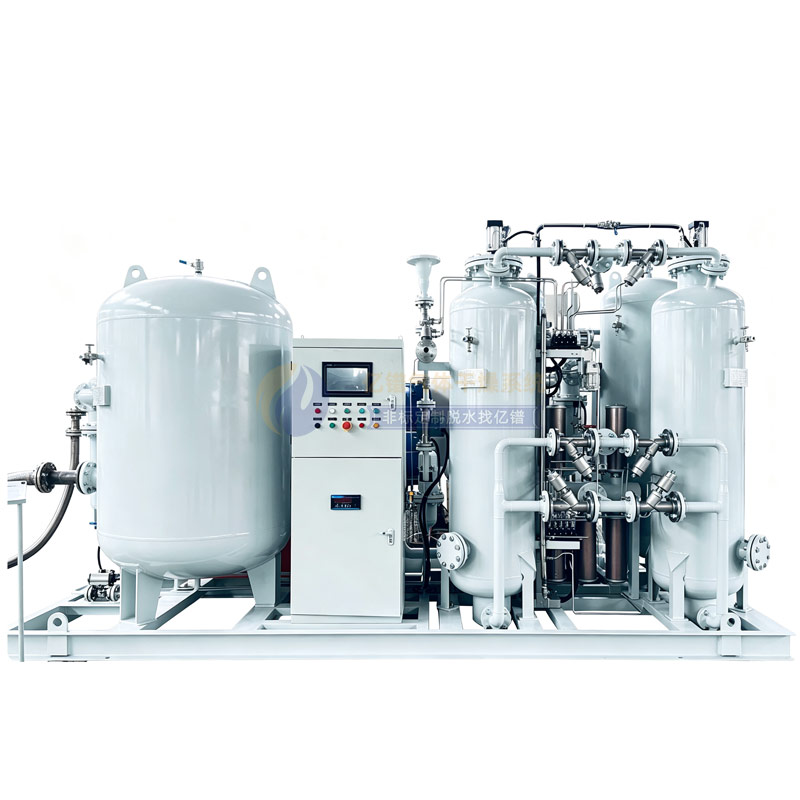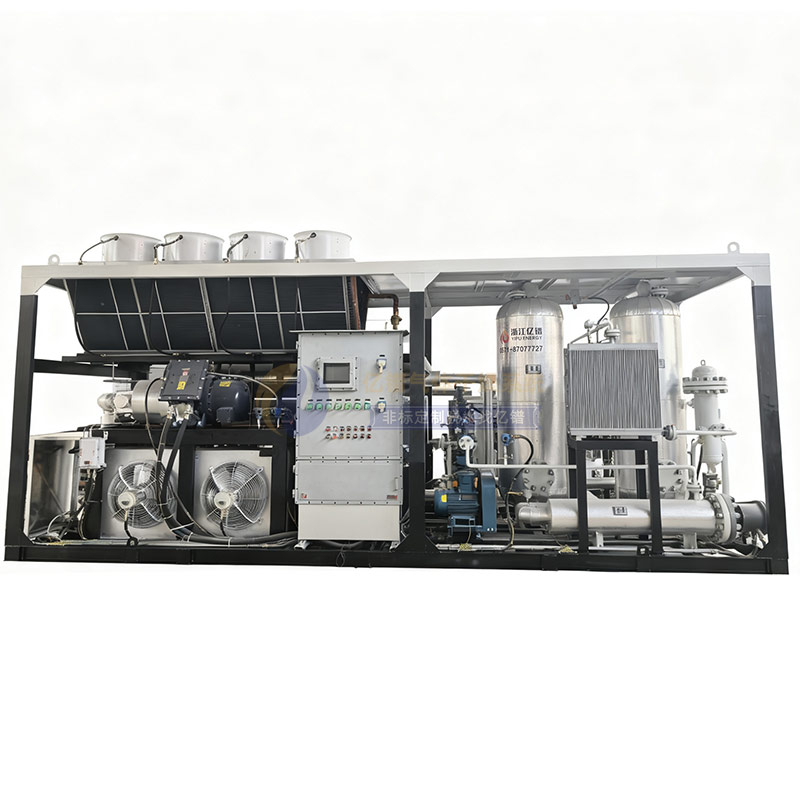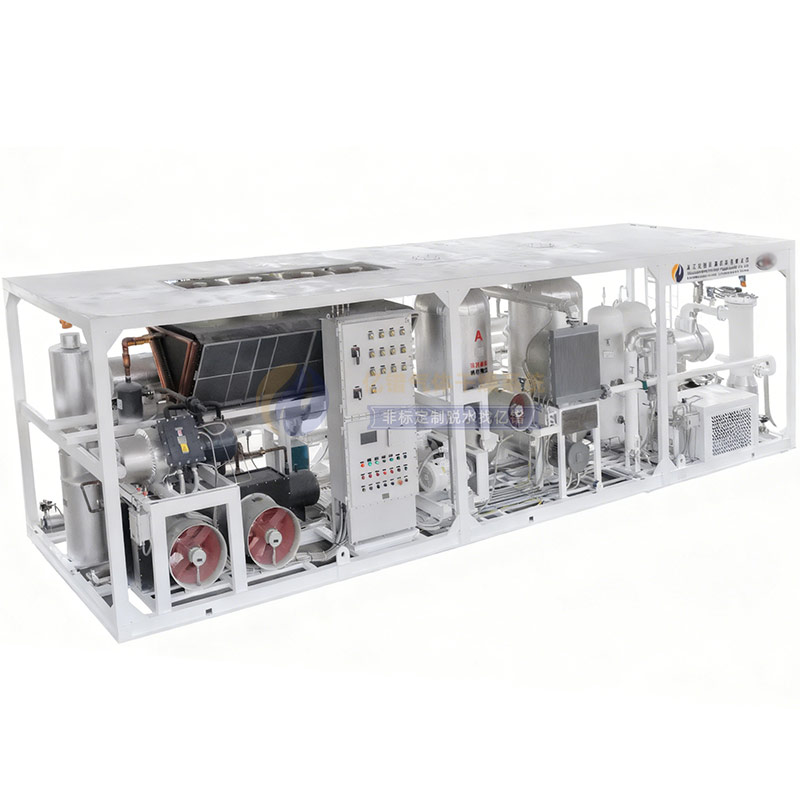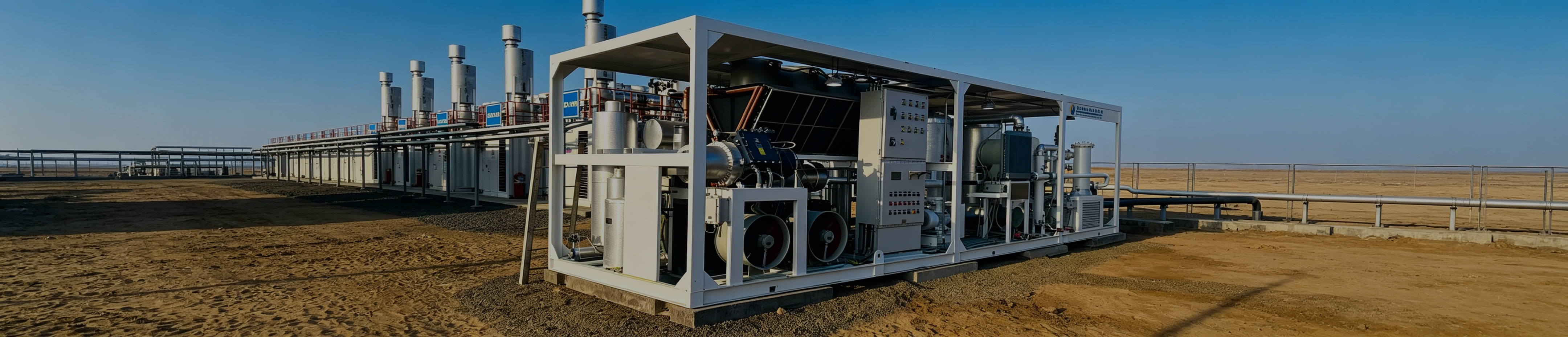

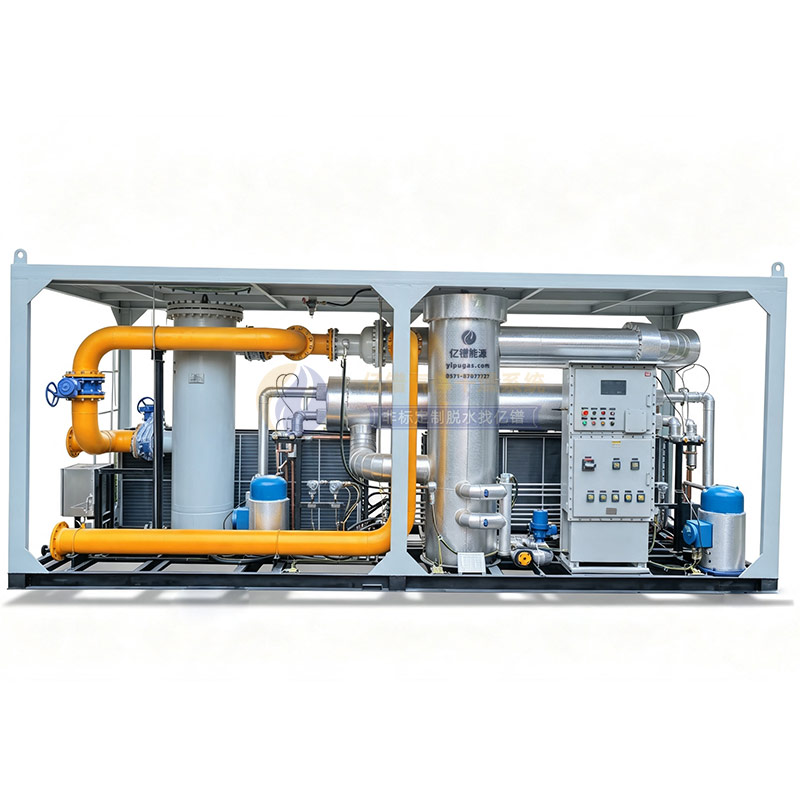
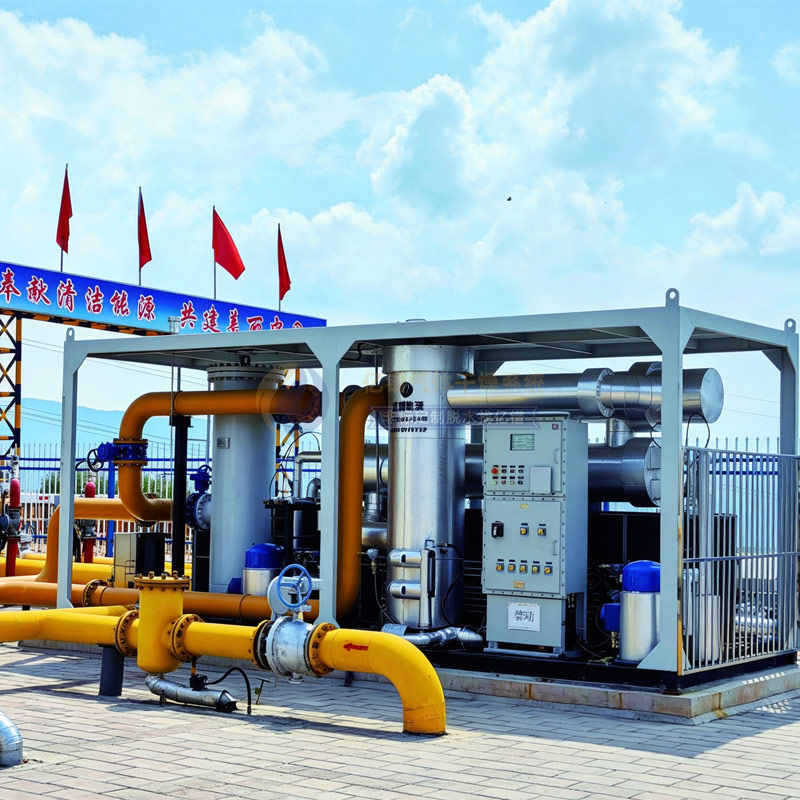
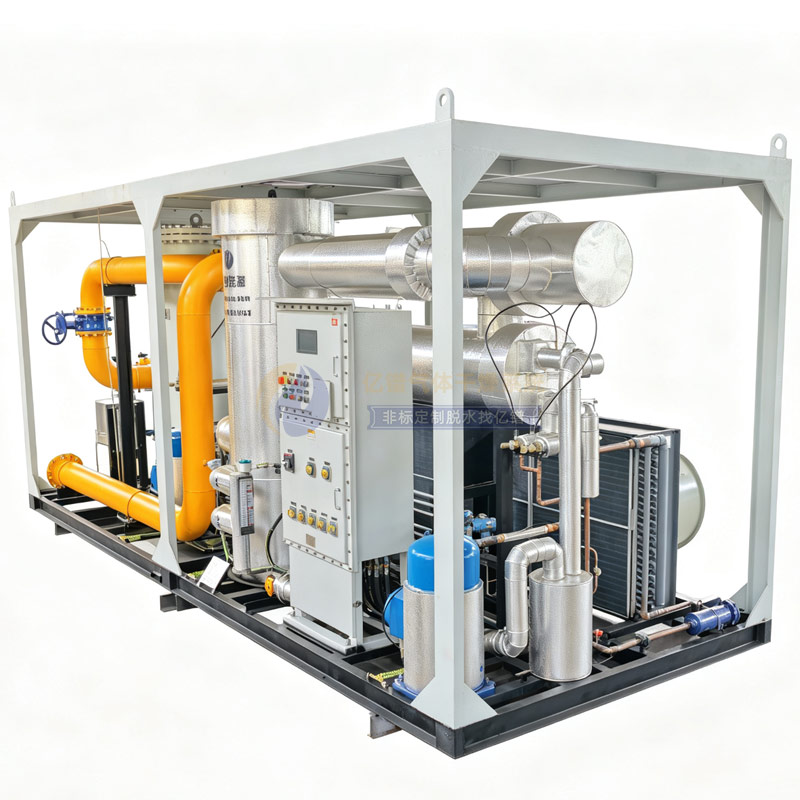
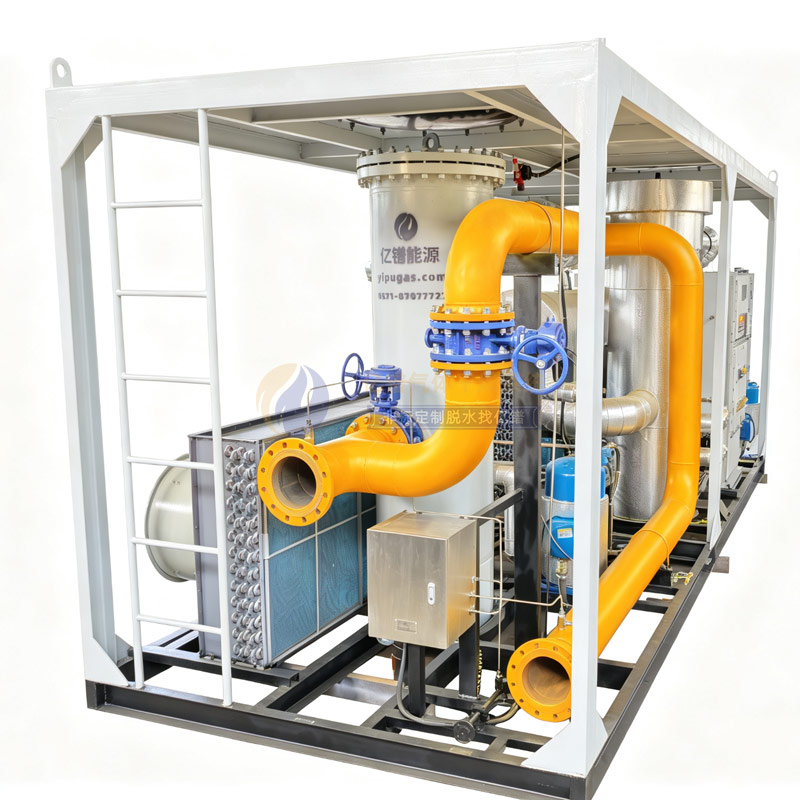
| Problem Category | Problem Description | Solutions |
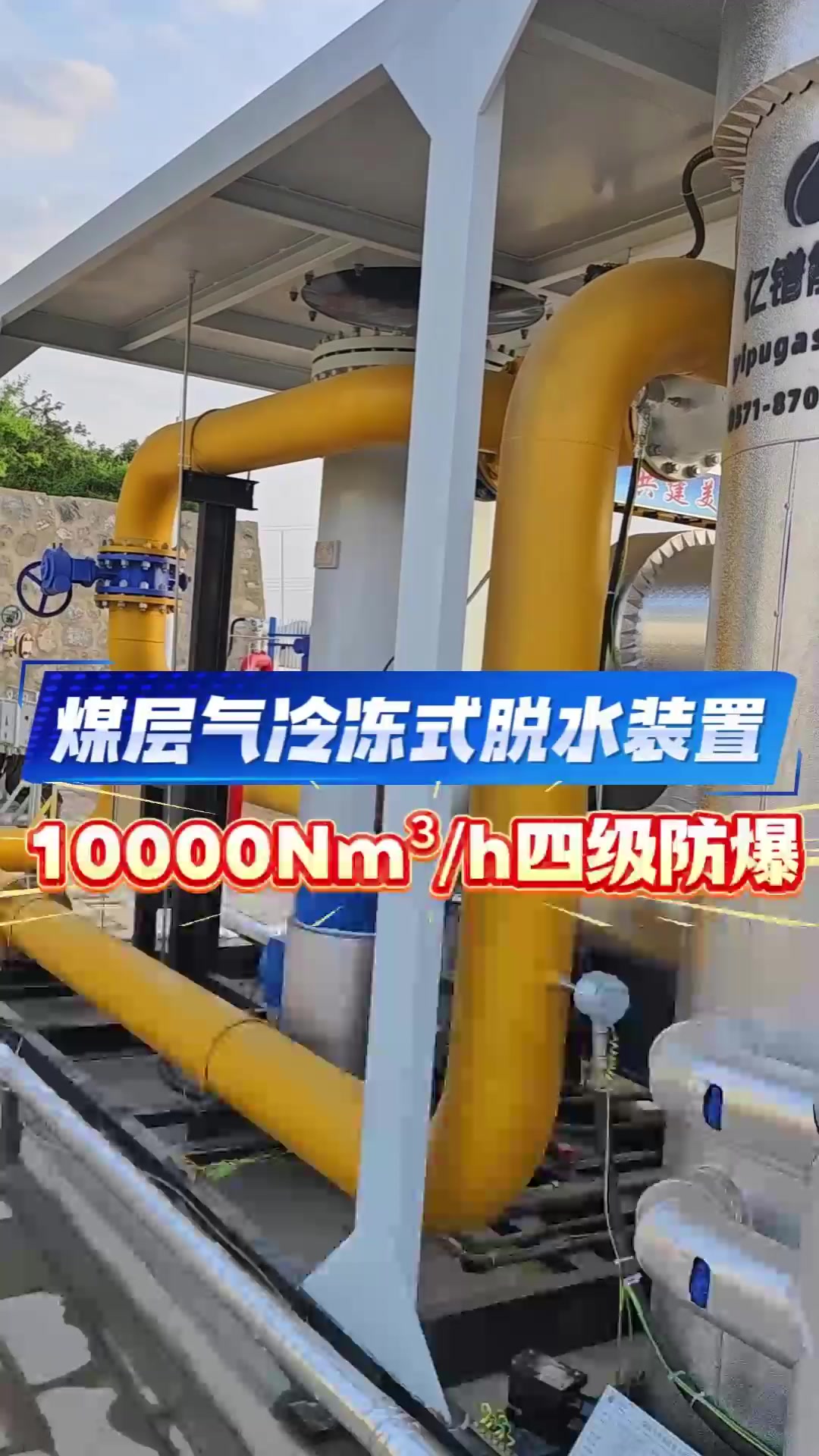
| Working Condition Adaptability | For coalbed methane with an inlet temperature of 50~60°C and a processing capacity of 10000Nm³/h, how can the evaporator outlet temperature be ensured to be ≤15°C? | A two-stage cooling design with precooler + evaporator is adopted. The precooler recovers cold energy from the outlet dry gas to lower the inlet temperature first. The evaporator is configured with a rated cooling capacity of 170KW (2×30HP dual compressors) to ensure the outlet temperature ≤15°C and meet online detection standards. |
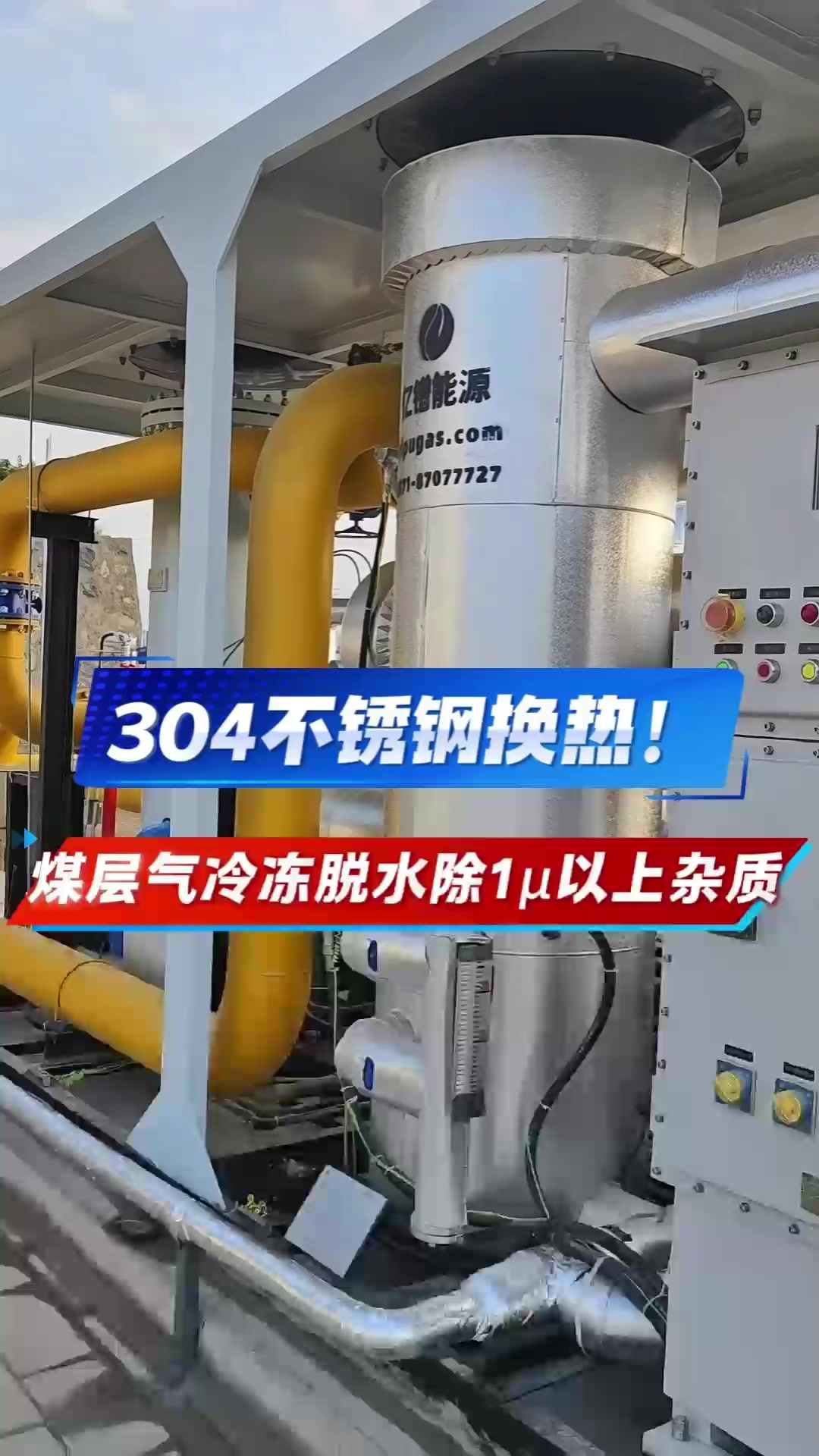
| Corrosion Protection | Coalbed methane contains corrosive components such as hydrogen sulfide and chloride ions, which act synergistically with condensed water and can easily cause corrosion and leakage of heat exchange tubes. | The piping systems of the evaporator and precooler both use 304 stainless steel heat exchange tubes, with carbon steel shells; all gas flow parts in contact with coalbed methane are treated with anti-corrosion processes to ensure that anti-corrosion performance meets standards throughout the service life. |
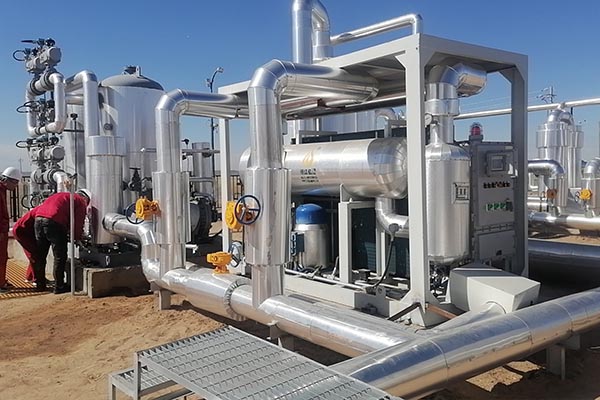
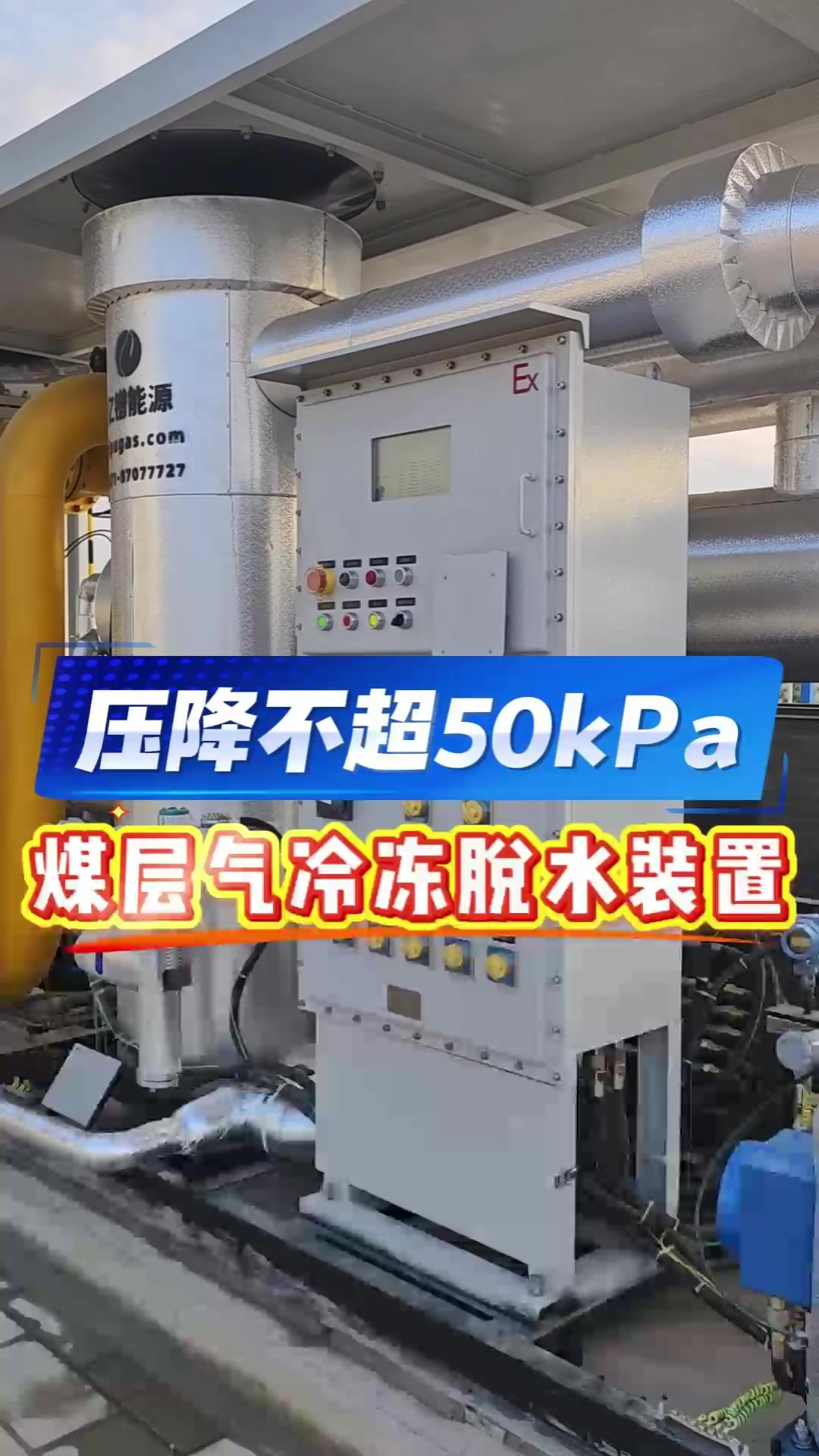
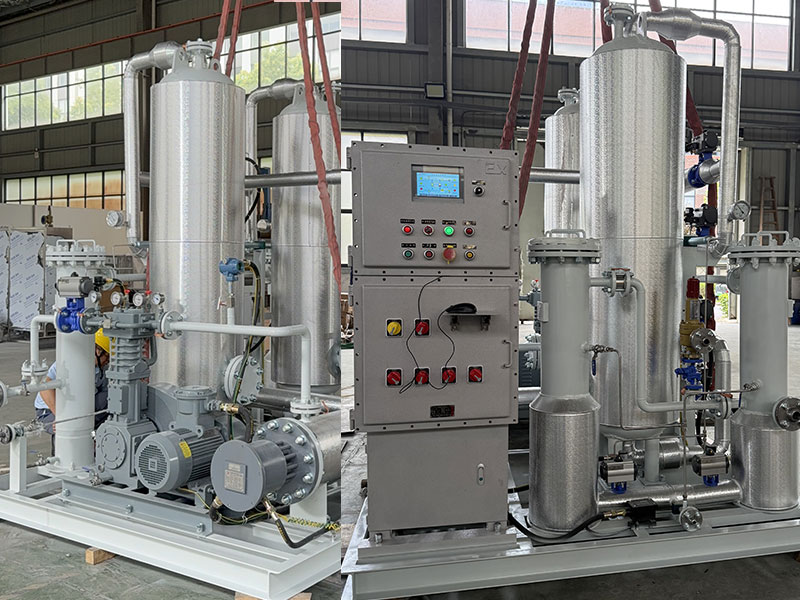
| Explosion-proof safety | Coalbed methane belongs to an explosive gas environment, and the entire unit and explosion-related components must meet explosion-proof requirements. | The explosion-proof rating of the entire unit and all explosion-related components is Ex d II BT4, and the protection rating of electrical instruments is not lower than IP55; the explosion-proof control cabinet integrates dual monitoring of ambient temperature and internal control cabinet temperature; the compressor is modified for explosion-proof performance. |
| Pressure drop control | Excessive overall pressure loss of the equipment will affect the pressure stability of Party A's original pipeline network. | Hydraulic calculations are carried out according to the optimal gas flow rate and cross-section, the heat exchanger flow path and pipeline layout are optimized, and the overall pressure loss of the equipment is controlled at ≤50kPa. |
| Blowdown and gas loss | Traditional timed blowdown easily causes coalbed methane to be discharged together with condensate, resulting in waste of gas source and environmental leakage. | An automatic blowdown system is adopted, with a liquid level-controlled electric ball valve to achieve "drain water only, not gas"; a bypass manual blowdown is provided as backup; "zero" emission of coalbed methane recovery is achieved. |
| Continuous operation reliability | 24-hour continuous operation is required, and a failure of a single compressor may cause a full-line shutdown. | A parallel architecture of 2 Danfoss refrigeration compressors (2×30HP) is adopted; when one unit is out of service, the other can still maintain part of the refrigeration capacity; it adapts to continuous duty (S1). |
| Remote monitoring and system integration | Remote start/stop, status feedback, parameter monitoring, and fault alarms need to be realized, and integration with Party A's central control system is required. | Siemens PLC full automatic control is adopted, supporting both on-site and remote operation; communication ports and technical protocols are open; dew point meter data is uploaded in real time; and the integration requirements of Party A's central control system are met. |
| Pressure vessel compliance | Pressure vessel components such as the evaporator, precooler, precision filter, and gas-liquid separator must comply with special equipment regulatory requirements. | All pressure vessel components comply with the requirements of the "Supervision Regulation on Safety Technology for Stationary Pressure Vessels," have obtained pressure vessel supervision inspection certificates, and are delivered with the equipment. |
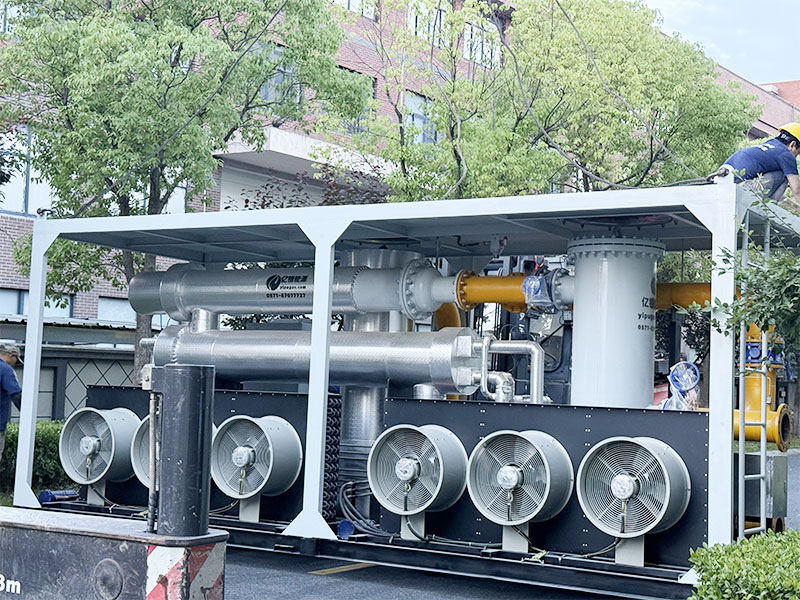
| Heat Dissipation in High-Temperature Environments | Under an ambient temperature of ≤40°C, can the heat dissipation capacity of the air-cooled condenser ensure stable operation of the refrigeration system? | Condenser fans ≤9KW, designed for grouped operation, each fan can be started and stopped individually according to ambient temperature; the refrigeration system matches the condensing area according to the rated cooling capacity, retaining heat exchange margin |
| Technical Document Delivery and Acceptance | Complete technical documents are required to support each stage of equipment installation, commissioning, and acceptance; missing or incorrect documents will affect the project schedule | Within 1 week after contract signing, deliver equipment outline dimension drawings (including foundation drawings, anchor bolt location drawings, and nozzle location drawings); within 2 weeks, deliver process flow diagrams; at the time of shipment, include the certificate of conformity, operation manual, PLC wiring diagram, pressure vessel inspection certificate, wear parts list, etc.; four paper copies + two electronic PDF copies |
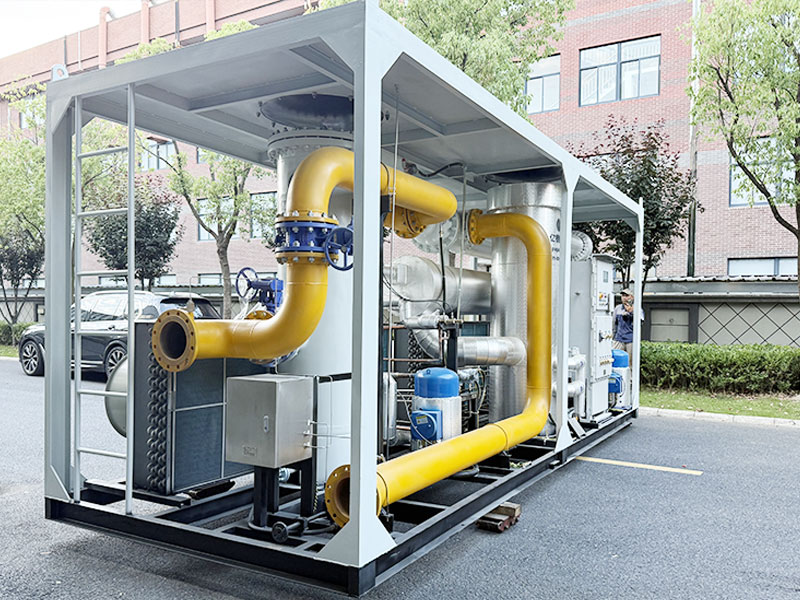
Designed according to operating condition parameters
Precisely matched to requirements

Stainless steel heat exchange tubes
Long anti-corrosion service life
Siemens PLC control
Remote monitoring and alarm

Liquid level control and blowdown
Zero emission of coalbed methane

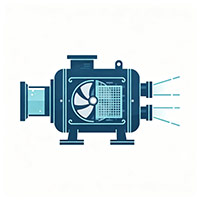
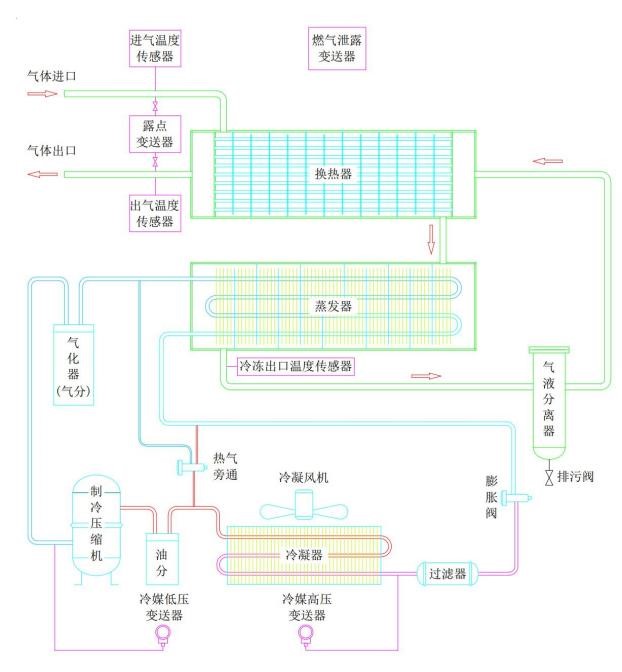
The compressor compresses, condenses, throttles, and evaporates the refrigerant
Absorbing heat from coalbed methane to achieve forced cooling.
Counter-flow heat exchange between low-temperature dry outlet gas and inlet gas
Pre-cooling and cold energy recovery,Reducing the evaporator load.
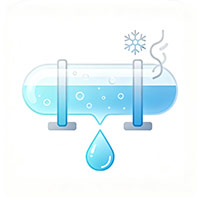
Gas cooled below the water dew point
Saturated water vapor condenses into droplets through supersaturation,Achieving dehydration.
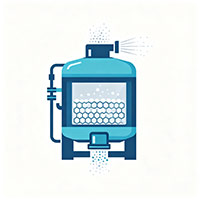
Cyclone separation utilizes centrifugal force, Wire mesh mist elimination relies on inertial impaction
Dual capture of condensed droplets.







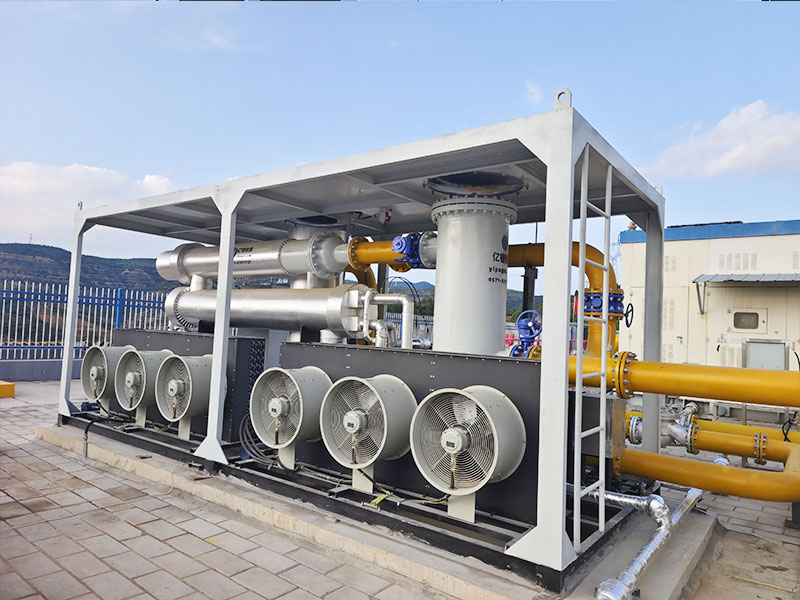
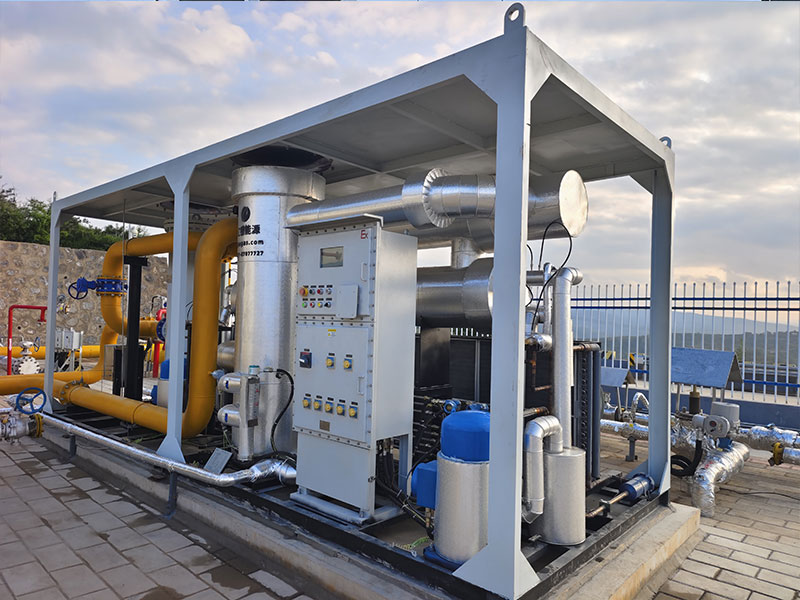
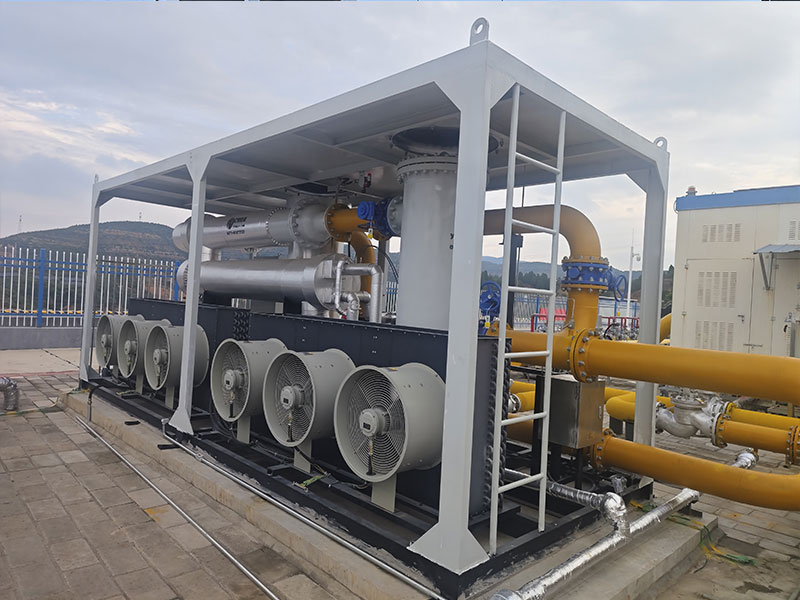
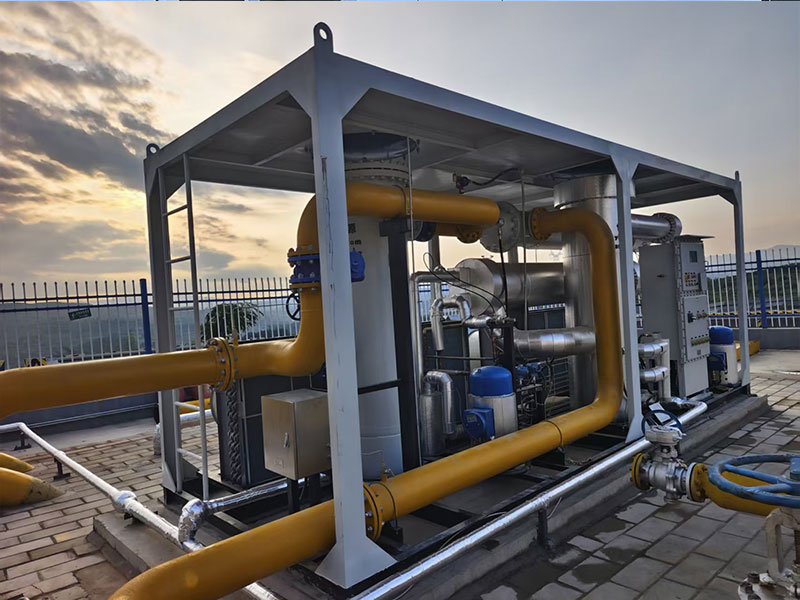
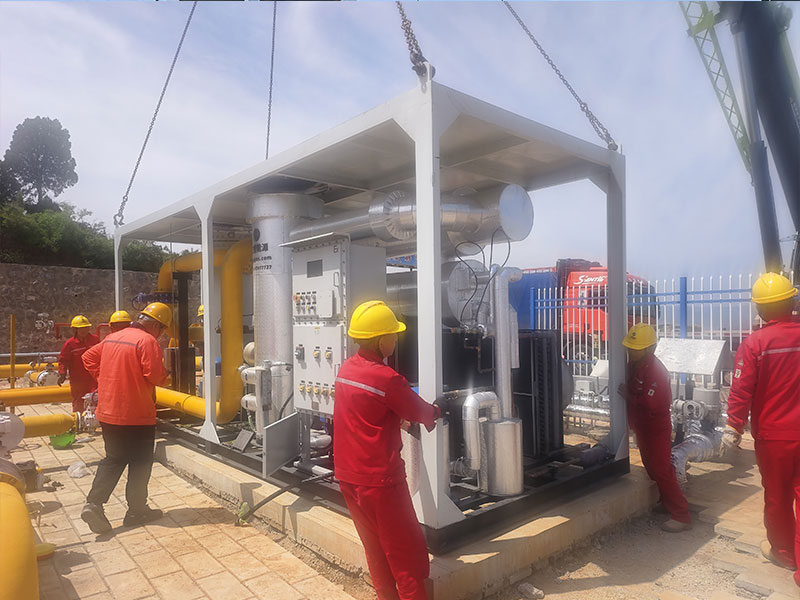
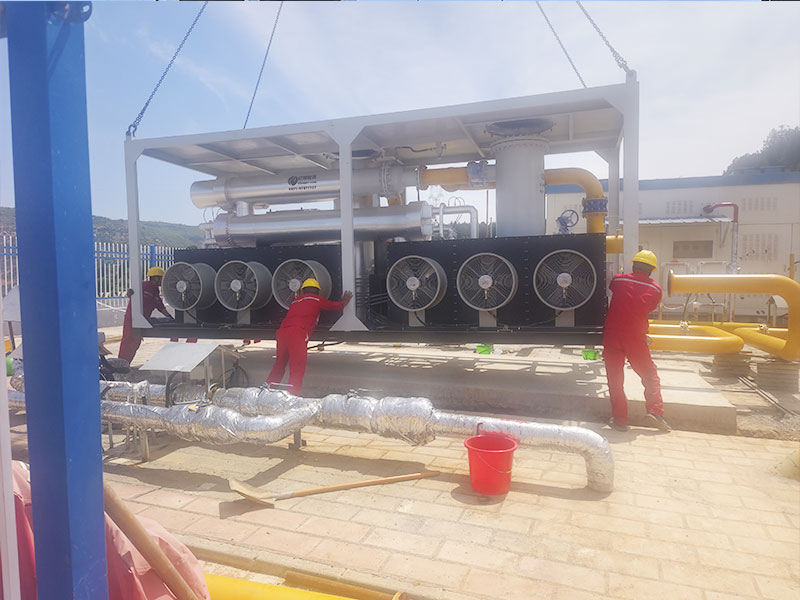
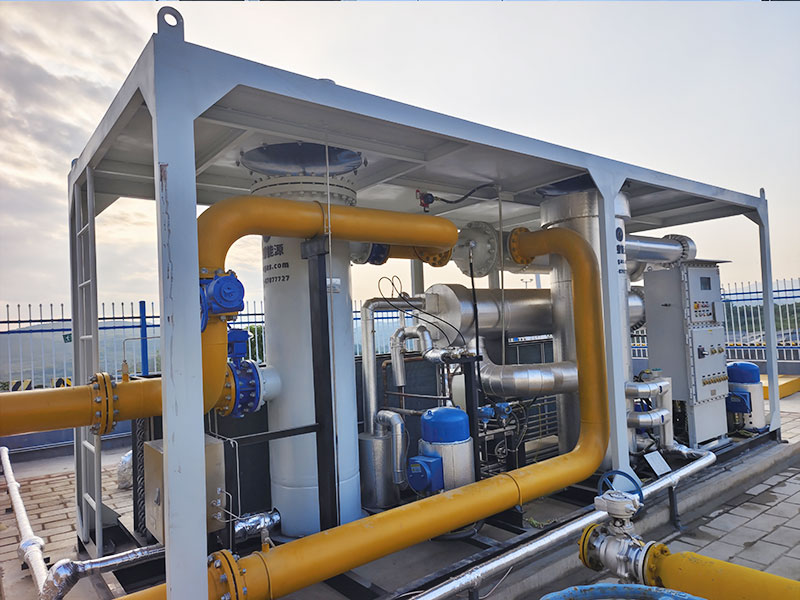
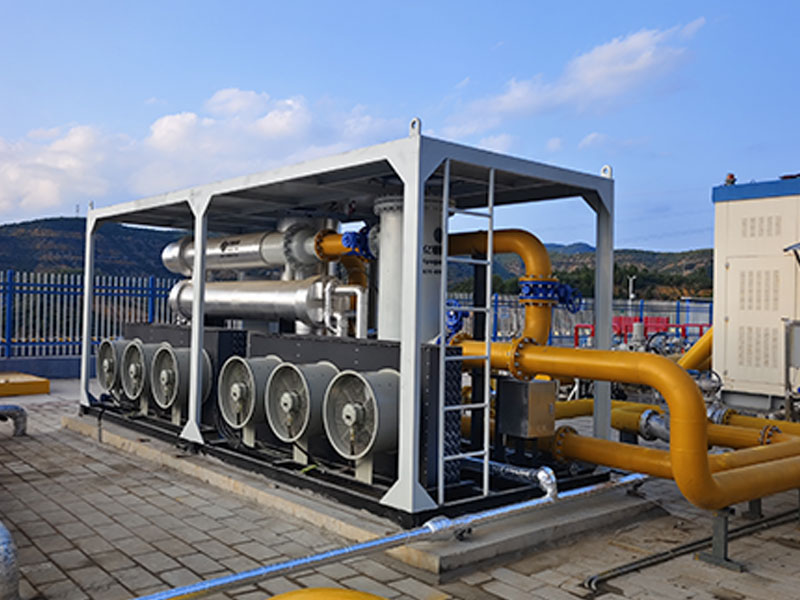
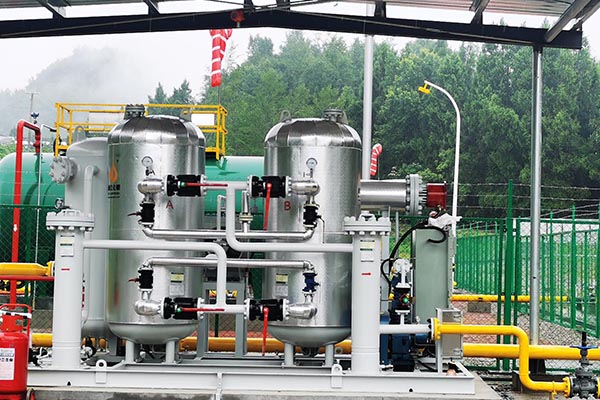
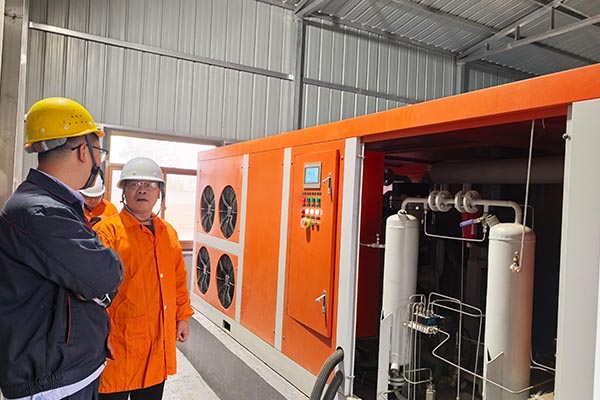
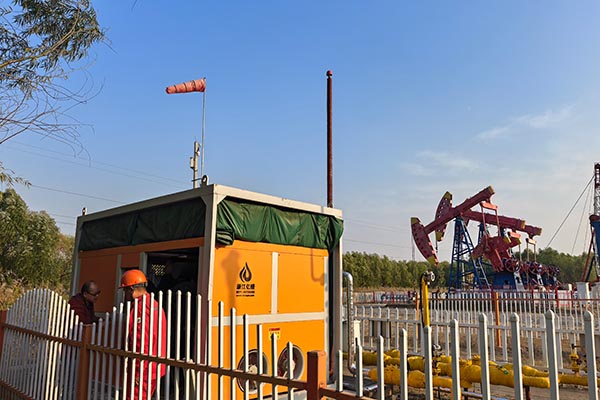
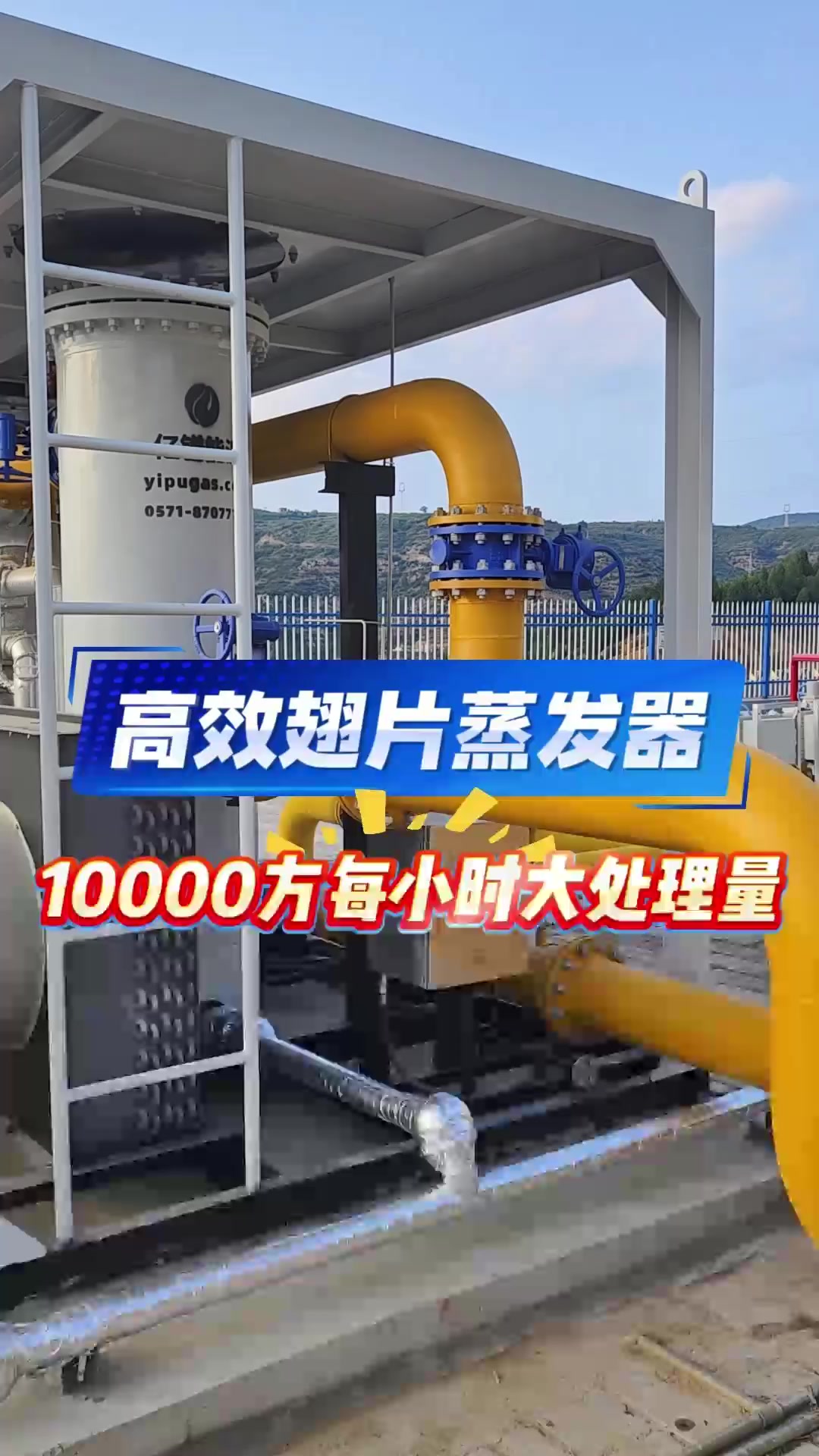
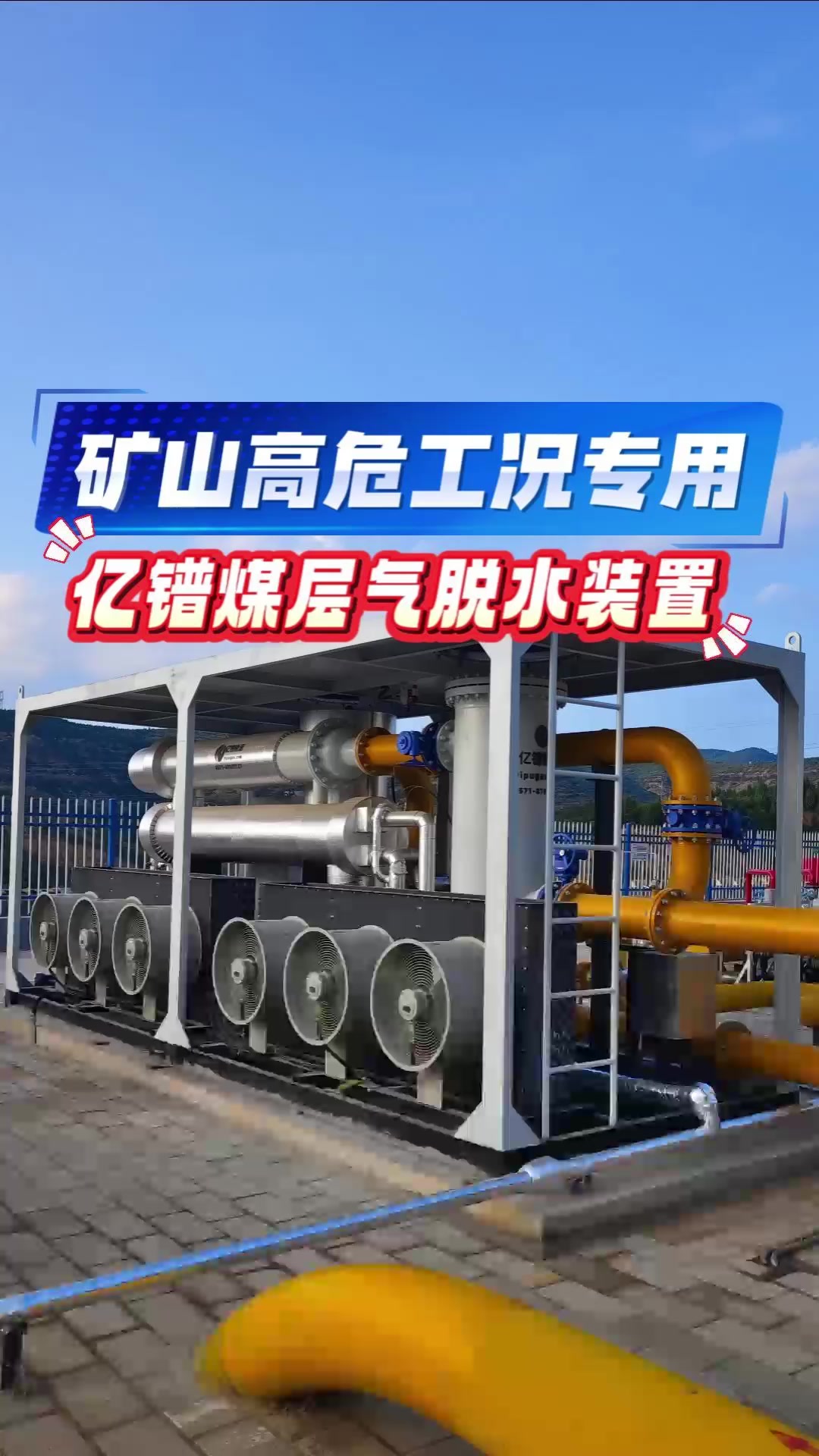
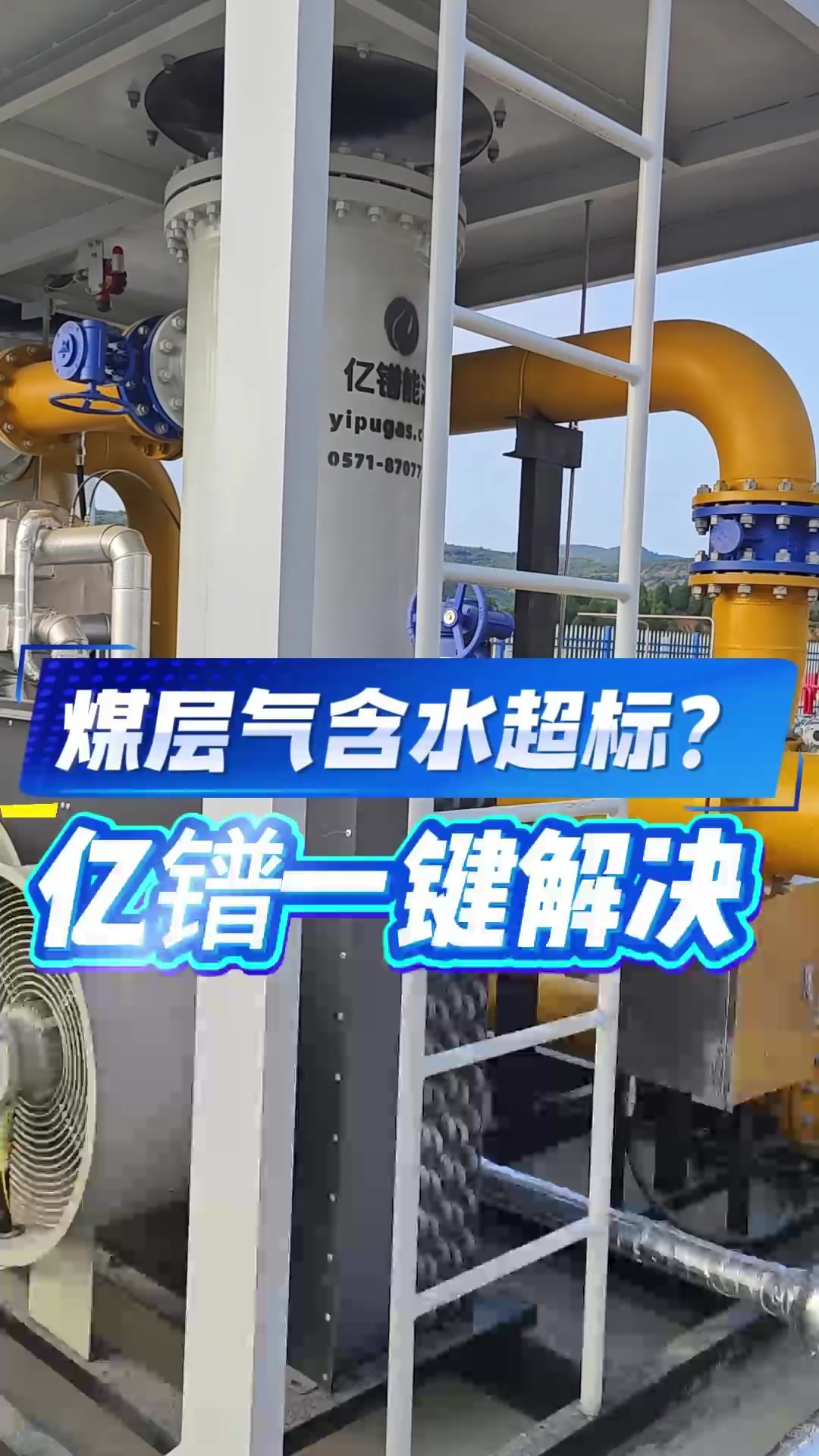
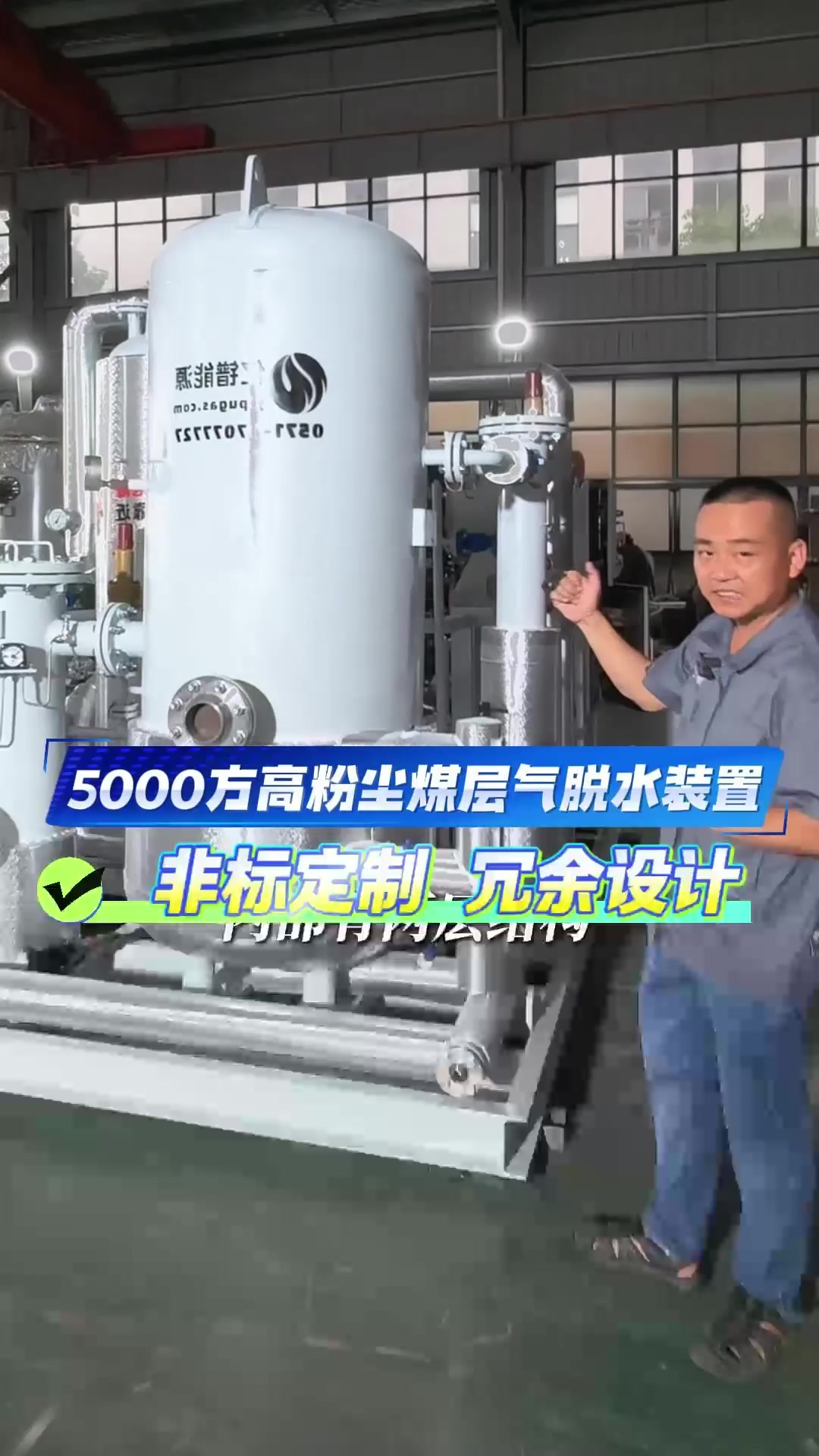
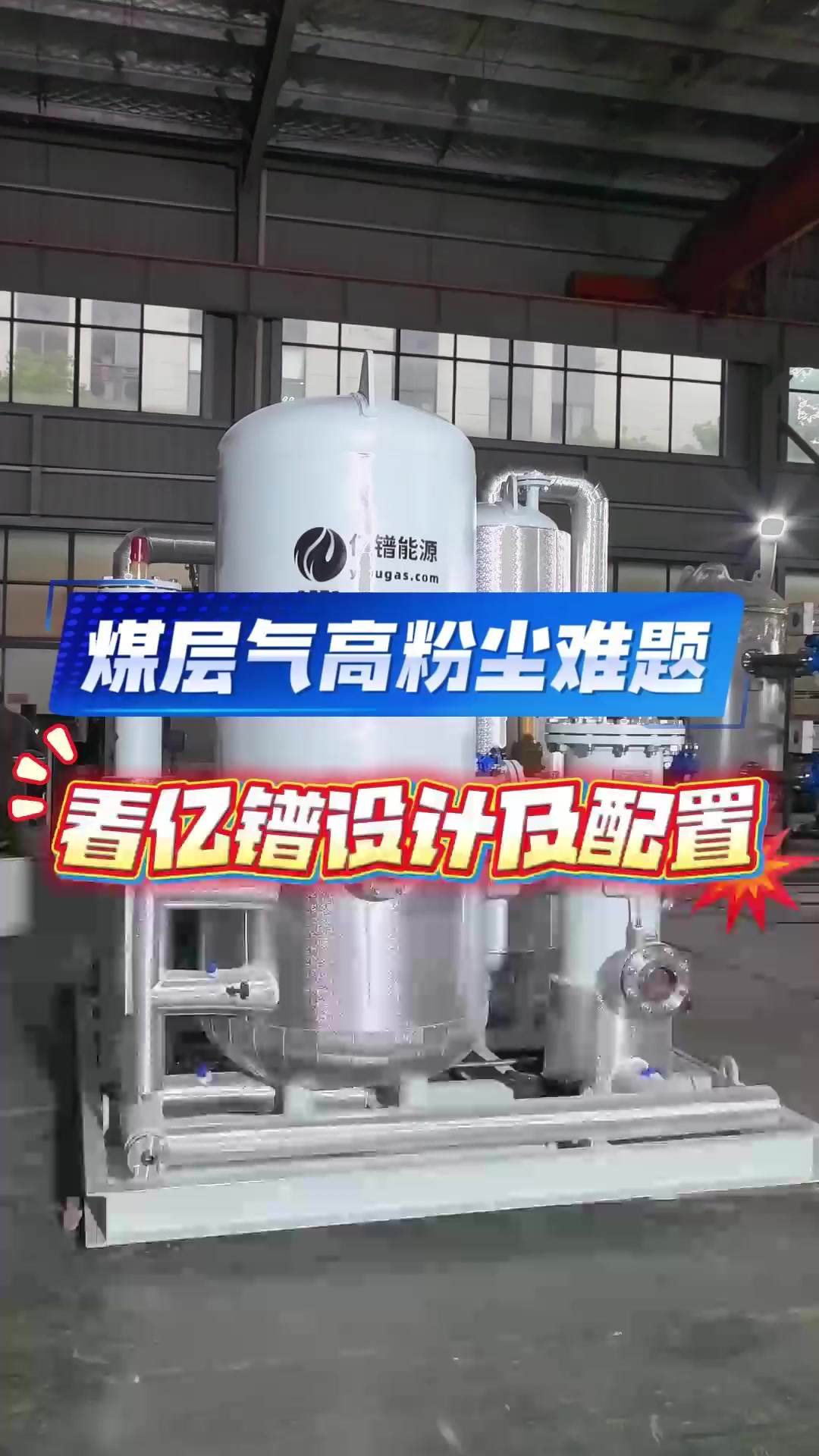
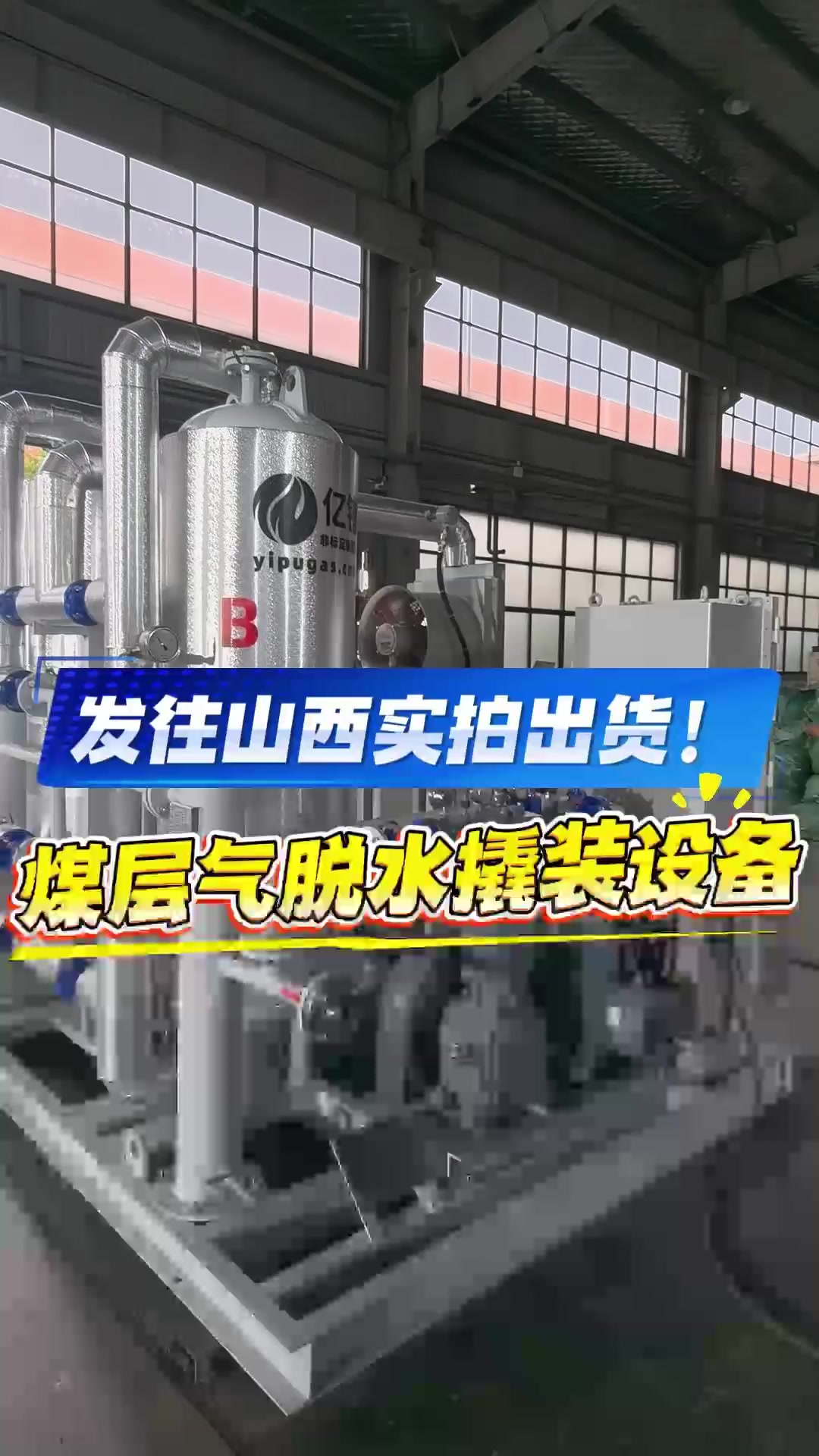
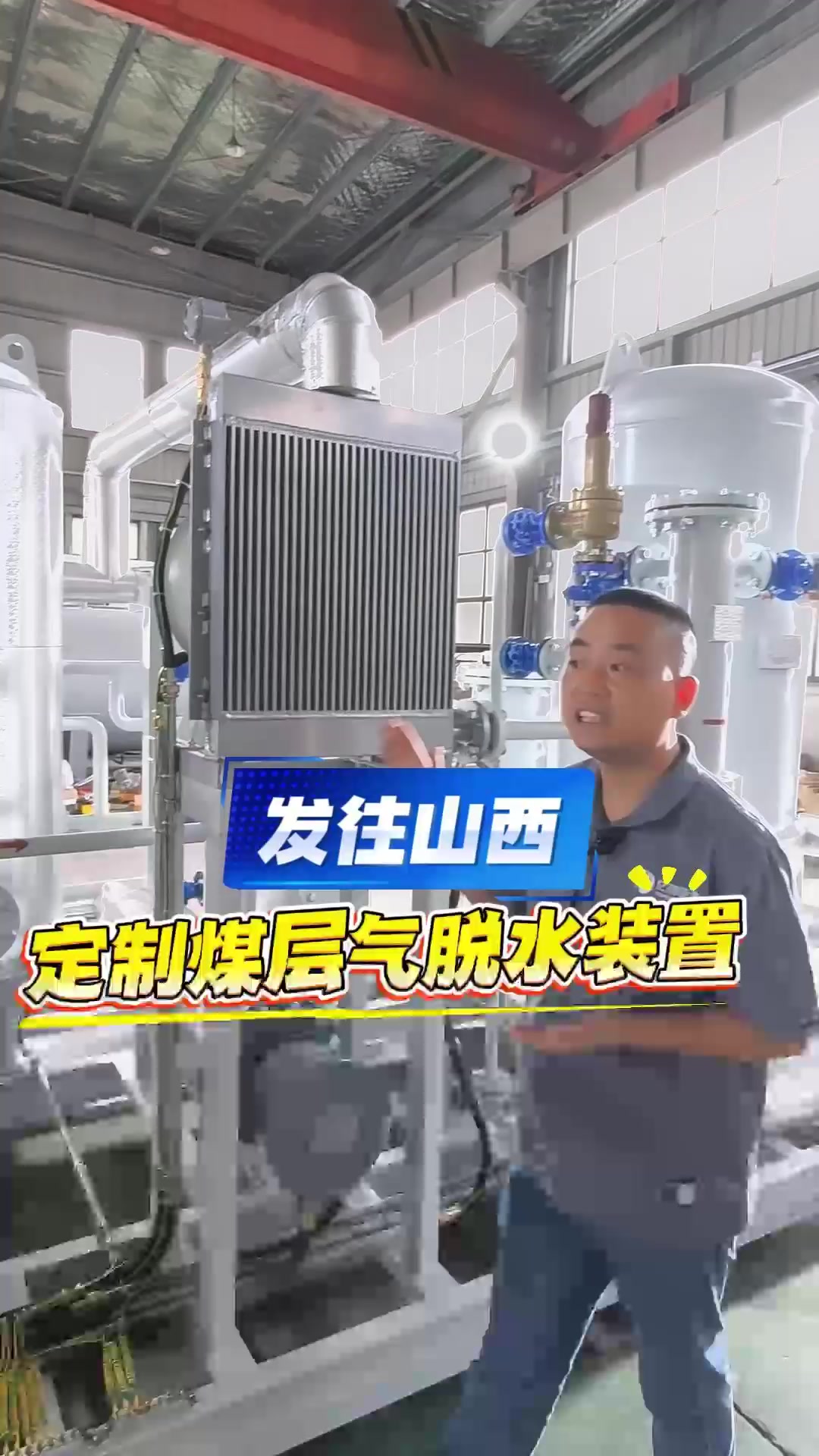
| Project | Technical Parameters |
|---|---|
| Processing capacity | 10000Nm3/h |
| Inlet gas temperature | 50~60℃ |
| Inlet gas pressure | 0.7MPa |
| Cooling method | Air cooling |
| Power supply | 380V/50Hz three-phase AC |
| Adaptable working system | Continuous operation (S1) |
| Working ambient temperature | ≤40℃ |
| Evaporator outlet | ≤15℃ (online detection after evaporator) |
| Design pressure | 1.6MPa (overall nominal design pressure of equipment) |
| Design temperature | 70℃ (overall nominal design temperature of equipment) |
| Pressure loss | ≤50kPa |
| Rated cooling capacity | 170KW (2*30HP) |
| Connection diameter | DN200 PN16 (flange connection) |
| Refrigerant | R407C (environmentally friendly refrigerant) |
| Control mode | PLC fully automatic control; supports both on-site and remote operation for remote start/stop, status feedback, parameter monitoring, fault alarm, open communication ports and technical protocol to meet Party A's central control system integration requirements |
| Evaporator | Piping system adopts 304 stainless steel heat exchange tubes, shell in carbon steel; heat exchange efficiency ≥ design value |
| Precooler | Piping system adopts 304 stainless steel heat exchange tubes, shell in carbon steel; matched with evaporator to achieve precooling and temperature reduction |
| Electrical instrument protection | not lower than IP55 |
| Explosion-proof grade | Ex dⅡ BT4 (whole machine and all explosion-related components) |
| Condensing fan | ≤9KW (group operation, can be started and stopped independently) |
| Overall unit power | ≤65KW (under rated working conditions) |
| Blowdown method | Automatic blowdown, liquid level control; coalbed methane recovery with "zero" emission; equipped with bypass manual blowdown as backup |
| Dew point meter | -60℃~+60℃, online detection, data uploaded in real time to |
| Precision filter | Integrated into the equipment, purifies dry gas, equipped with bypass for easy maintenance and replacement |
| Gas-liquid separator | ≥99% (separation effect on condensed droplets) |
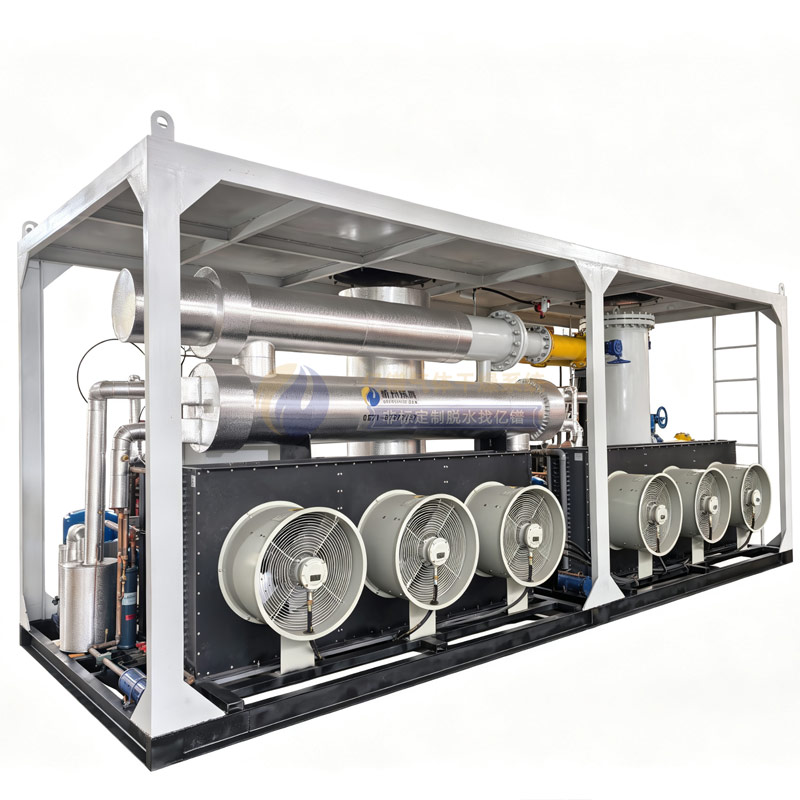
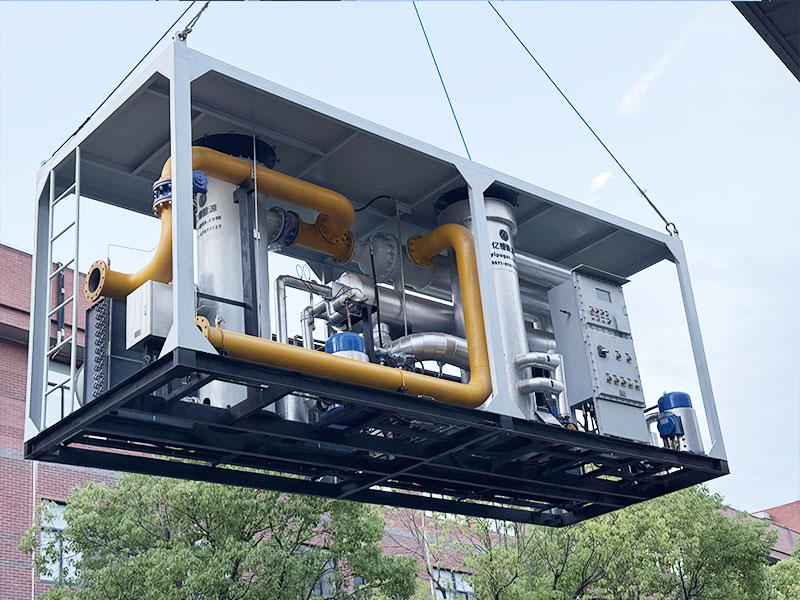
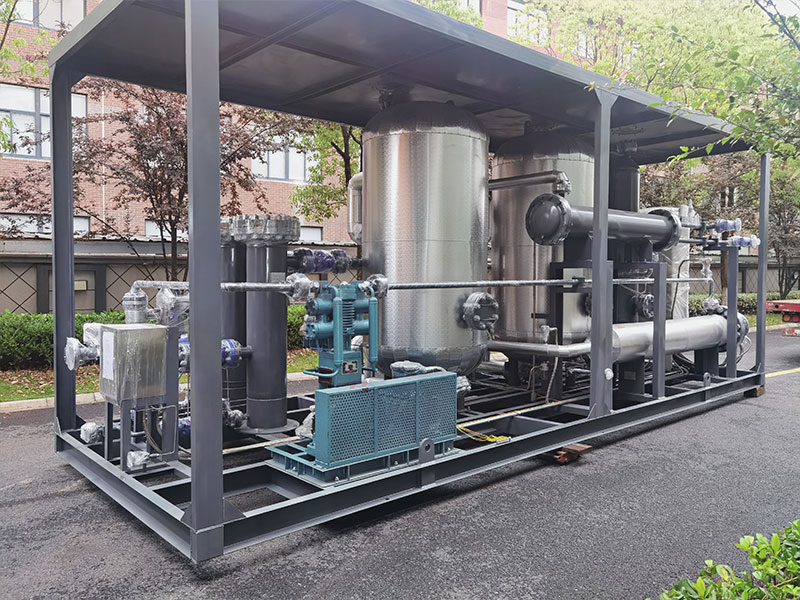
| Equipment dimensions | 6500×2350×2900mm |
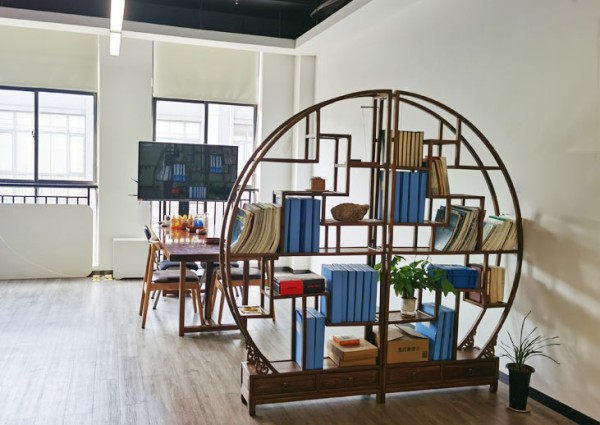
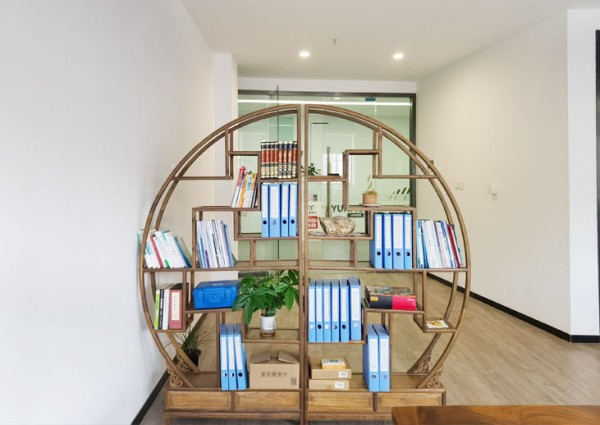
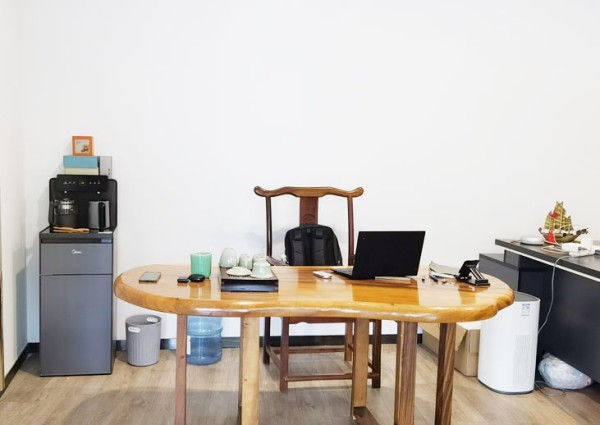
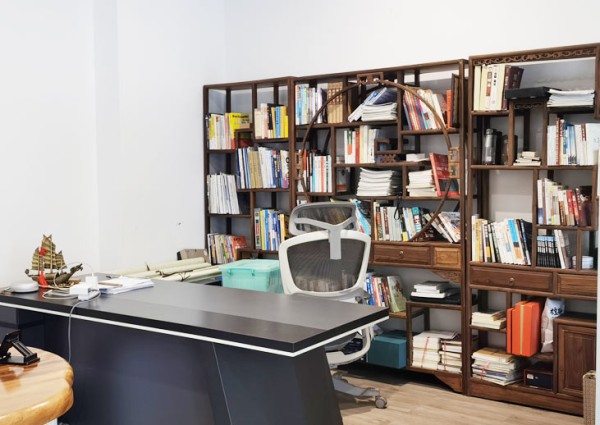
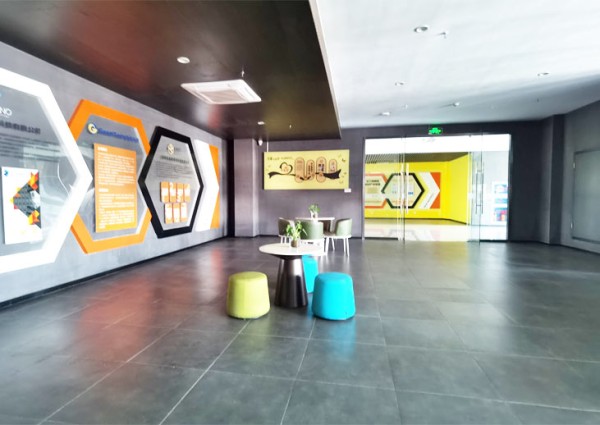
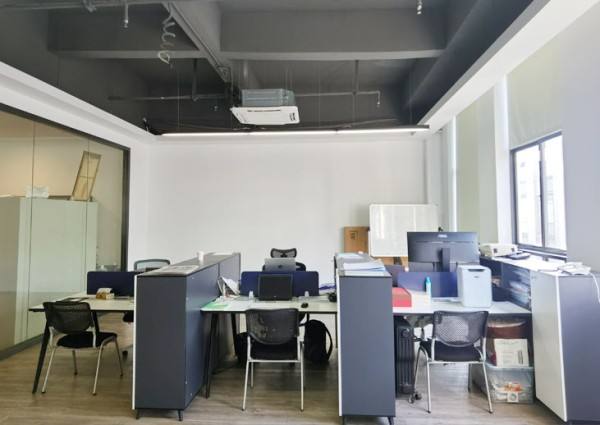

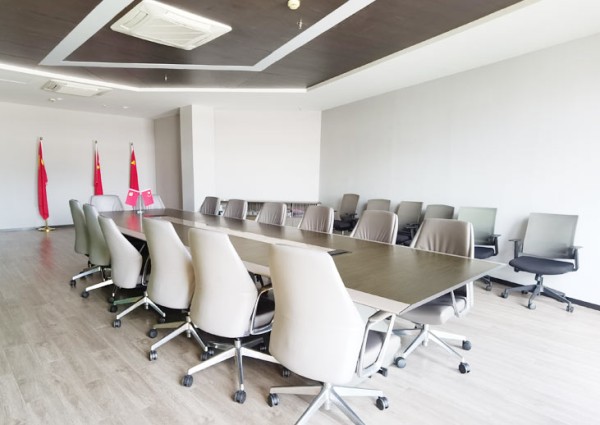
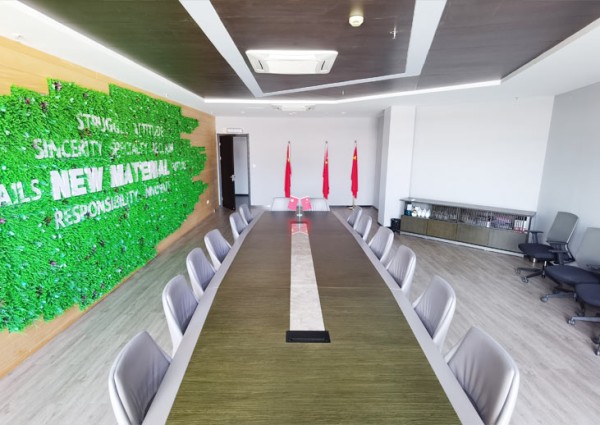
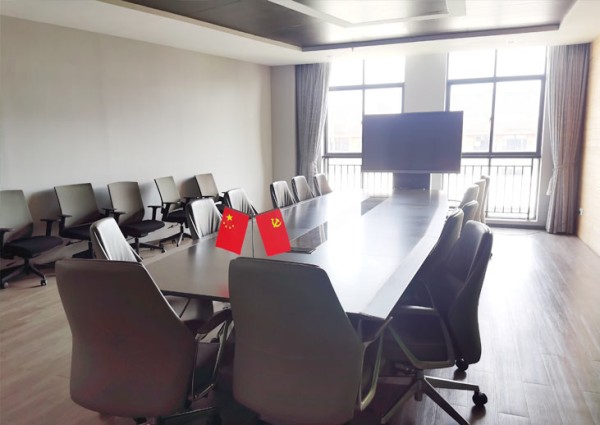
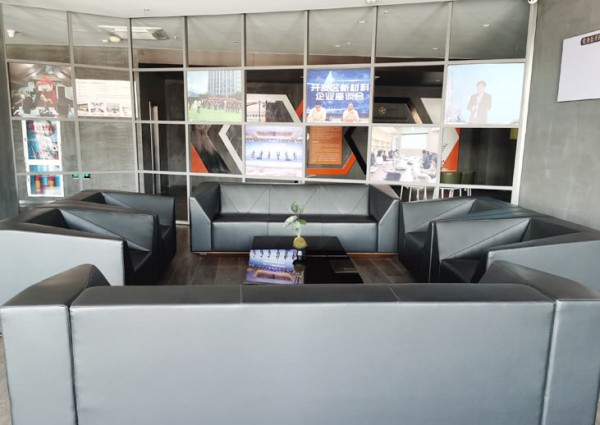


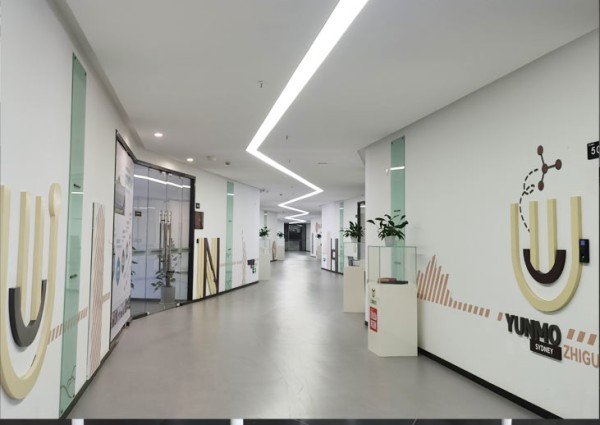

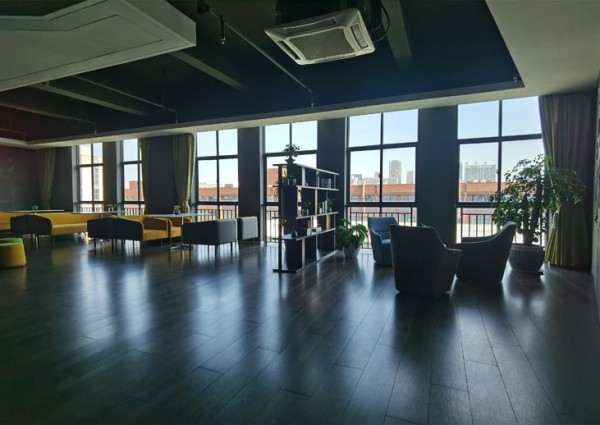

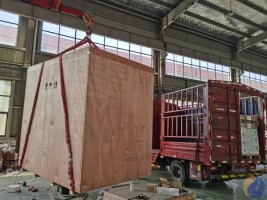
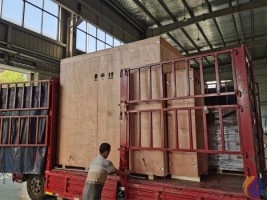
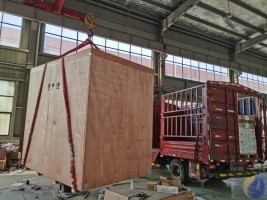
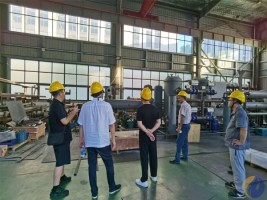
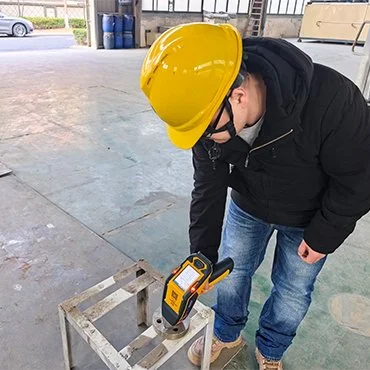
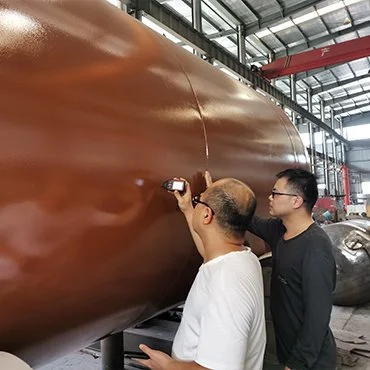
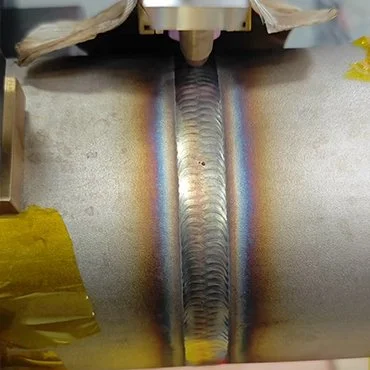
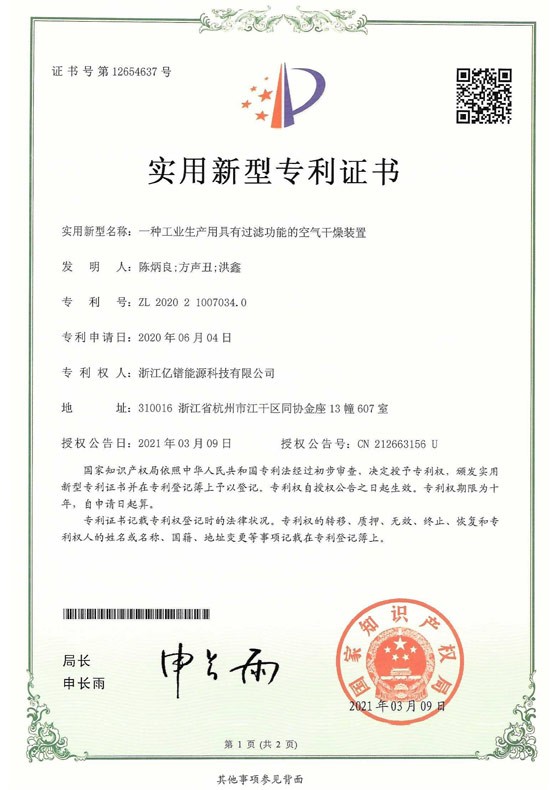
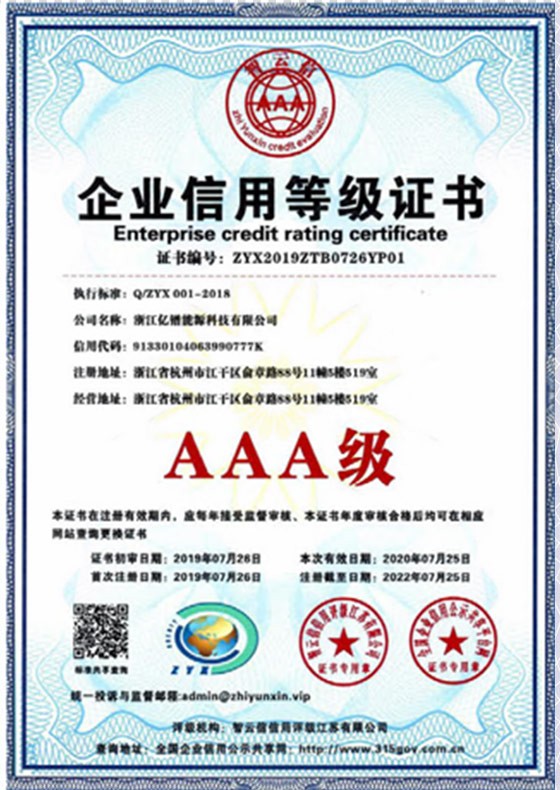
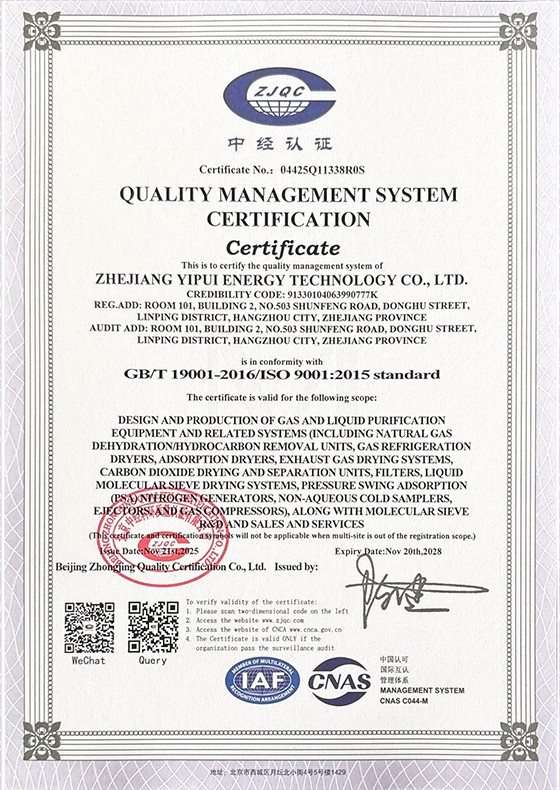
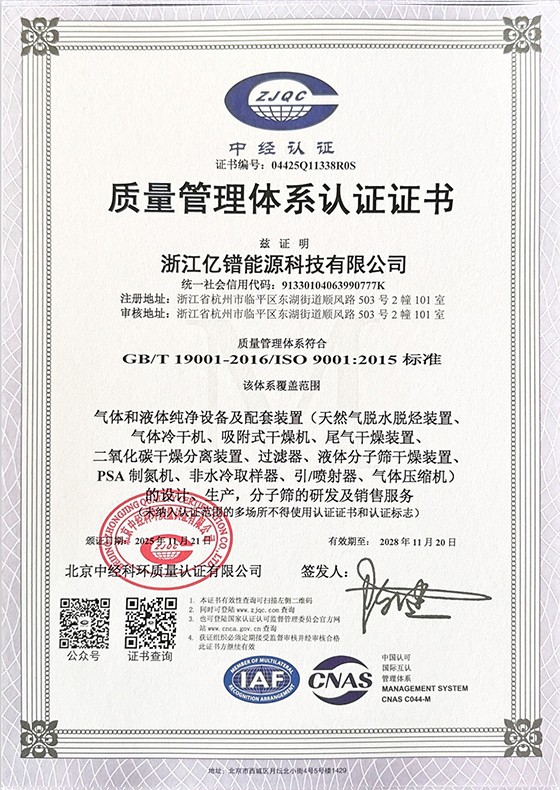
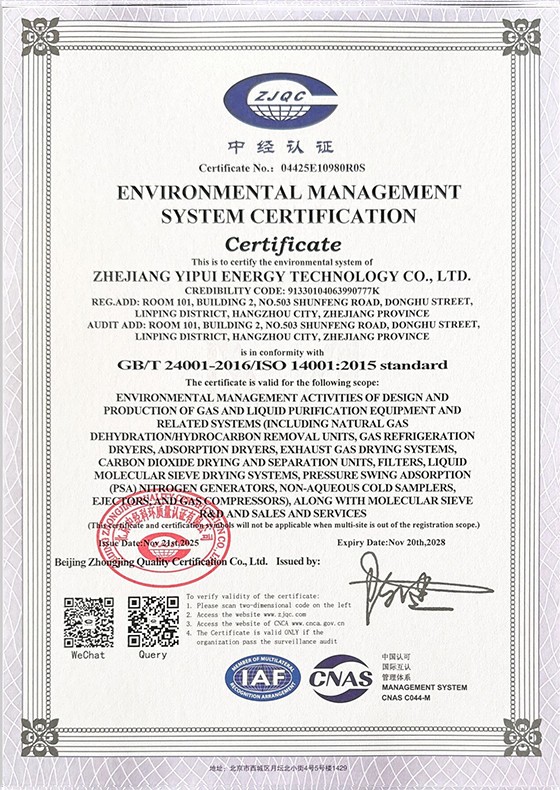
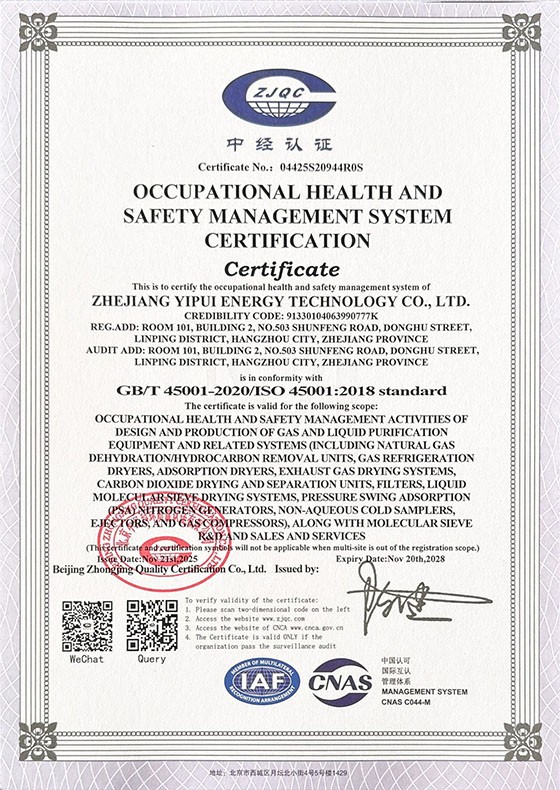
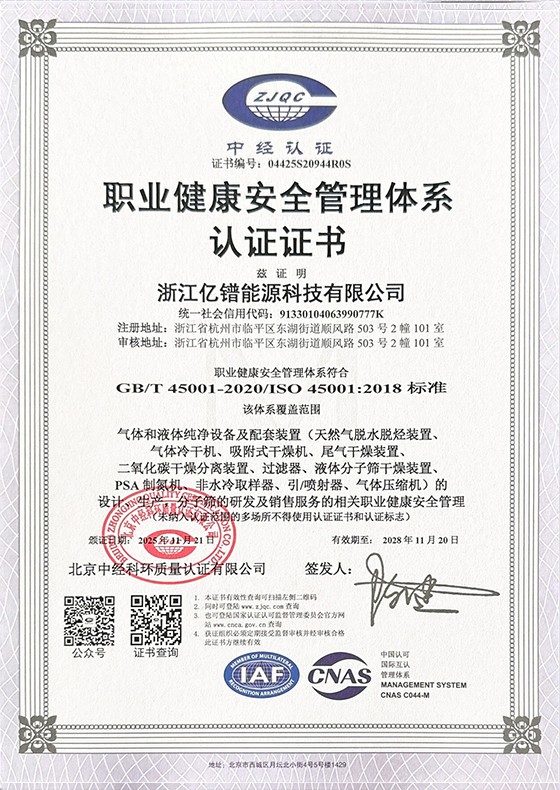
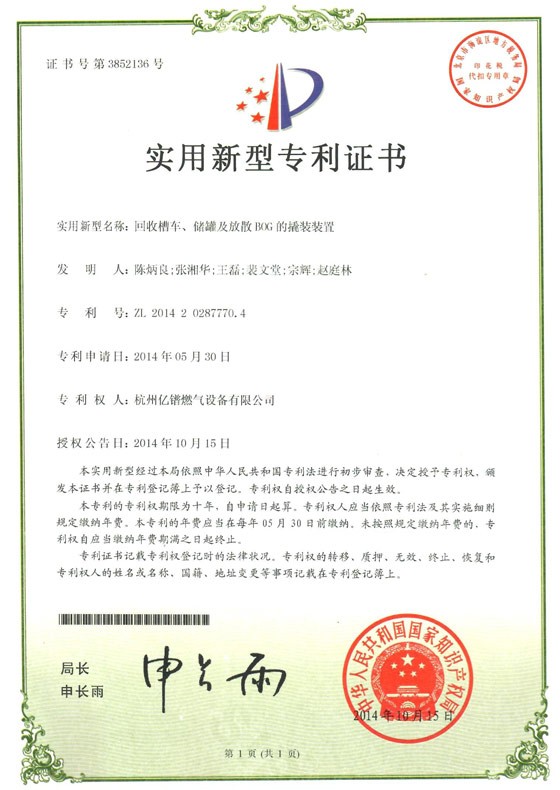
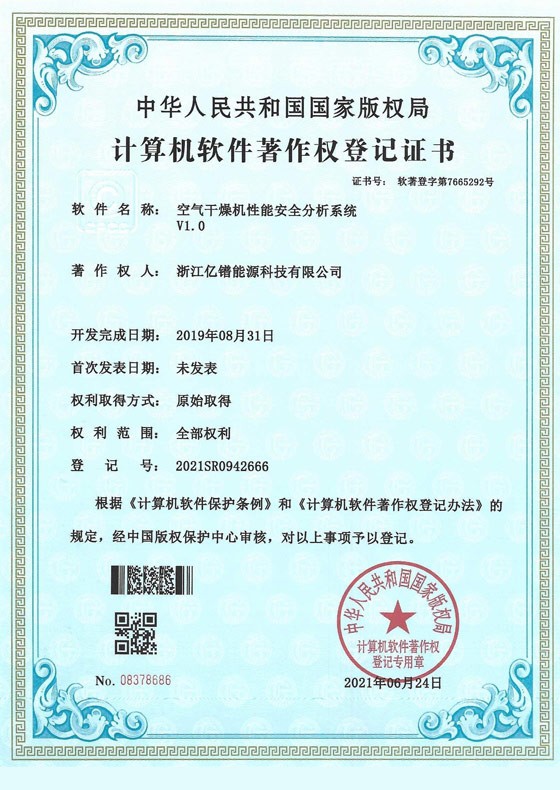
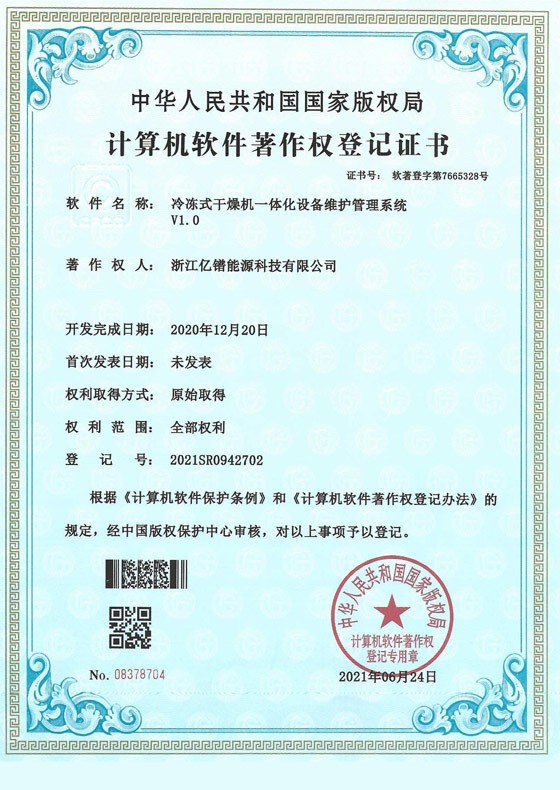
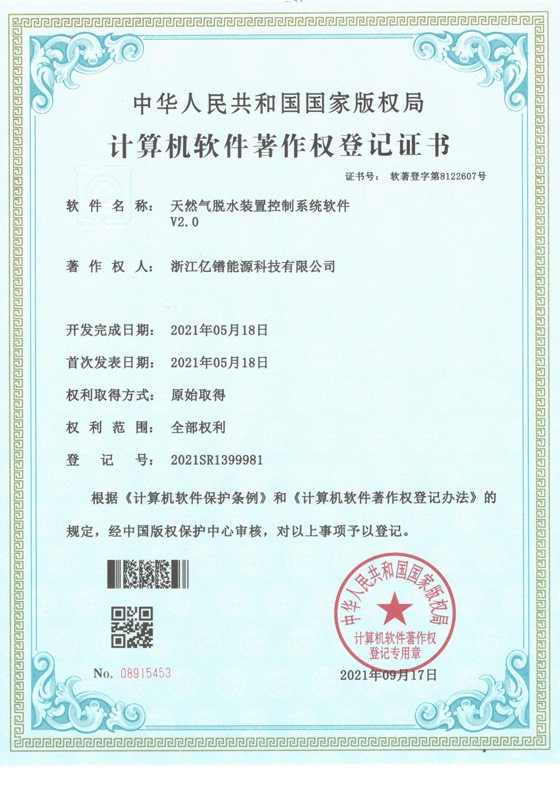
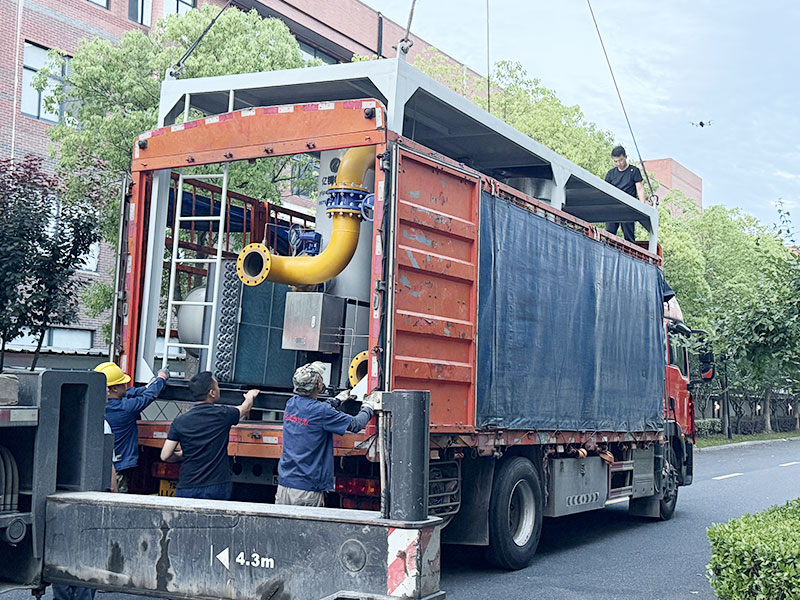
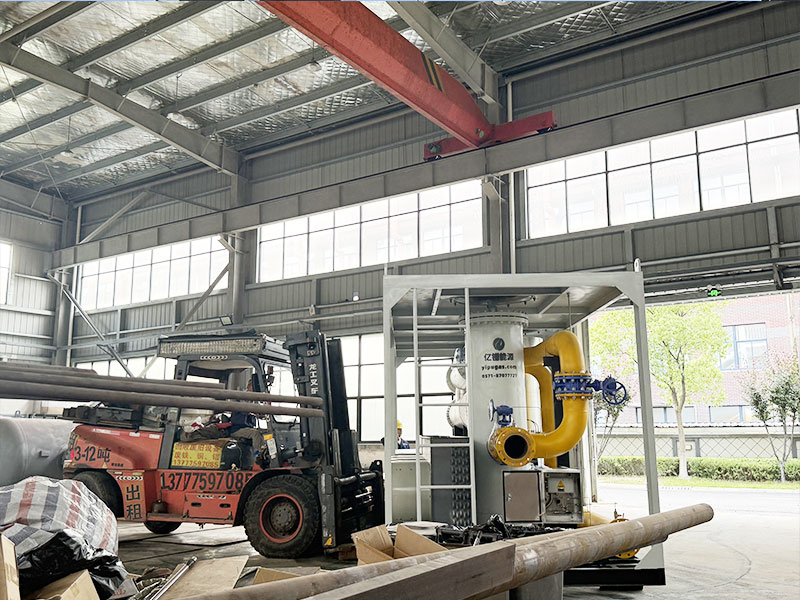
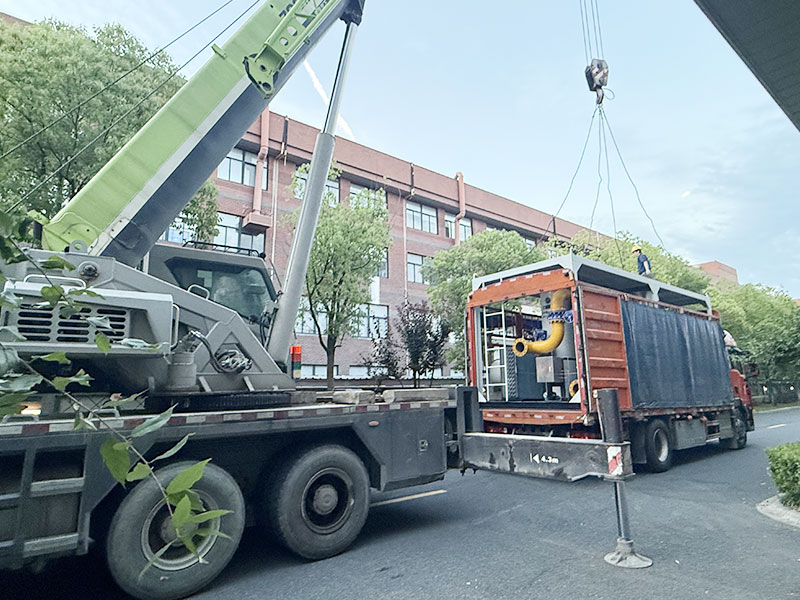
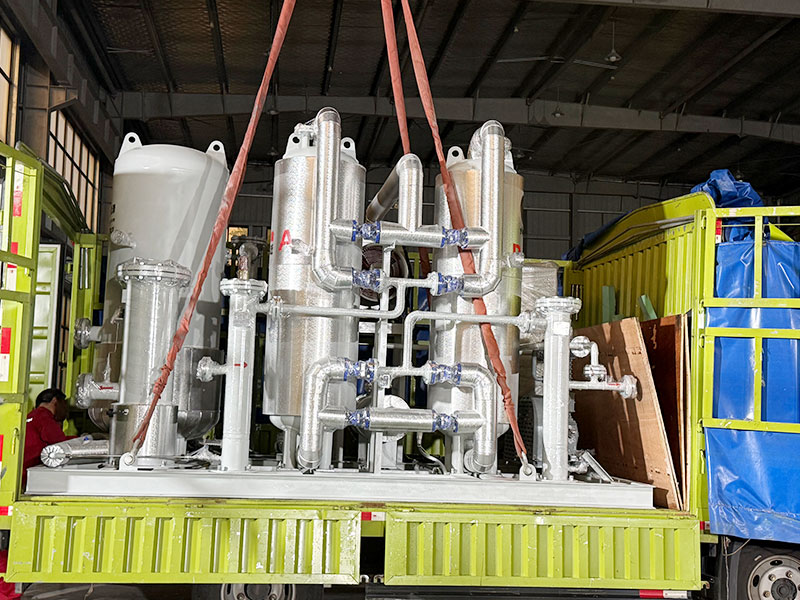
Professional production team, with strict quality control implemented in every production process
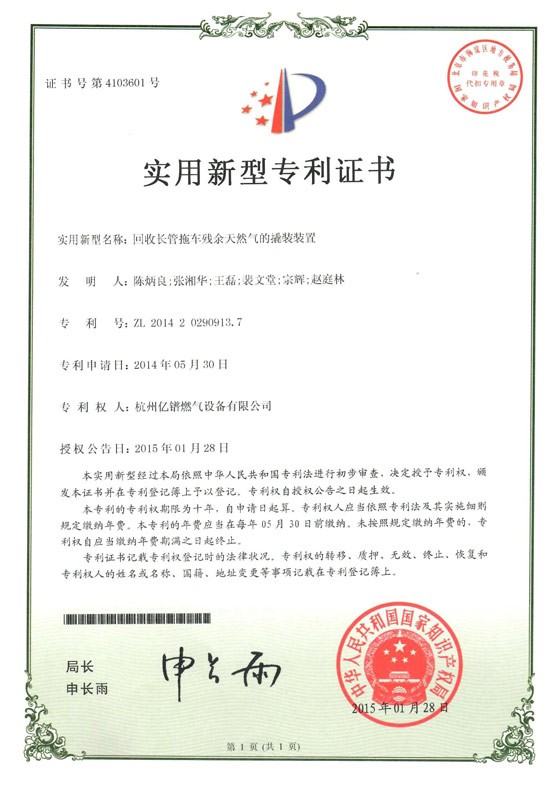
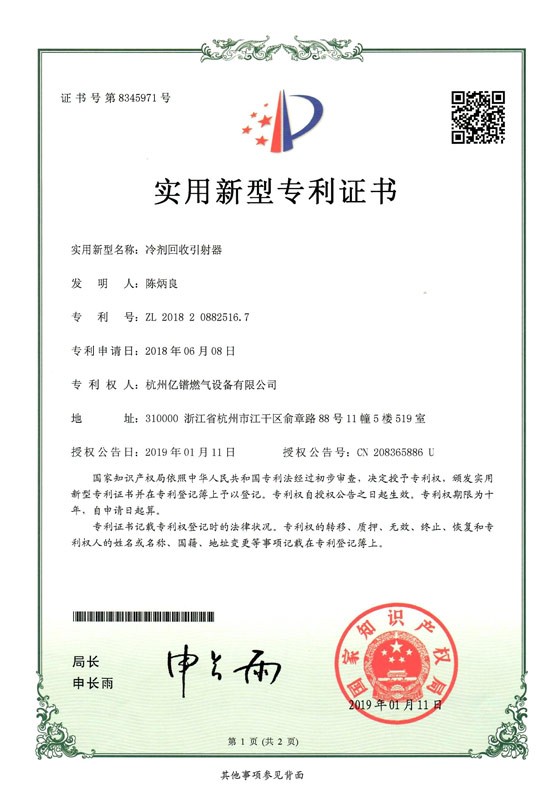
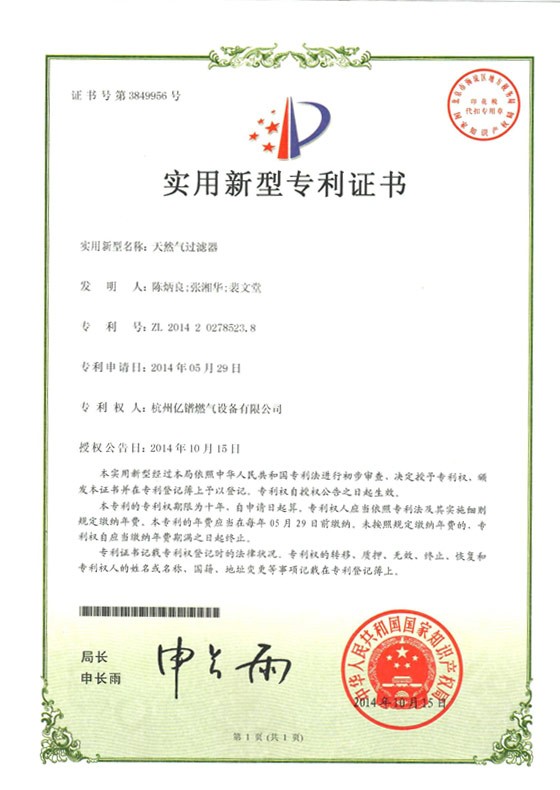
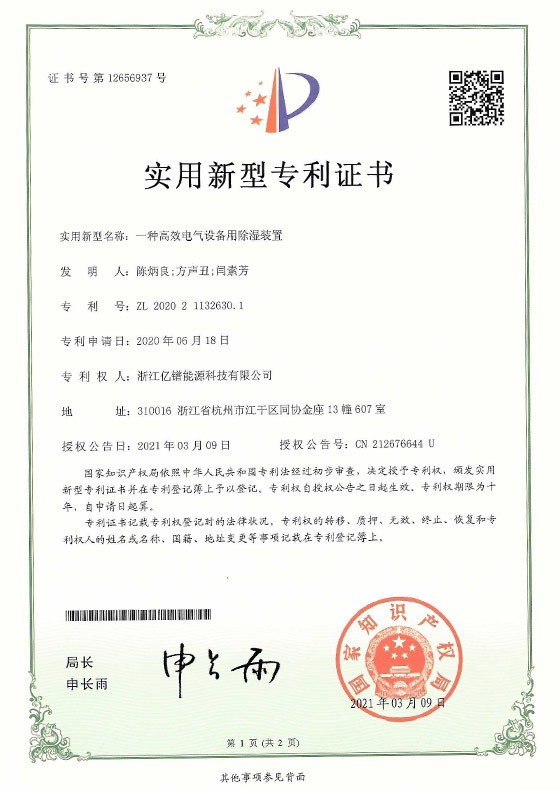
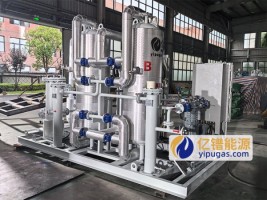
Market pain points In the process of natural gas extraction, processing, and transportation, the pre...
MORE >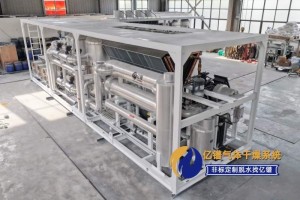
I. Market Pain Points During oil and gas field development, oilfield wellhead gas often contains lar...
MORE >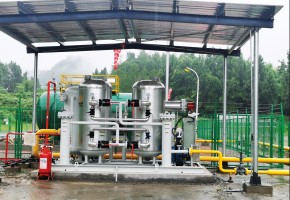
Market pain pointsAs a clean energy source, natural gas faces its greatest hidden risk during ...
MORE >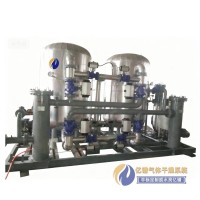
I. Market Pain Points In the process of natural gas extraction, gathering and transportation, and CN...
MORE >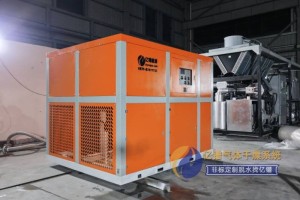
Safe and Worry-Free In the process of biogas energy utilization, moisture removal is a key step to e...
MORE >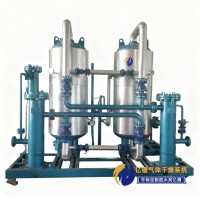
I. Market Pain Points In the extraction, gathering and transportation, and filling station applicati...
MORE >Some Customers









We are very impressed with Yipu. The company not only guarantees equipment quality, but the entire transaction process is also very worry-free and smooth.

Our previous system had serious pressure fluctuation problems. After replacing this set of equipment, it runs much more smoothly. Moreover, the team also customized and developed control logic for our on-site working conditions, saving us a lot of troubleshooting time.

At first I was worried about the installation and commissioning of the equipment, but Yipu's after-sales team provided us with step-by-step guidance. The equipment started up and was put into use smoothly, and since then our maintenance workload has been significantly reduced.
Xiaoxu Group Site Customer Acquisition focuses on network customer acquisition pipeline construction, always adhering to the values of "Do what you say, simple and trustworthy", striving to become the first brand in internet marketing execution, insisting on content as the center, through group sites + media account groups + short video groups to clearly tell enterprises: Who am I? Who really needs it? Why should they buy from you instead of from the neighbor? Always adhering to the marketing co