
| Problem | Solutions |
|---|---|
| In the low-temperature winter environment of Shanxi, natural gas pipelines are prone to ice blockage, causing gas transmission interruption | Using the Yipu natural gas dehydration unit, the outlet atmospheric dew point is reduced to ≤-40℃, removing moisture from the source and effectively preventing hydrate formation |
| Moisture combines with acidic components such as CO₂ to form acidic solutions, corroding pipelines and compressors | Through deep dehydration with molecular sieves, the conditions for acidic solution formation are reduced, and with anti-corrosion material pipelines and regular maintenance, the service life of the equipment is extended |
| Excessive moisture in natural gas leads to inaccurate heating value and metering, affecting trade settlement | Using the Yipu natural gas dehydration unit to stably control the dew point at ≤-40℃, ensuring that the gas quality meets the GB17820 index requirements and safeguarding metering accuracy |
| The traditional open regeneration process has large natural gas venting losses and high operating costs | Using the isobaric semi-open countercurrent regeneration process, the regenerated natural gas is cooled, separated, and returned to the inlet for recycling, reducing gas loss |
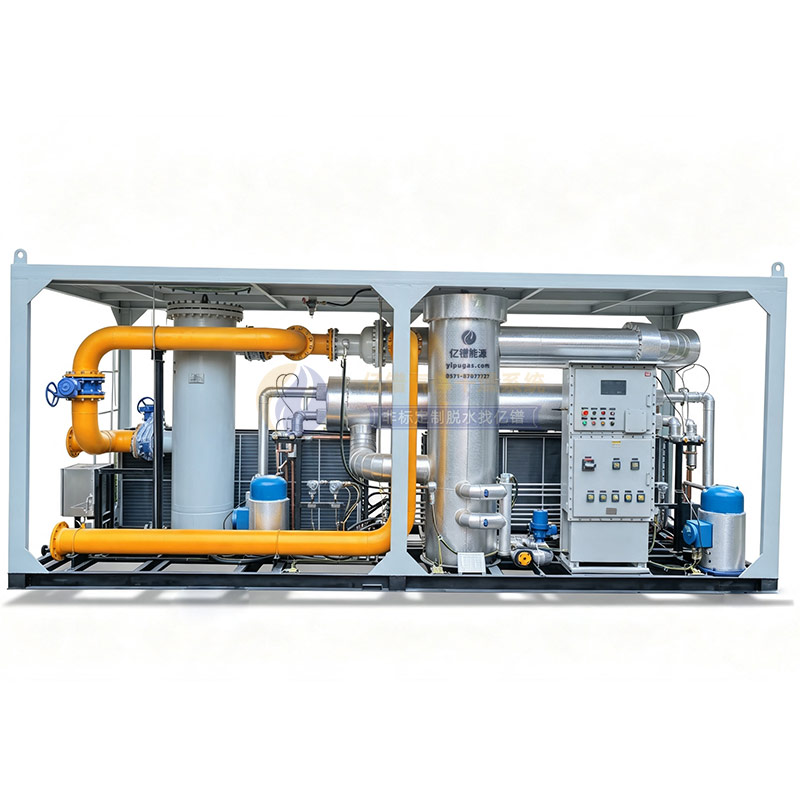
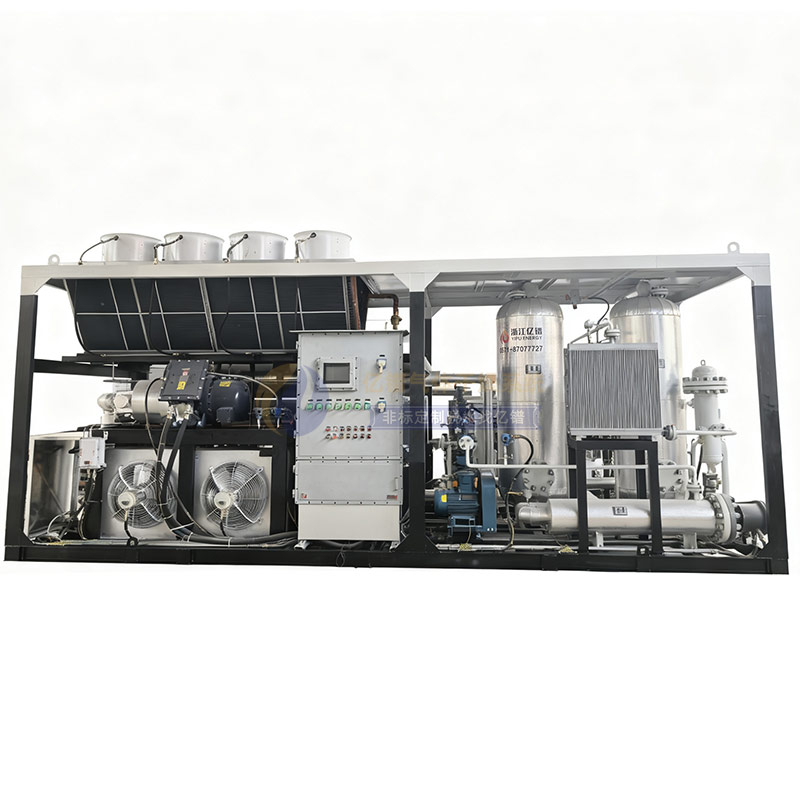
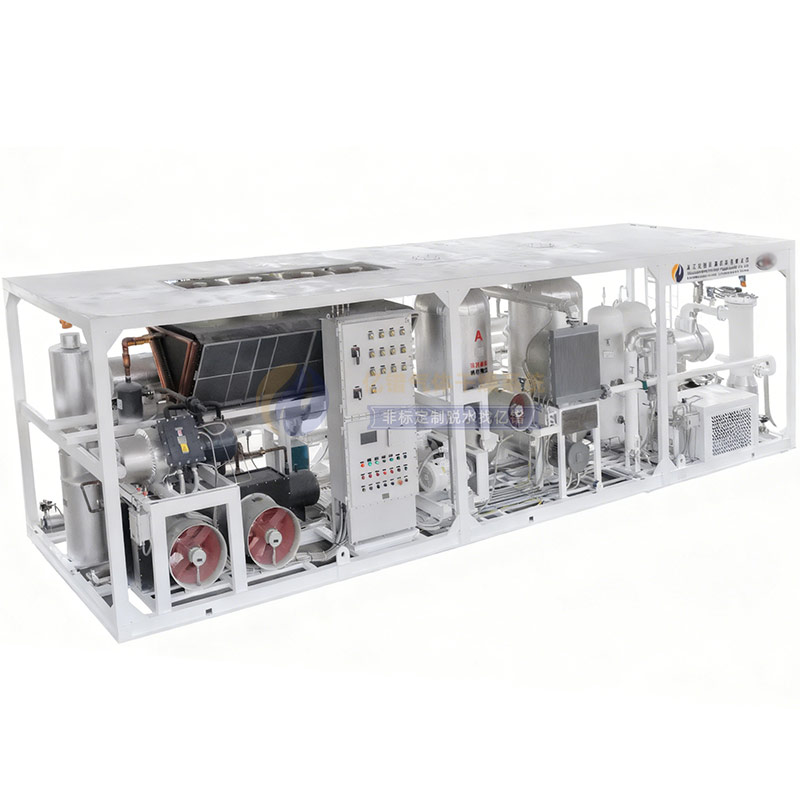
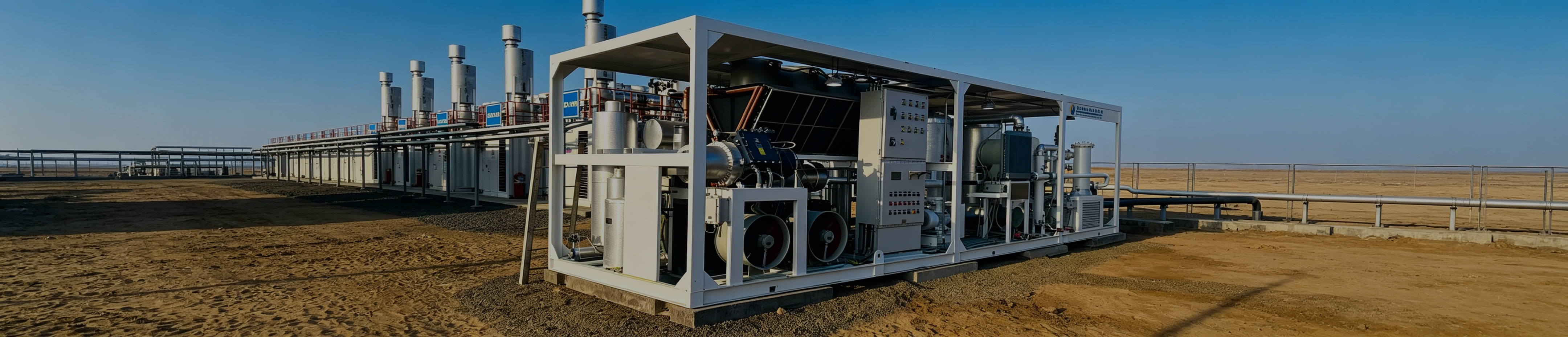
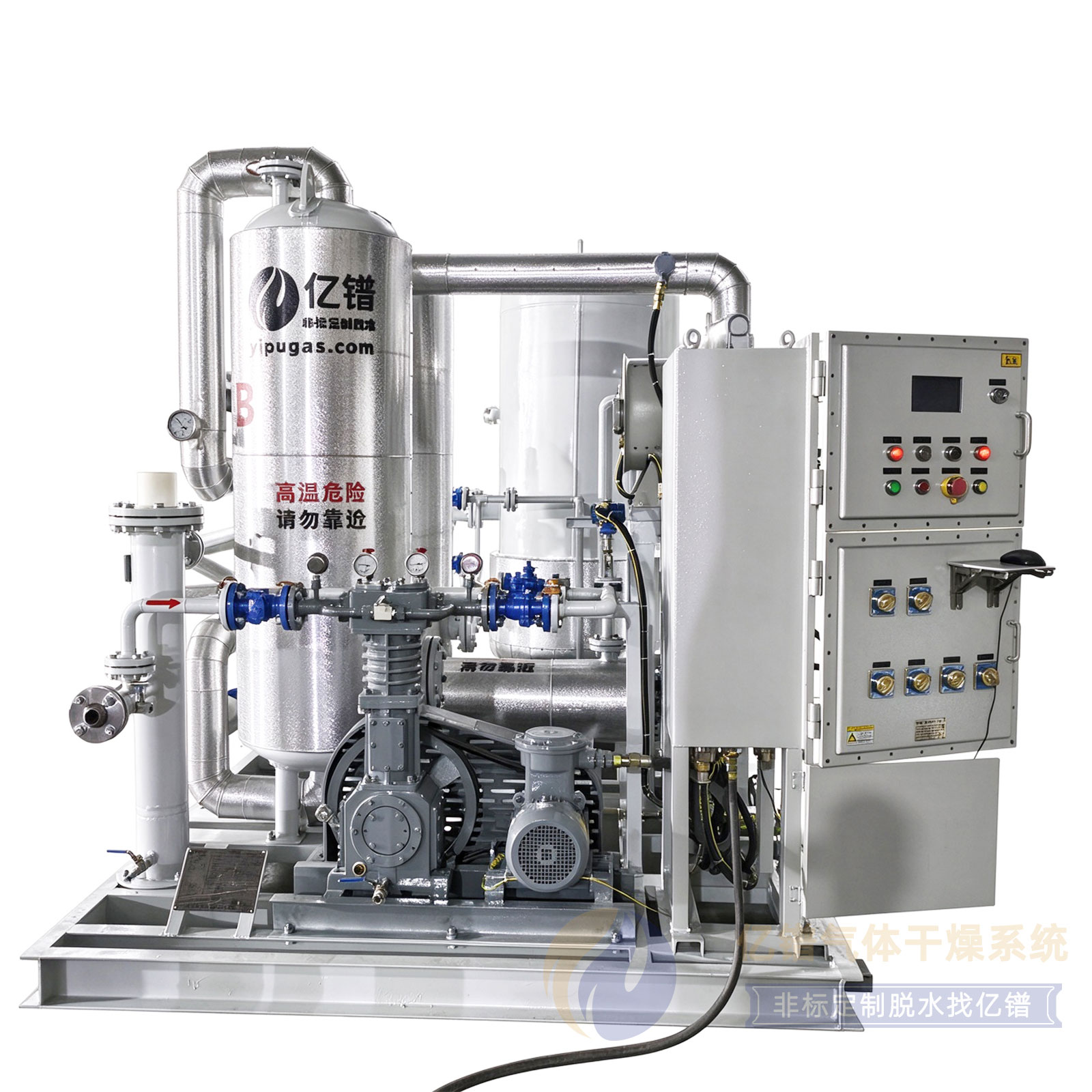
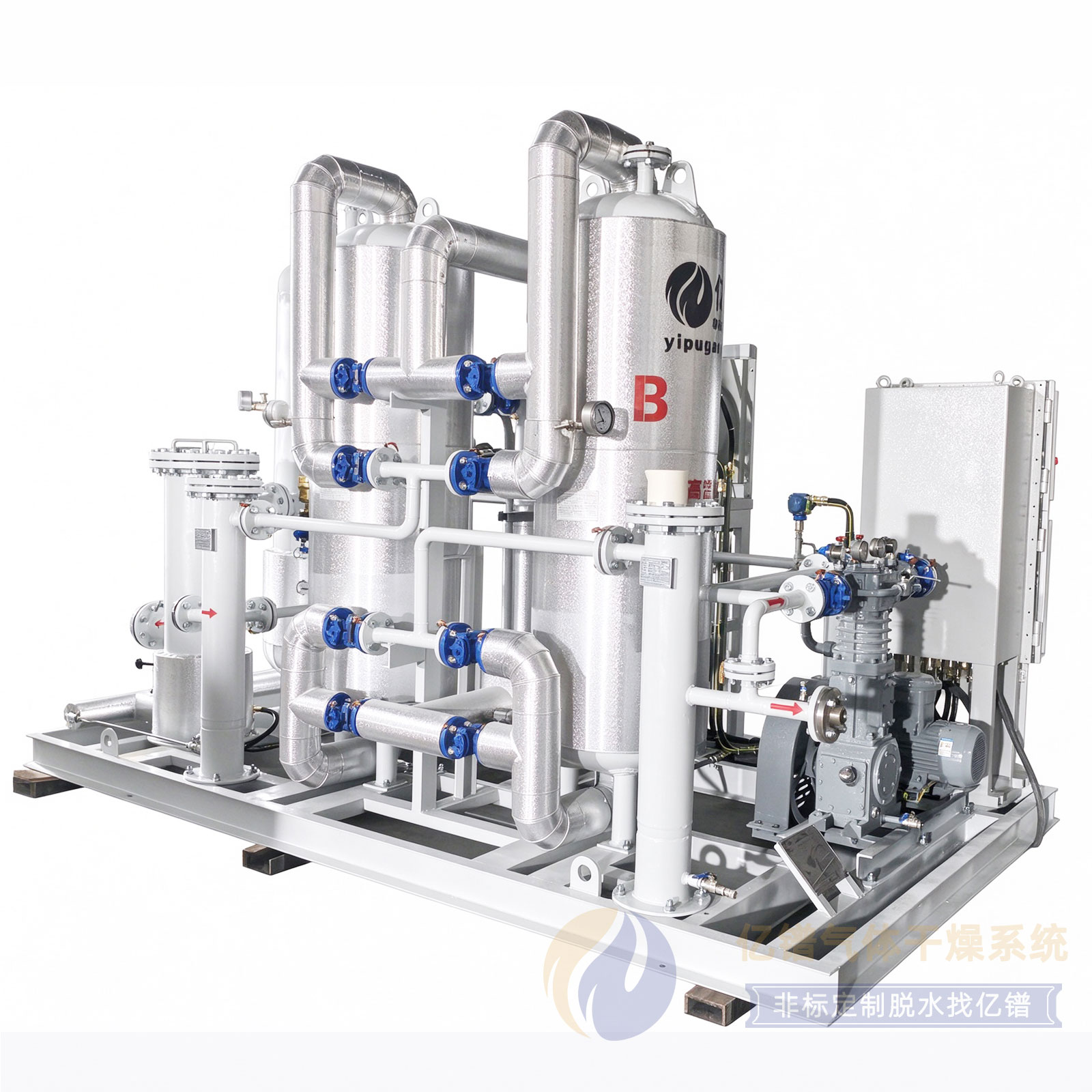
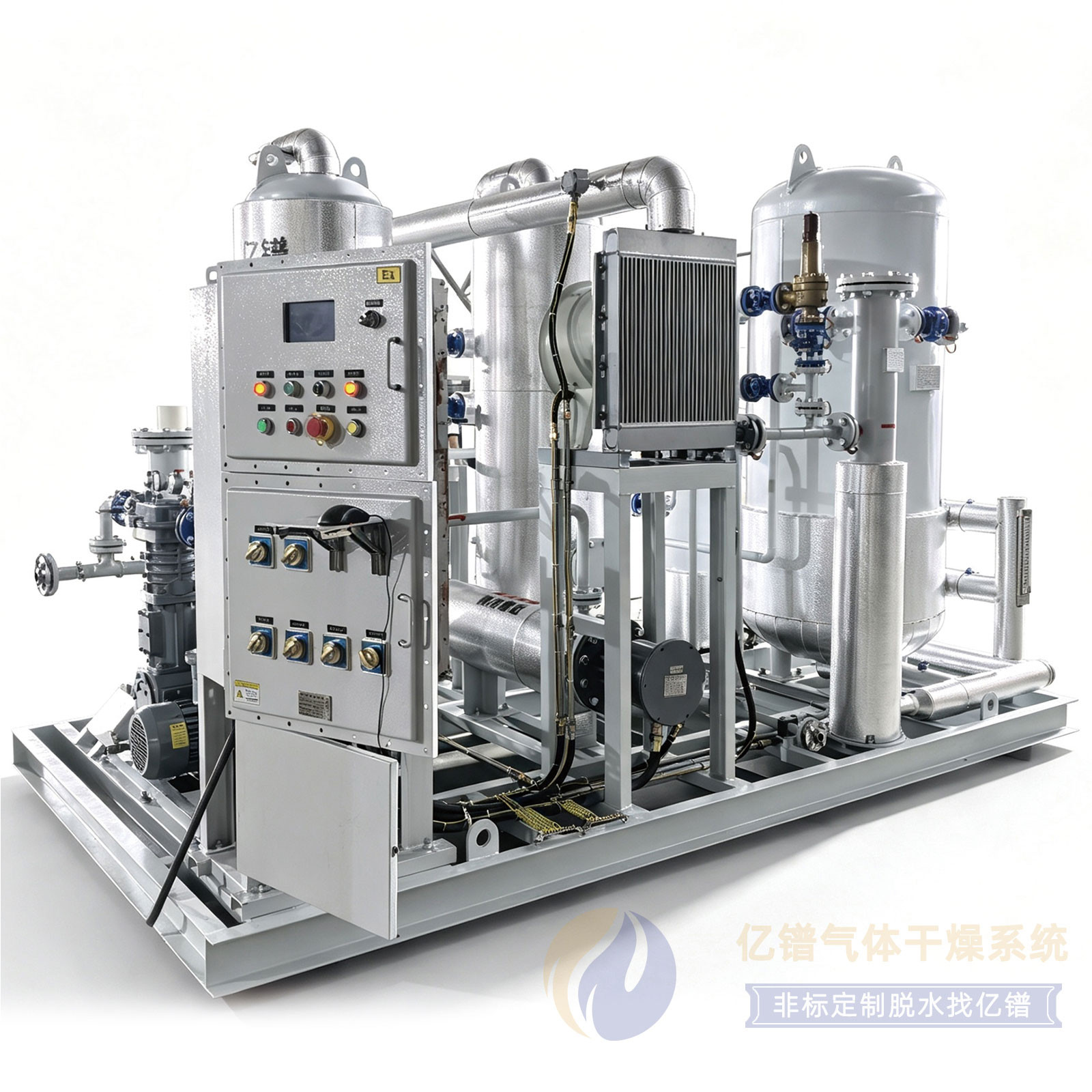
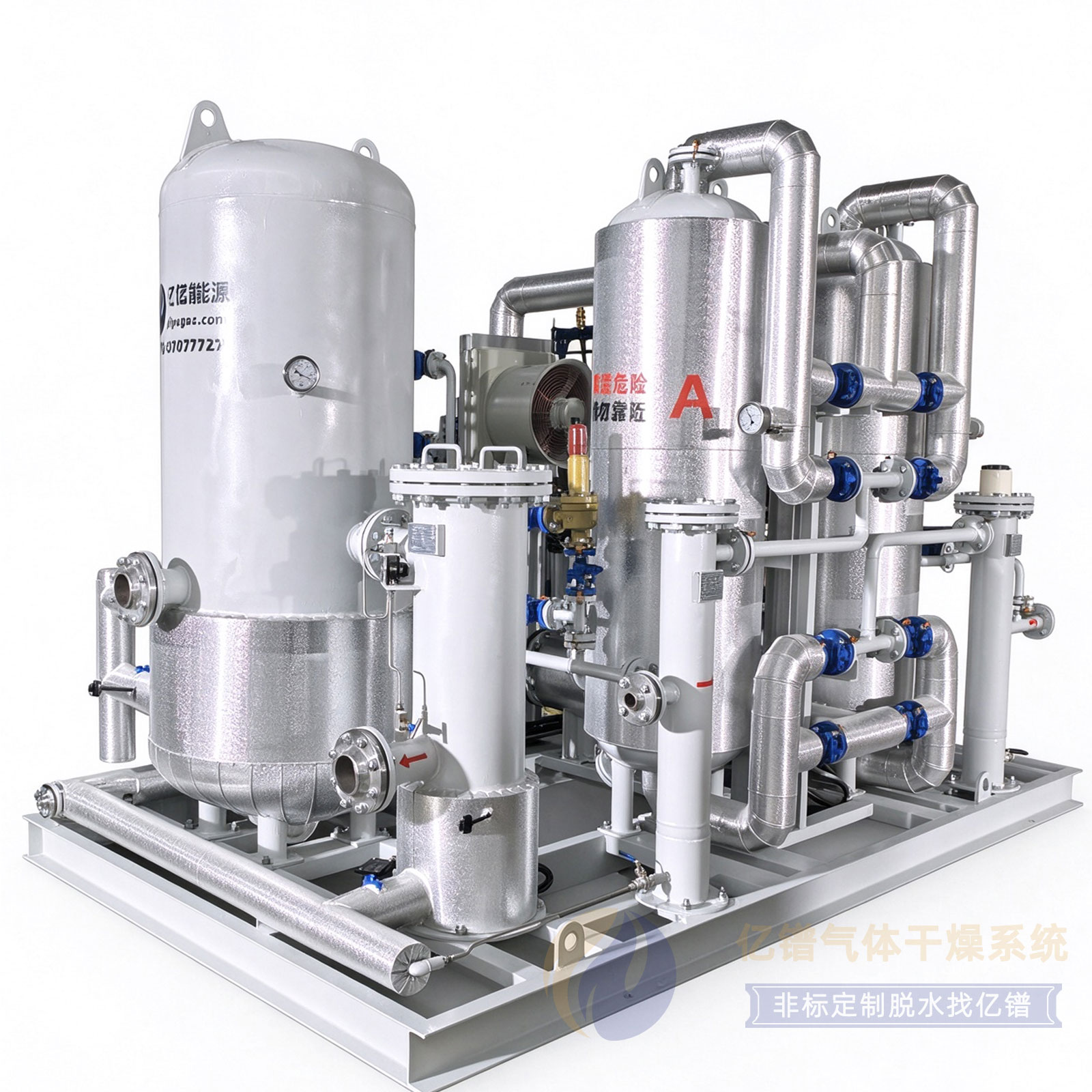
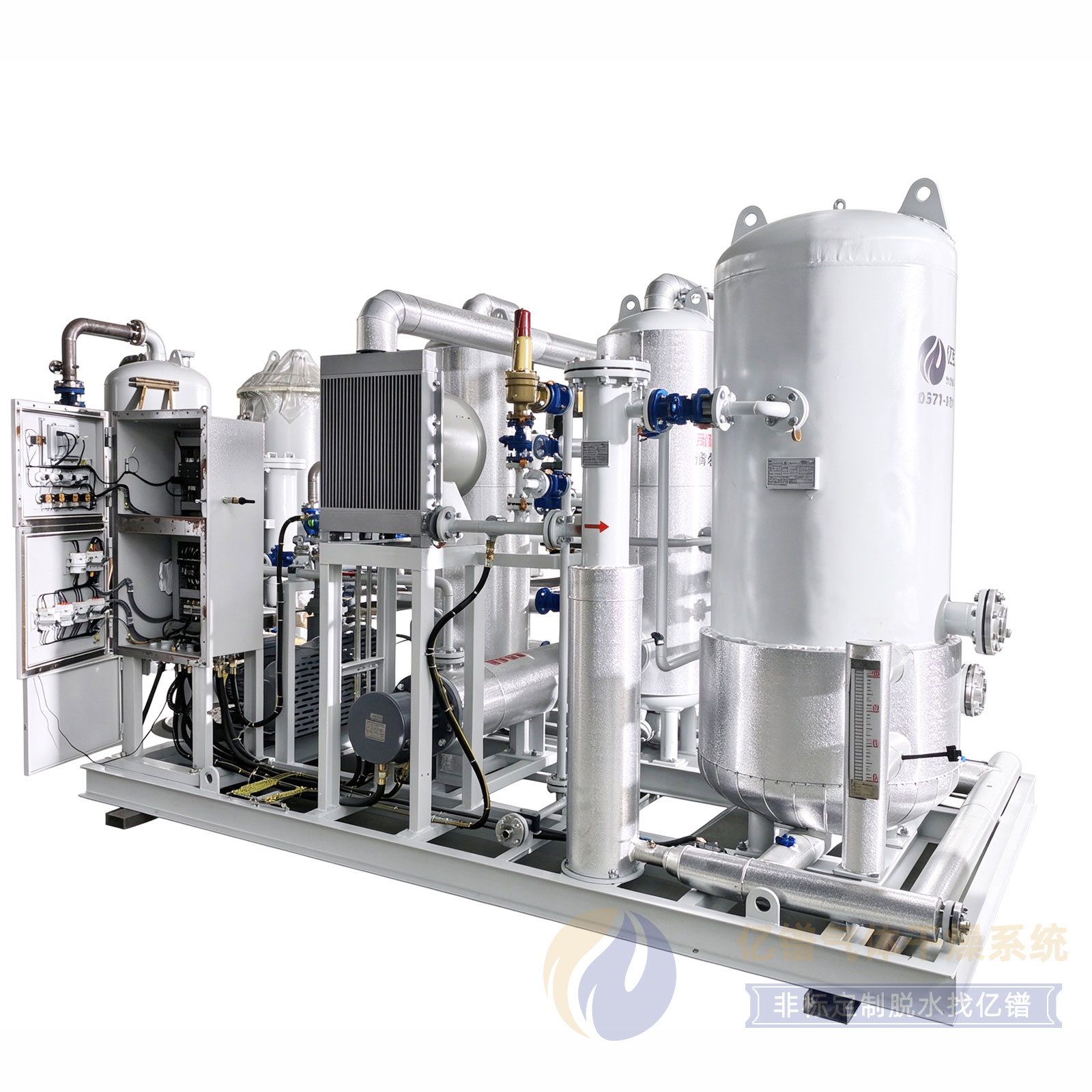
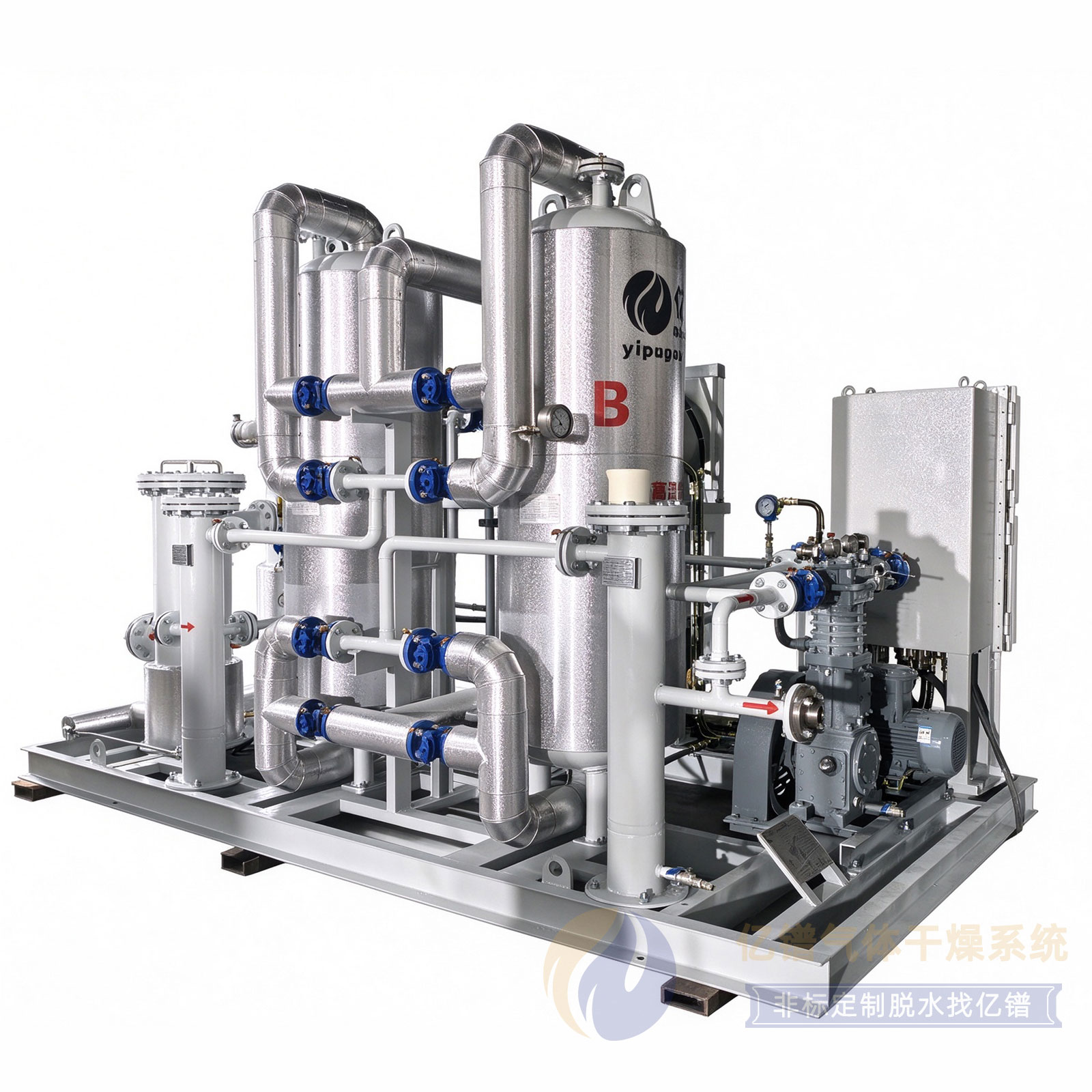
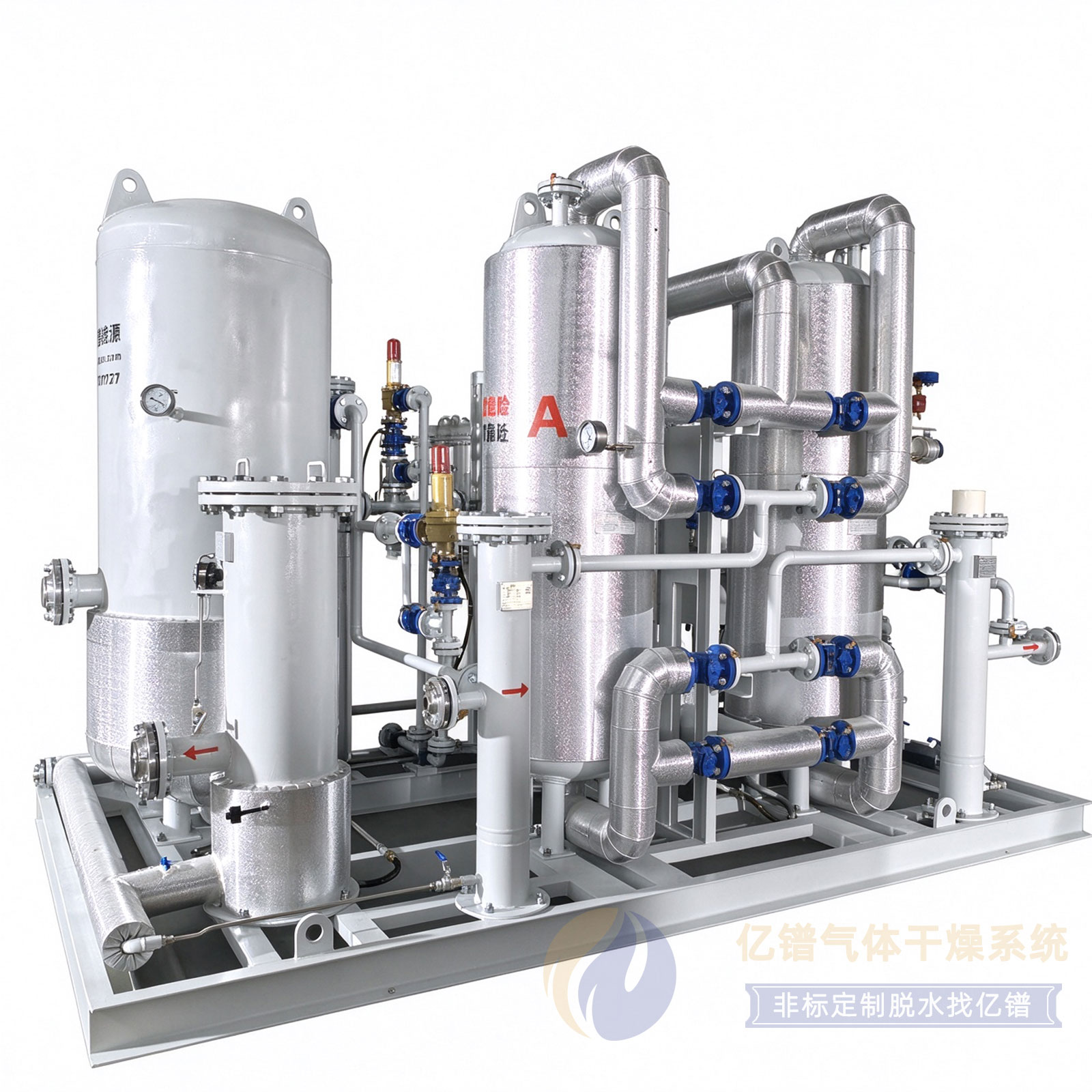
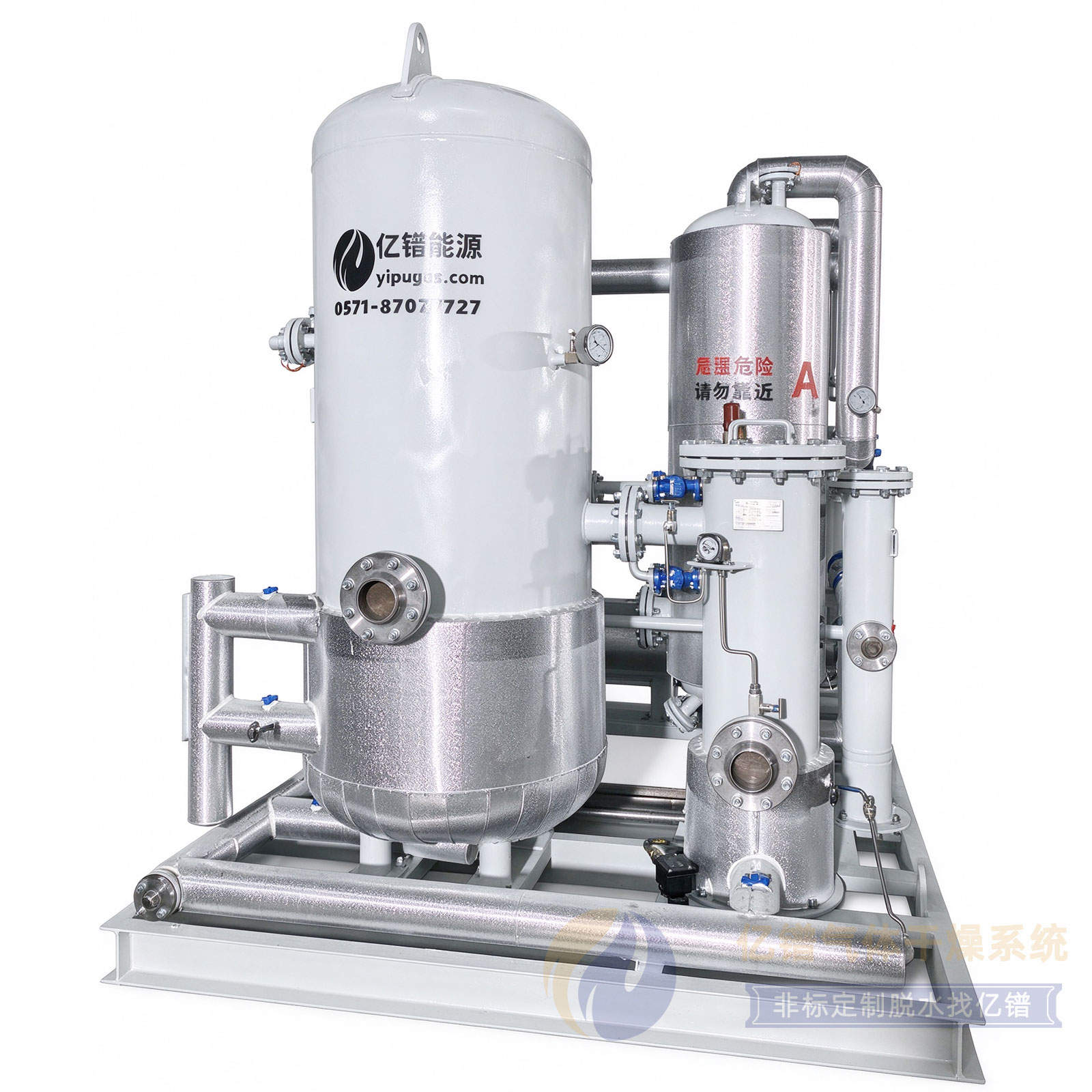
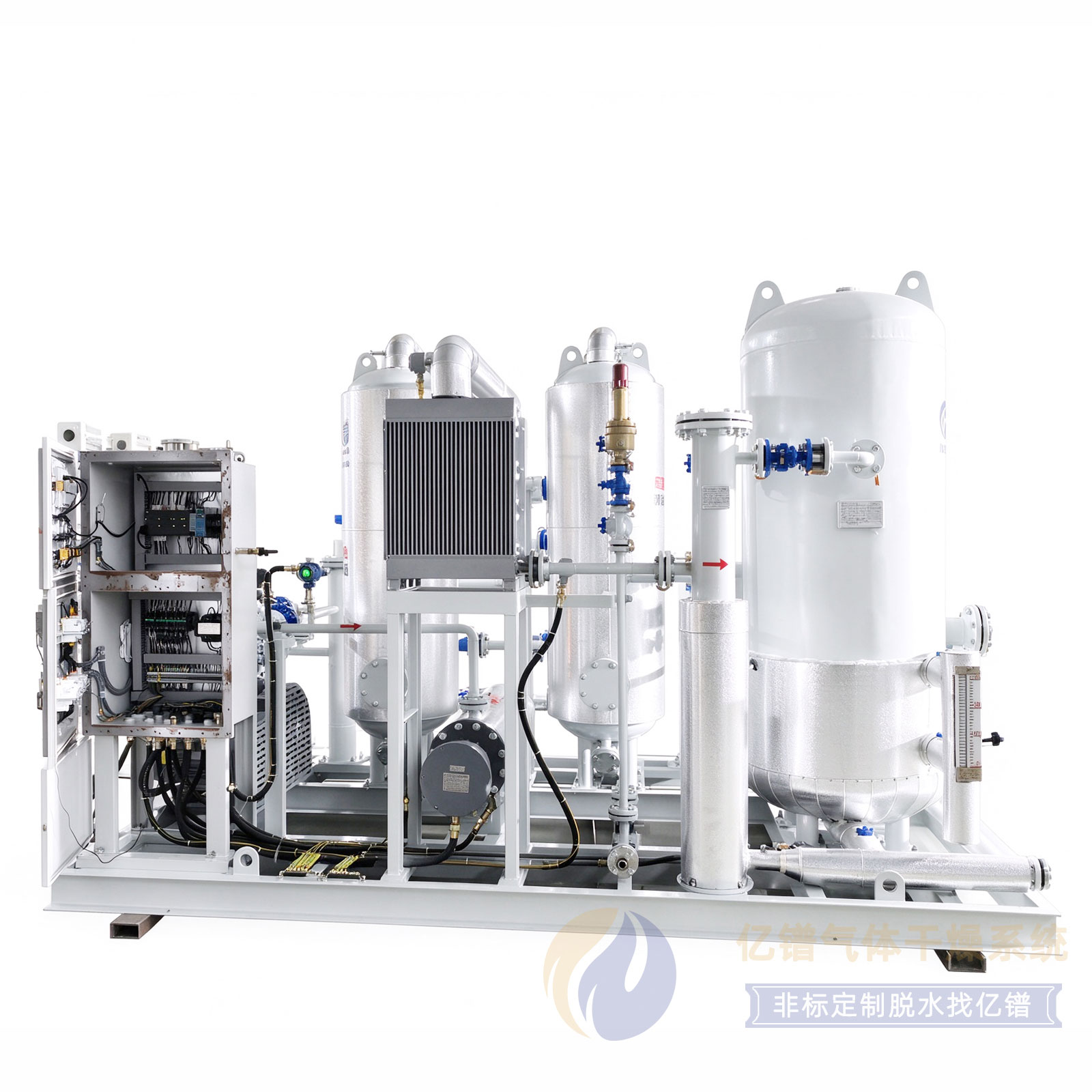
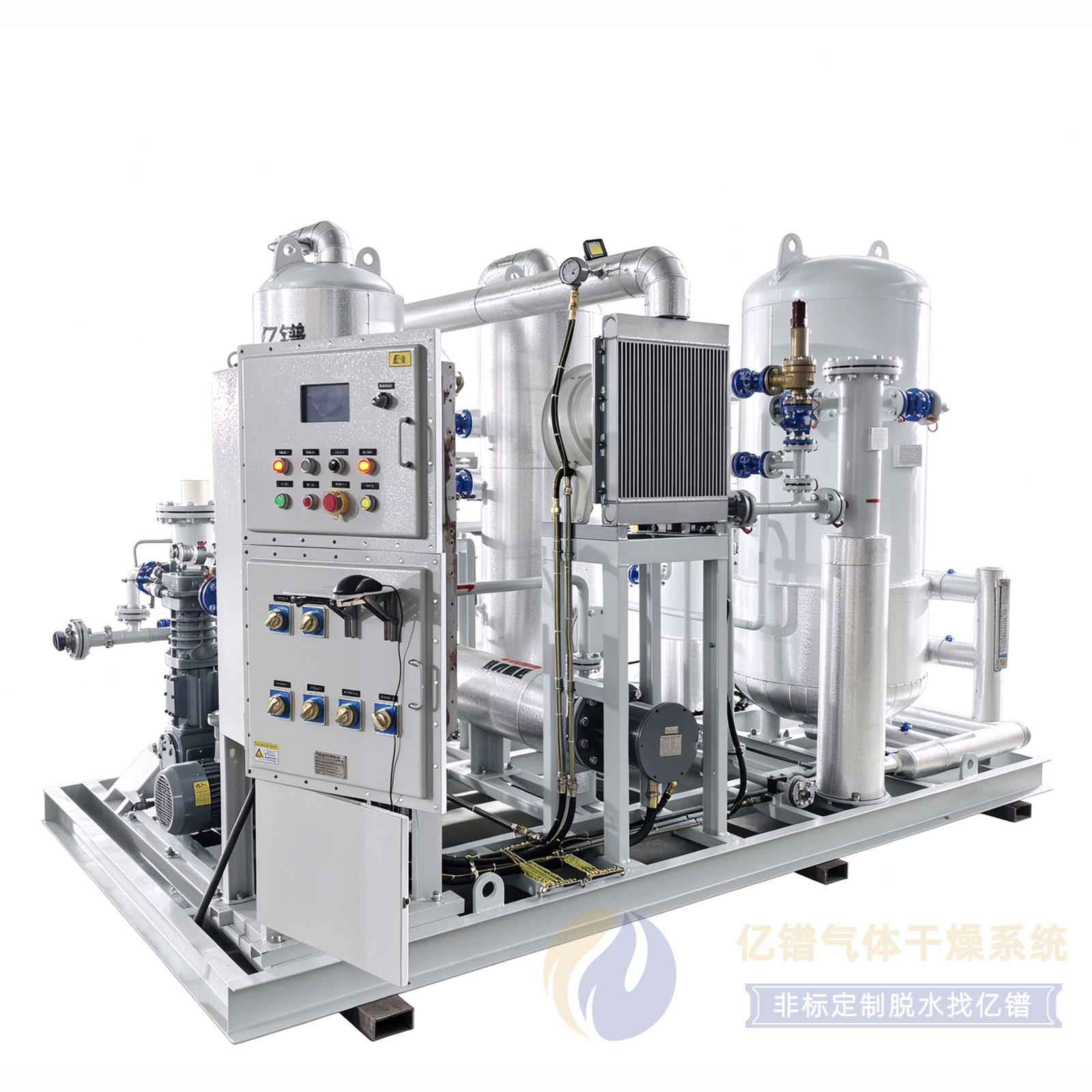
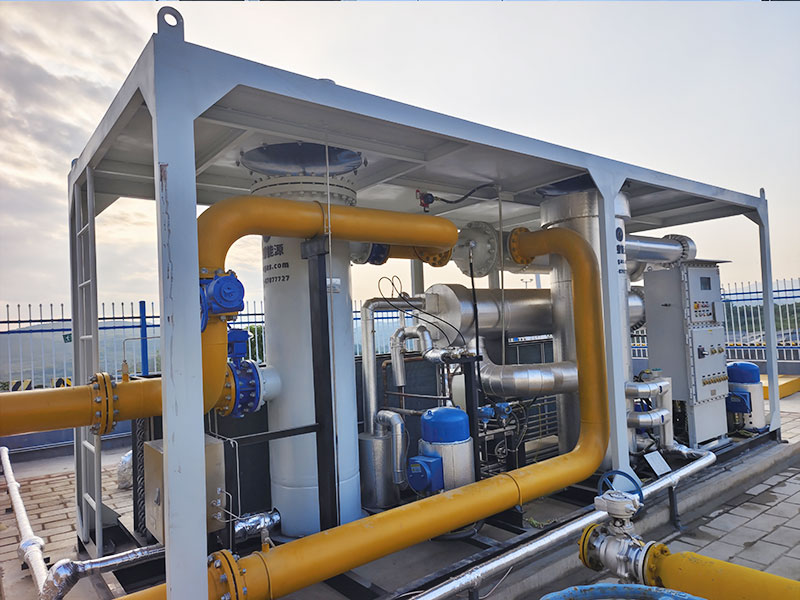
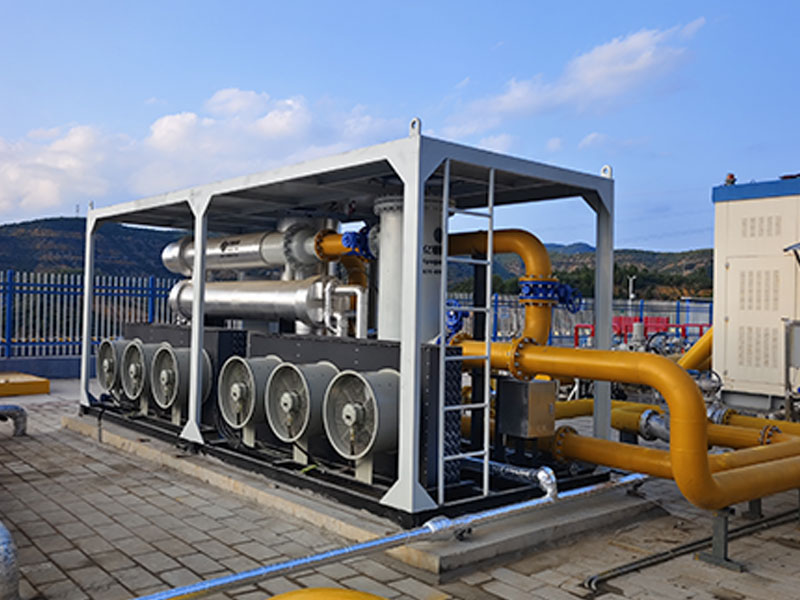
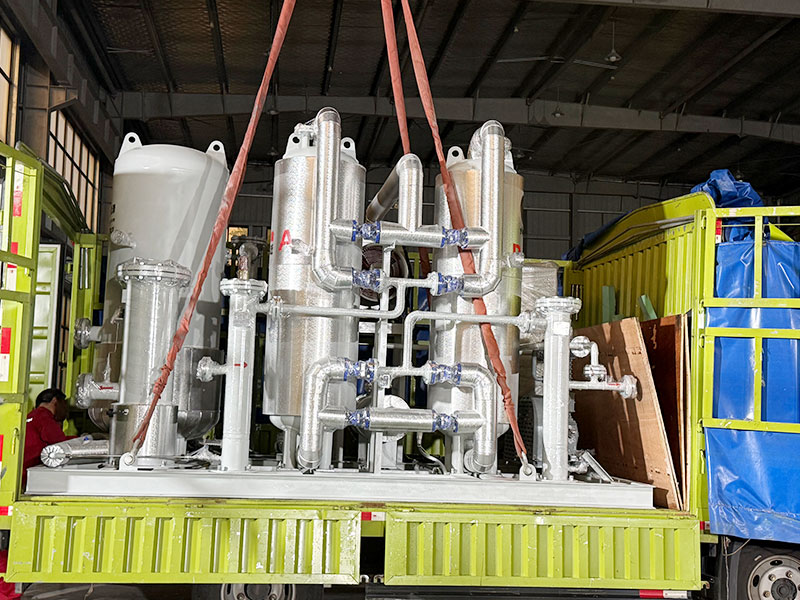
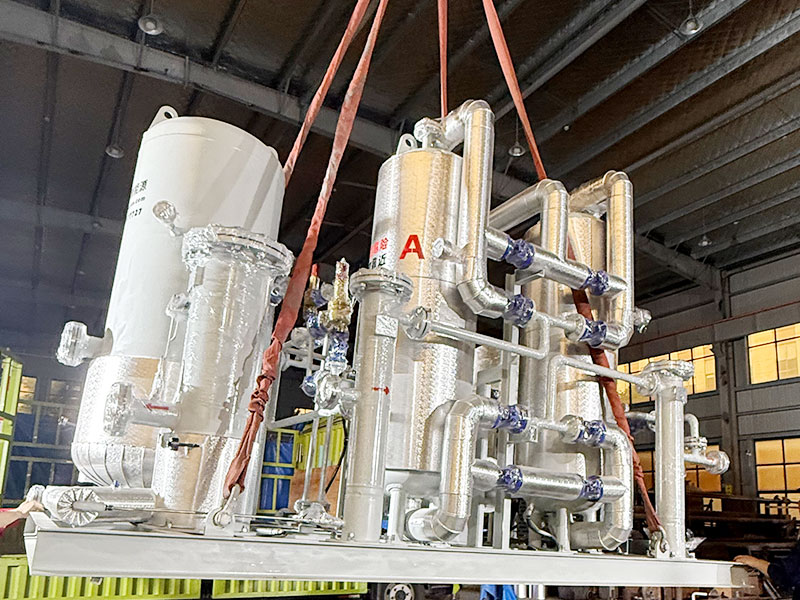
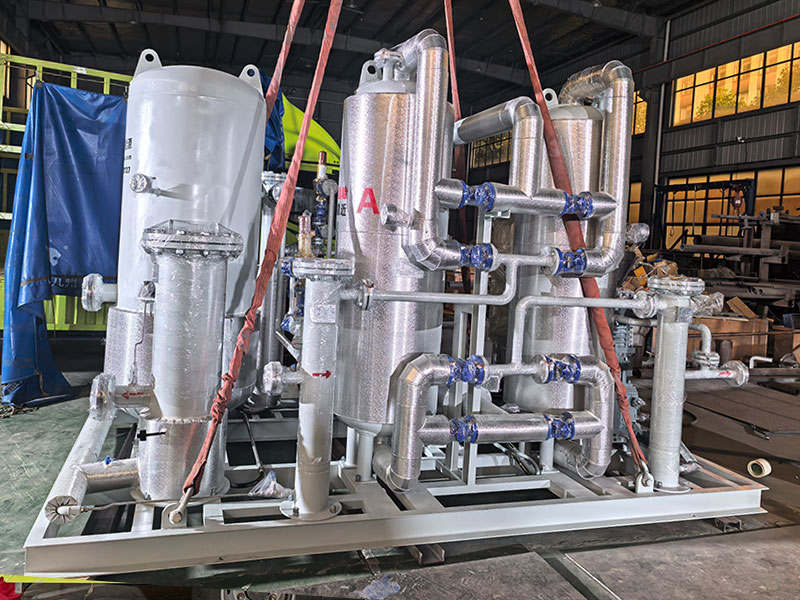
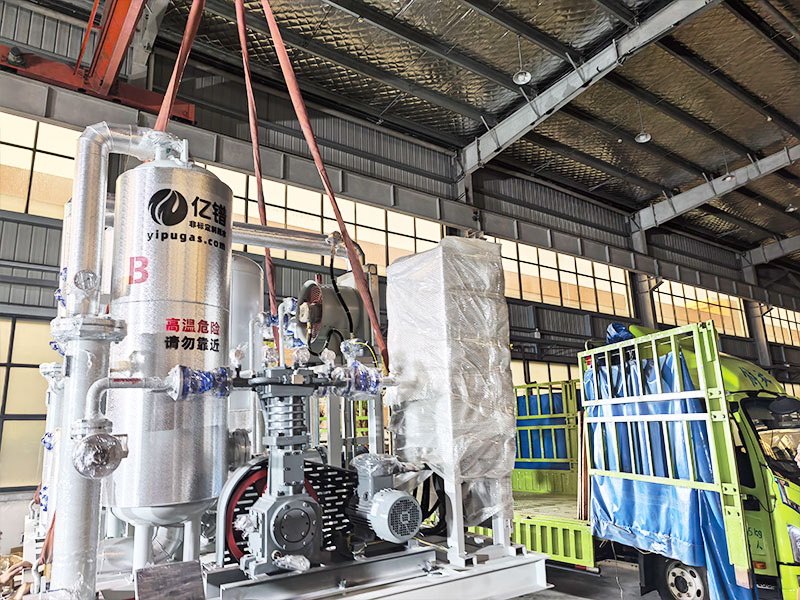
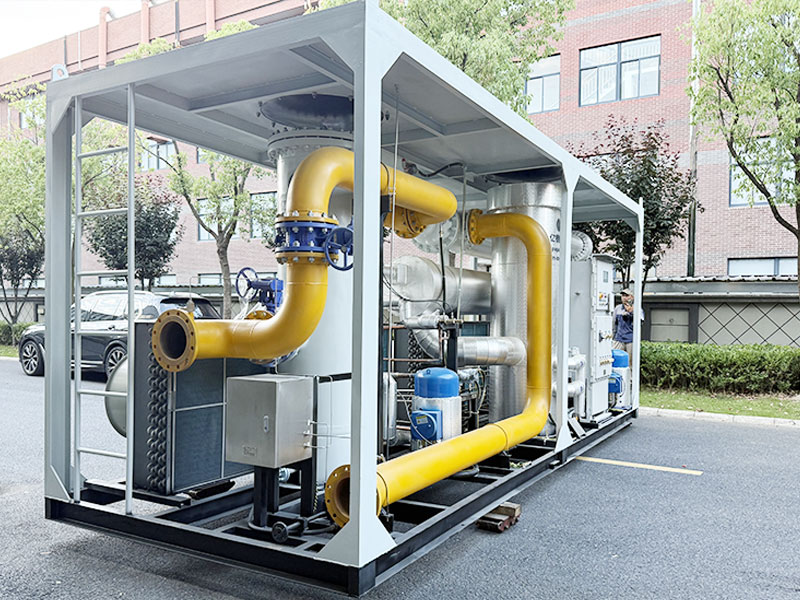
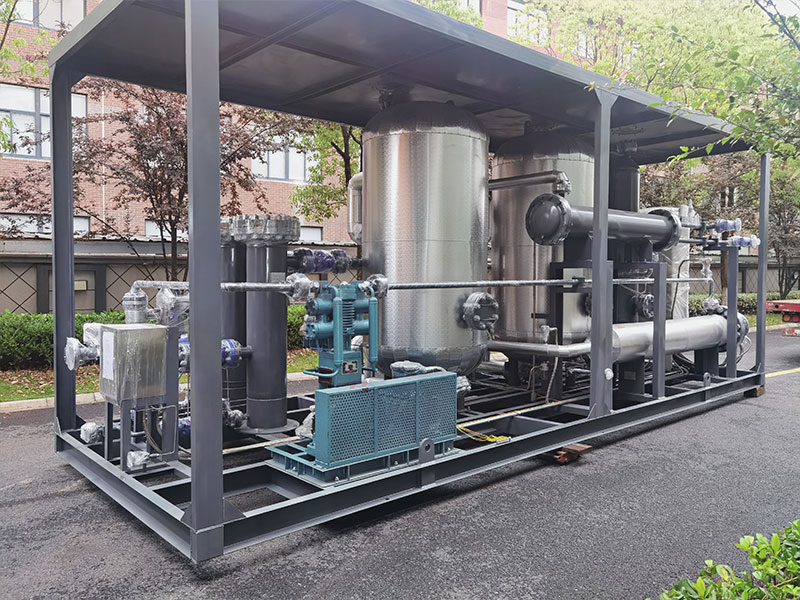
| Small and medium-sized gas fields and gas gathering stations have limited space, and equipment installation takes a long time | The skid-mounted Yipu natural gas dehydration unit is selected, with overall dimensions of approximately 3000×1600×2500mm; on site, only flange connection and power wiring are required |
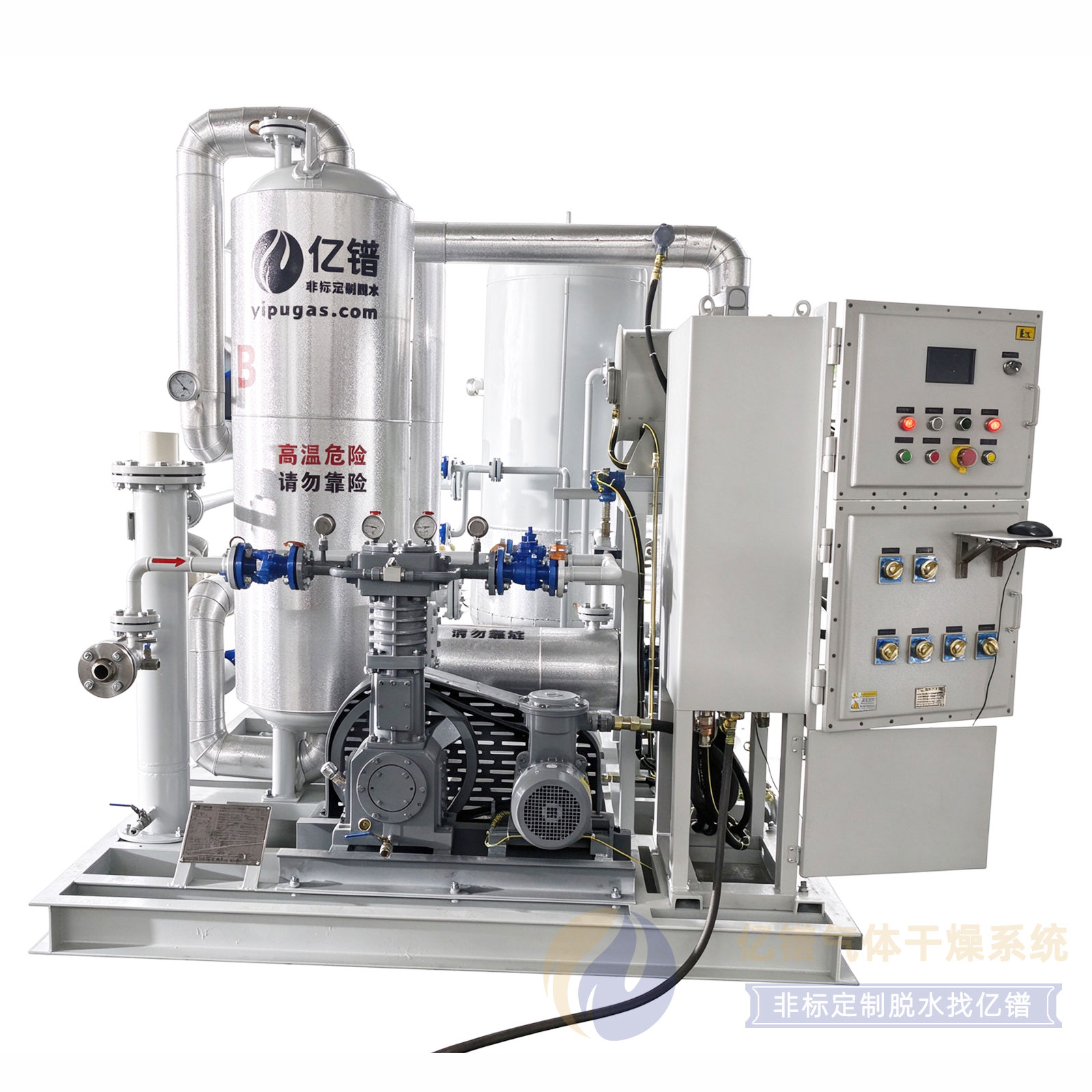
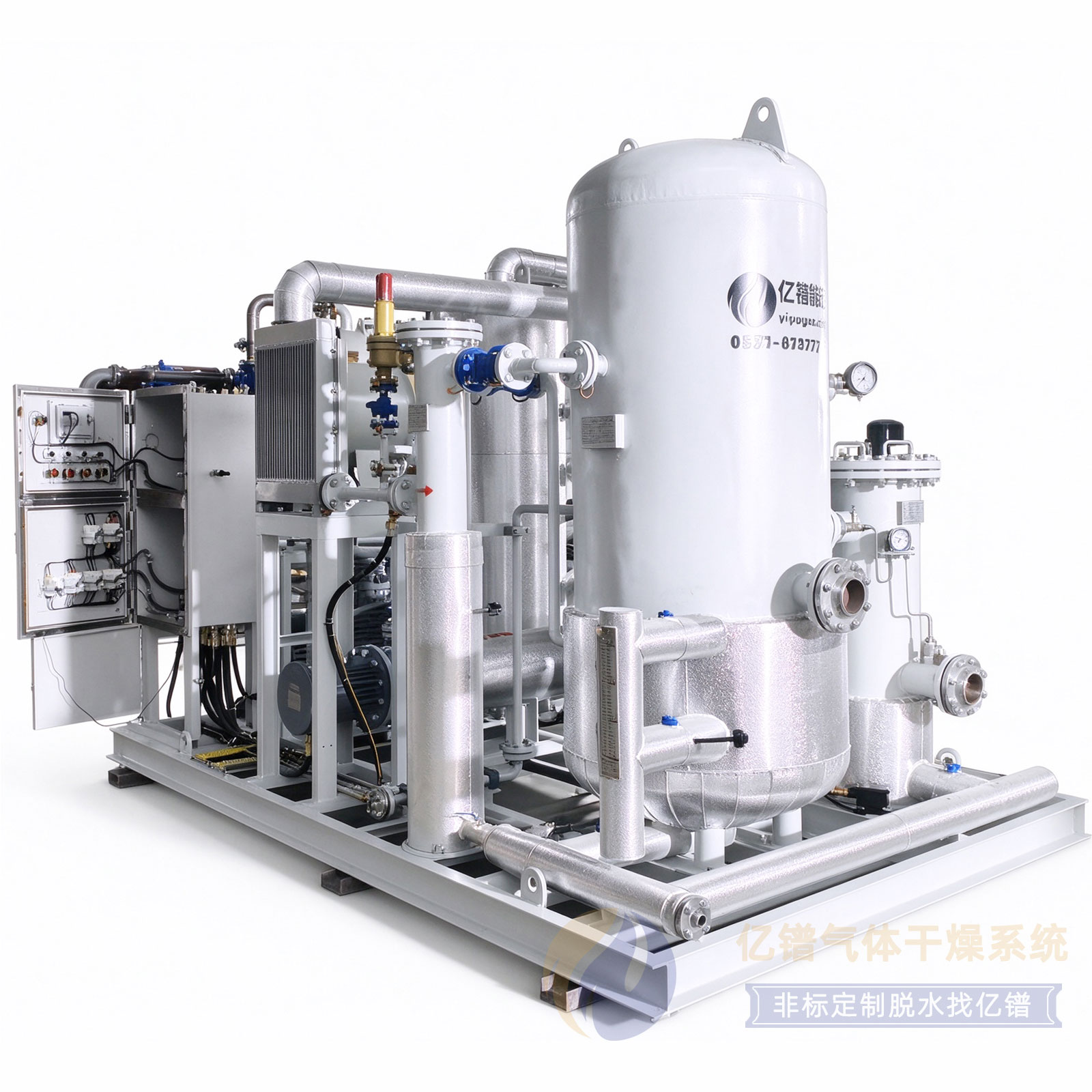
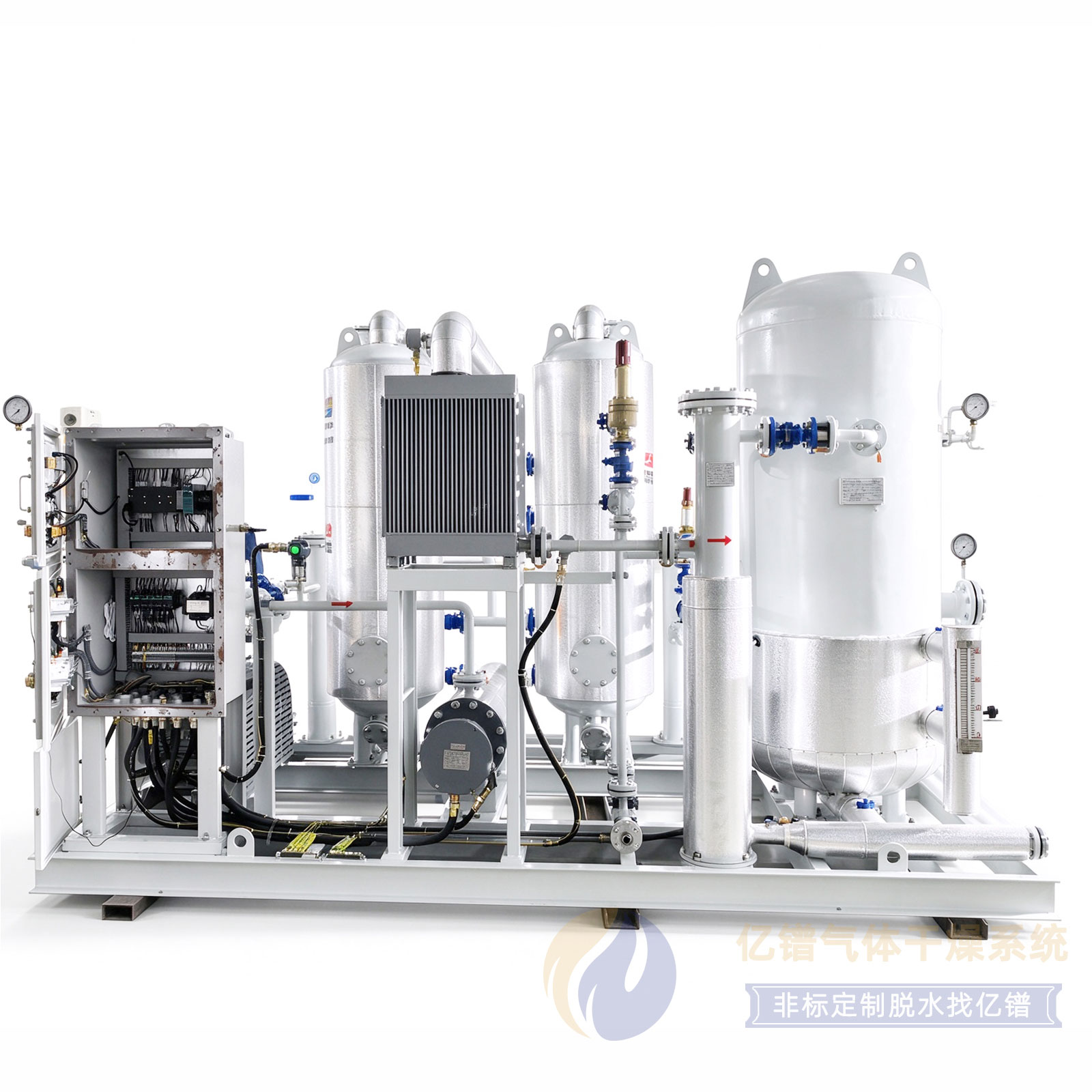
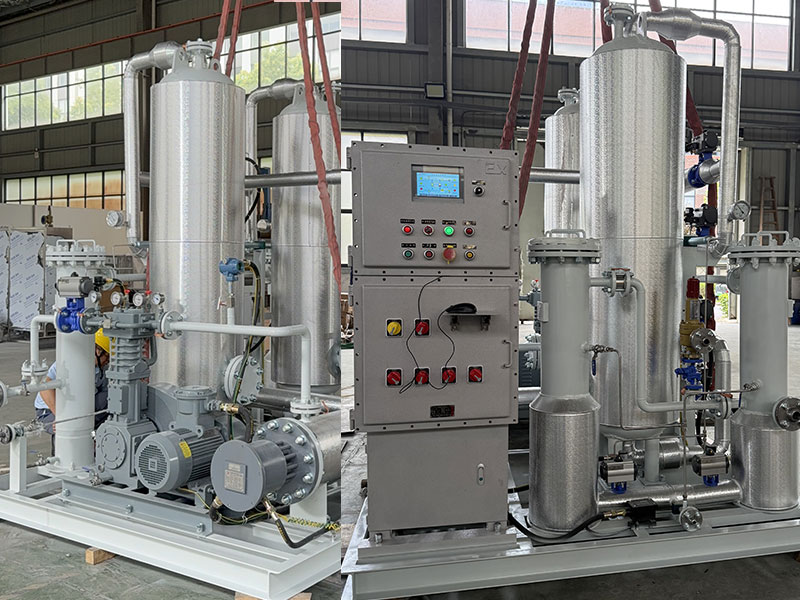
| Operators have limited technical skills and find it difficult to master complex dehydration processes | The unit adopts PLC semi-automatic control and is equipped with a Siemens touch screen human-machine interface for intuitive and simple operation. The supplier is responsible for training until personnel understand the principles and can operate the equipment |
| Frequent molecular sieve replacement and high maintenance costs | Yipu custom molecular sieve is designed with a service life of ≥20000h, combined with a pre-separation filter and a post dust filter to intercept impurities and extend the replacement cycle |
| Fixed regeneration cycle cannot adapt to gas source fluctuations | The regeneration cycle is ≤10h and adjustable, and can be flexibly set according to actual working conditions to meet dehydration needs under different gas source conditions |
| There are safety hazards when the equipment operates in explosive atmospheres | The whole unit has explosion-proof rating ExdIIBT4, and key components such as explosion-proof electric heaters, explosion-proof boosters, and explosion-proof control cabinets are all configured according to explosion-proof standards |
| Slow after-sales response after equipment failure, affecting continuous production | The supplier promises to propose a solution within 8 hours, dispatch personnel to the site within 24 hours, and supply spare parts at stable prices within three years |
Dew point reaches minus 40 degrees
Meets stringent gas quality requirements

High explosion-proof rating for the entire unit
Stable operation in explosive environments

PLC semi-automatic control
Intuitive touchscreen operation

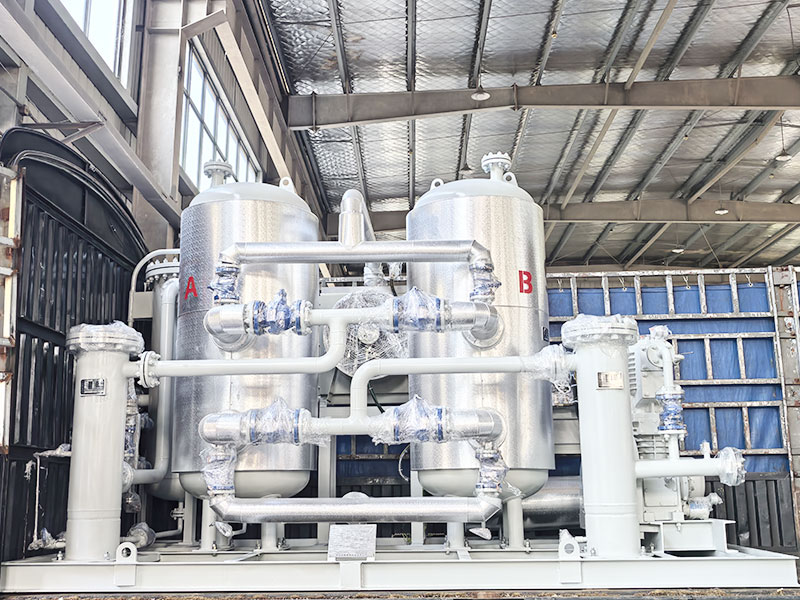
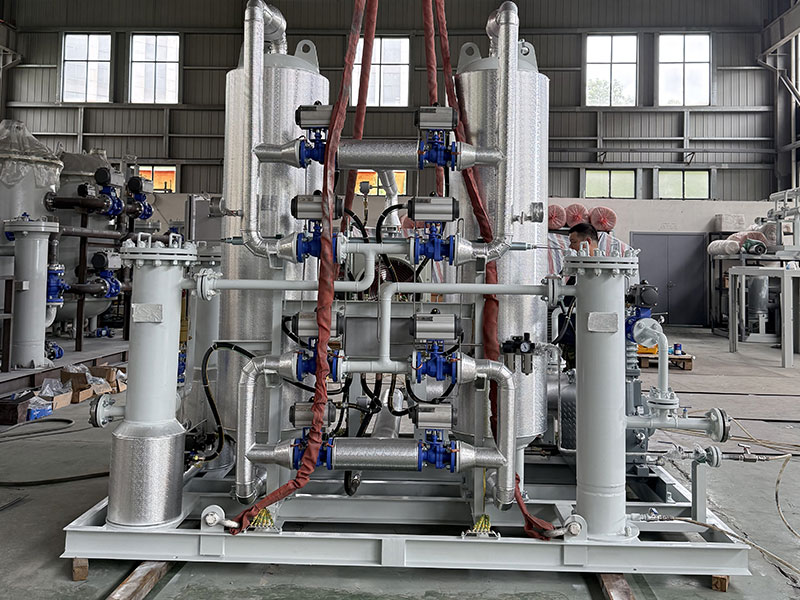
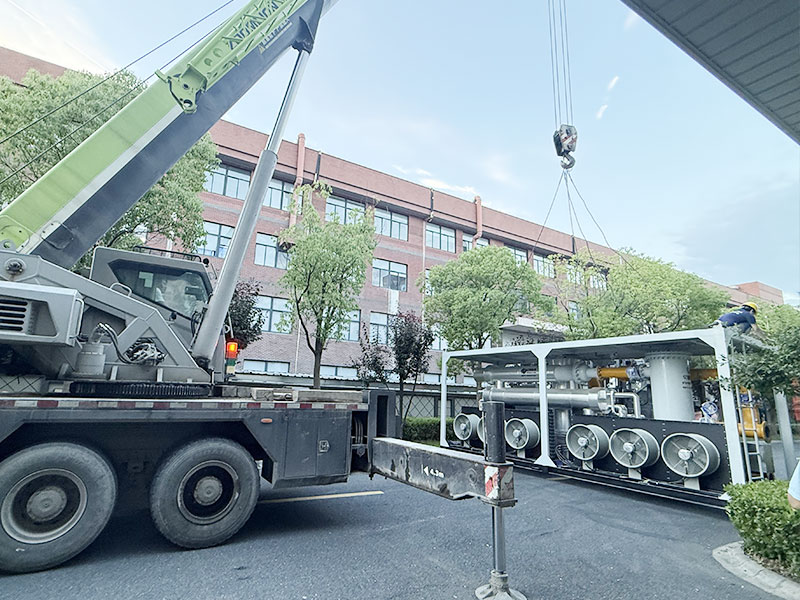
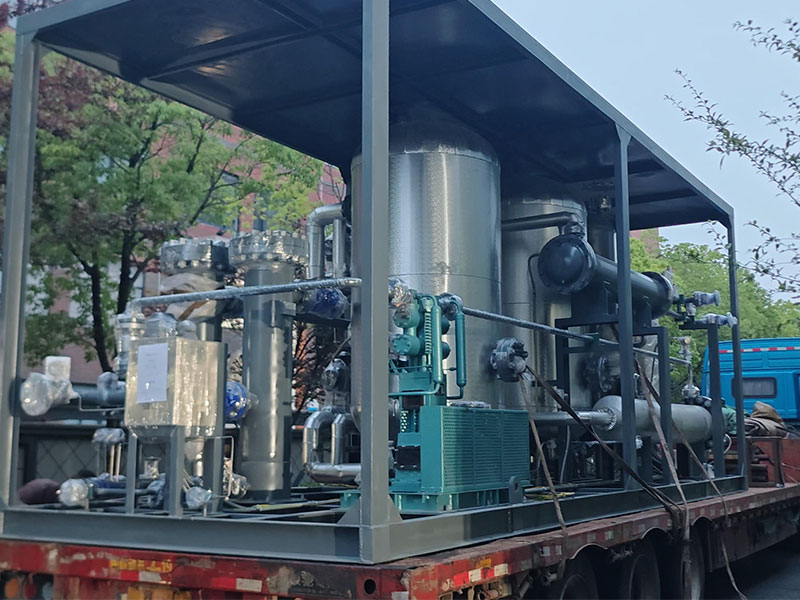
Fully skid-mounted, small footprint
Short on-site installation period

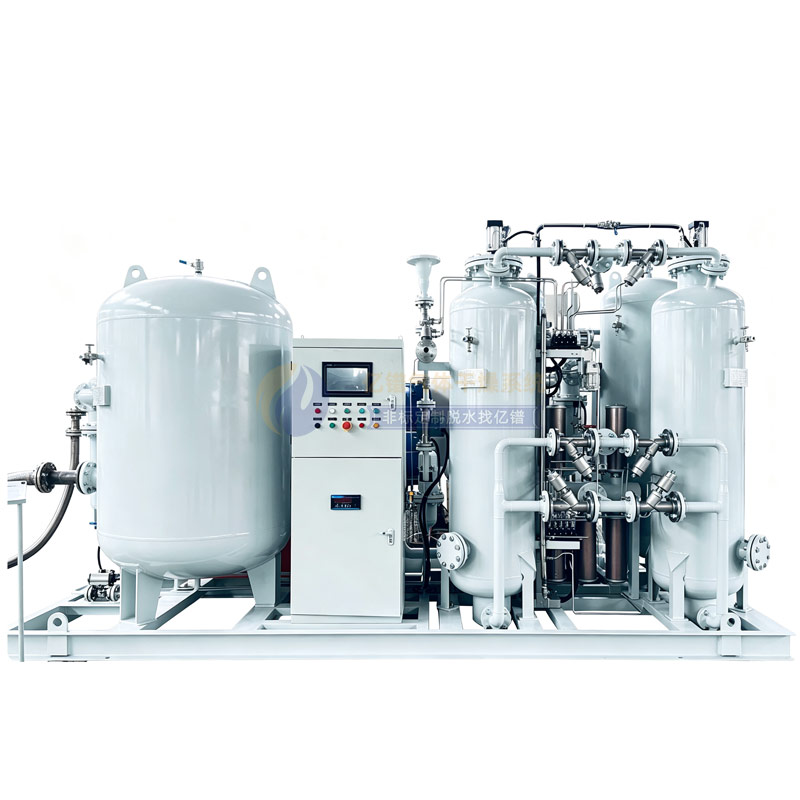
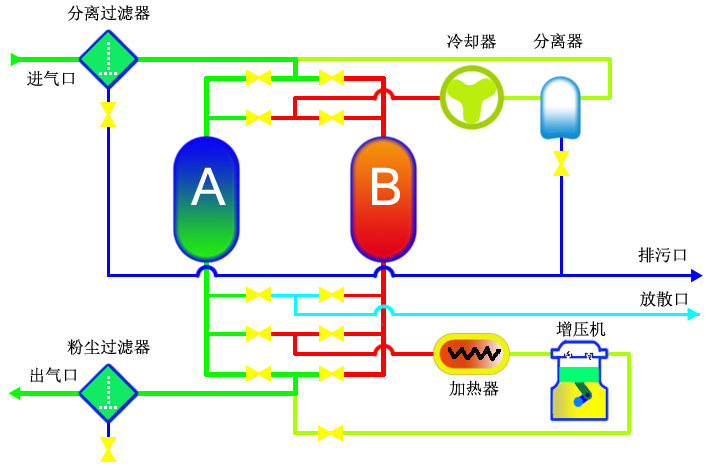
Molecular sieve adsorbs moisture at low temperature and high pressure
desorbed and regenerated after heating, Achieves deep dehydration

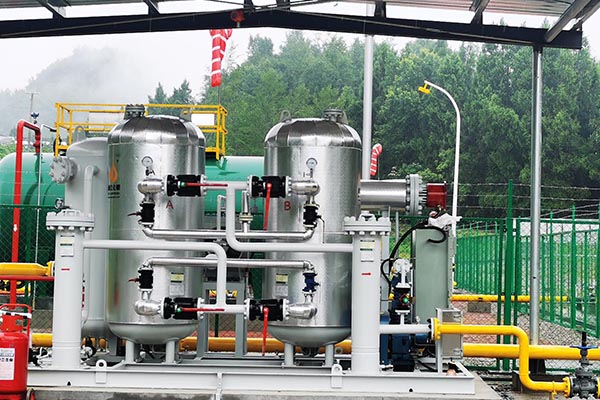
A、 Tower B alternates between adsorption and regeneration
Ensures continuous, uninterrupted operation of the unit

Regeneration gas flows countercurrently through the bed
Heating desorbs moisture, cooled, separated and recycled

PLC semi-automatic control of the entire process
Explosion-proof design integrated into the overall skid-mounted base







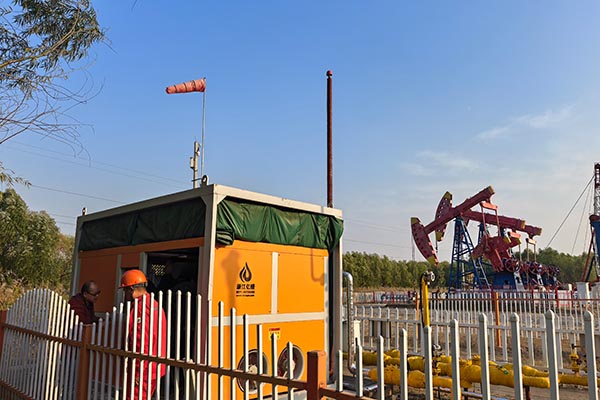
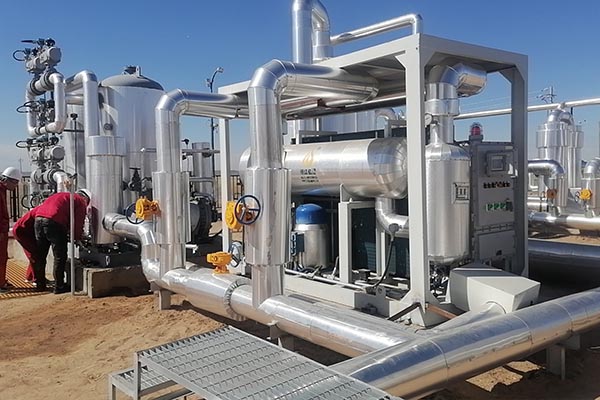
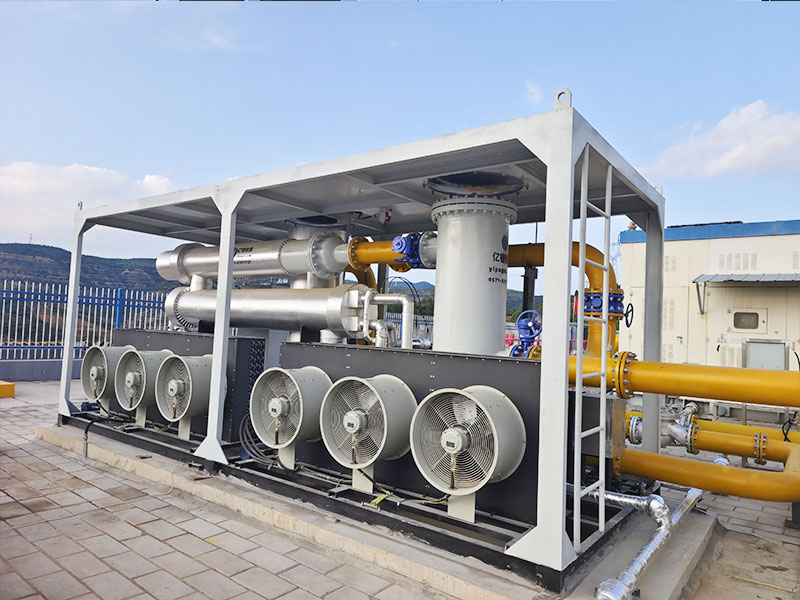
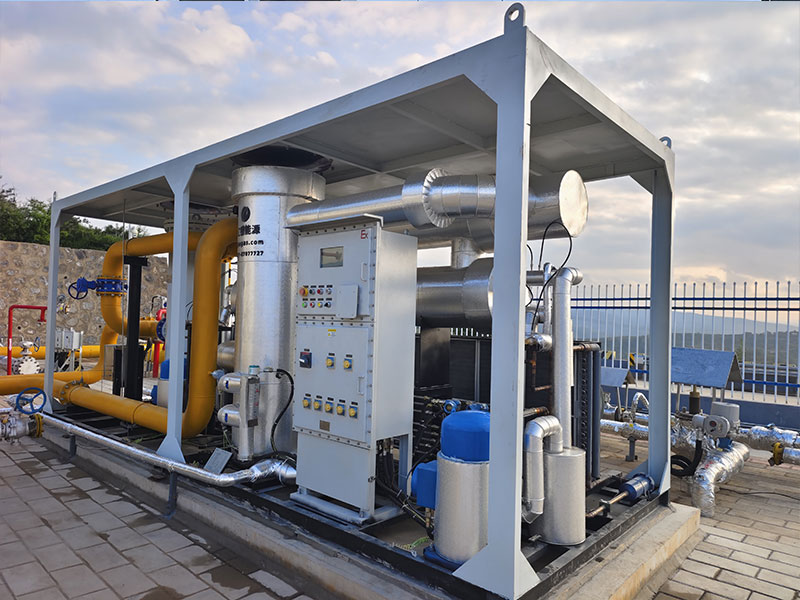
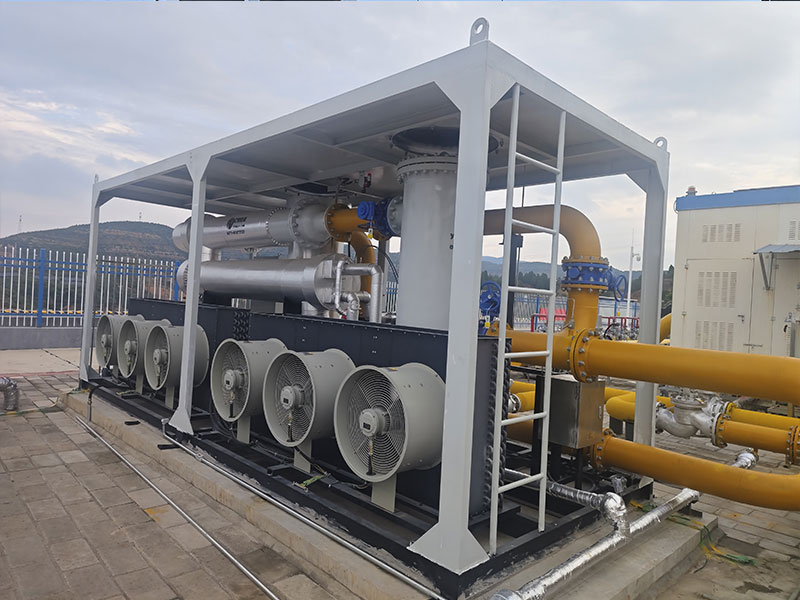
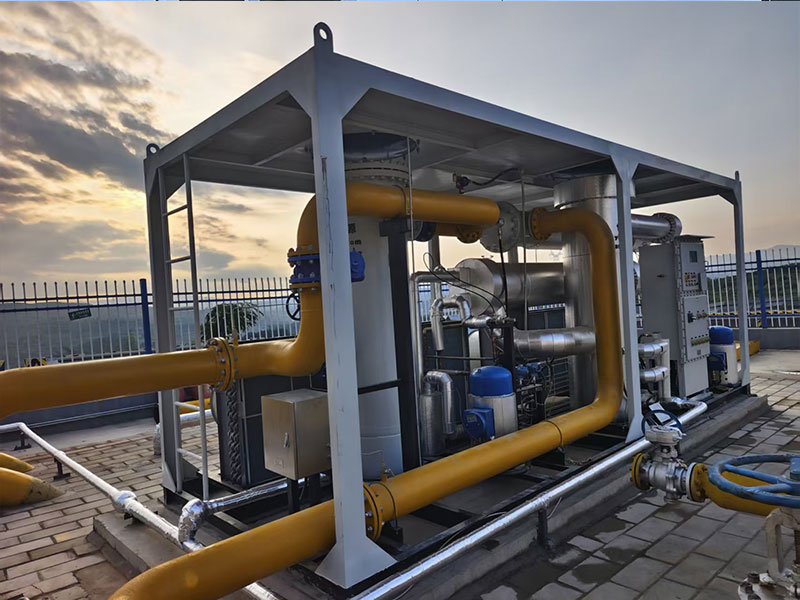
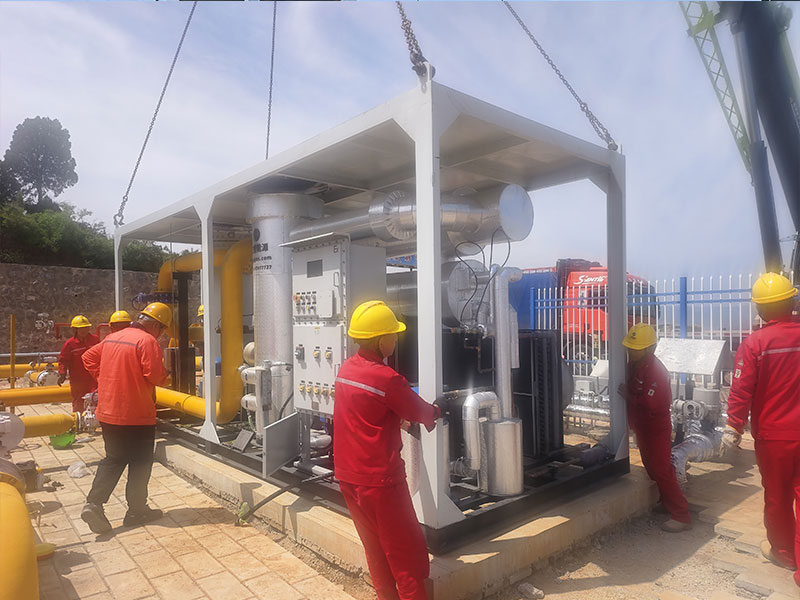
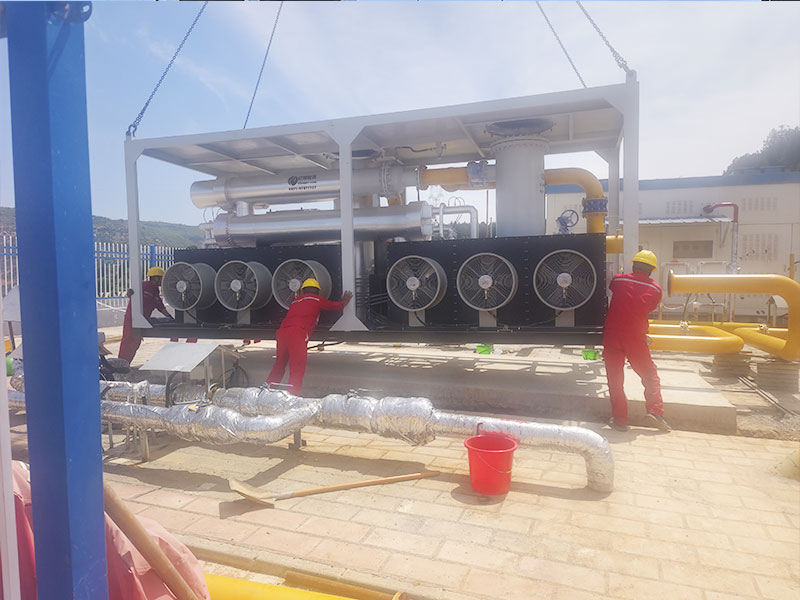
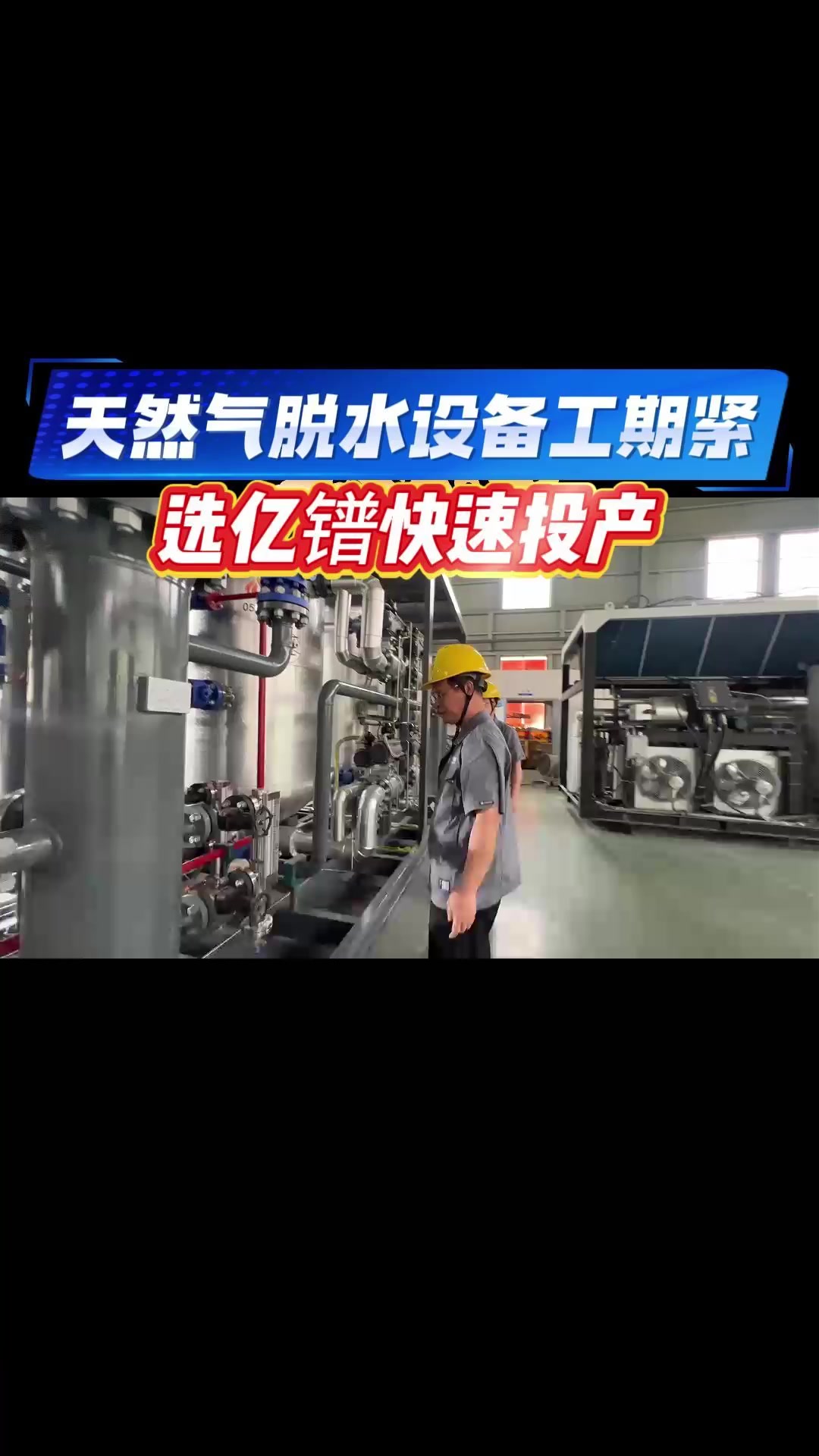
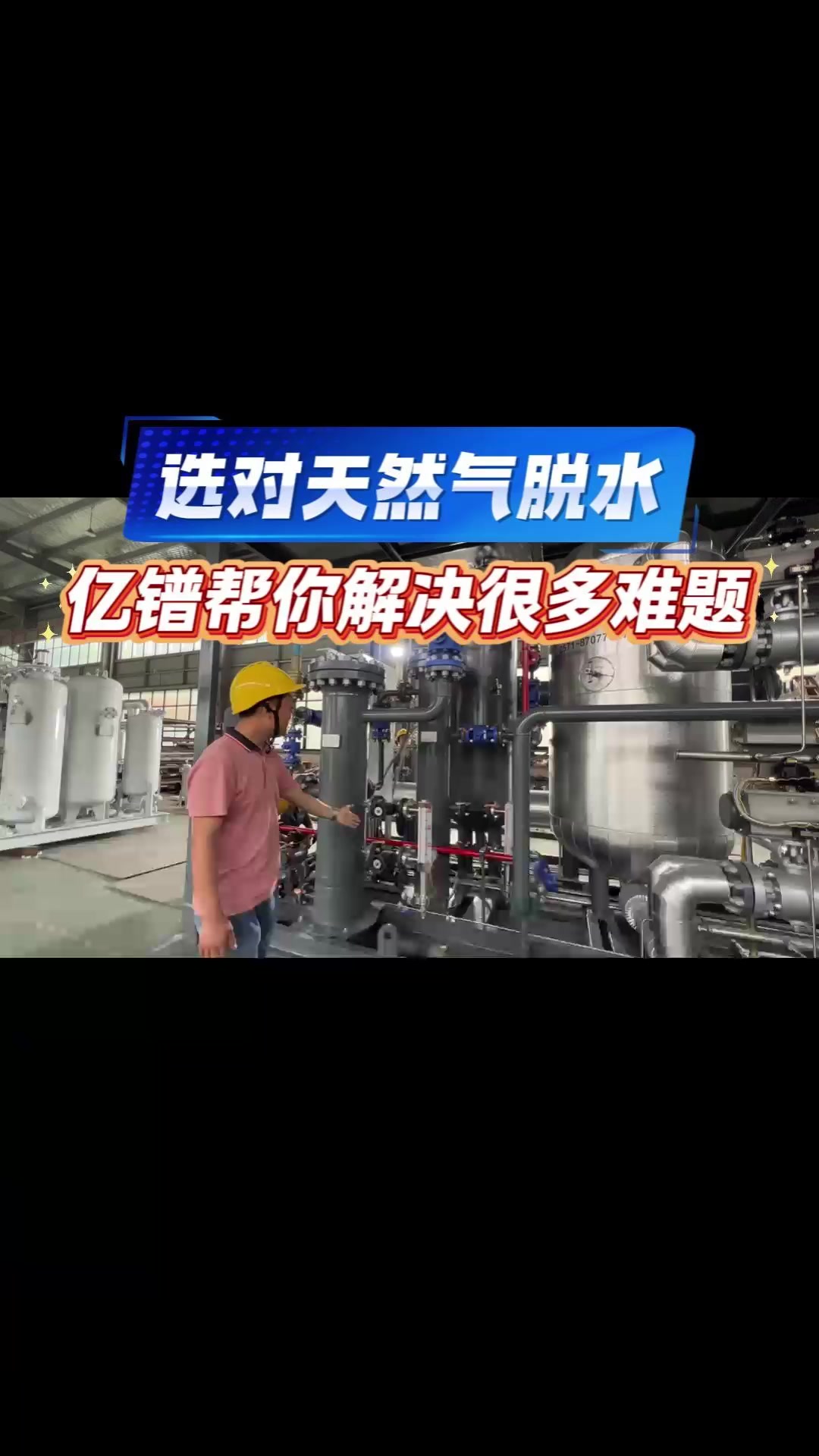
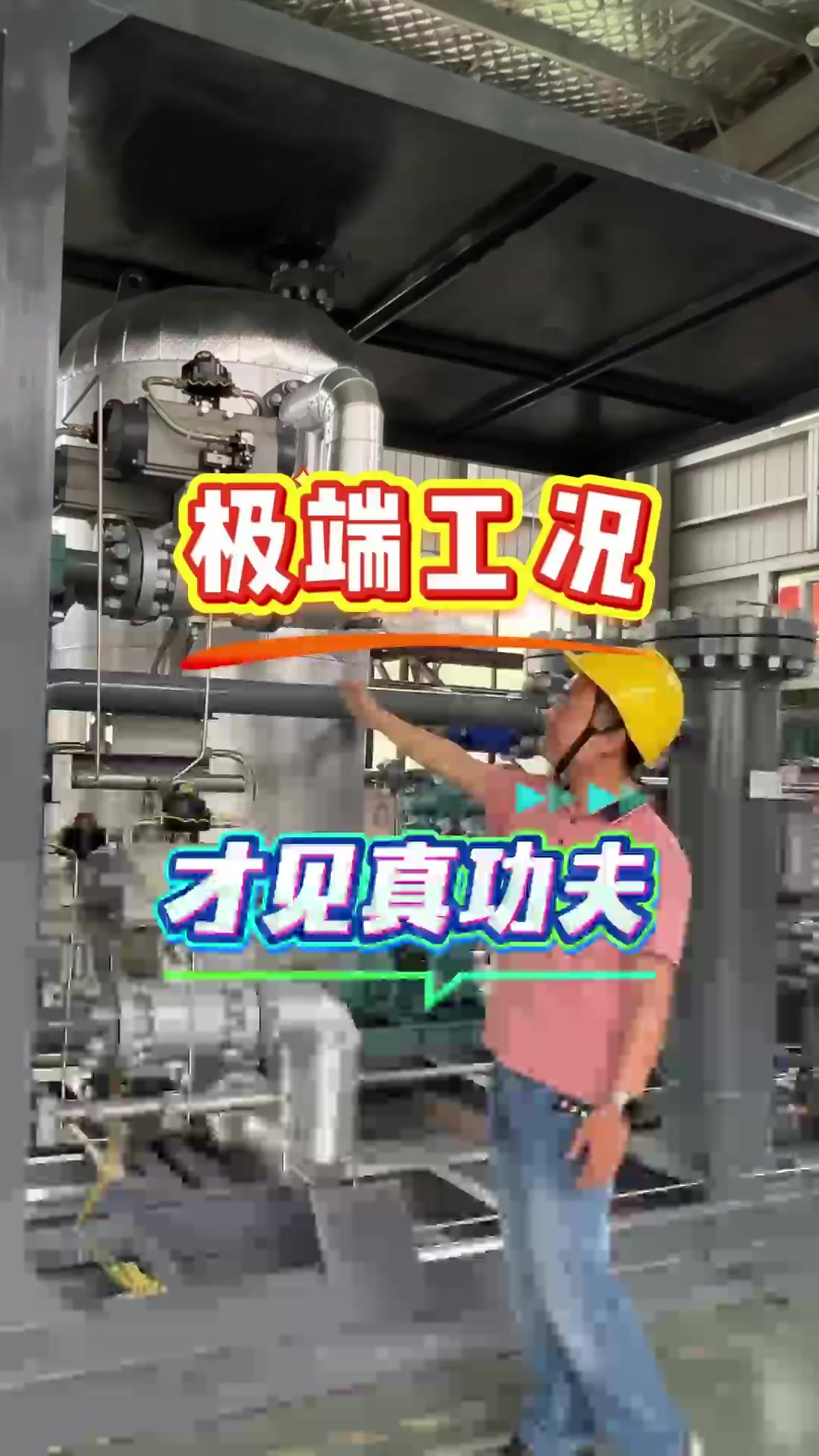
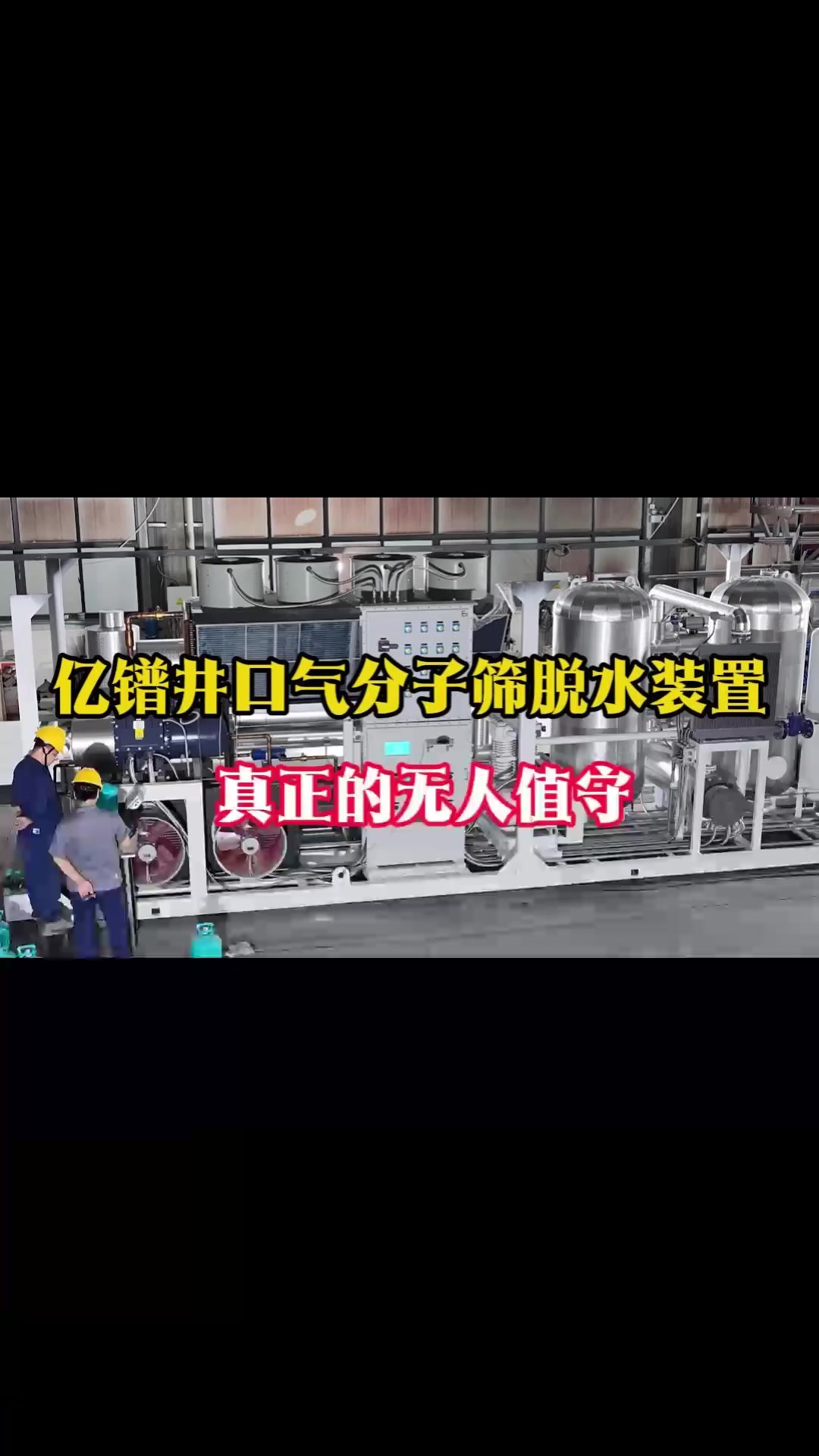
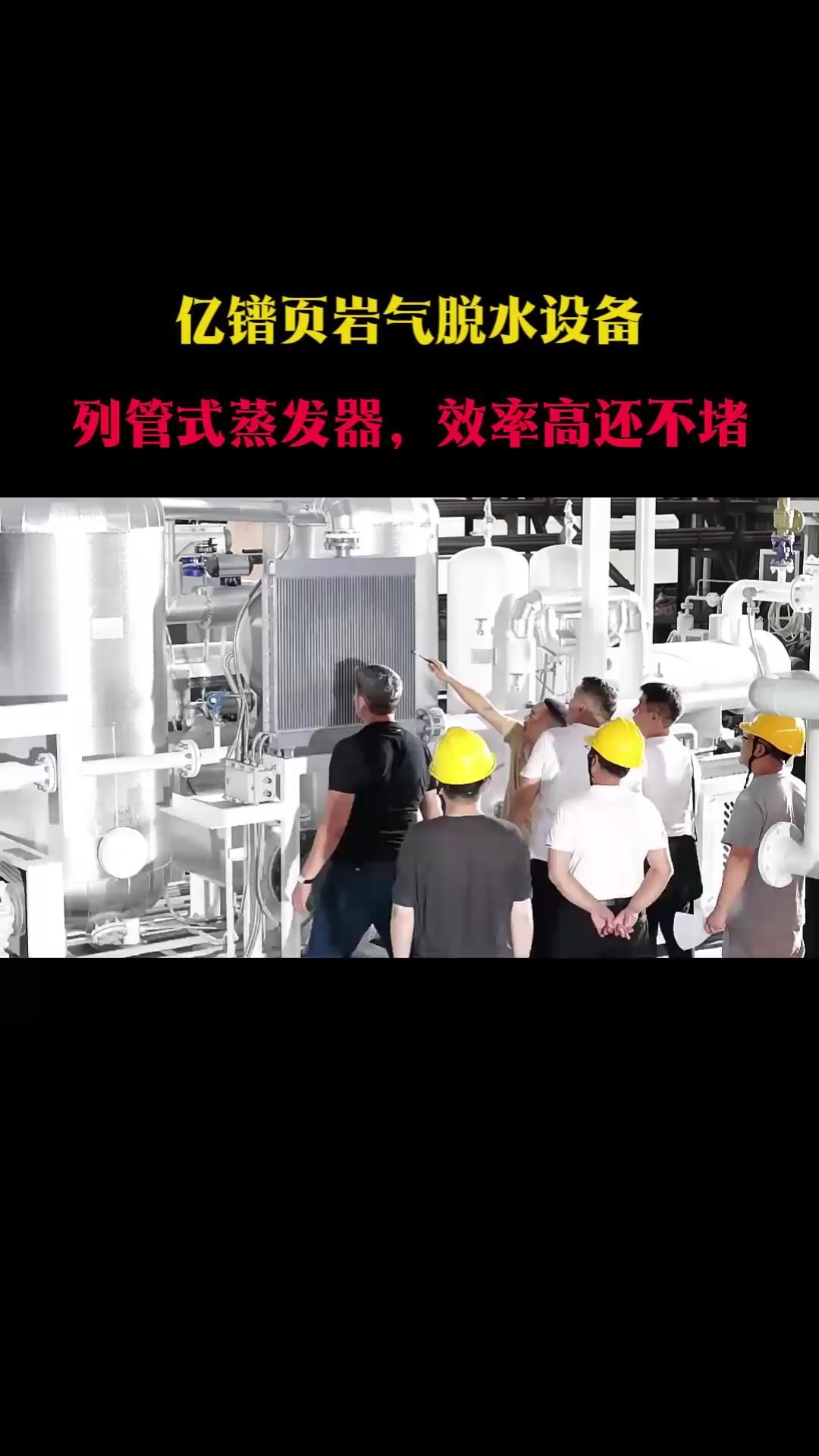
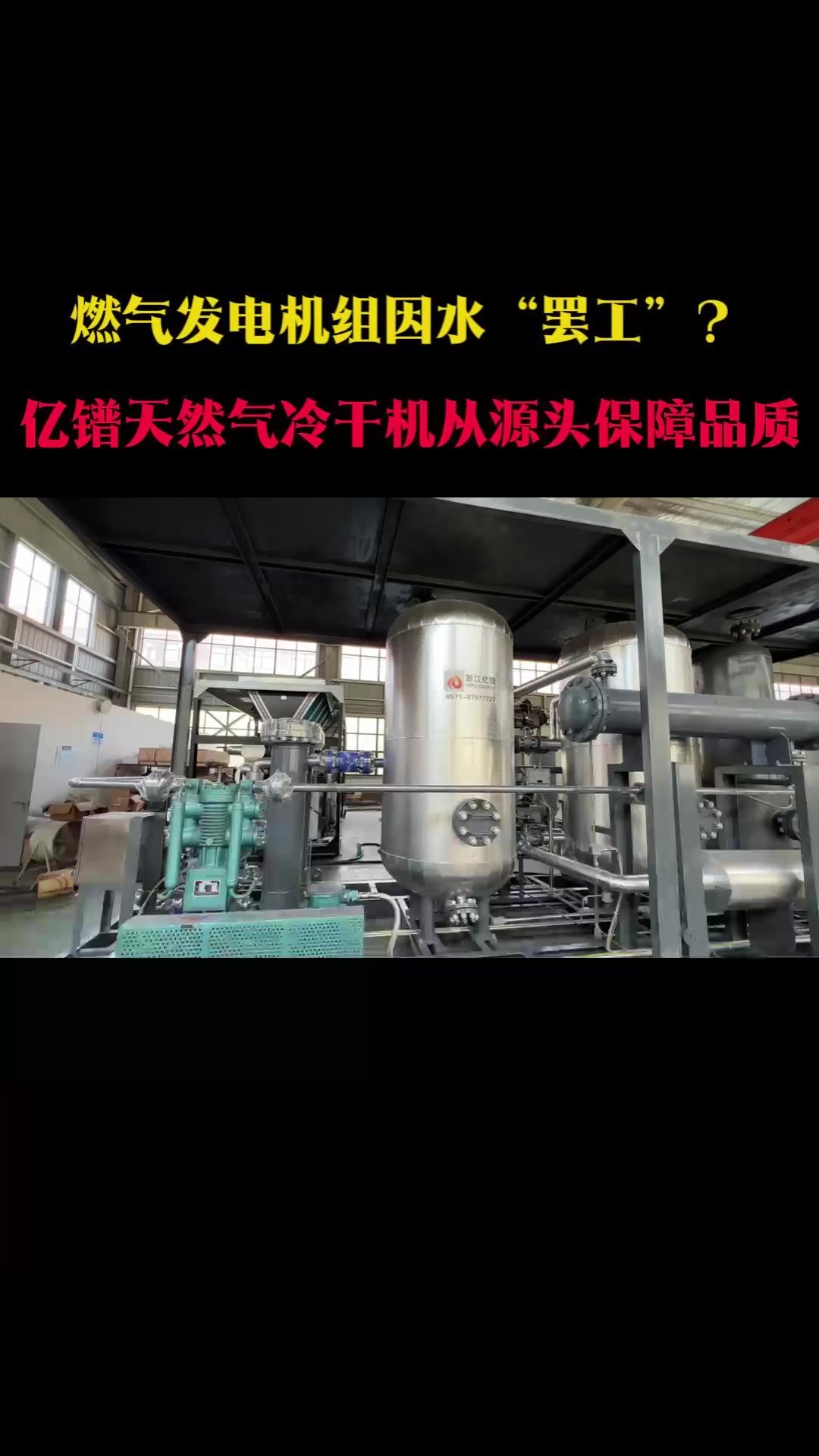
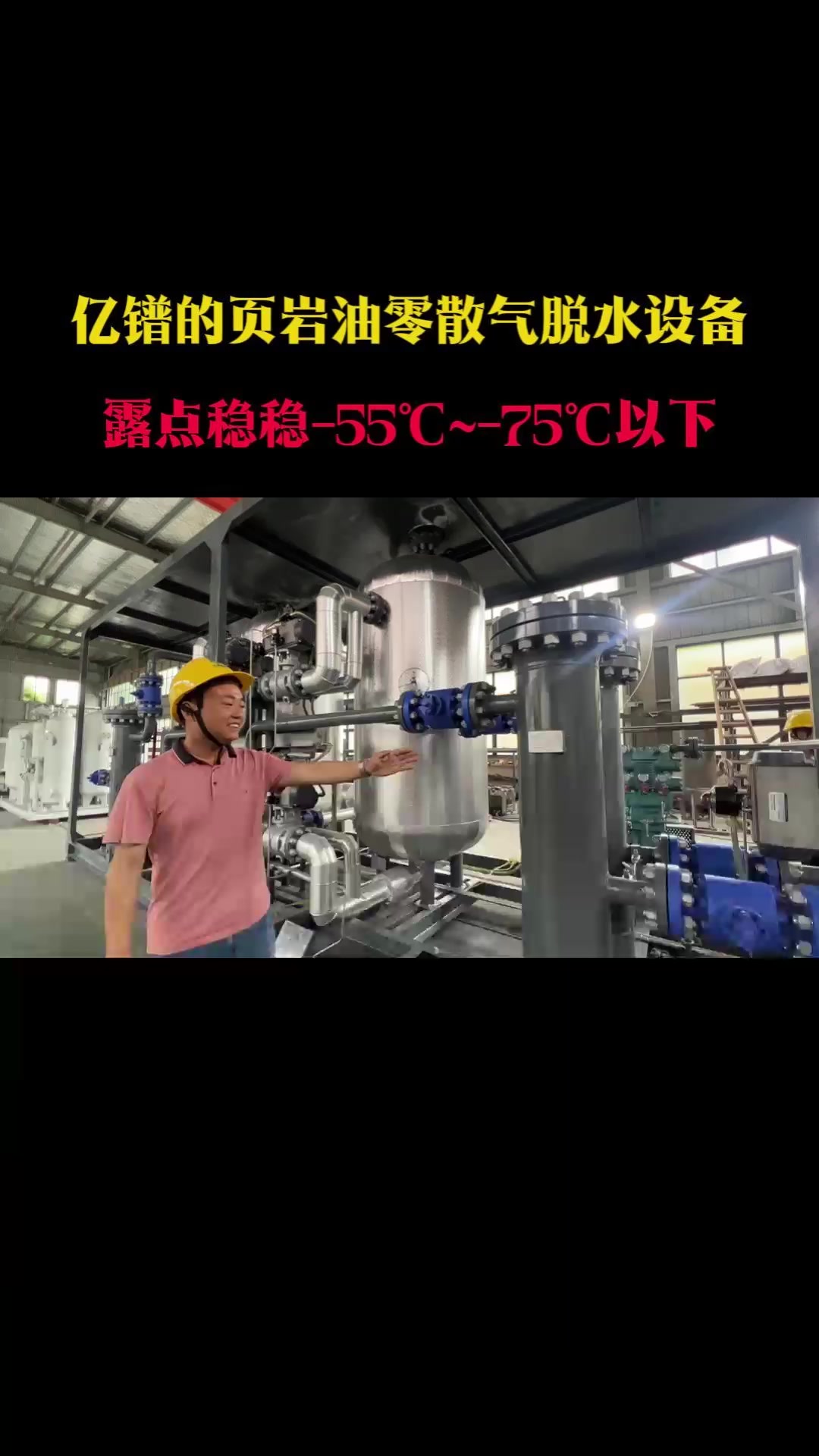
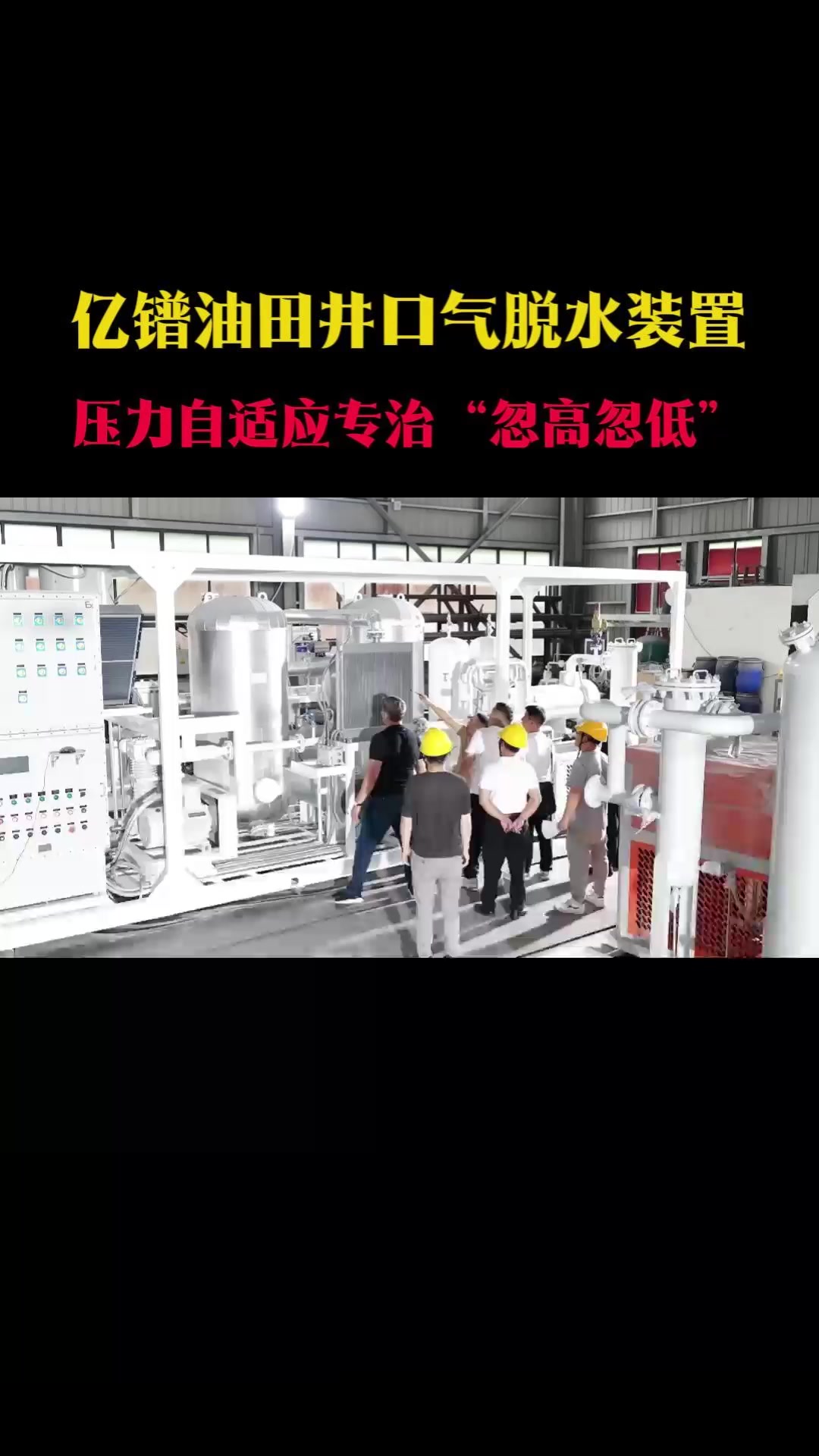
| Parameter | Item Technical Specification |
|---|---|
| Working | Medium Natural Gas |
| Processing | Capacity 210Nm³/h @0.8MPa |
| Working | Pressure 0.6~0.8MPa |
| Design | Pressure 1.0MPa |
| Inlet | Temperature ≤40℃ |
| Outlet | Temperature ≤60℃ |
| Dehydration | Method Adsorption Dehydration (Molecular Sieve) |
| Working | Mode Dual-tower alternating, continuous operation |
| Regeneration | Method Isobaric semi-open countercurrent regeneration |
| Regeneration | Temperature 180~200℃ |
| Atmospheric | Dew Point ≤-40℃ |
| Working | Cycle 12h |
| Regeneration | Cycle ≤10h (adjustable) |
| Equipment | Pressure Drop ≤40kPa |
| Control | Mode PLC semi-automatic control |
| Drainage | Method Automatic drainage |
| Inlet/Outlet | Pipe Diameter Flange WN40(A)-16RF |
| Explosion-proof | Grade ExdIIBT4 |
| Equipment | Power ≤20kW |
| Power | Supply AC380V/50Hz |
| Structural | Form Integral skid-mounted |
| Dimensions | 3000×1600×2500mm (reference) |
| Molecular | Sieve Service Life ≥20000h |

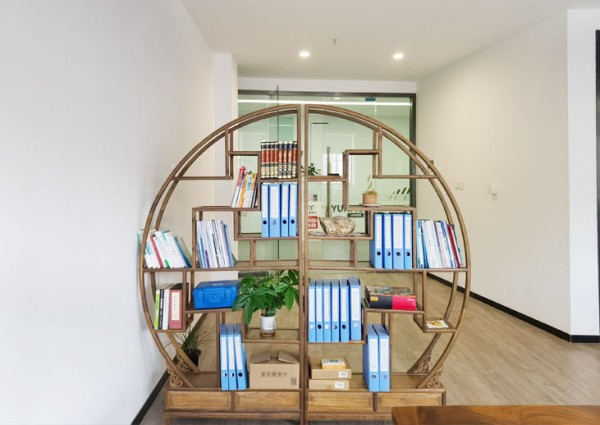
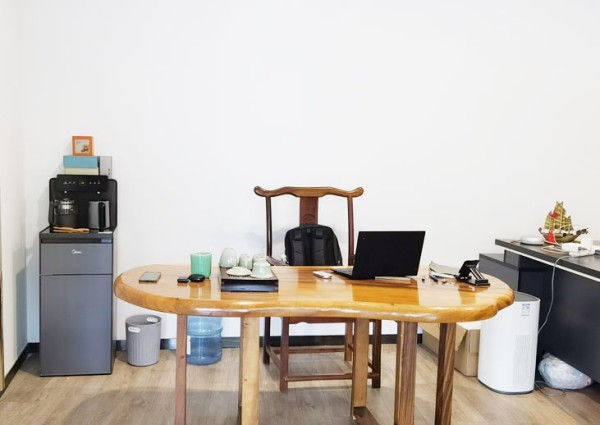

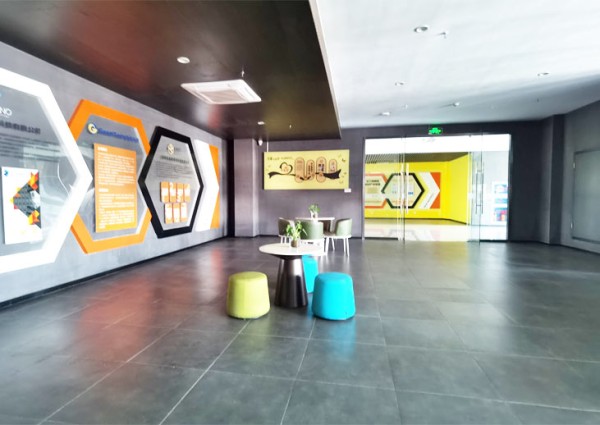
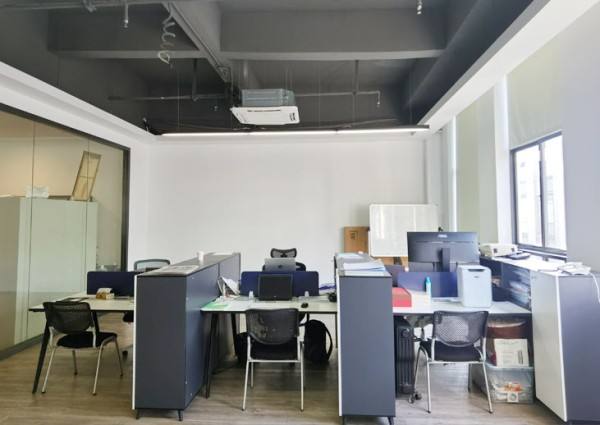


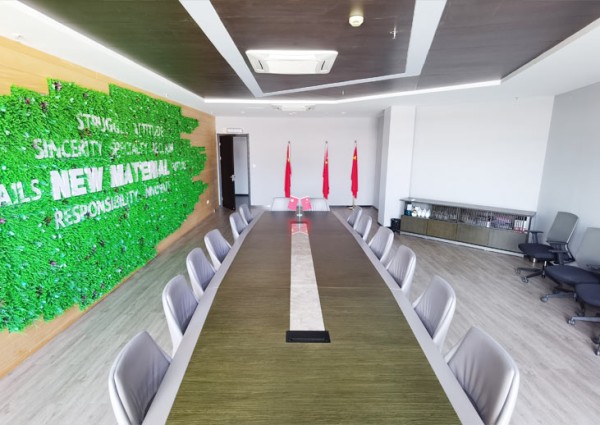
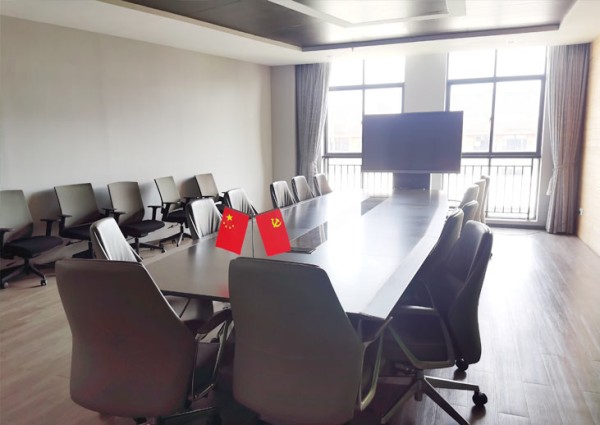

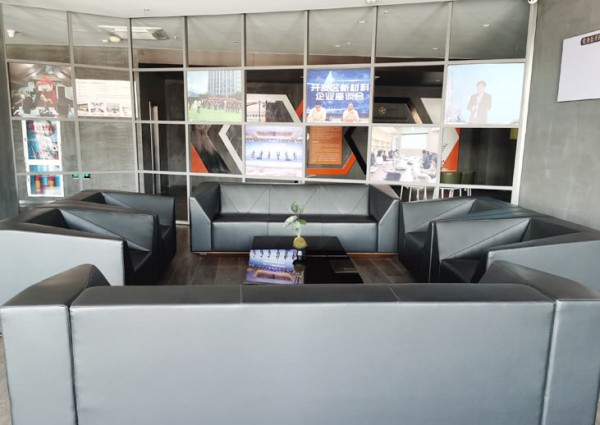




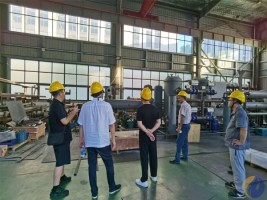
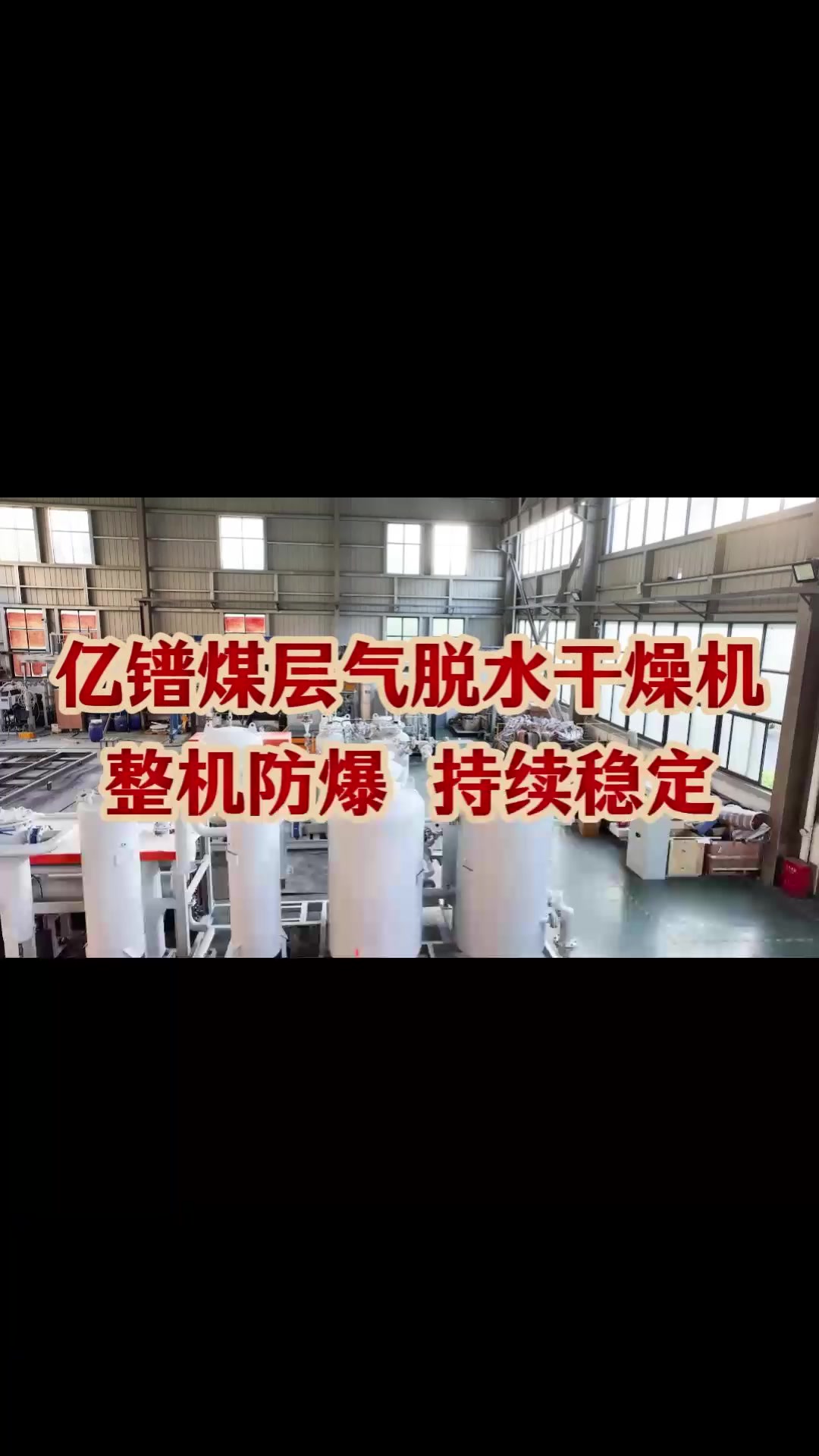
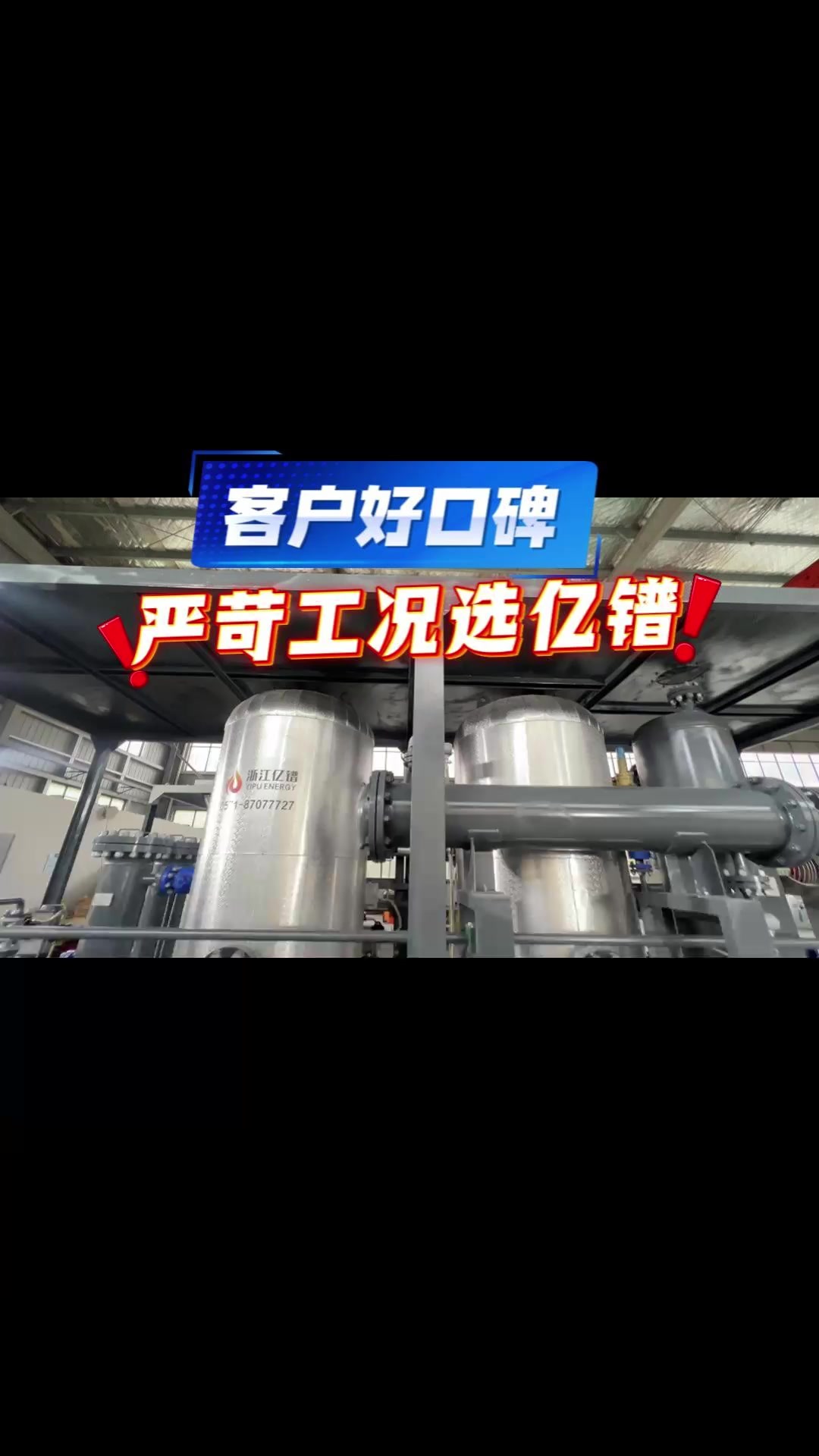
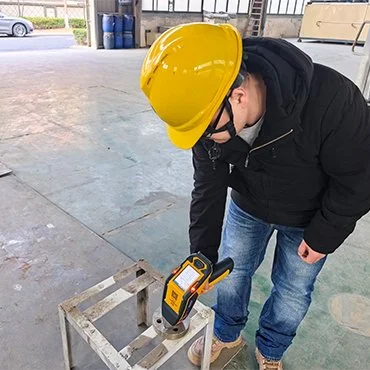
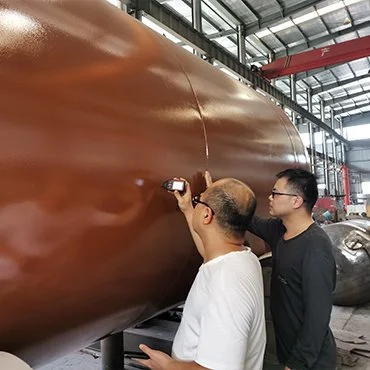
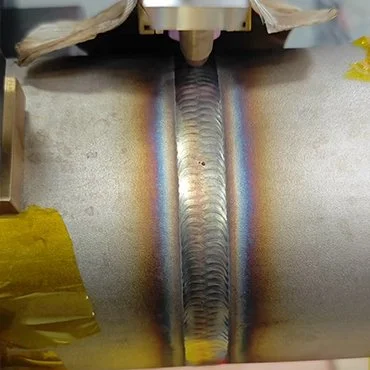
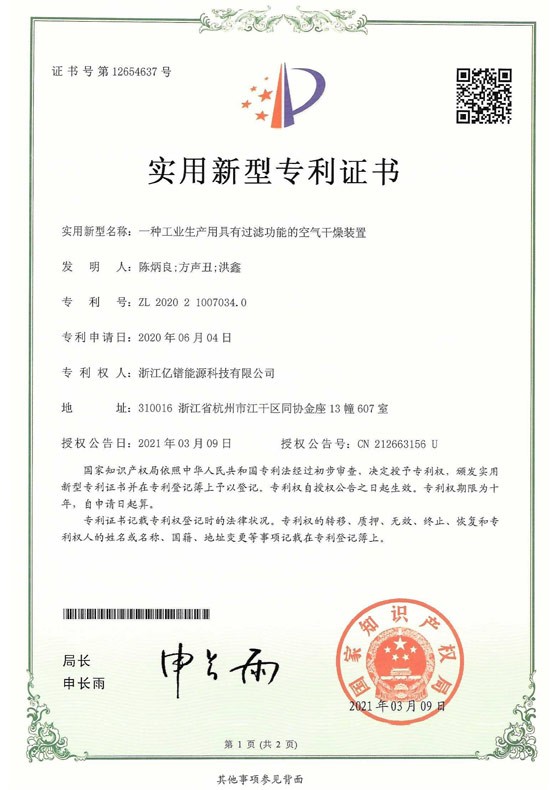
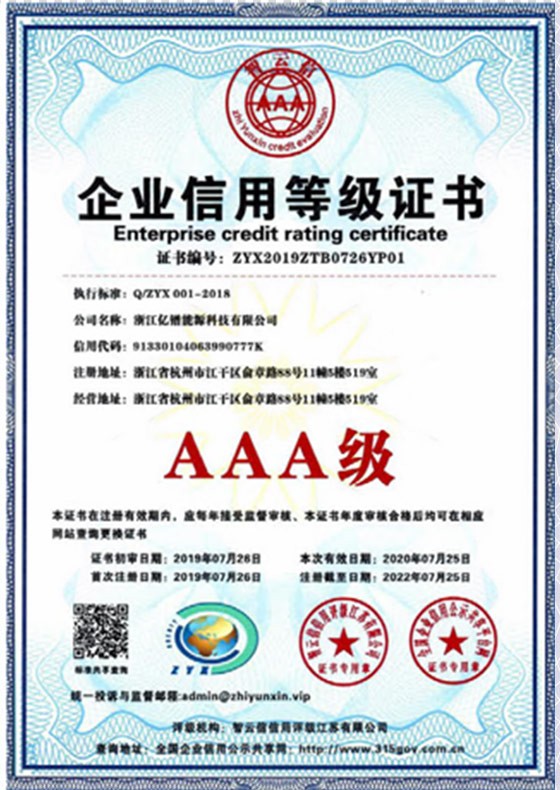
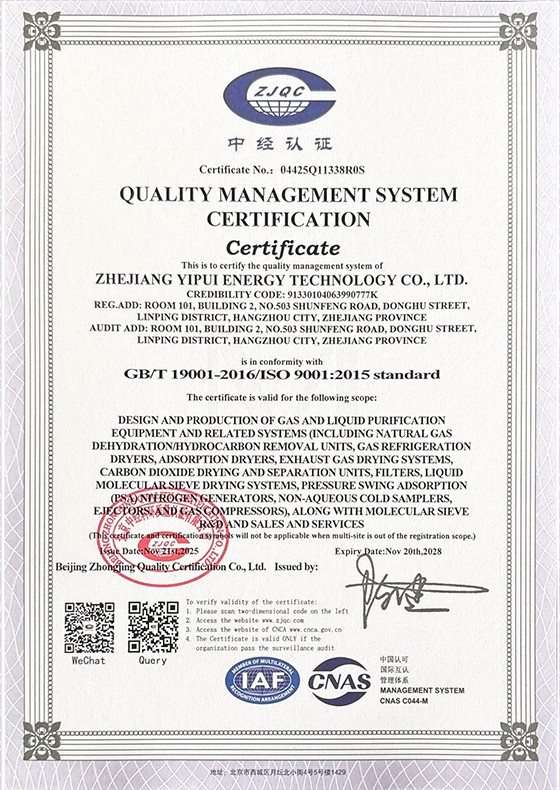
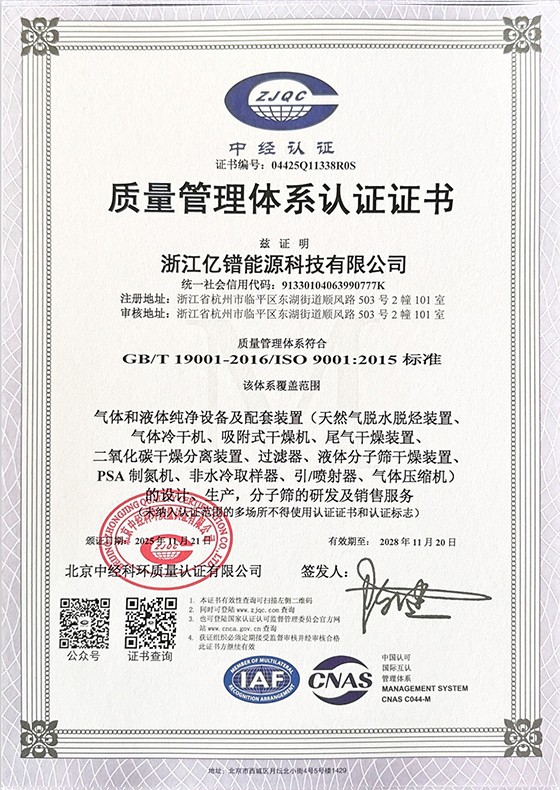
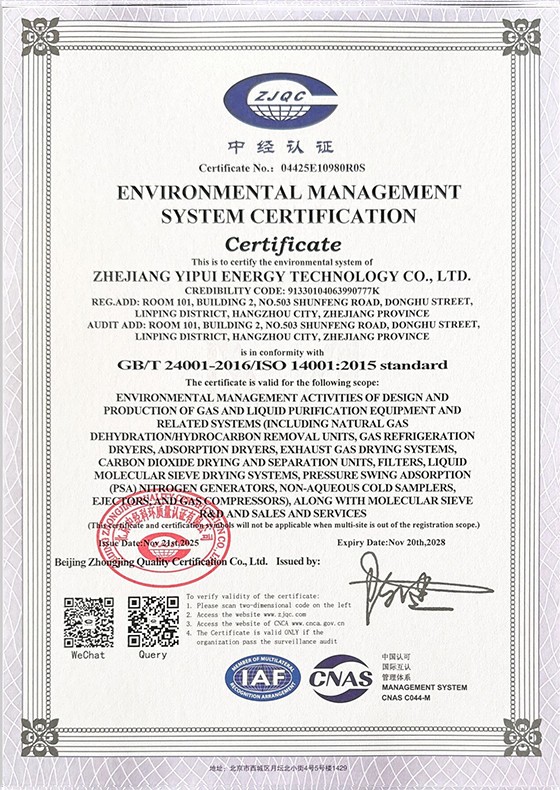
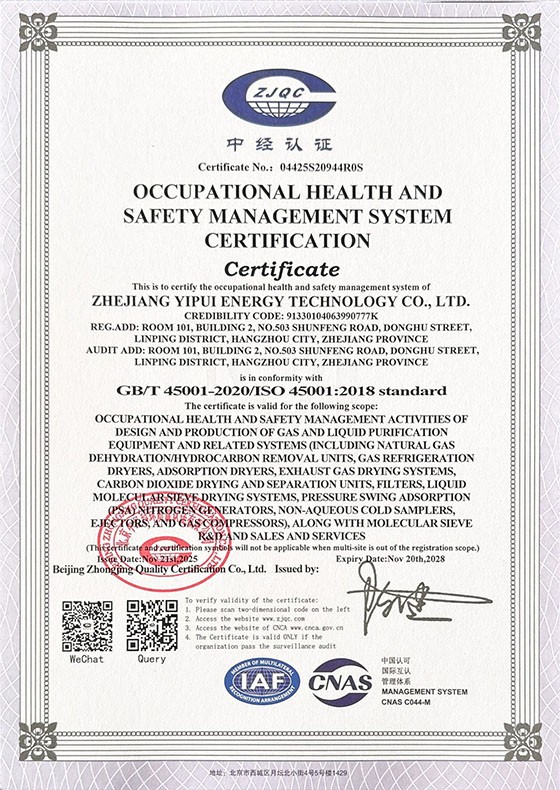
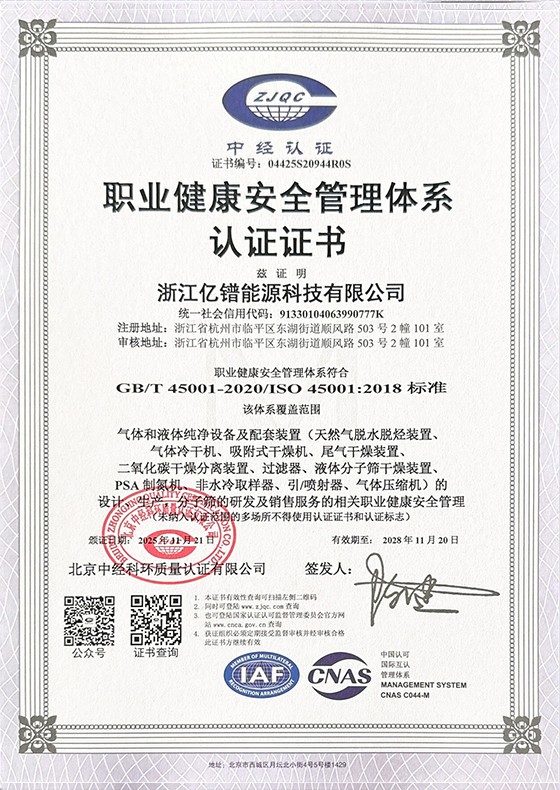
Professional production team, with strict quality control implemented in every production process
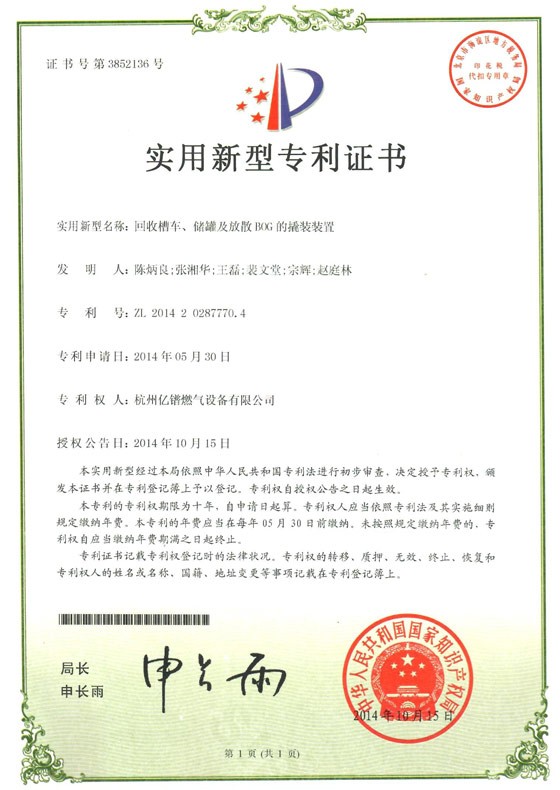
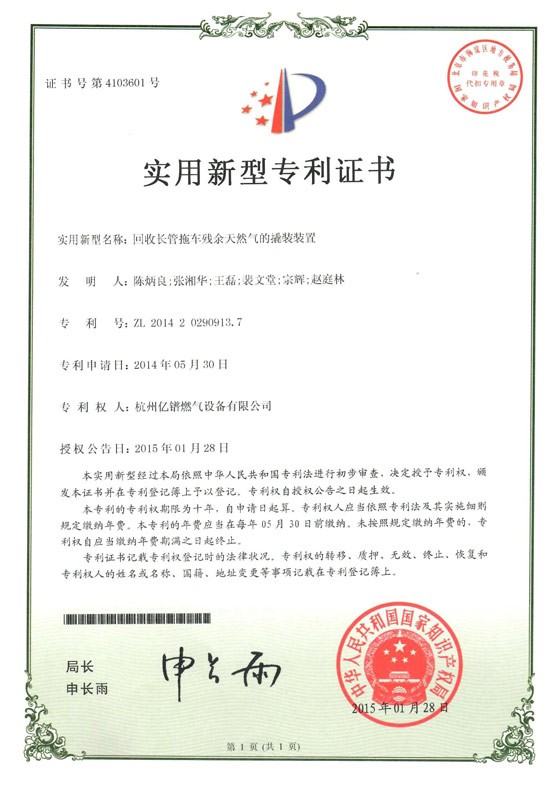
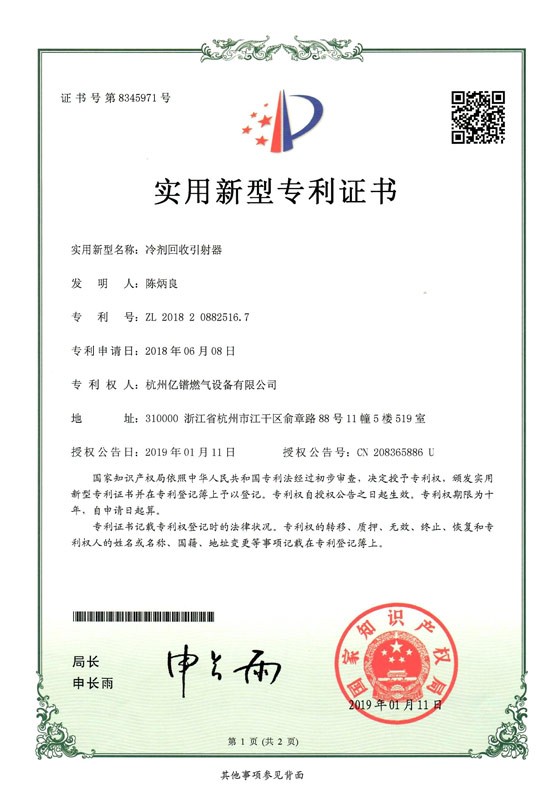
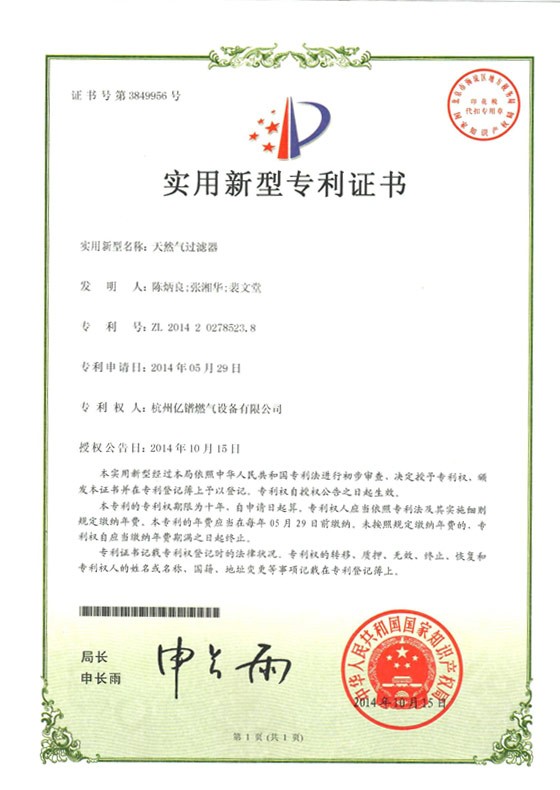
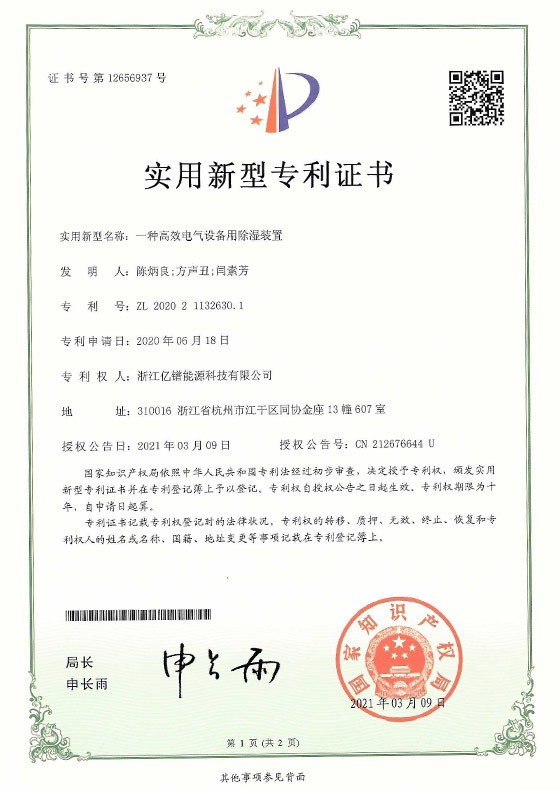
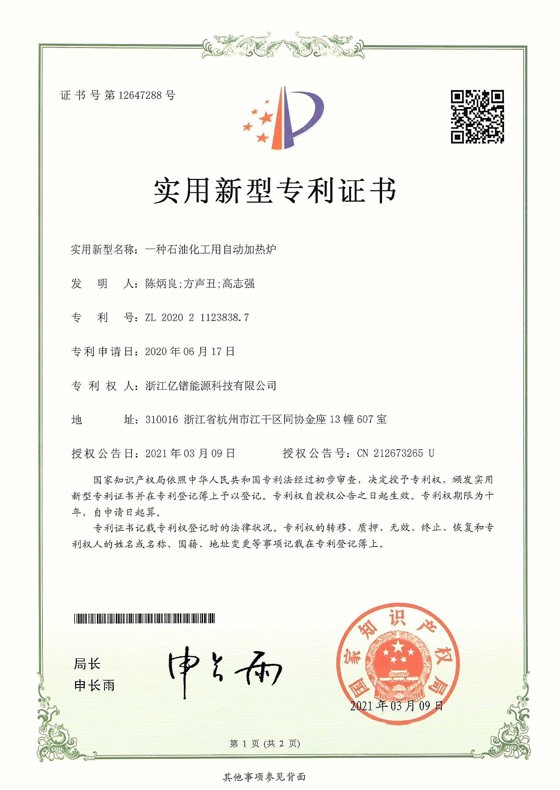
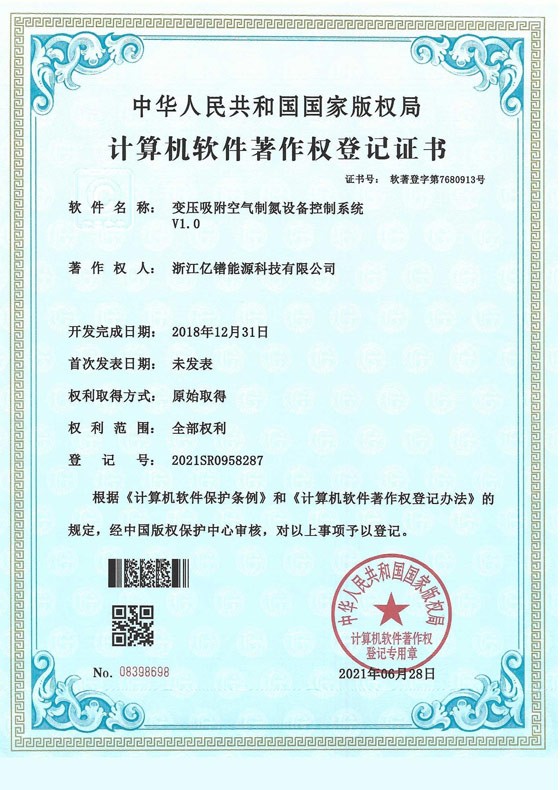
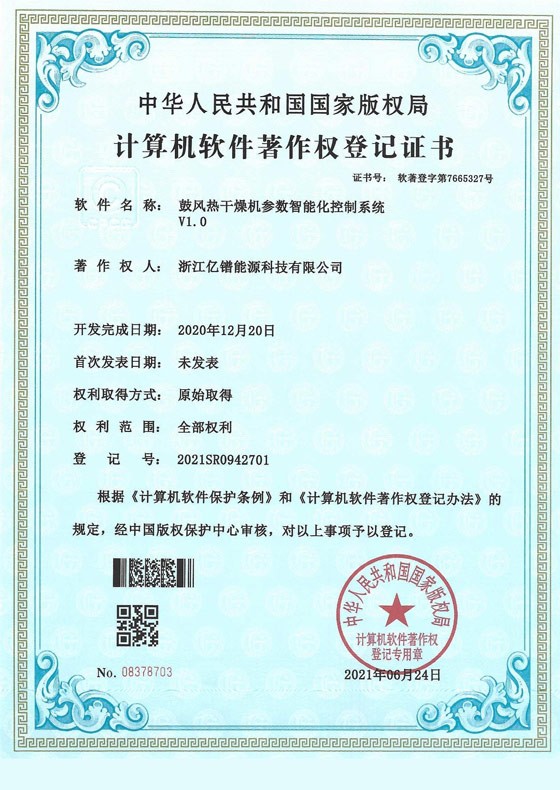
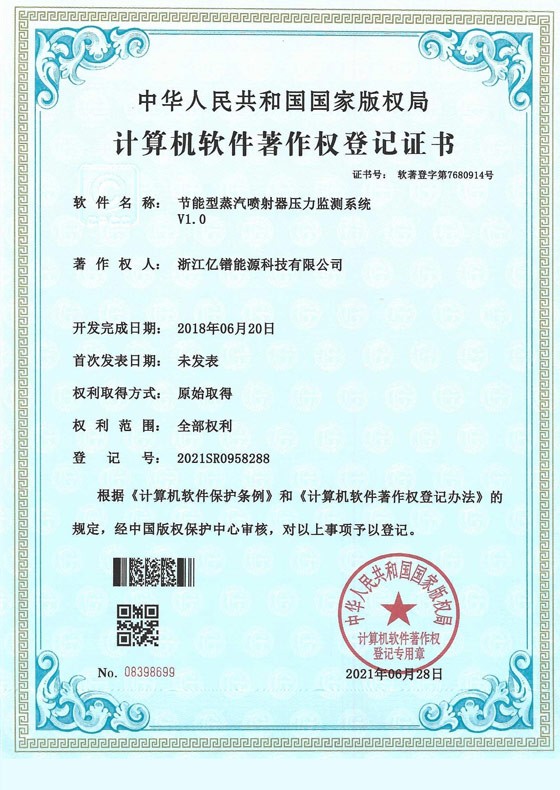
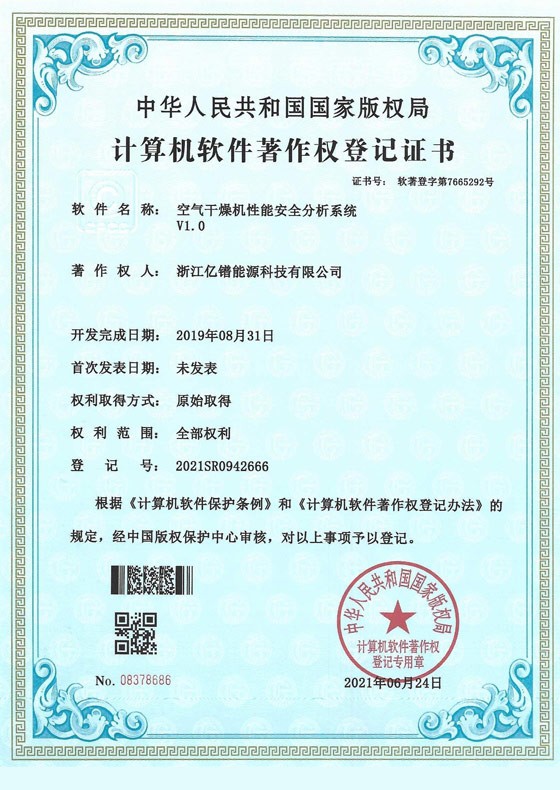
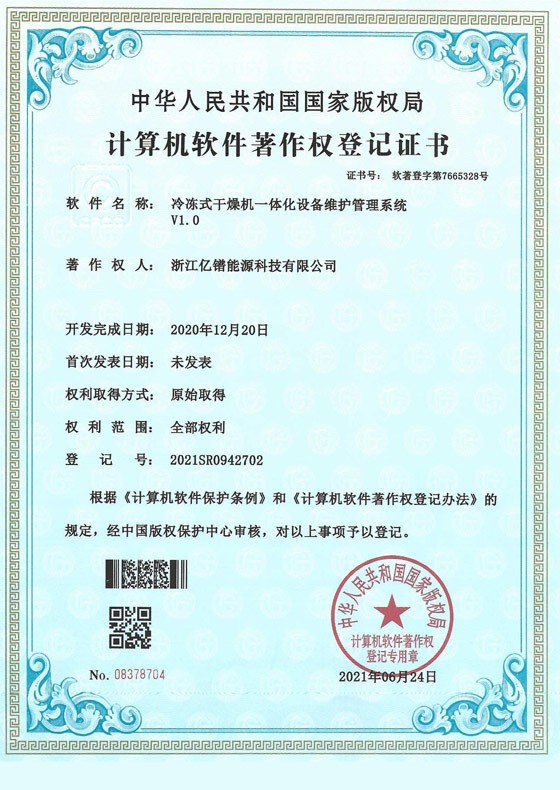
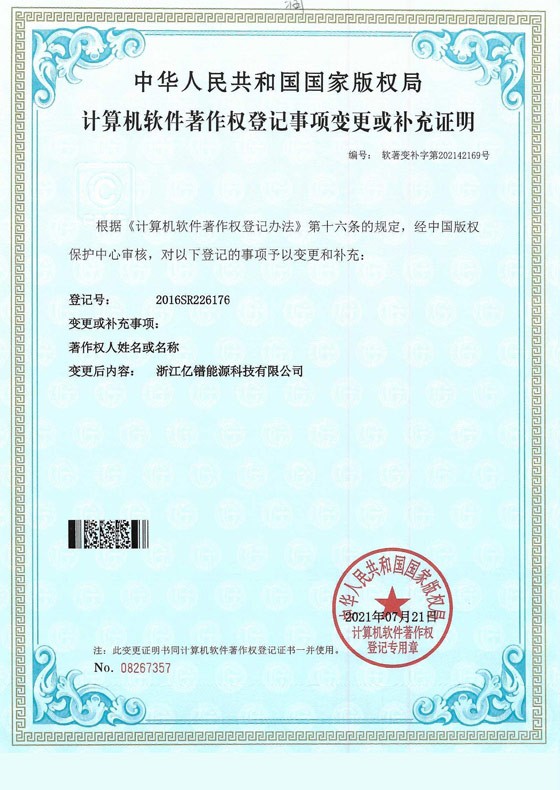
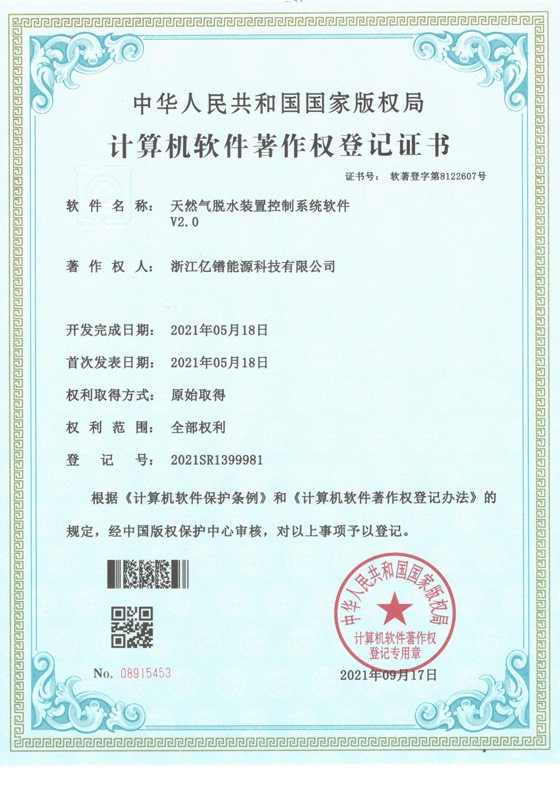
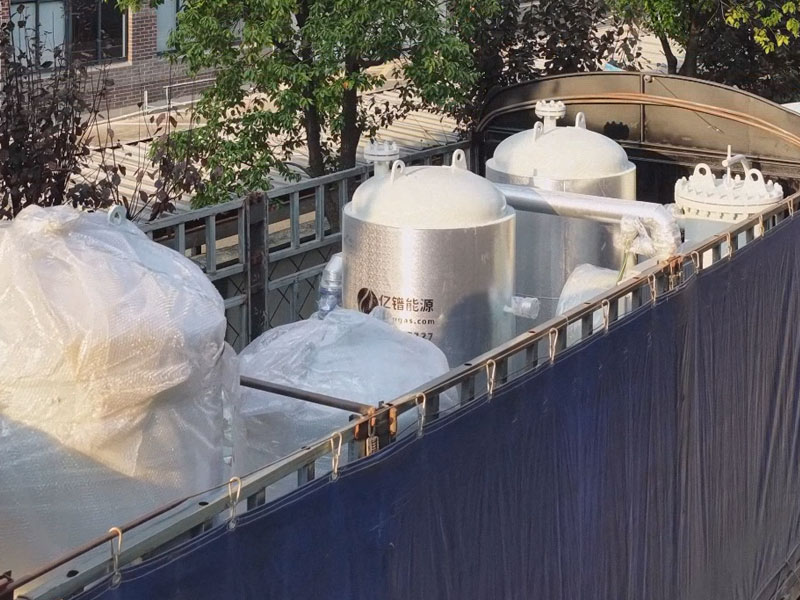
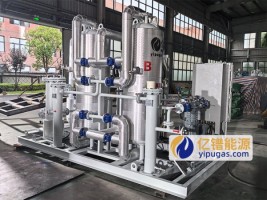
Market pain points In the process of natural gas extraction, processing, and transportation, the pre...
MORE >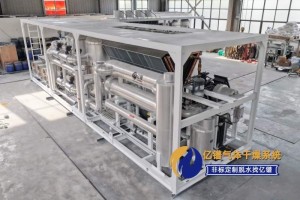
I. Market Pain Points During oil and gas field development, oilfield wellhead gas often contains lar...
MORE >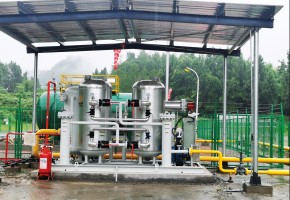
Market pain pointsAs a clean energy source, natural gas faces its greatest hidden risk during ...
MORE >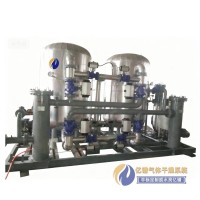
I. Market Pain Points In the process of natural gas extraction, gathering and transportation, and CN...
MORE >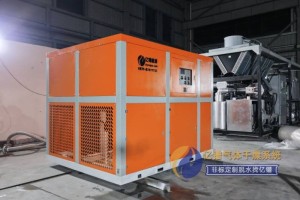
Safe and Worry-Free In the process of biogas energy utilization, moisture removal is a key step to e...
MORE >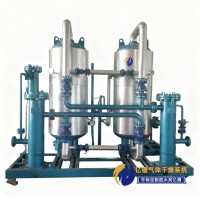
I. Market Pain Points In the extraction, gathering and transportation, and filling station applicati...
MORE >Some Customers







We are very impressed with Yipu. The company not only guarantees equipment quality, but the entire transaction process is also very worry-free and smooth.

Our previous system had serious pressure fluctuation problems. After replacing this set of equipment, it runs much more smoothly. Moreover, the team also customized and developed control logic for our on-site working conditions, saving us a lot of troubleshooting time.

At first I was worried about the installation and commissioning of the equipment, but Yipu's after-sales team provided us with step-by-step guidance. The equipment started up and was put into use smoothly, and since then our maintenance workload has been significantly reduced.
Xiaoxu Group Site Customer Acquisition focuses on network customer acquisition pipeline construction, always adhering to the values of "Do what you say, simple and trustworthy", striving to become the first brand in internet marketing execution, insisting on content as the center, through group sites + media account groups + short video groups to clearly tell enterprises: Who am I? Who really needs it? Why should they buy from you instead of from the neighbor? Always adhering to the marketing co