
| Problem | Solutions |
|---|---|
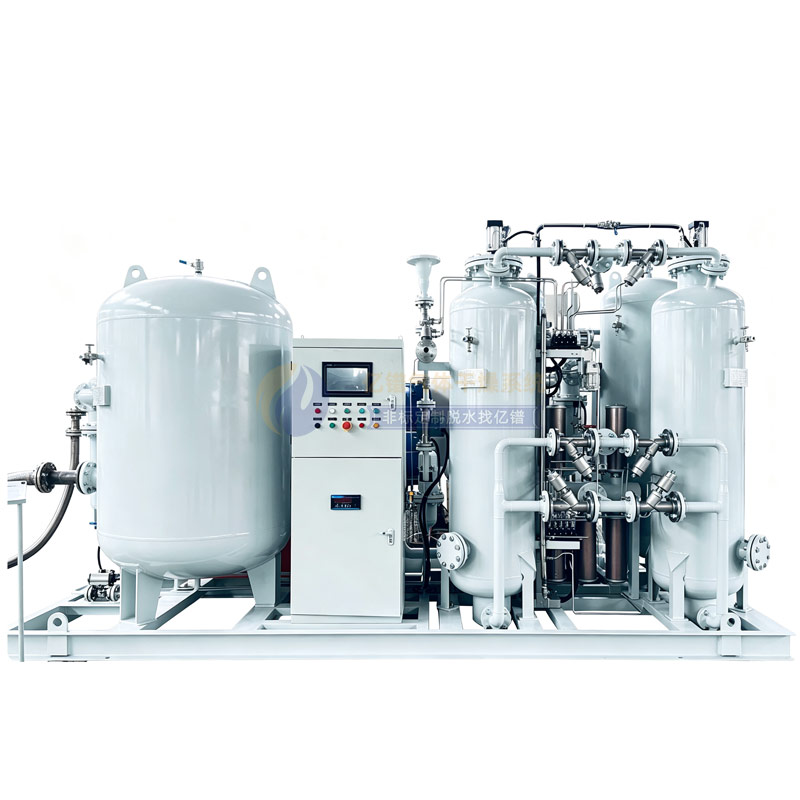
| Water in natural gas forms hydrates that block pipelines and valves | Uses 3A molecular sieve adsorption dehydration, outlet atmospheric dew point ≤-76°C, removing moisture at the source |
| Conventional glycol dehydration only achieves a dew point of -40°C, unable to meet cryogenic process requirements | Molecular sieve deep dehydration, dew point can reach below -76°C, meeting LNG liquefaction and cryogenic separation requirements |
| Heavy hydrocarbon accumulation during molecular sieve regeneration reduces dehydration performance | Uses isobaric semi-open countercurrent heating regeneration process, removing moisture while desorbing heavy hydrocarbons to maintain molecular sieve activity |
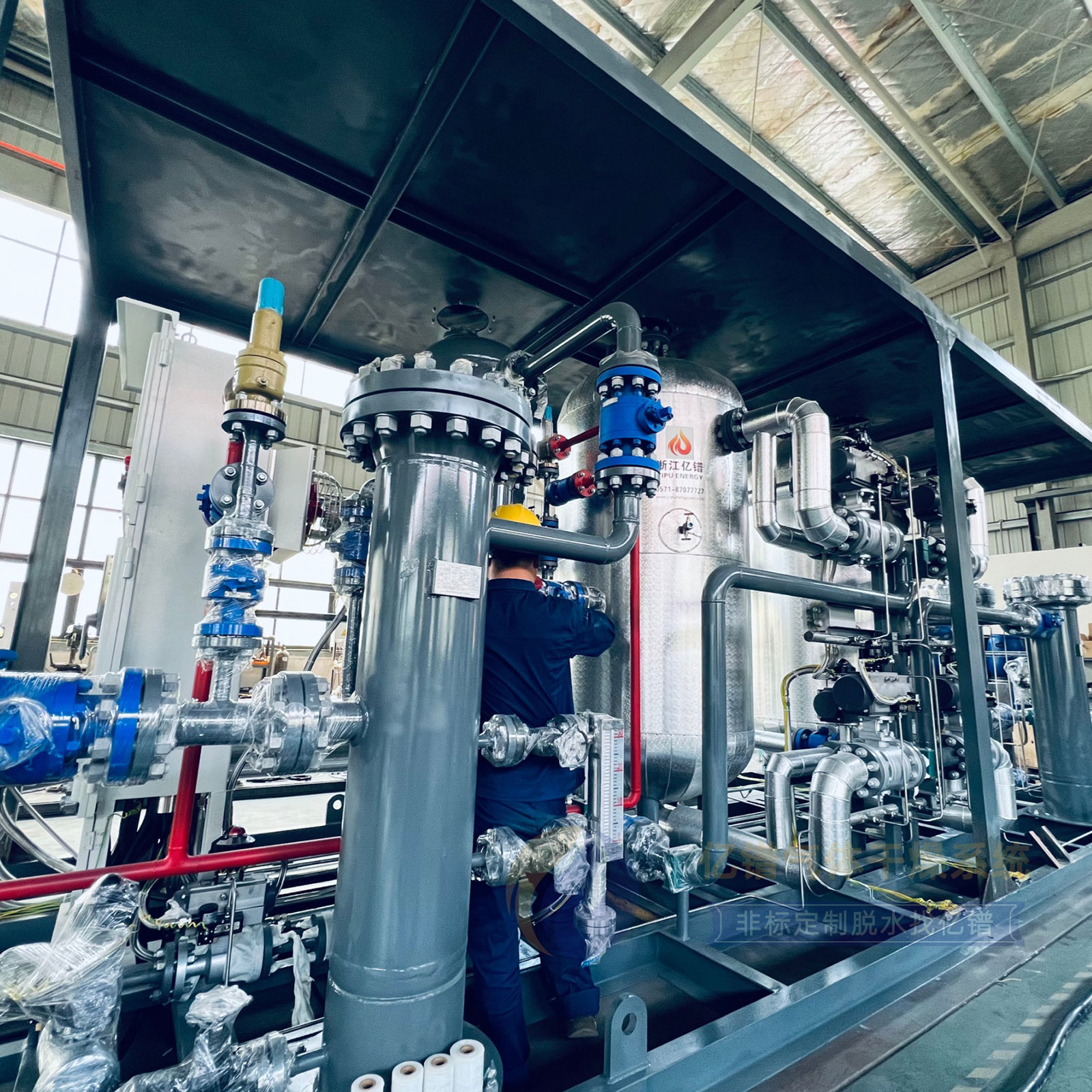
| Adsorbent is susceptible to contamination by free oil, water and large particles | Equipped with three-stage purification: gas-liquid separator, pre-filter and dust filter, protecting the molecular sieve |
| Output gas pressure fluctuation during dual-tower switching affects downstream equipment | Flat diffusion structure inlet and outlet reduce gas impact, output gas is stable without pressure fluctuation |
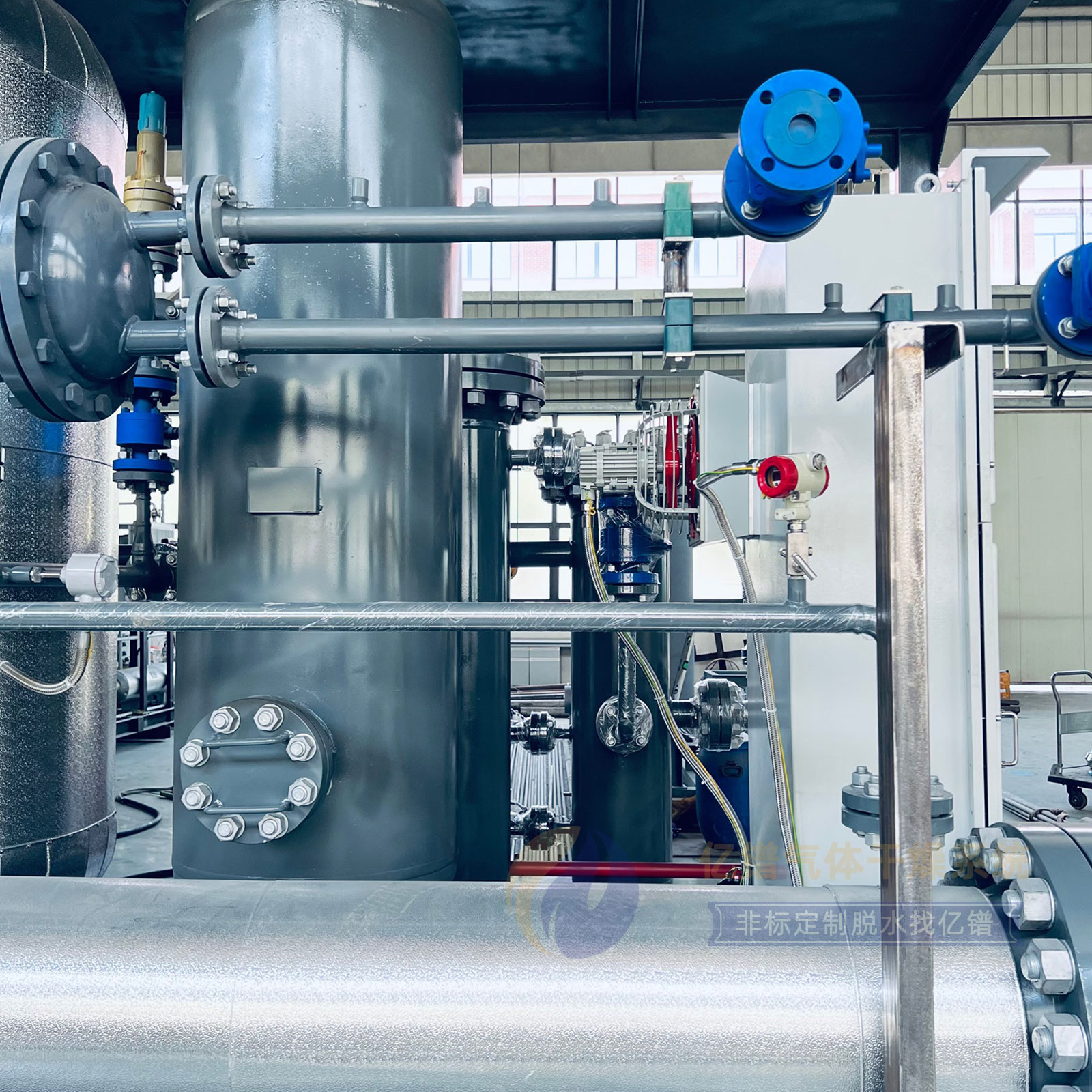
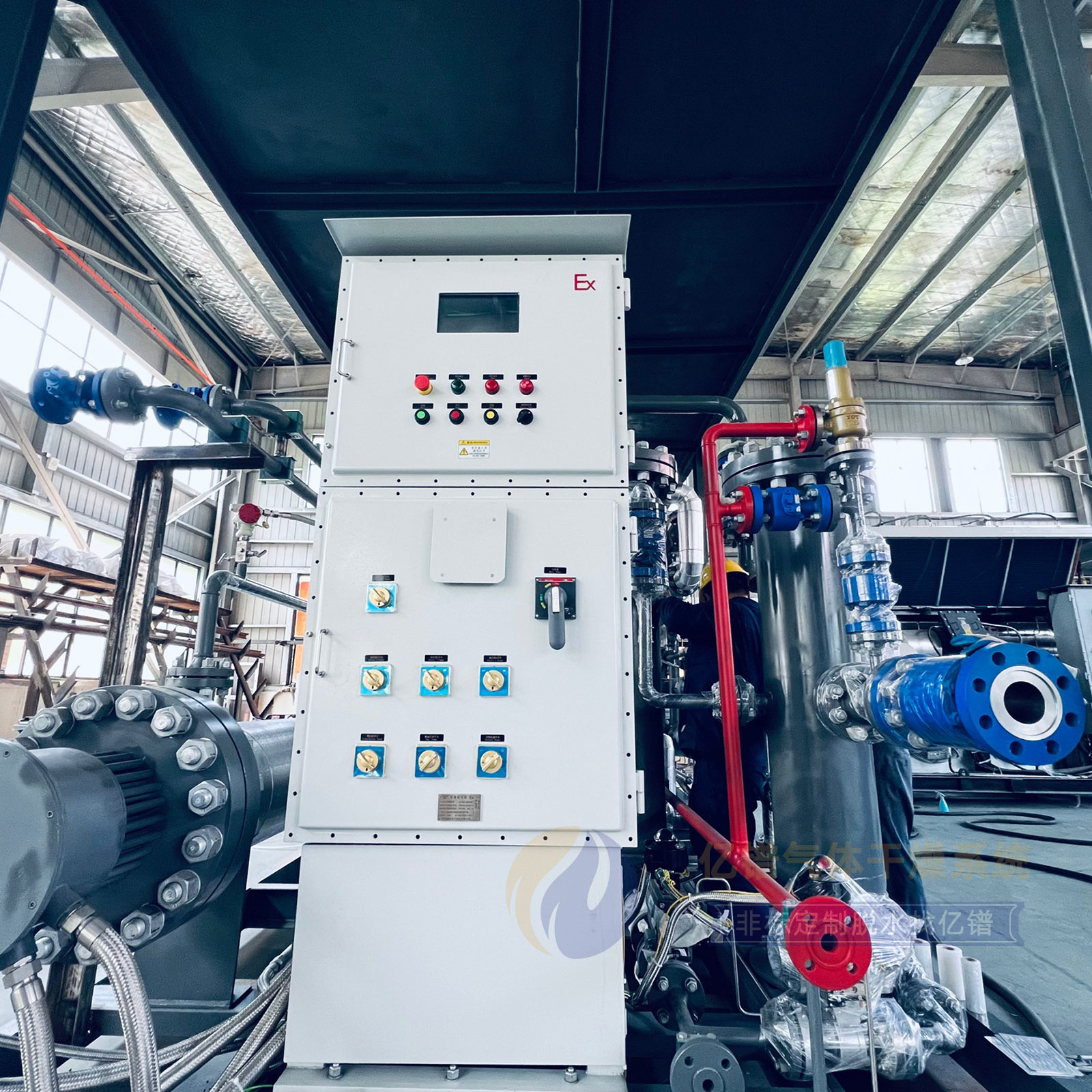
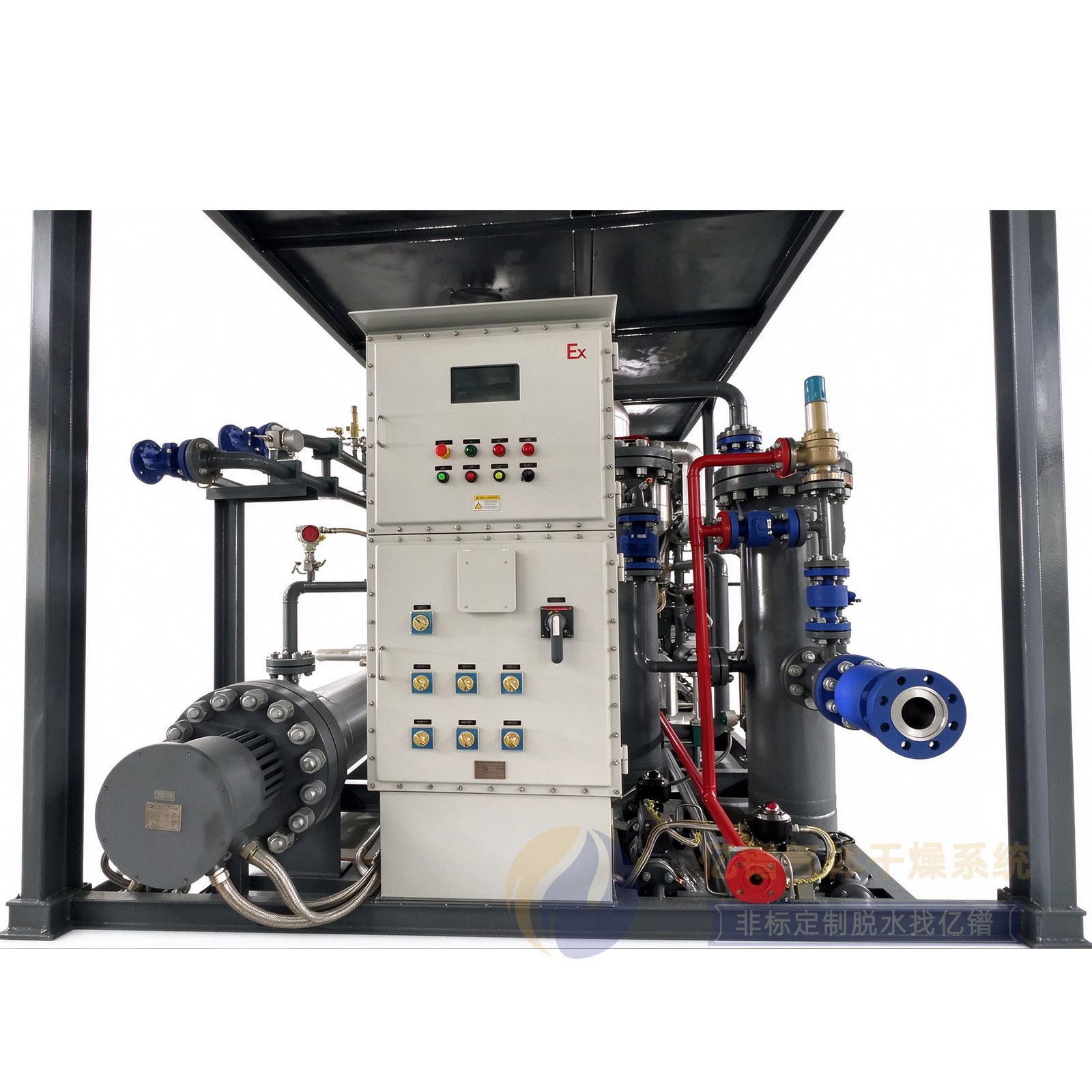
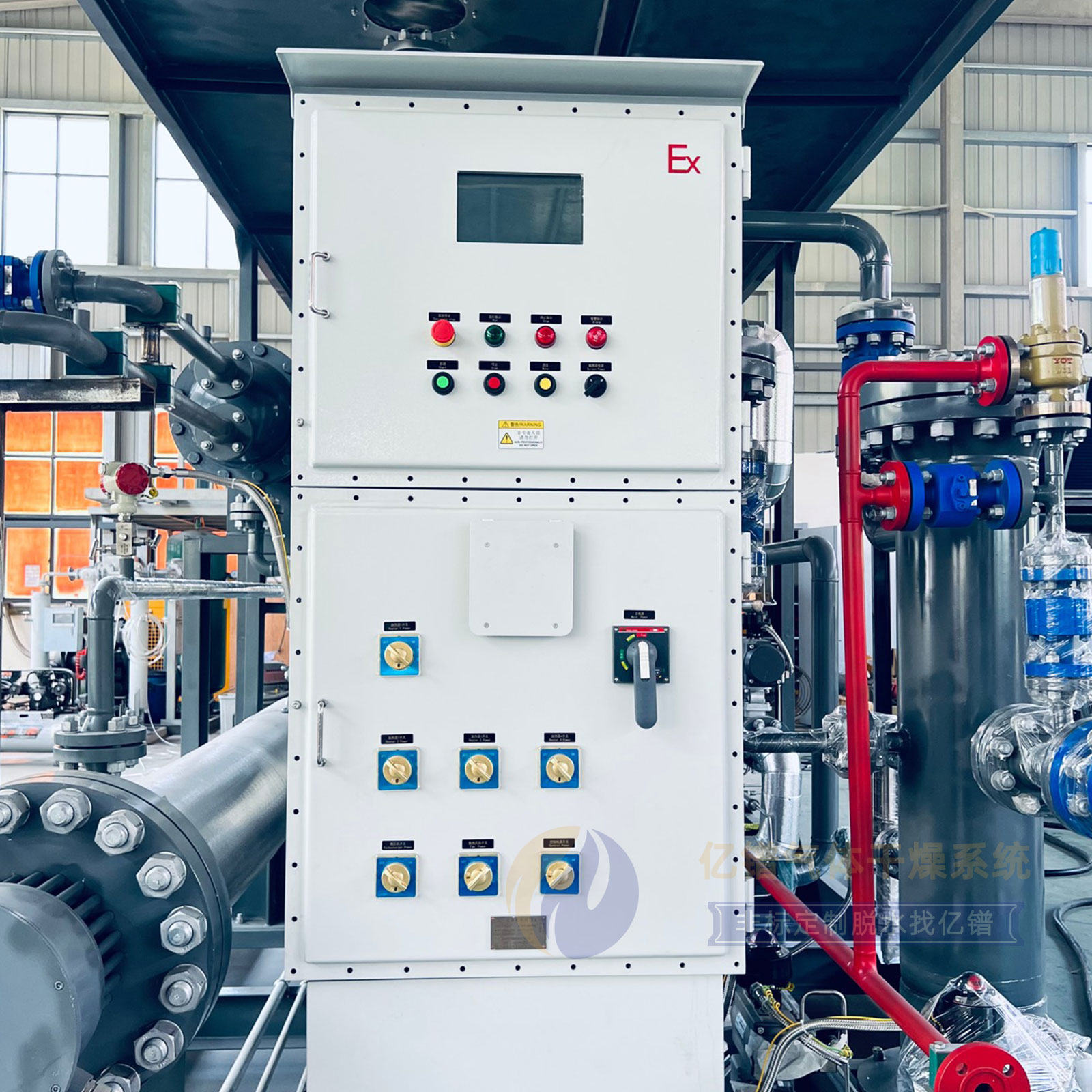
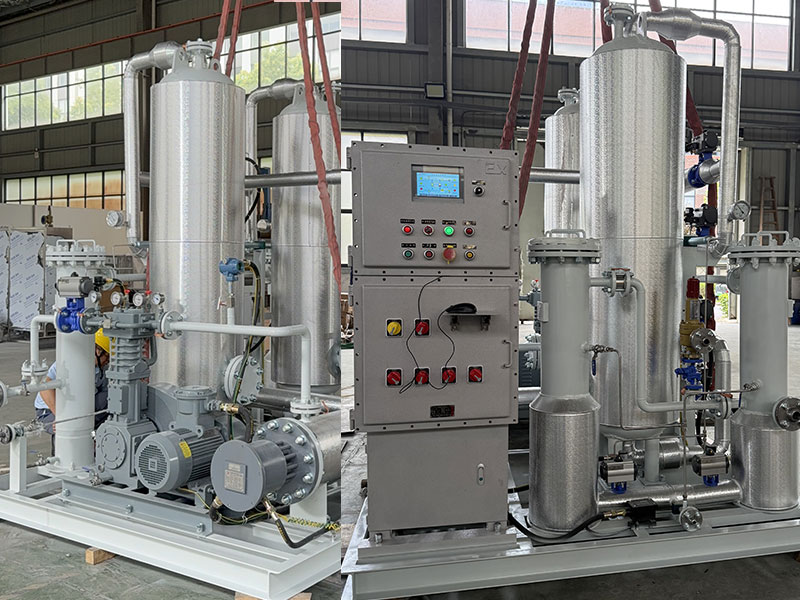
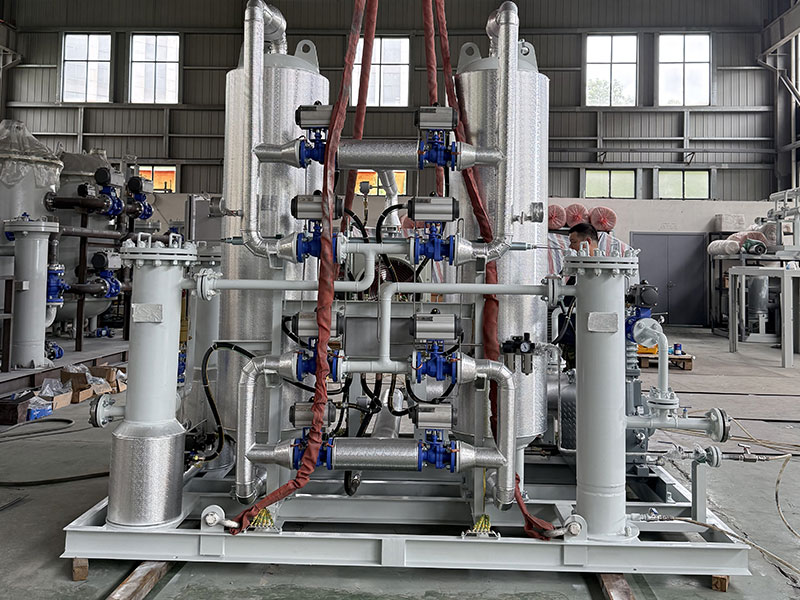
| Regeneration process requires manual intervention, complex operation | Explosion-proof PLC automatic control, automatic valve switching, automatic regeneration, automatic start/stop of booster |
| Regeneration gas emissions cause natural gas loss and environmental pollution | Semi-open cycle regeneration, regeneration gas is cooled and separated then recovered to the adsorption tower inlet, low product gas loss |
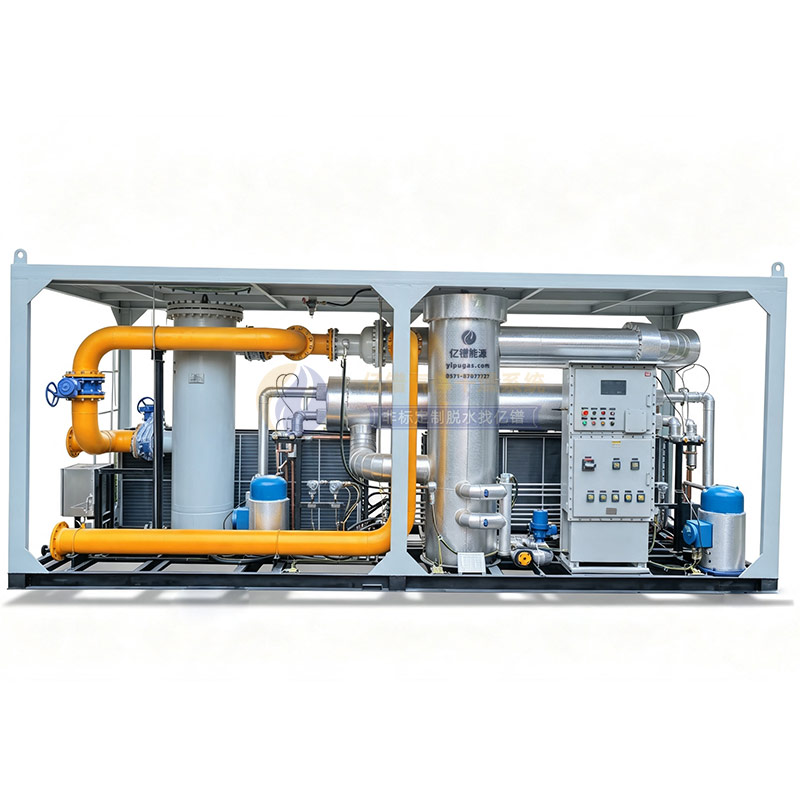
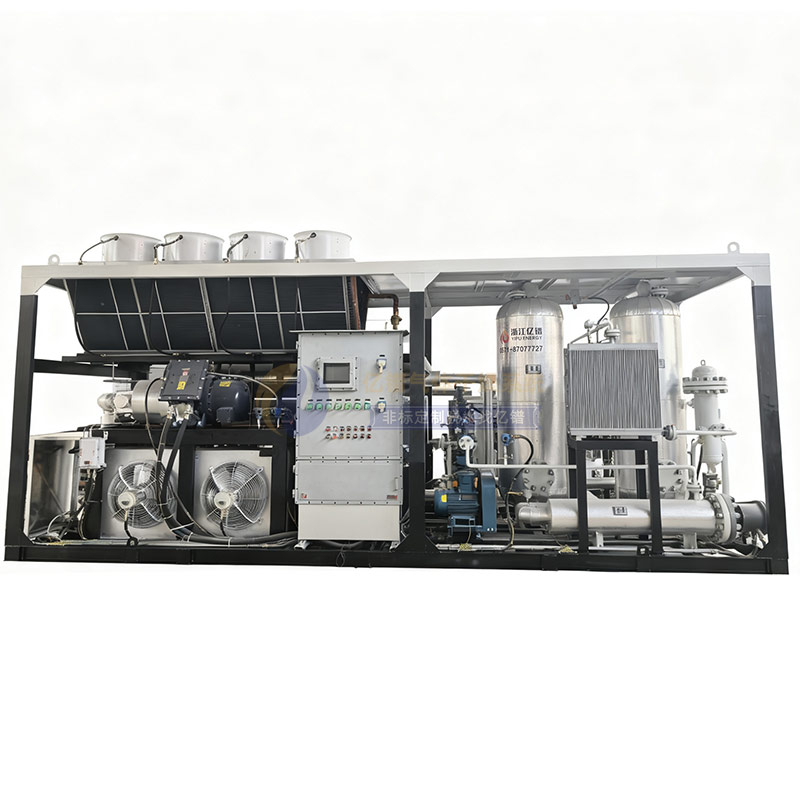
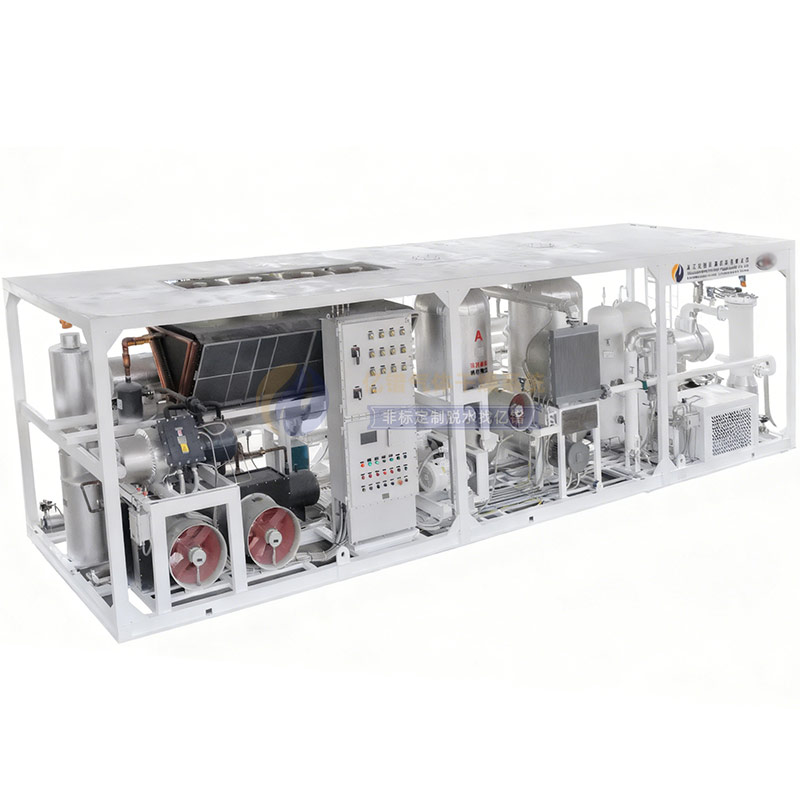
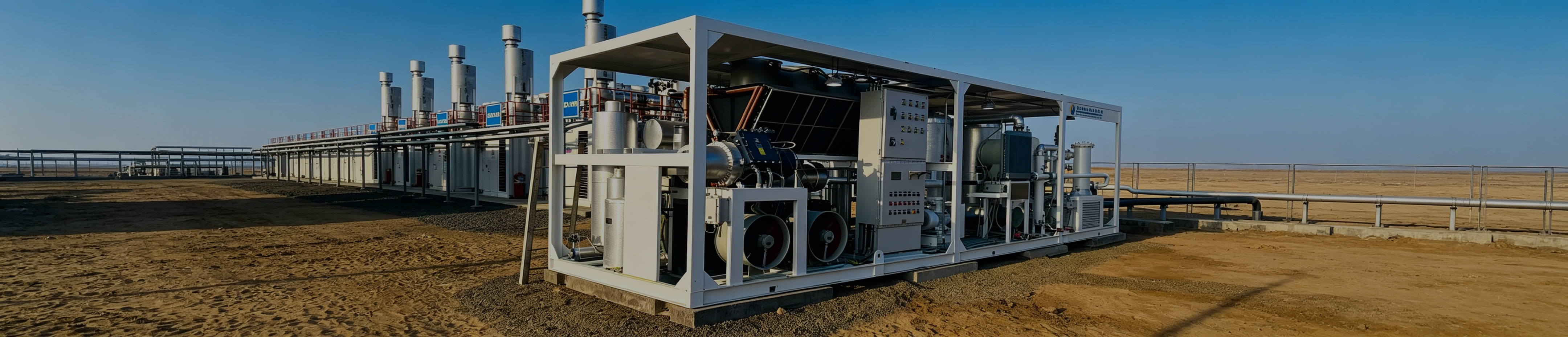
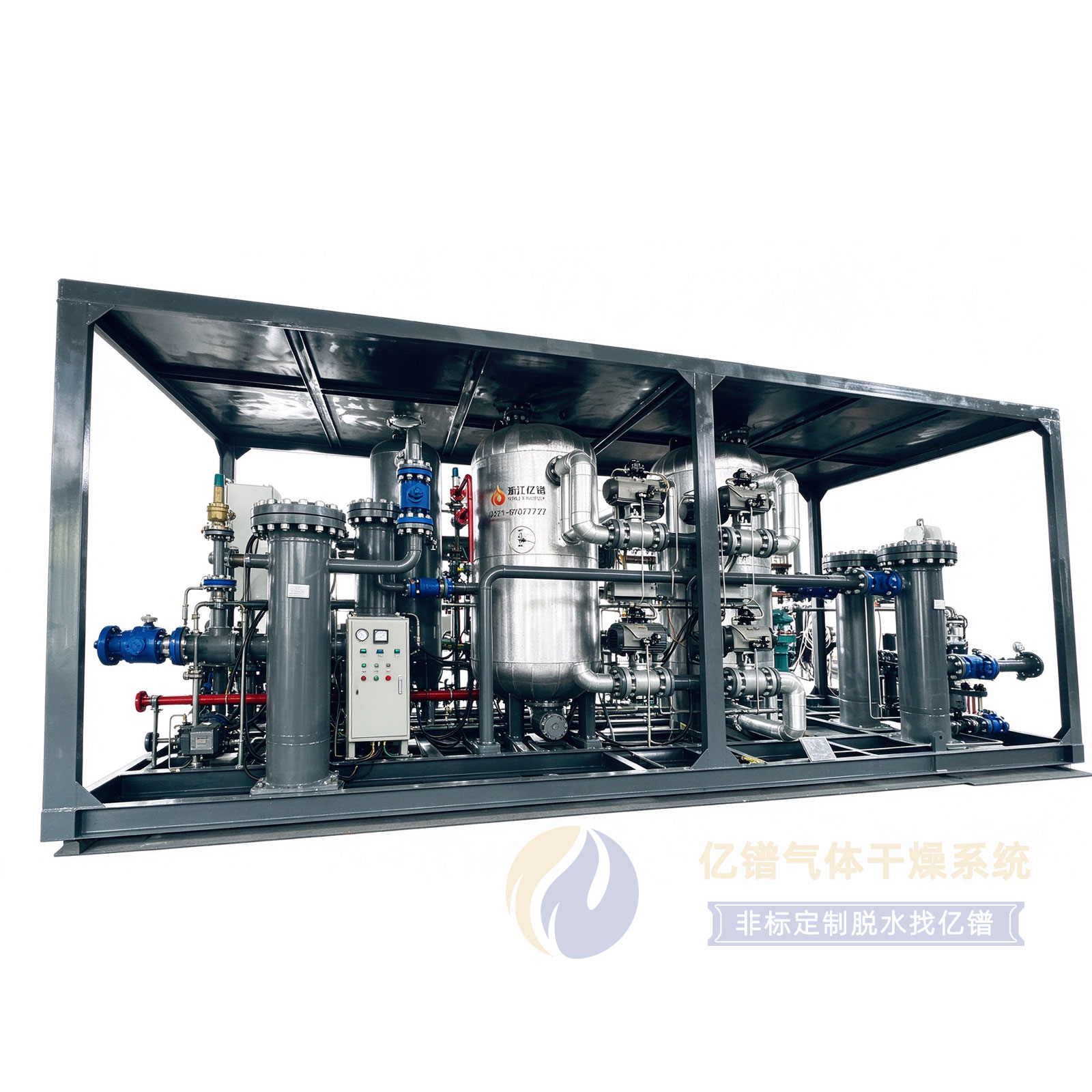
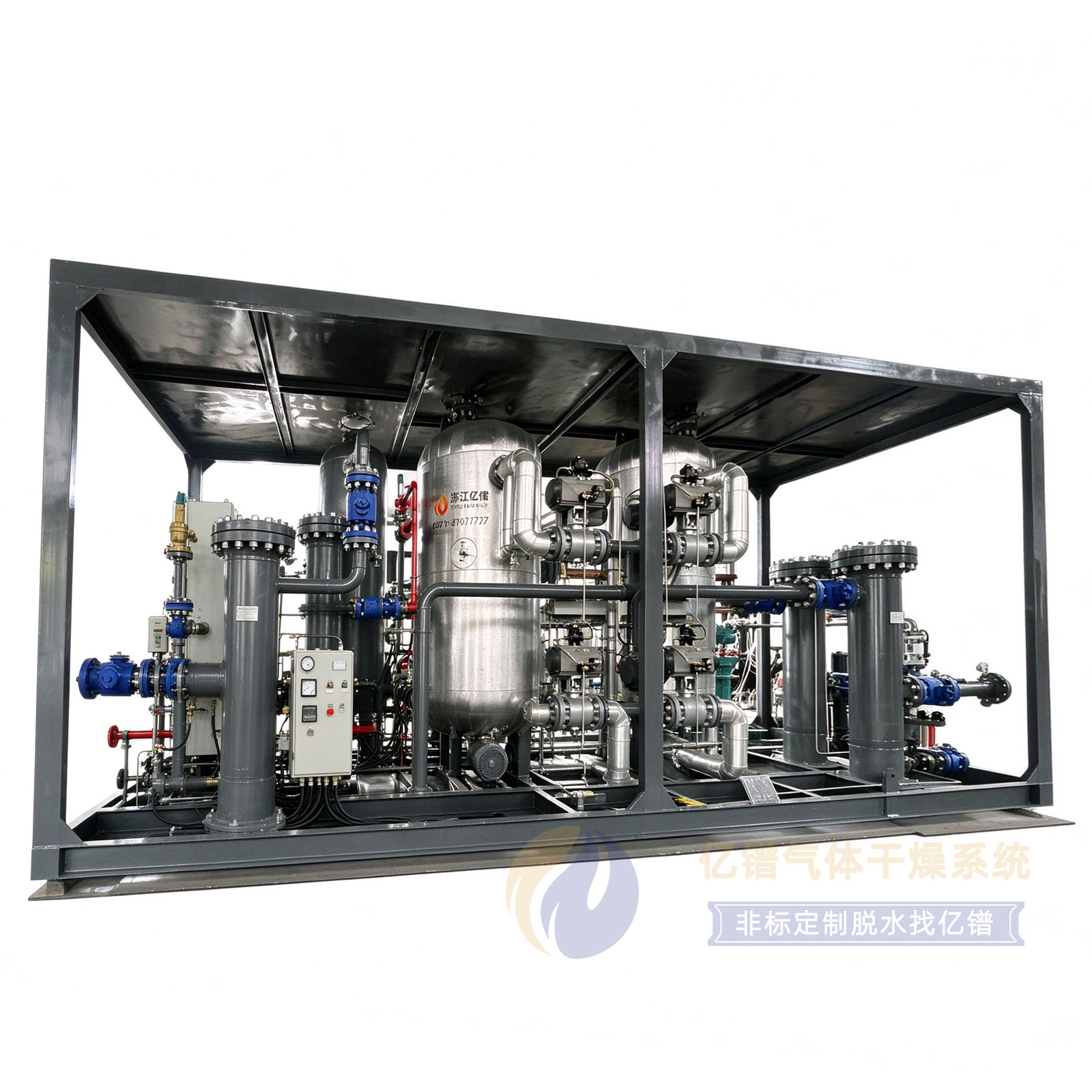
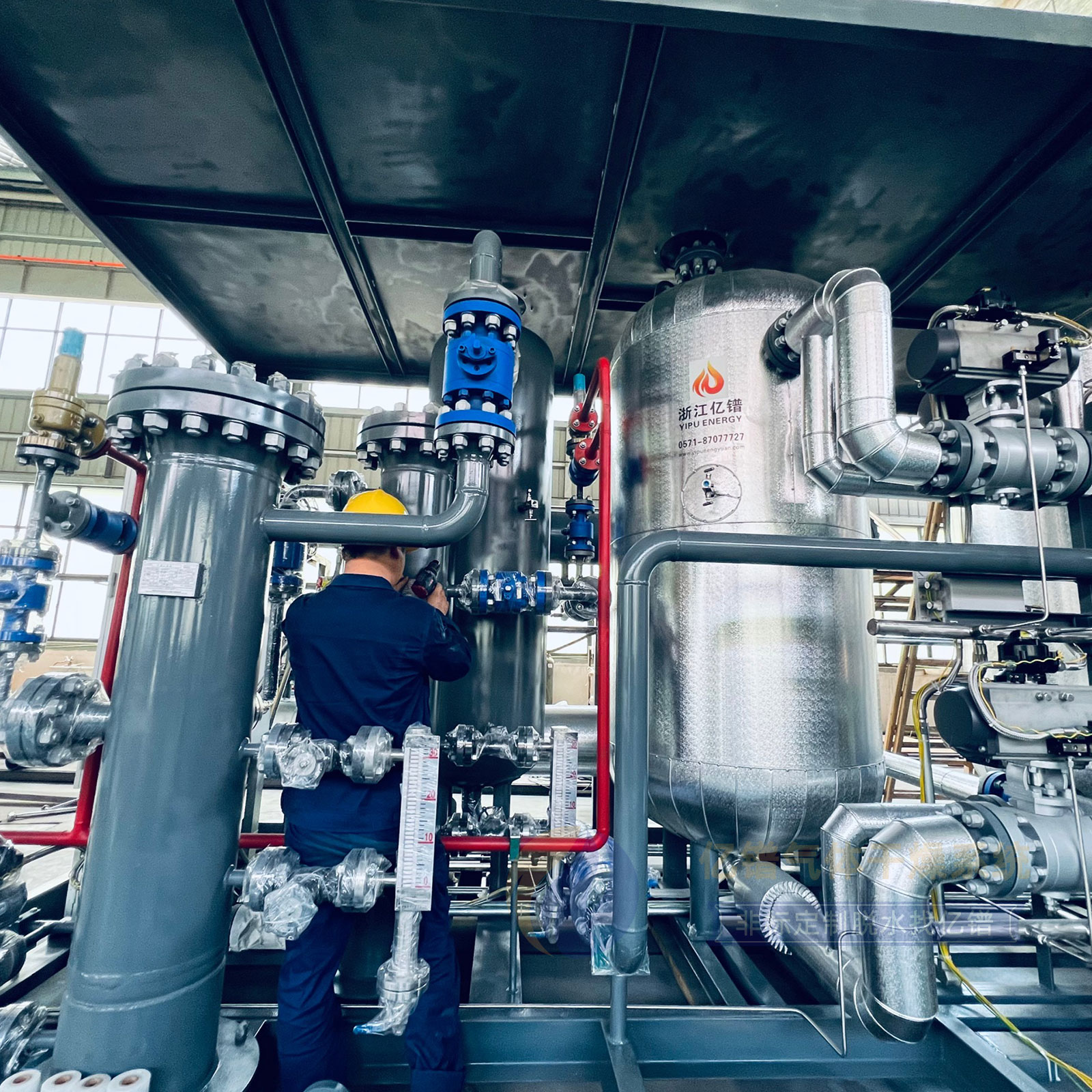
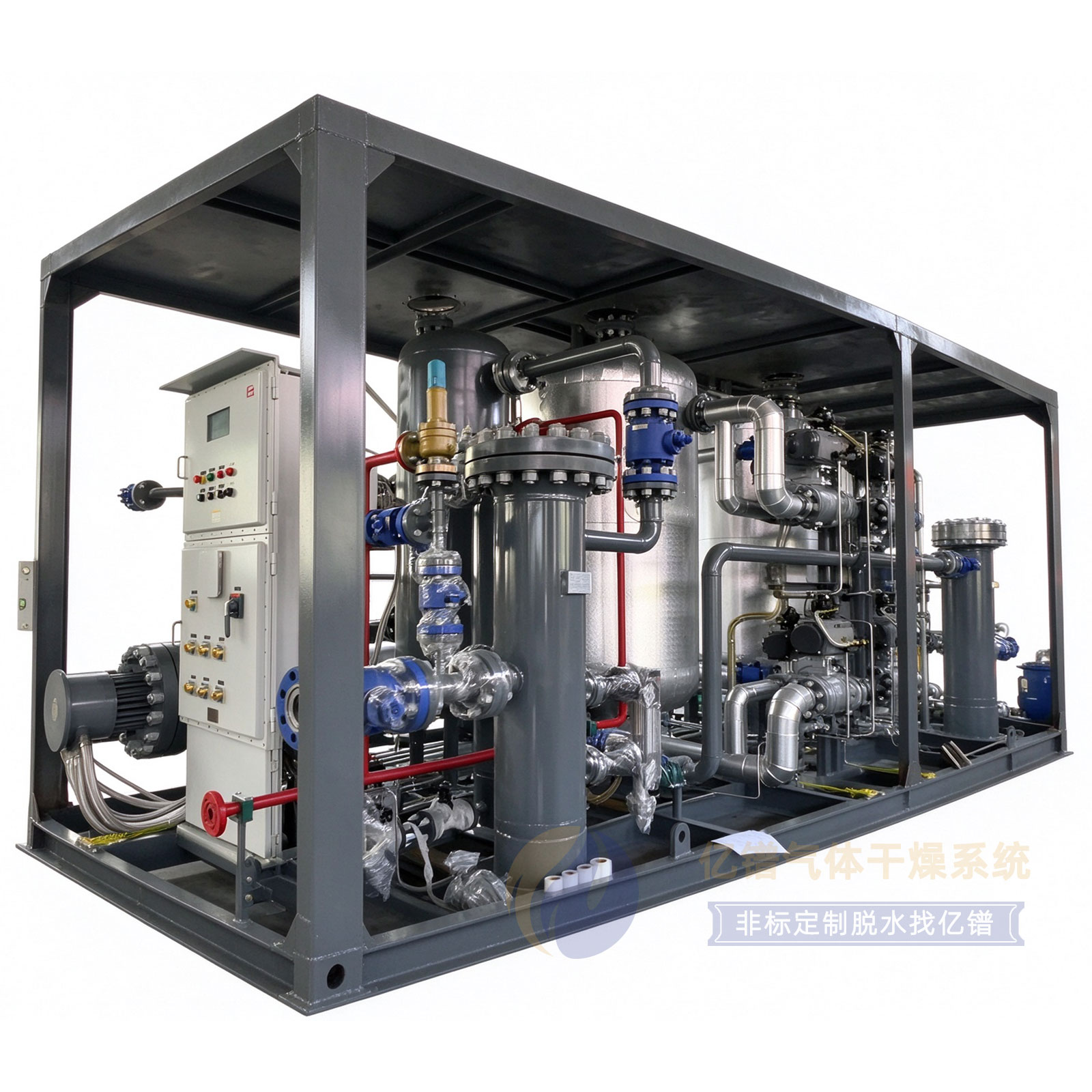
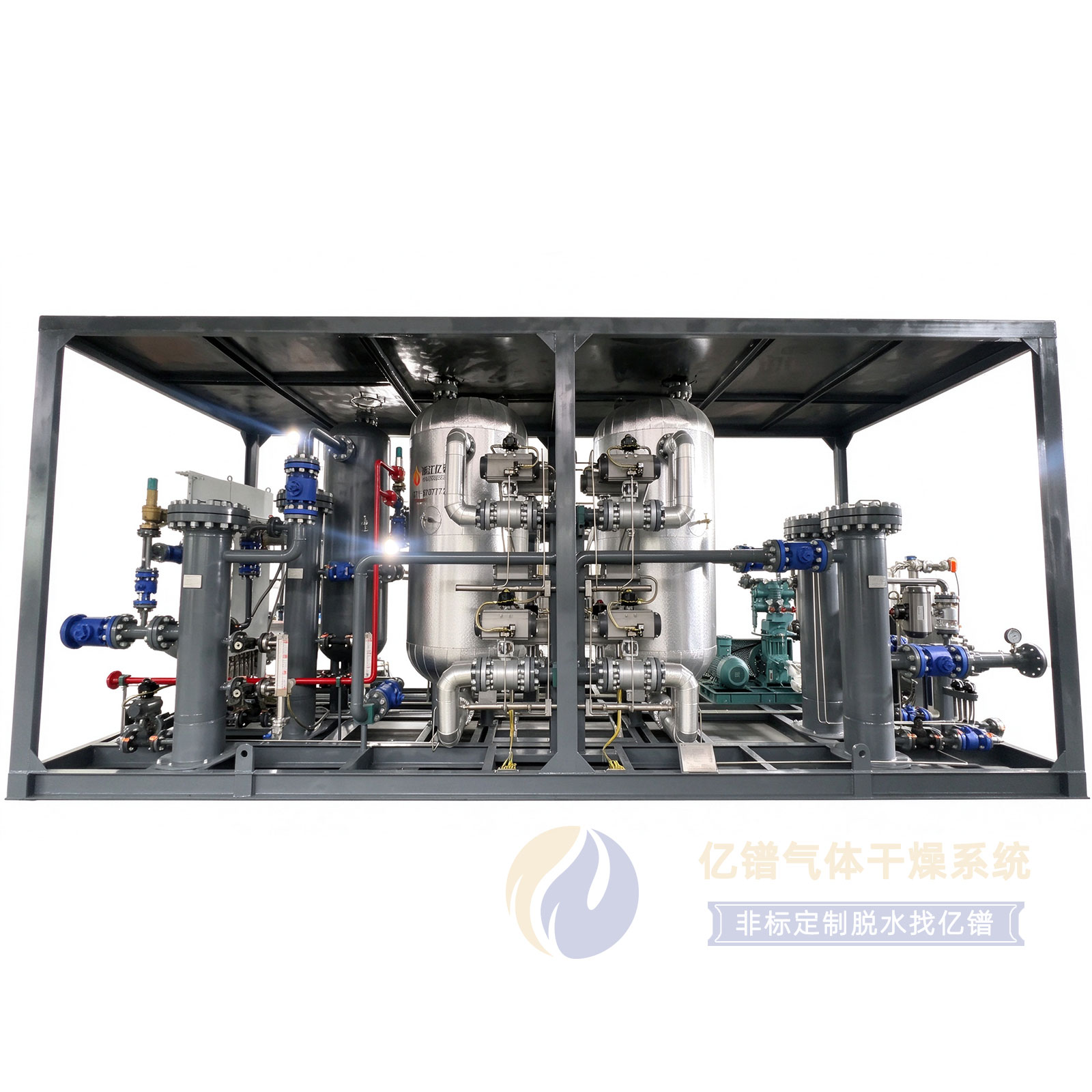
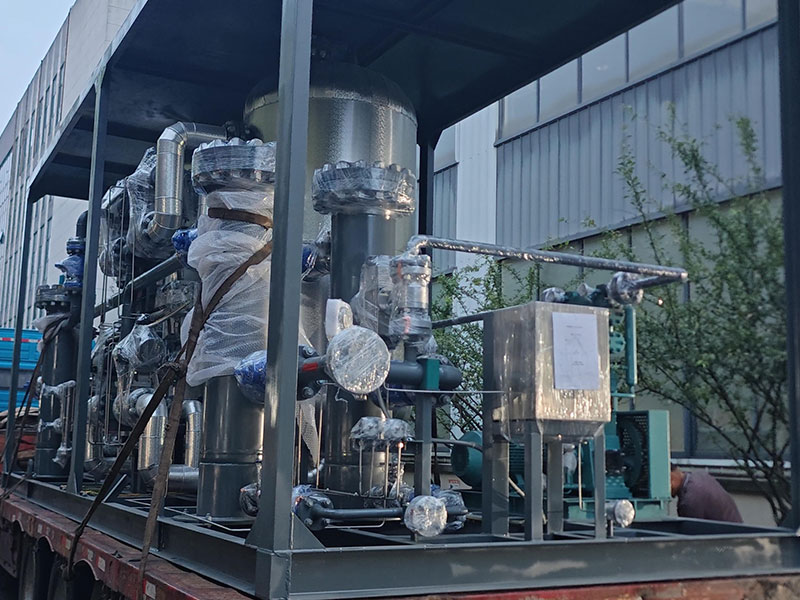
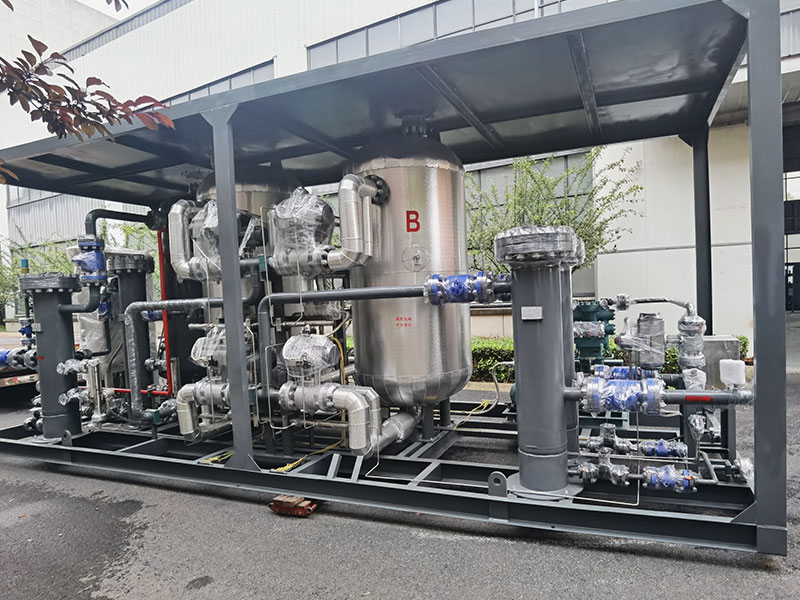
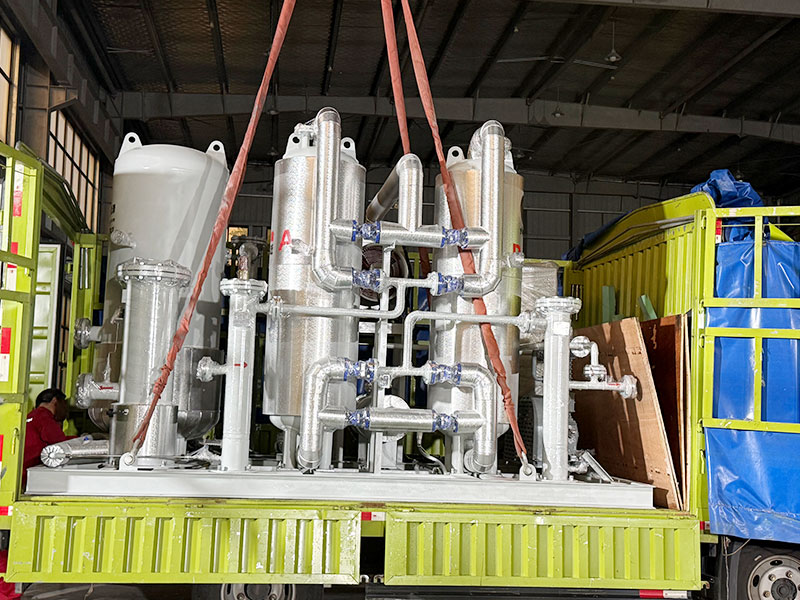
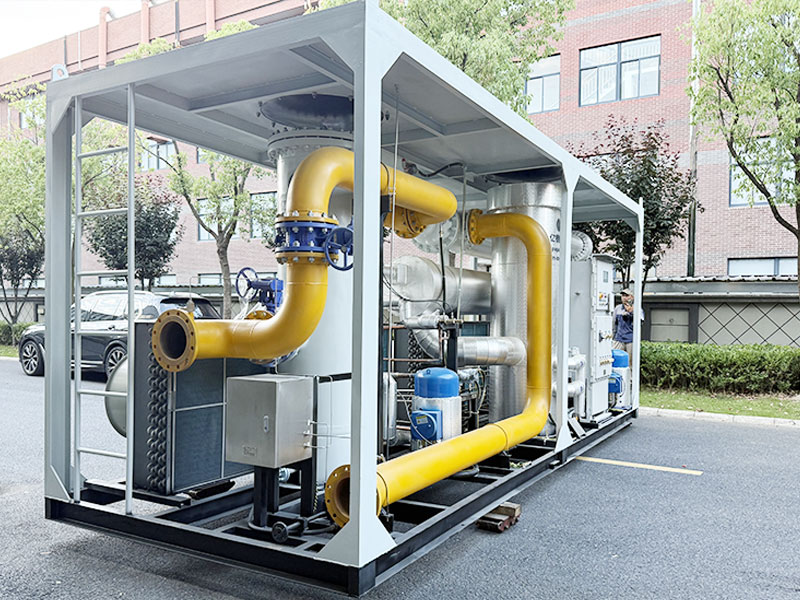
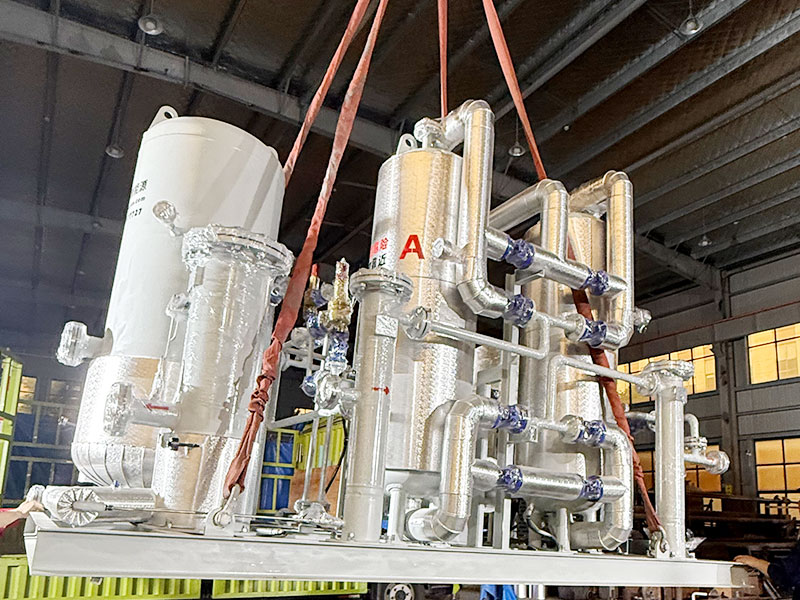
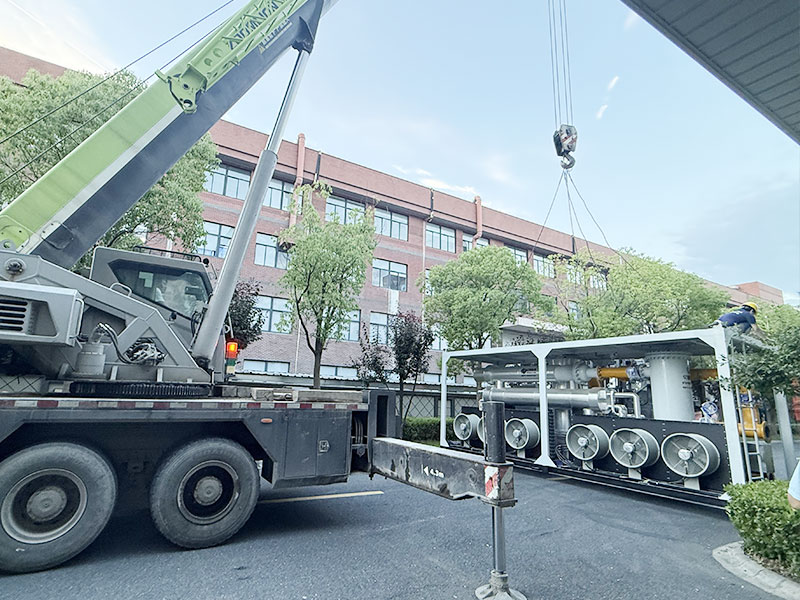
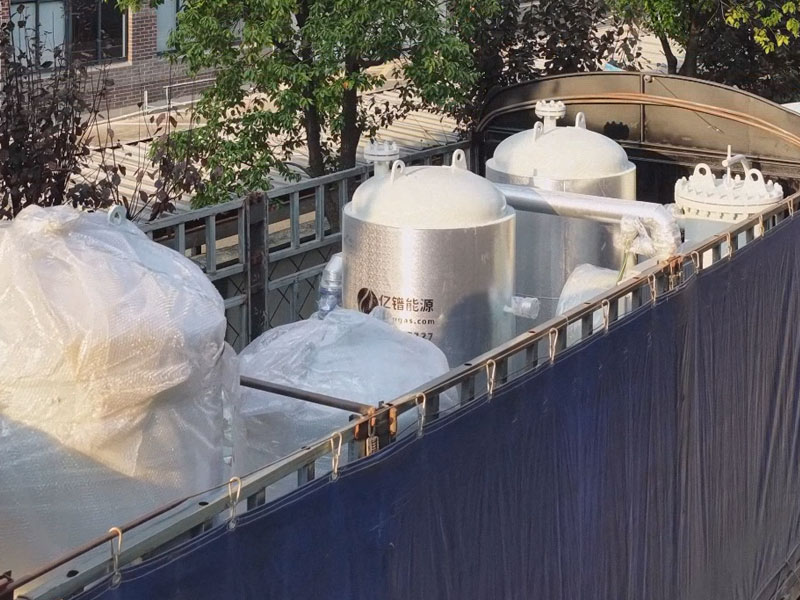
| Long on-site installation period and difficult construction | Integral skid-mounted structure, all connecting nozzles and cables routed to skid edge, convenient transportation and installation |
| Mercury-containing natural gas contaminates the molecular sieve and shortens its service life | Equipped with a mercury removal tower filled with a dedicated mercury removal agent to remove mercury elements before entering the molecular sieve |
| The control system cannot be connected to the existing central control system, making remote monitoring difficult | Reserved Modbus RTU communication interface and remote start/stop interface, supporting connection to the upper-level central control system |
Dew point down to -76℃
meeting strict requirements for cryogenic liquefaction

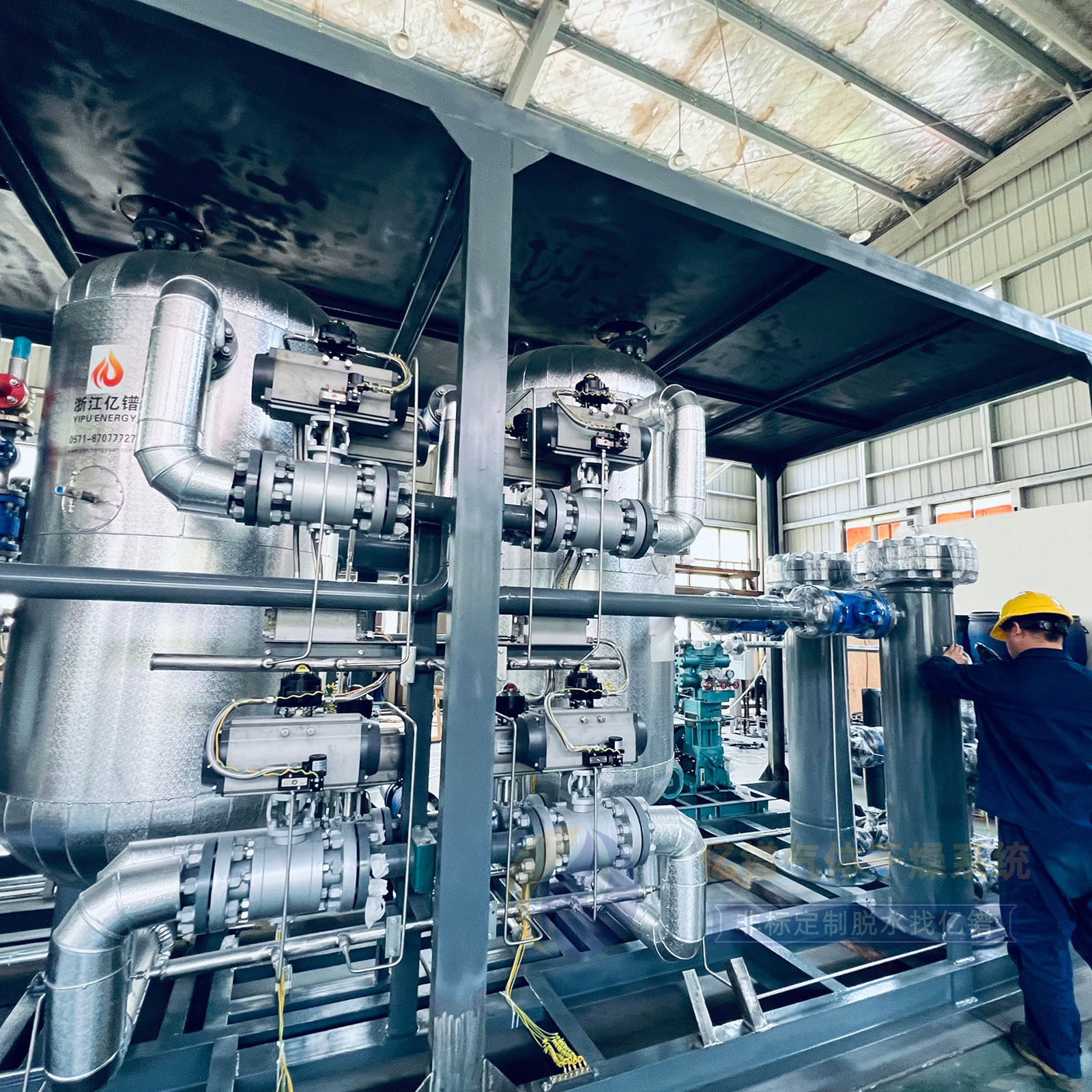
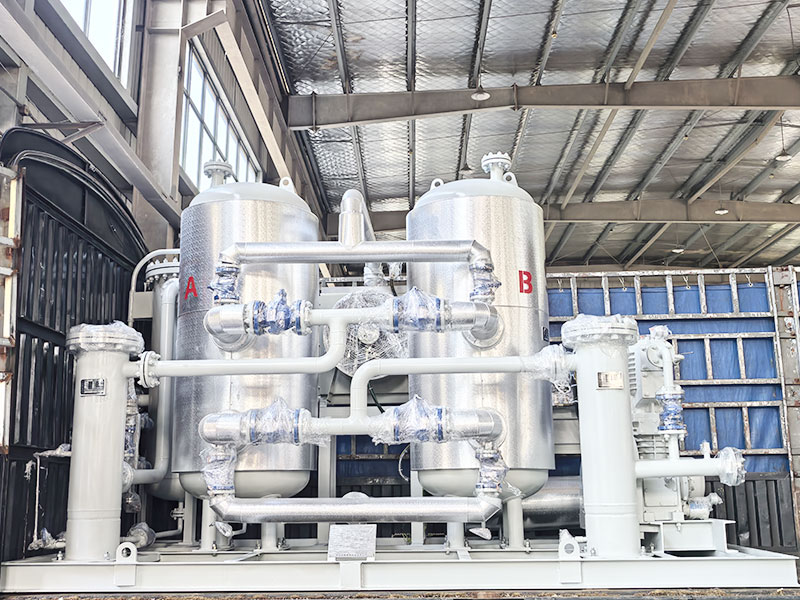
Dual-tower alternating automatic switching
Stable output without pressure fluctuations

Explosion-proof PLC fully automatic operation
Supports remote central control access

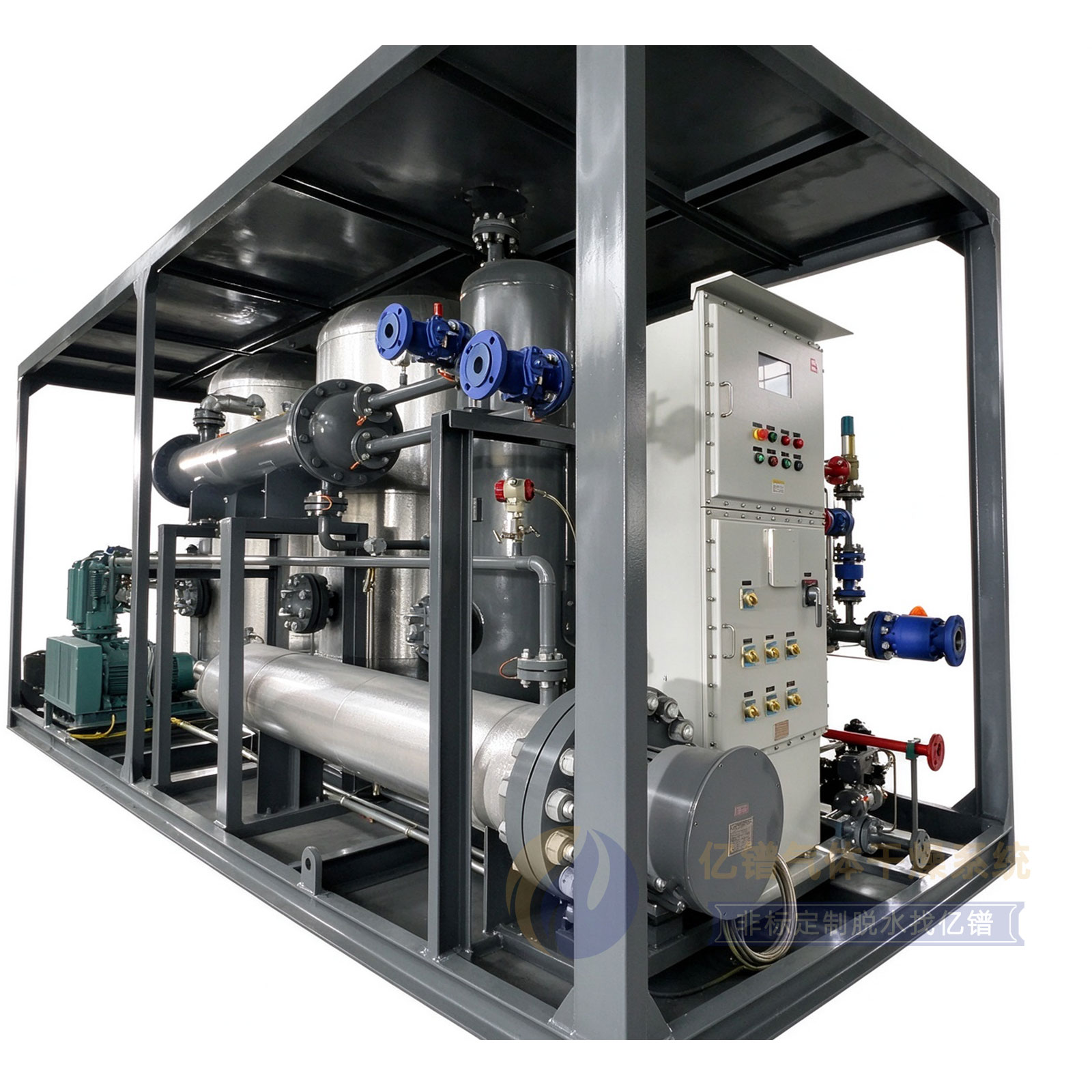
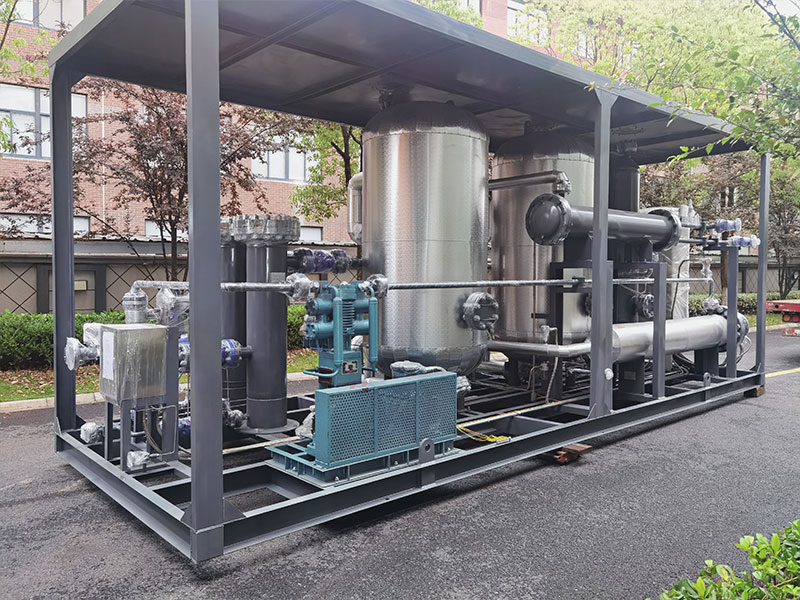
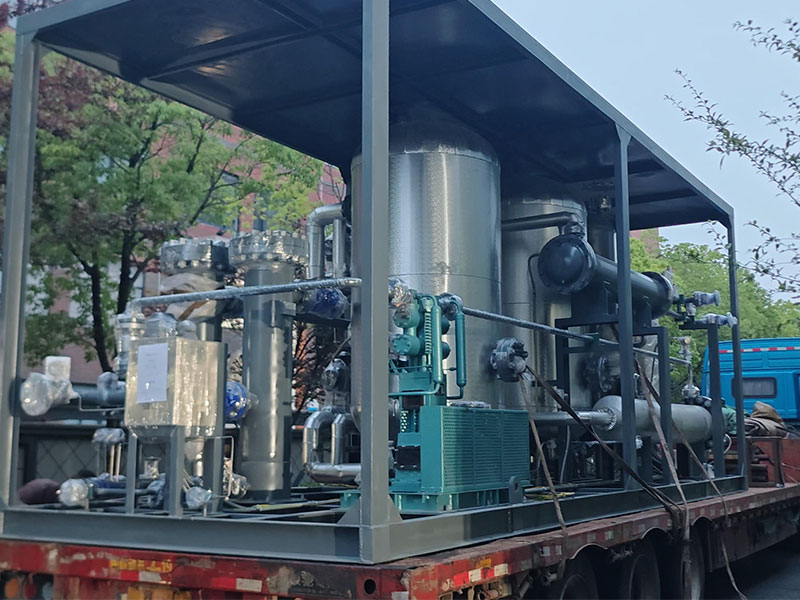
Overall skid-mounted structural design
Saving time and effort in on-site installation

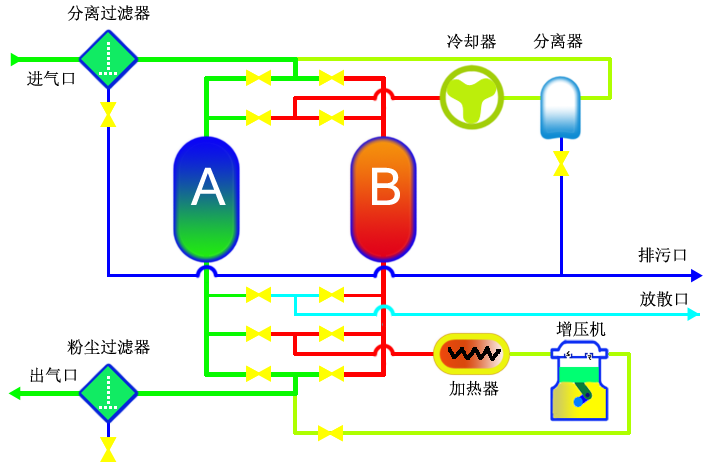
3A molecular sieve pore size is about 3 angstroms, Water molecules can enter the pores and be adsorbed
Methane and other hydrocarbons cannot enter due to their larger molecules

Molecular sieve adsorbs moisture at low temperature and high pressure
High-temperature regeneration gas flows countercurrently through the bed, causing water molecules to desorb and regenerate
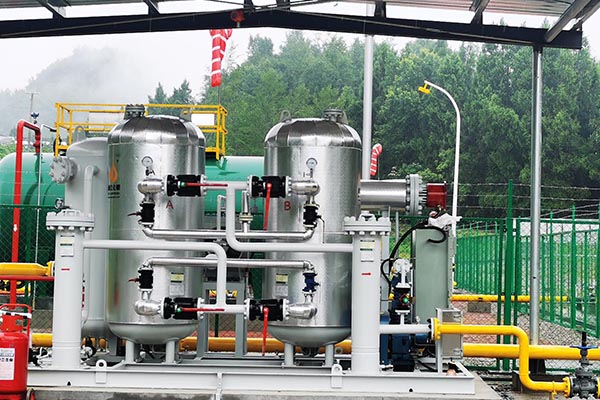
While Tower A adsorbs and dehydrates, Tower B is heated and regenerated
Continuous gas supply without interruption through automatic valve switching

The regeneration gas flows downward from the top of the tower, in countercurrent contact with the molecular sieve
enhancing heat and mass transfer,improving desorption efficiency.







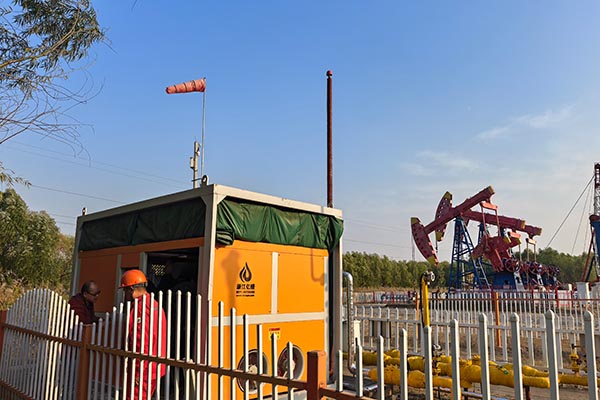
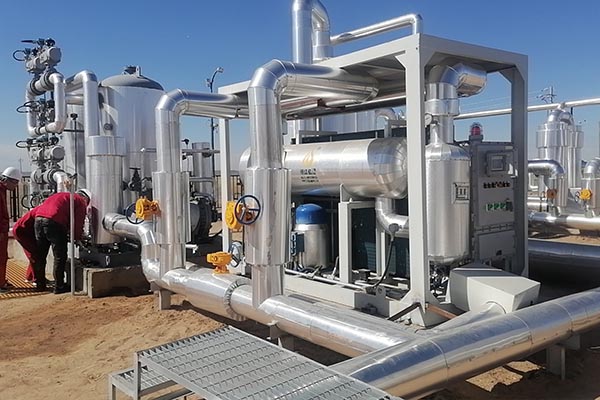
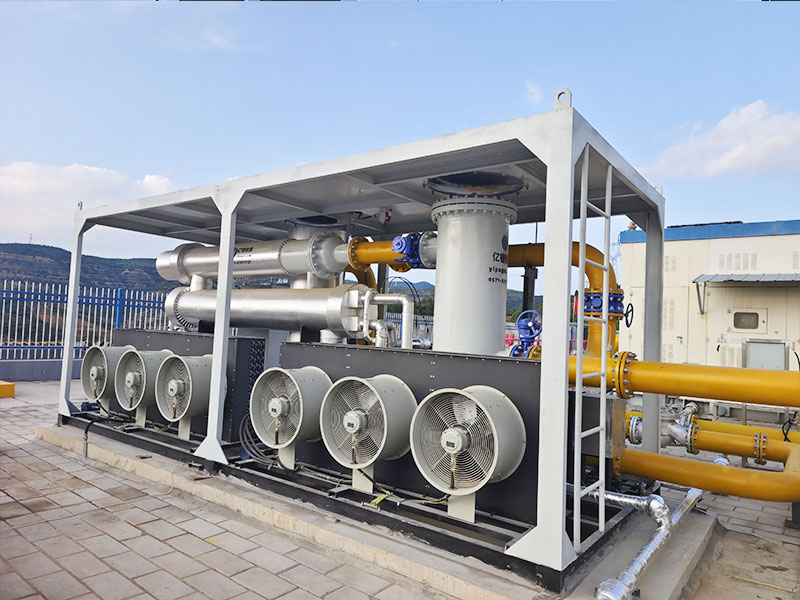
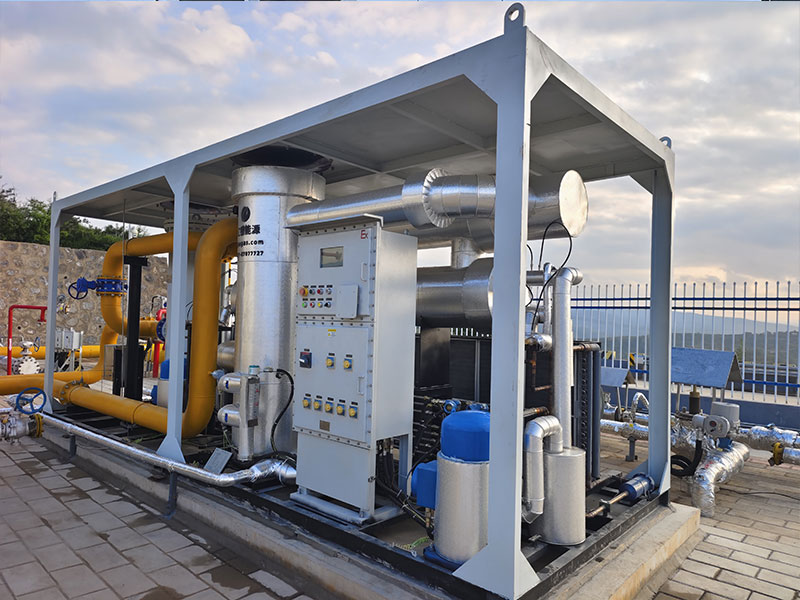
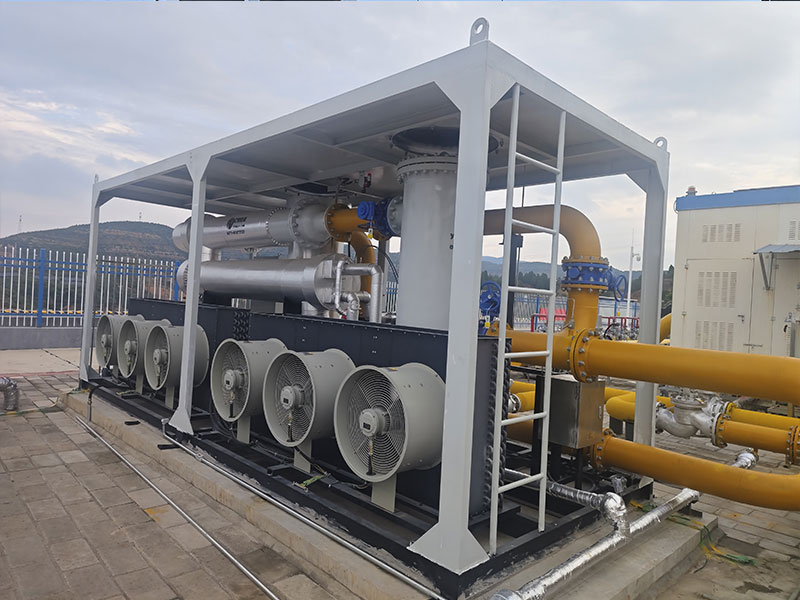
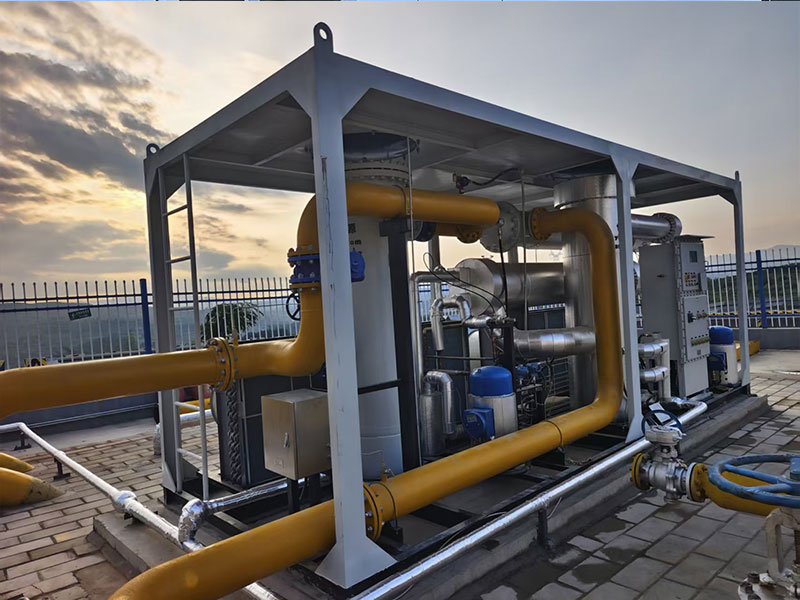
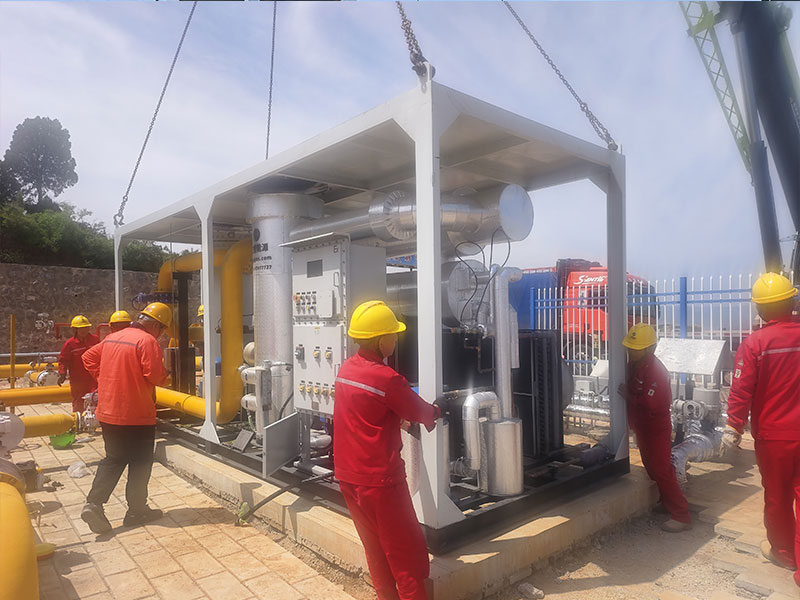
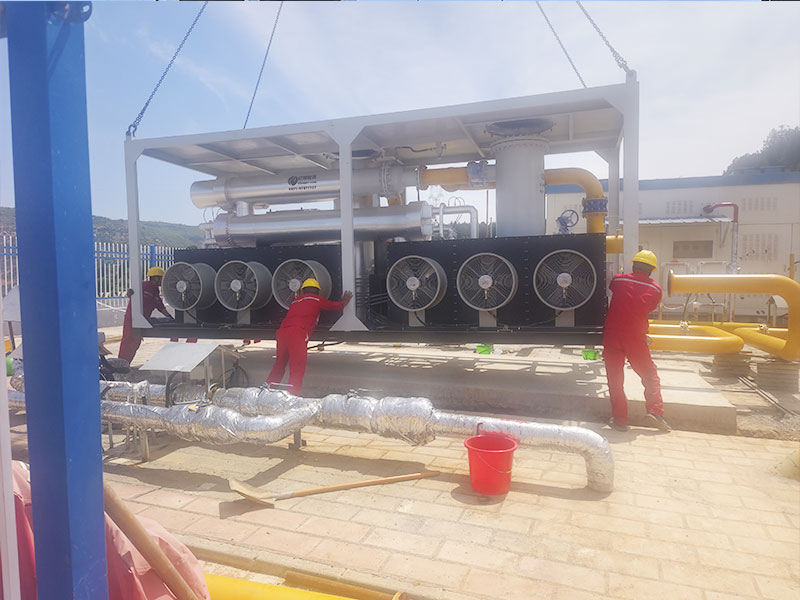
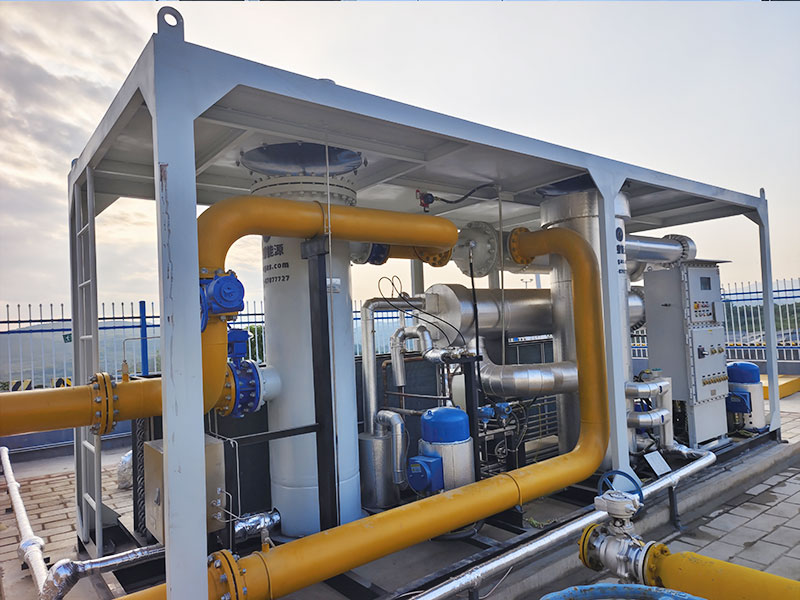
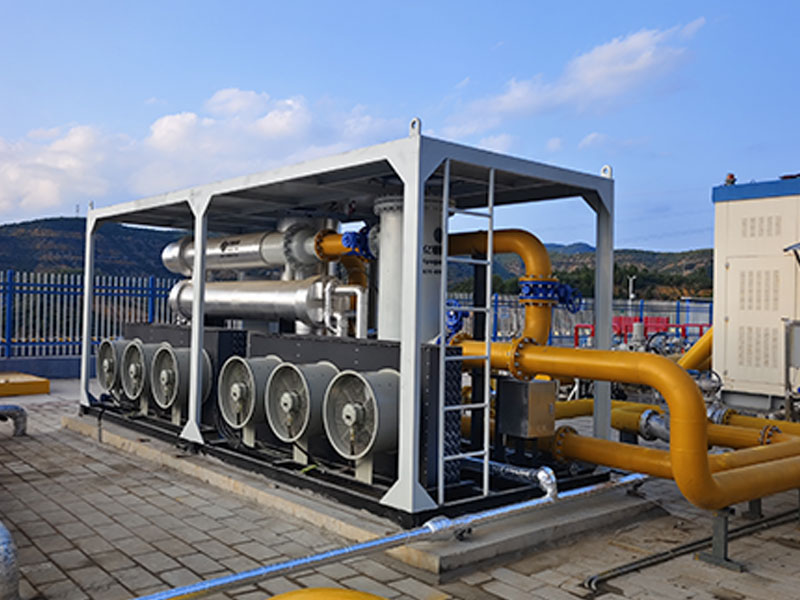
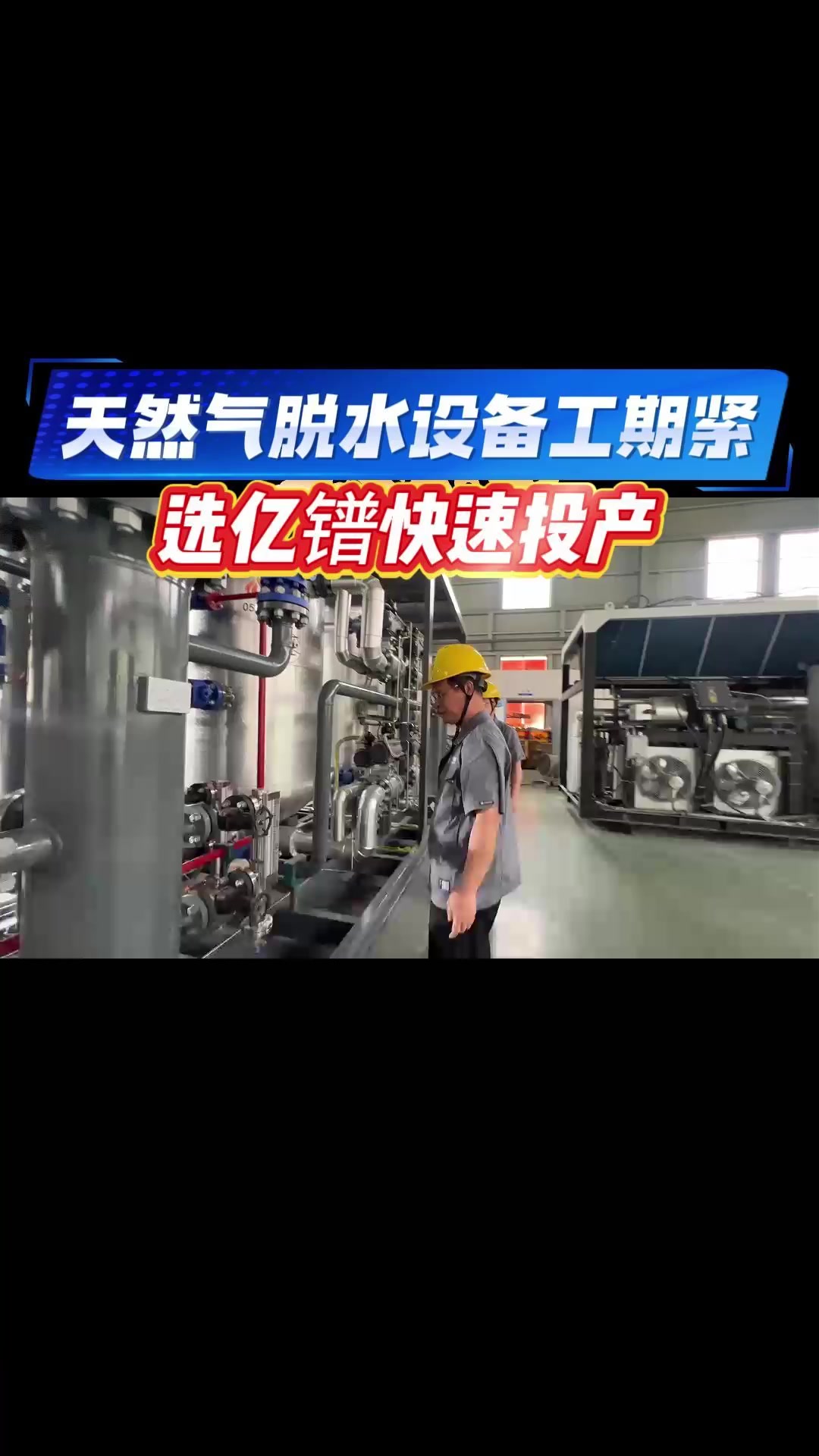
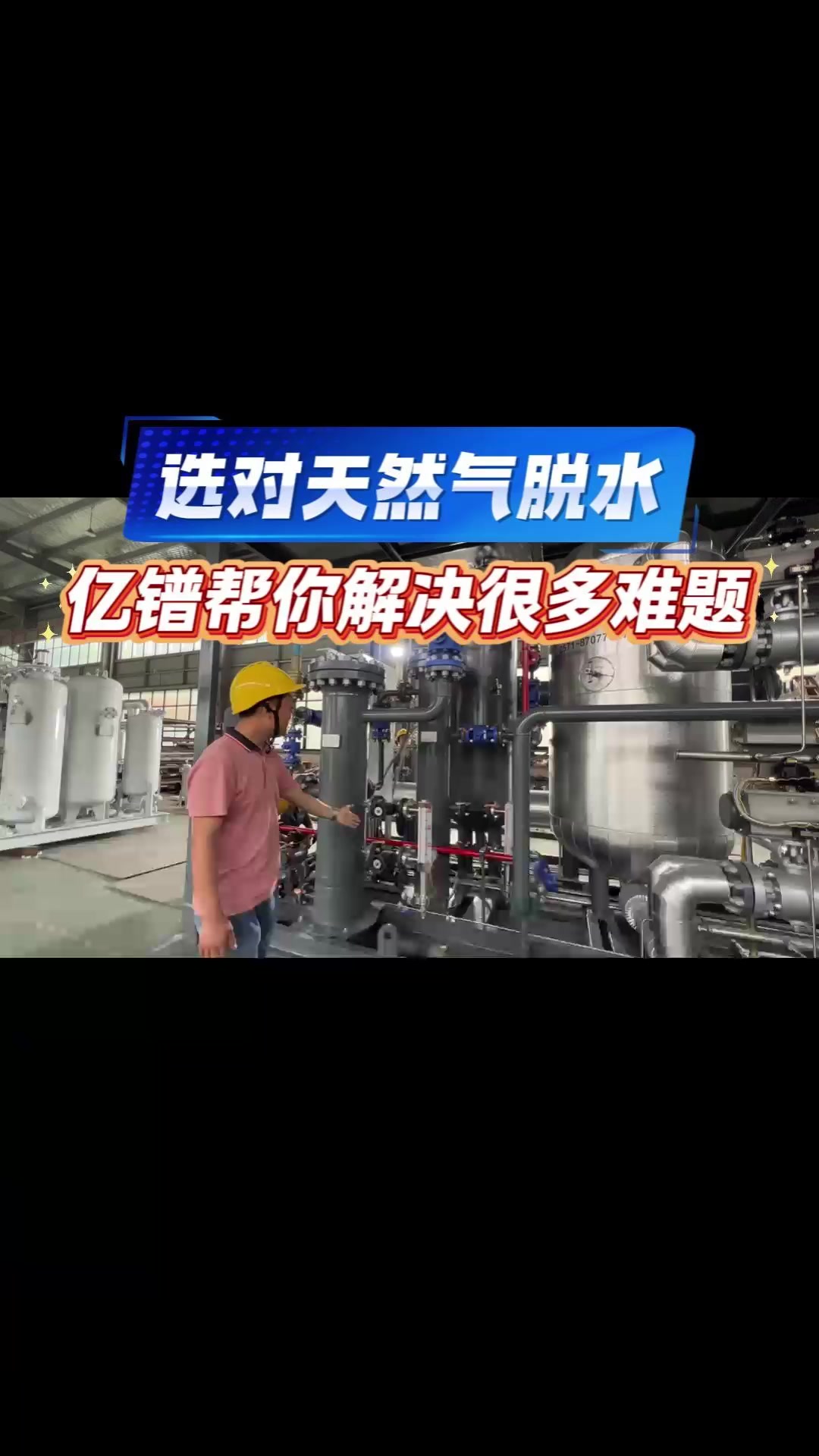
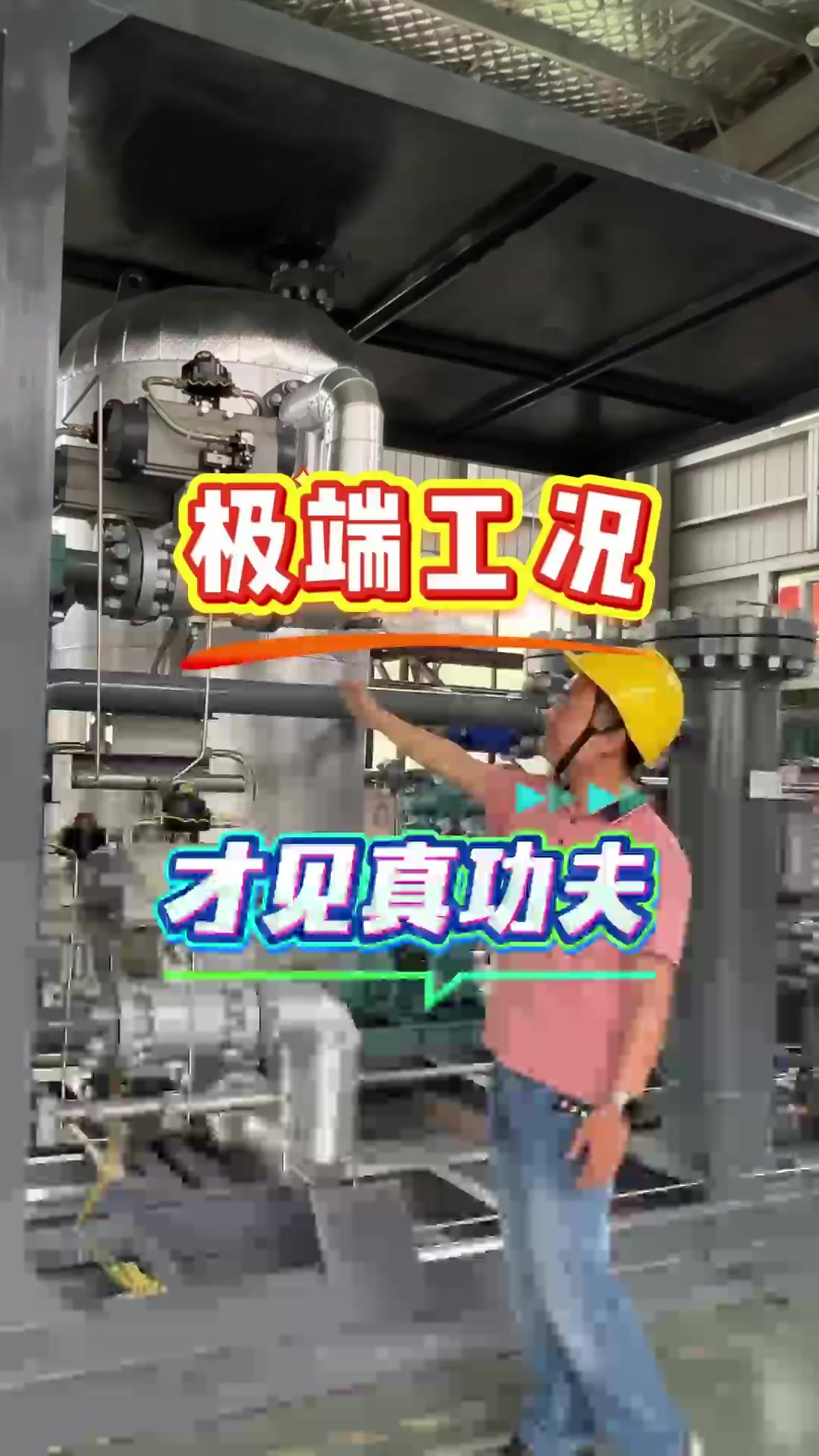
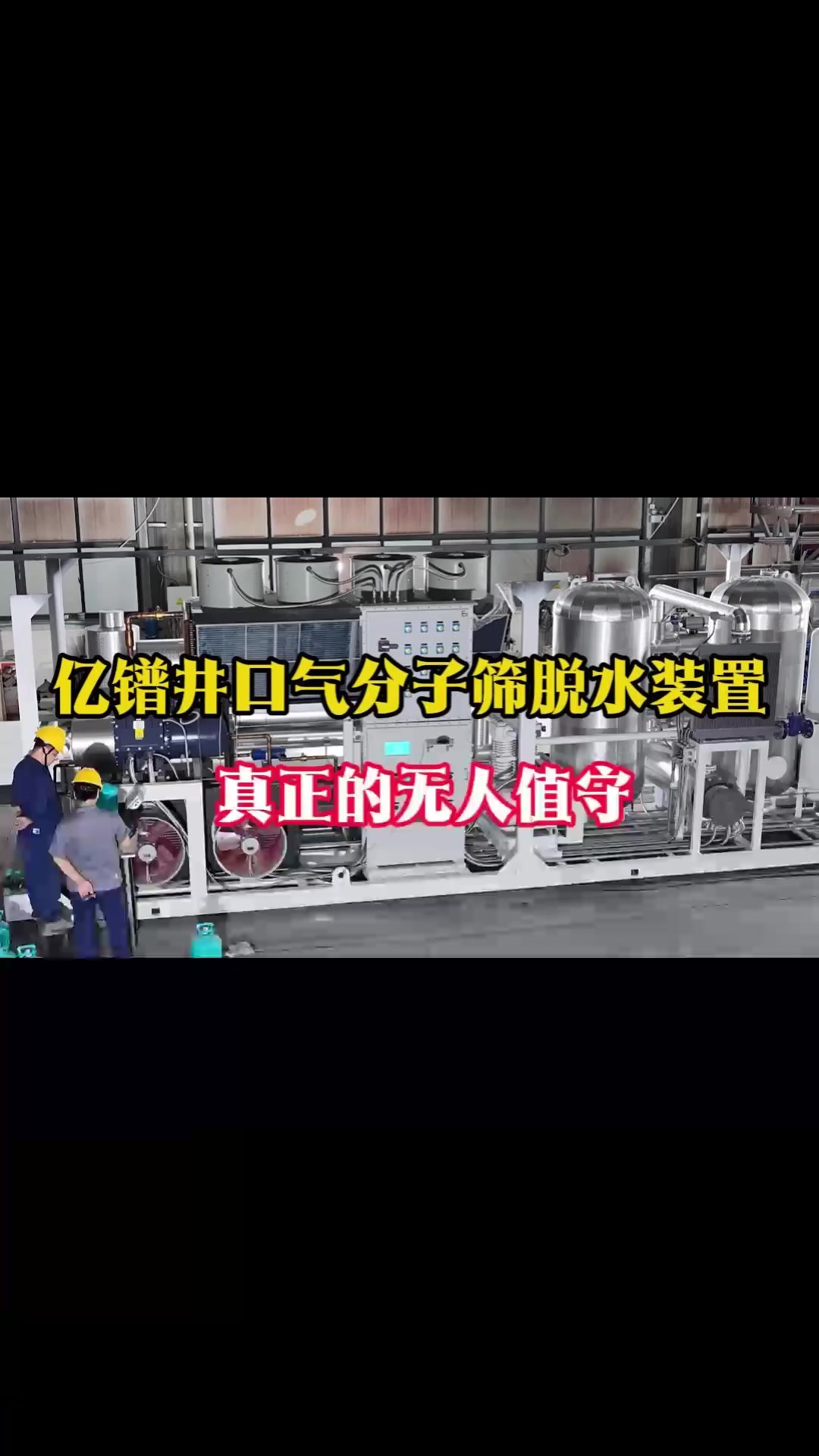
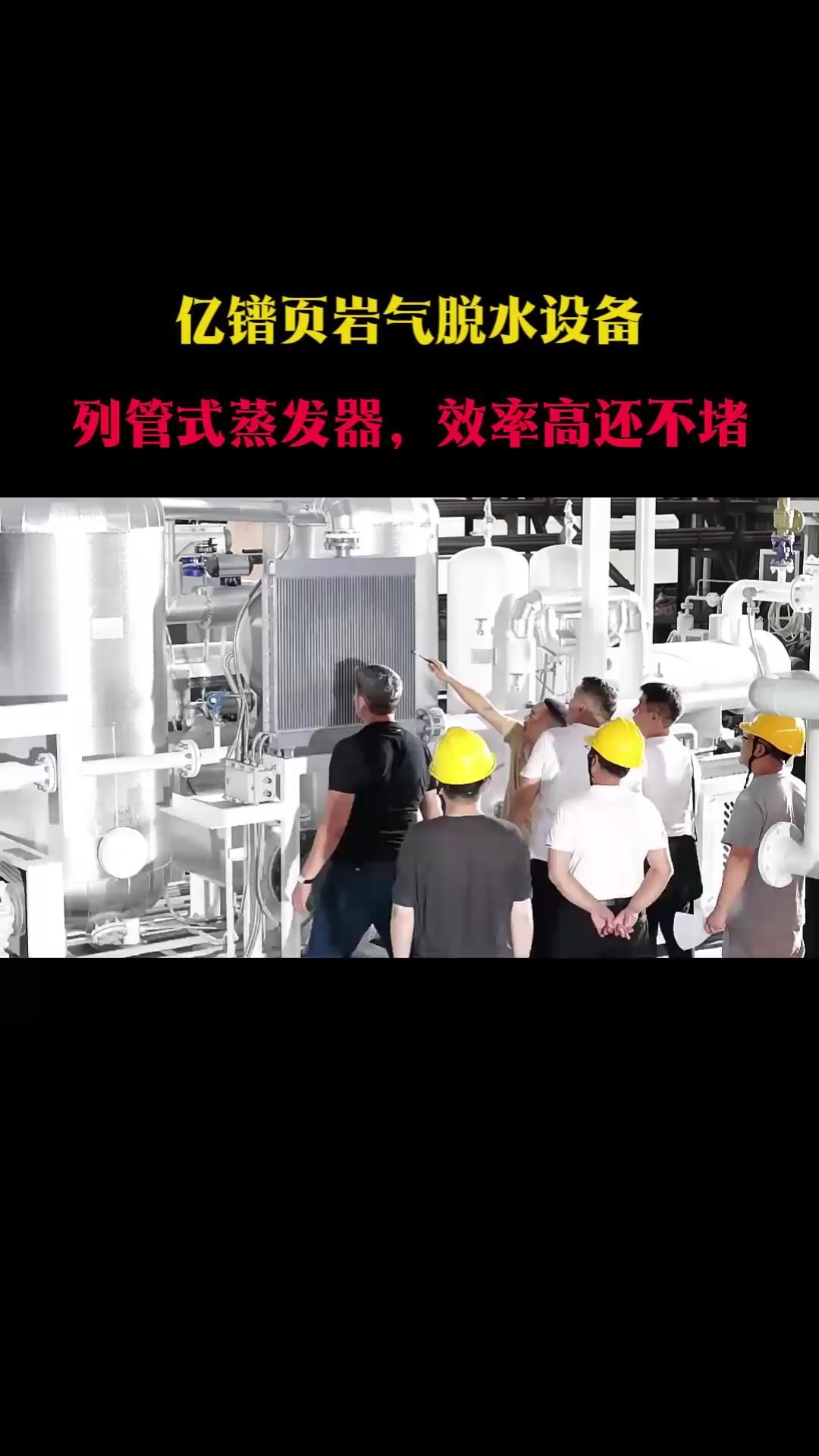
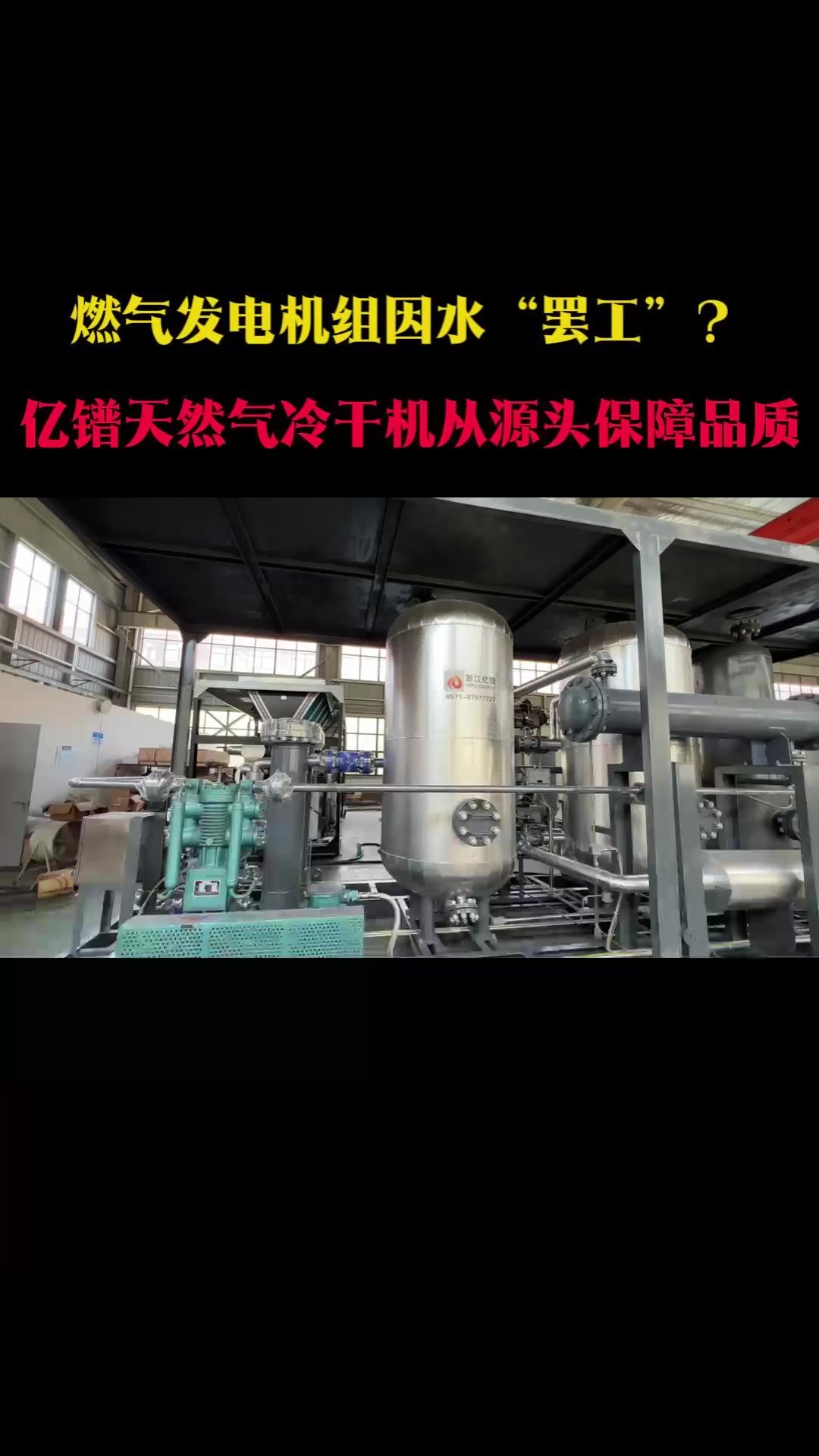
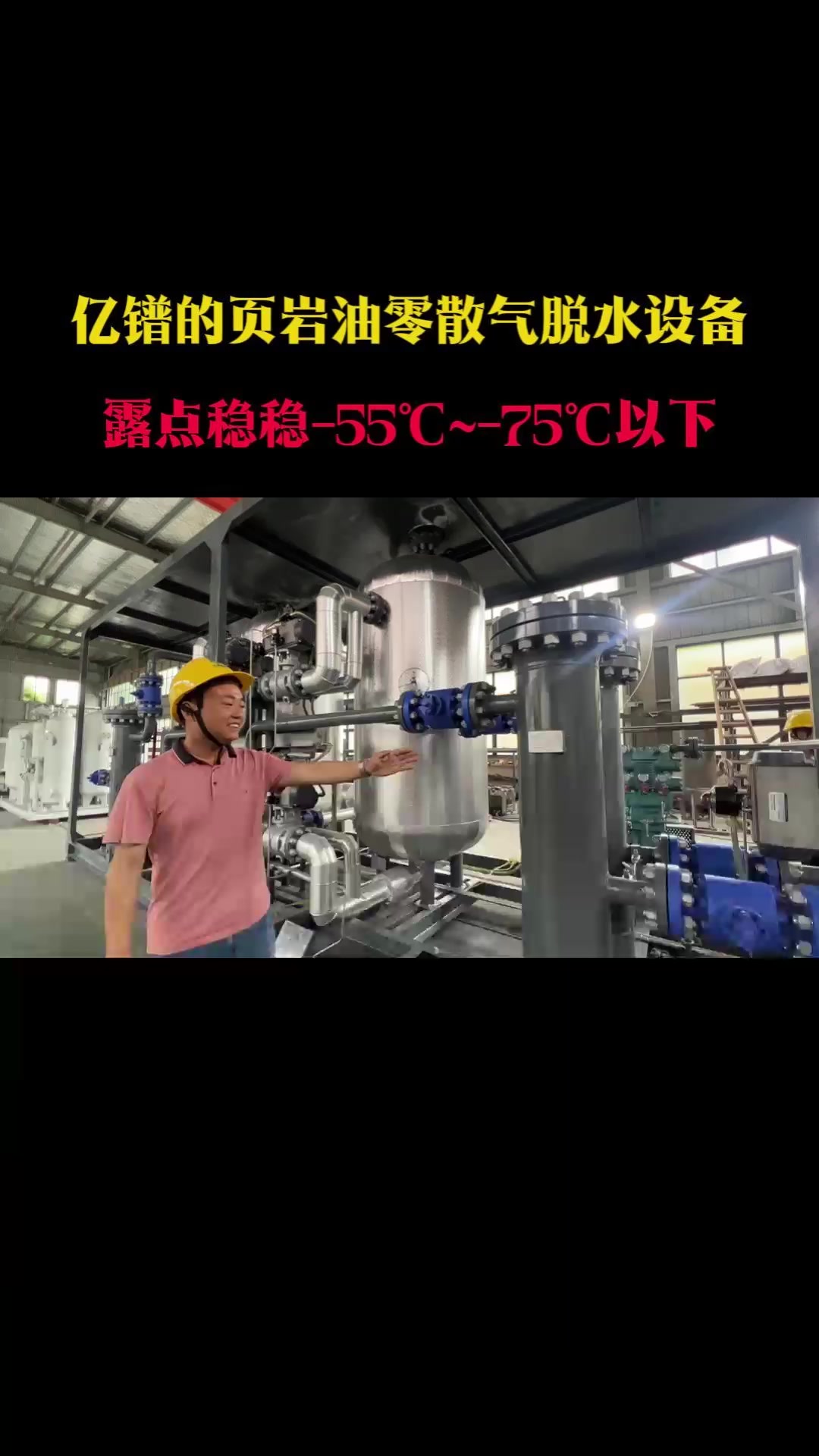
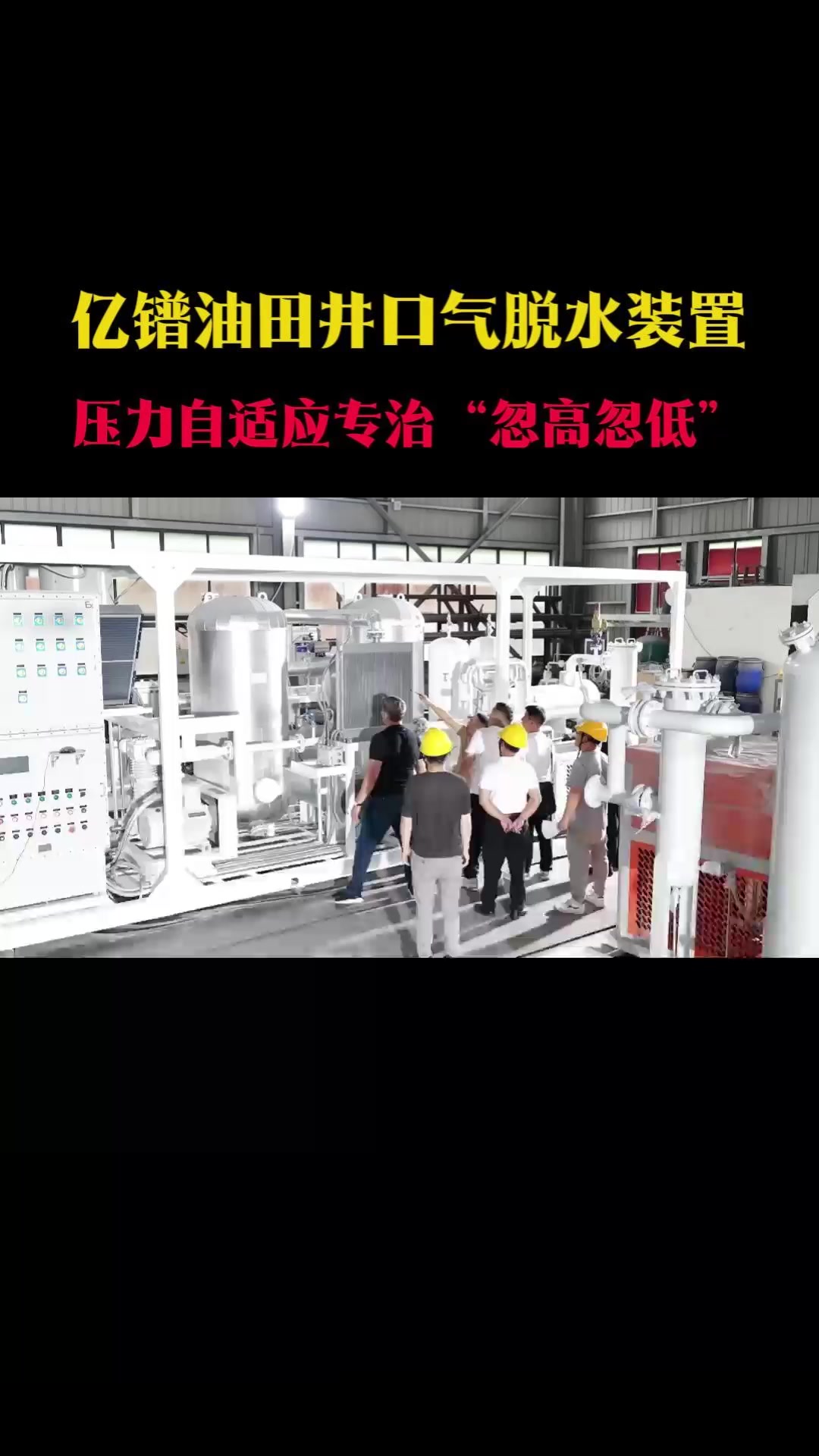
| Item | Specification |
|---|---|
| Working | medium Natural gas |
| Rated | working pressure 5.2 MPa |
| Design | pressure 5.7 MPa |
| Processing | gas capacity 6250 Nm³/h (150000 Nm³/day) |
| Inlet | gas temperature ≤40℃ |
| Inlet | gas water content 40℃ saturated water content |
| Outlet | gas temperature 45~50℃ |
| Outlet | gas atmospheric dew point ≤-76℃ |
| Maximum | outlet gas particle diameter ≤5μm |
| Inlet/outlet | pressure drop ≤0.05 MPa |
| Dehydration | method Molecular sieve adsorption dehydration |
| Regeneration | method Isobaric semi-open countercurrent heating regeneration |
| Adsorbent | 3A spherical molecular sieve (3000 kg) |
| Working | mode Dual-tower alternating, continuous operation |
| Cyclic | working period 12h (adjustable from 12-16h) |
| Regeneration | time ≤8h (adjustable) |
| Regeneration | gas volume 900 Nm³/h |
| Cooling | method Water cooling |
| Cooling | water inlet temperature 35℃ |
| Cooling | water outlet temperature 40℃ |
| Cooling | water flow rate 17.5 t/h |
| Heat | exchange area 13.5 m² |
| Electric | heater AC380V 110KW dIBT4 |
| Booster | compressor AC380V 11KW dIBT4 |
| Control | mode Explosion-proof PLC automatic control (Siemens SMART-200) |
| Explosion-proof | grade ExdⅡBT4 |
| Overall | dimensions 7000×2300×3000 mm |
| Total | equipment mass ~14000 kg |
| Total | power consumption ≤122 KW |

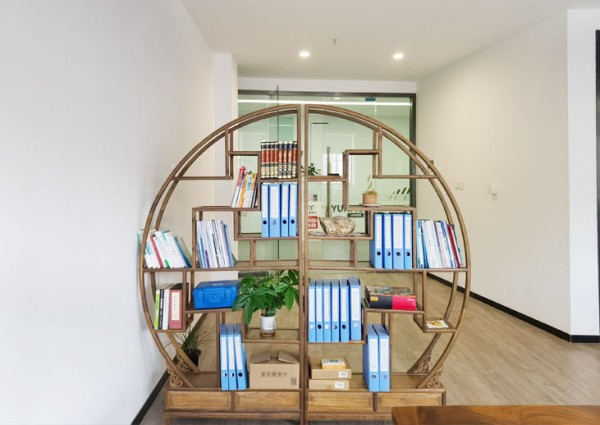
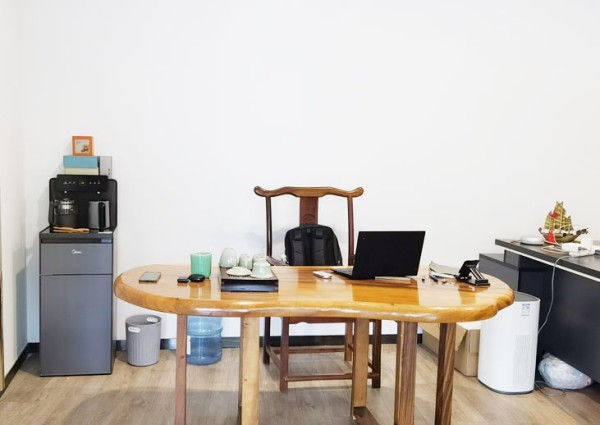

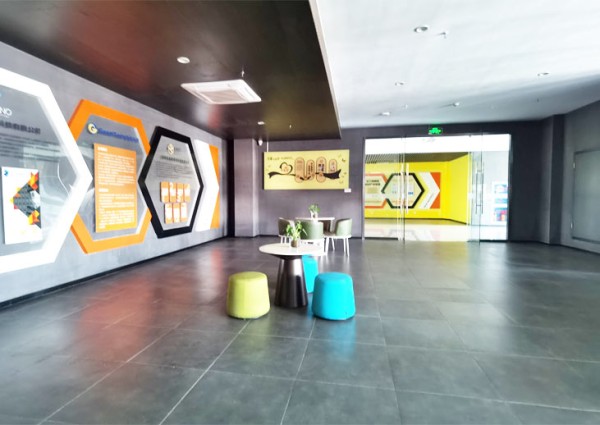
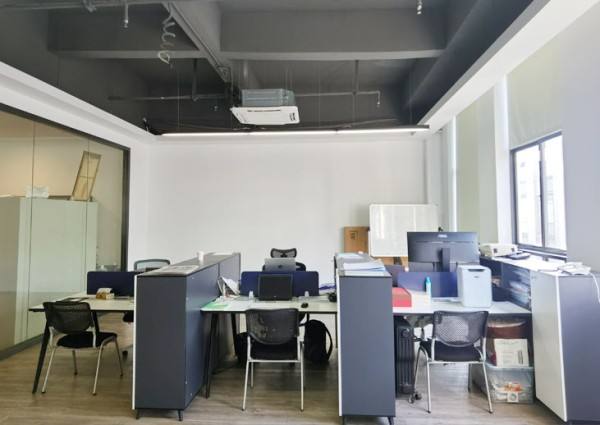

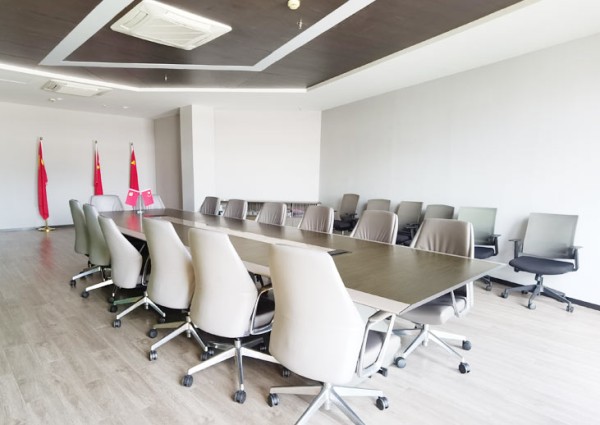
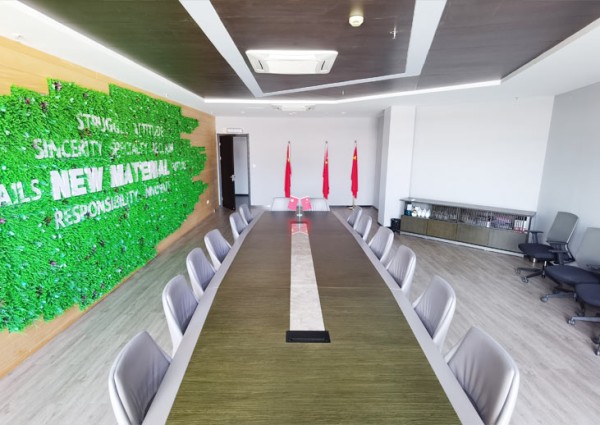
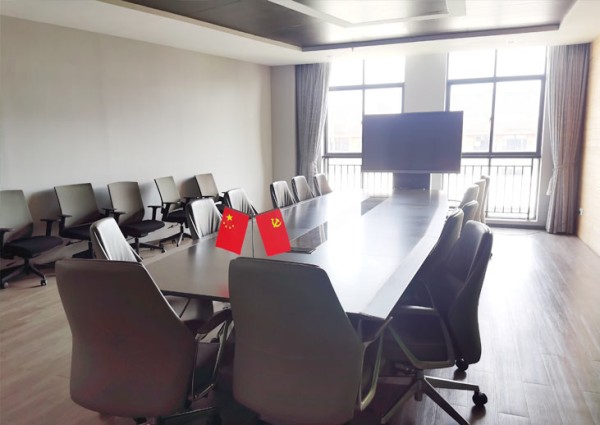

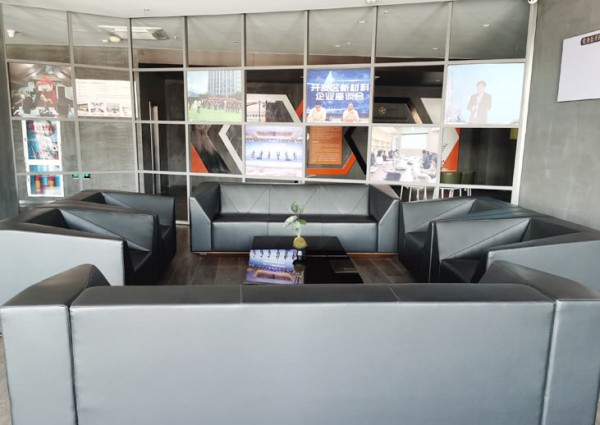


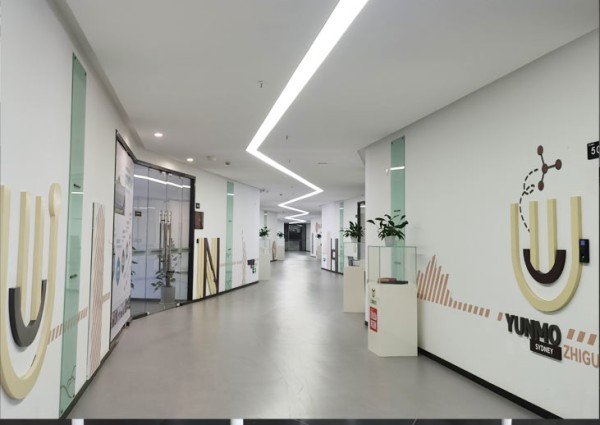

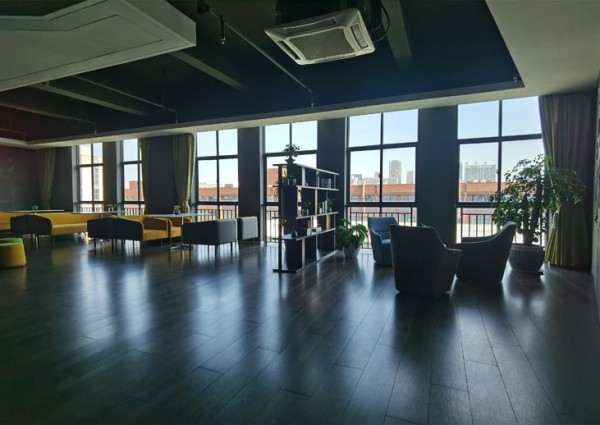

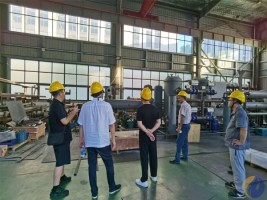
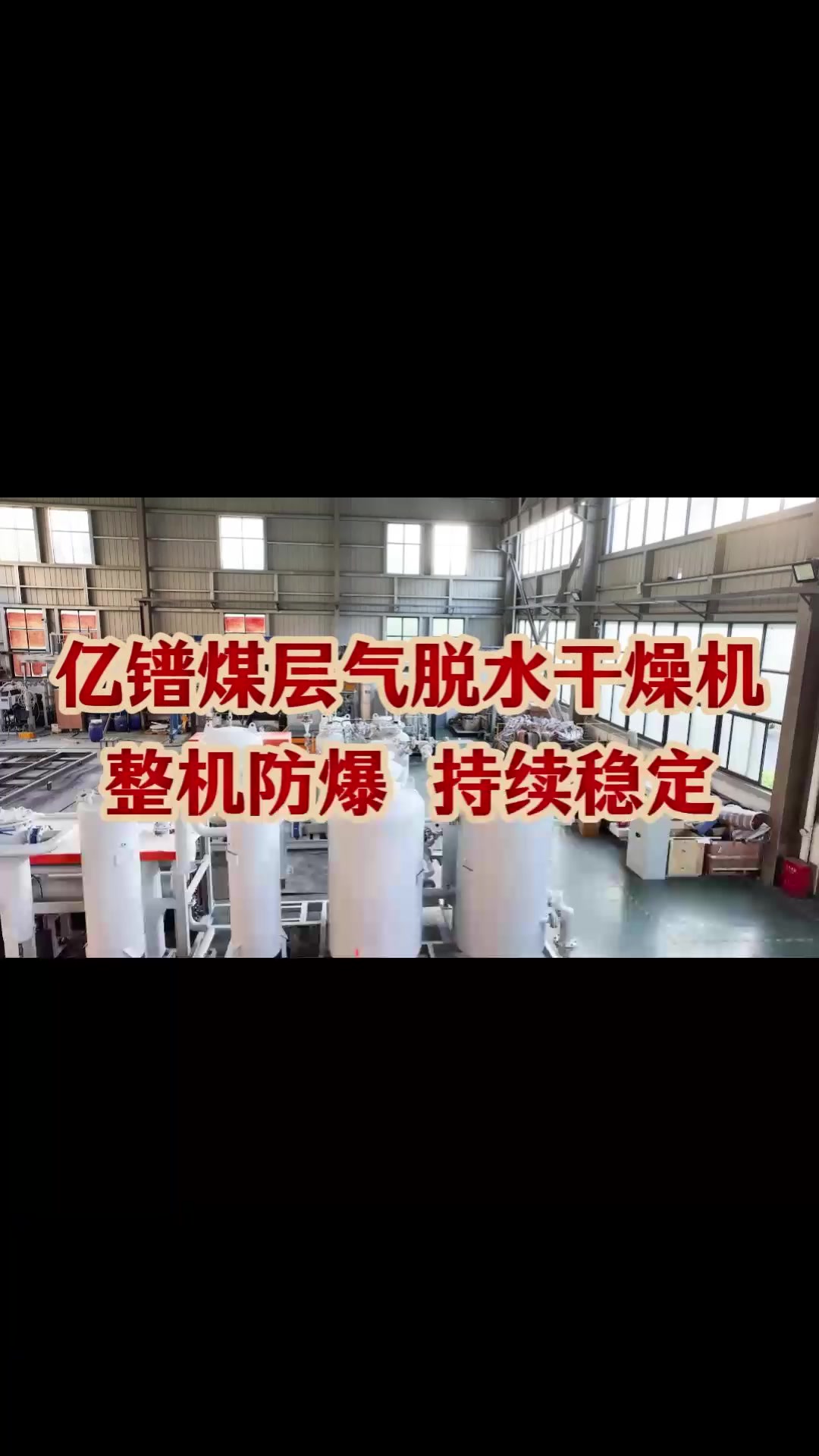
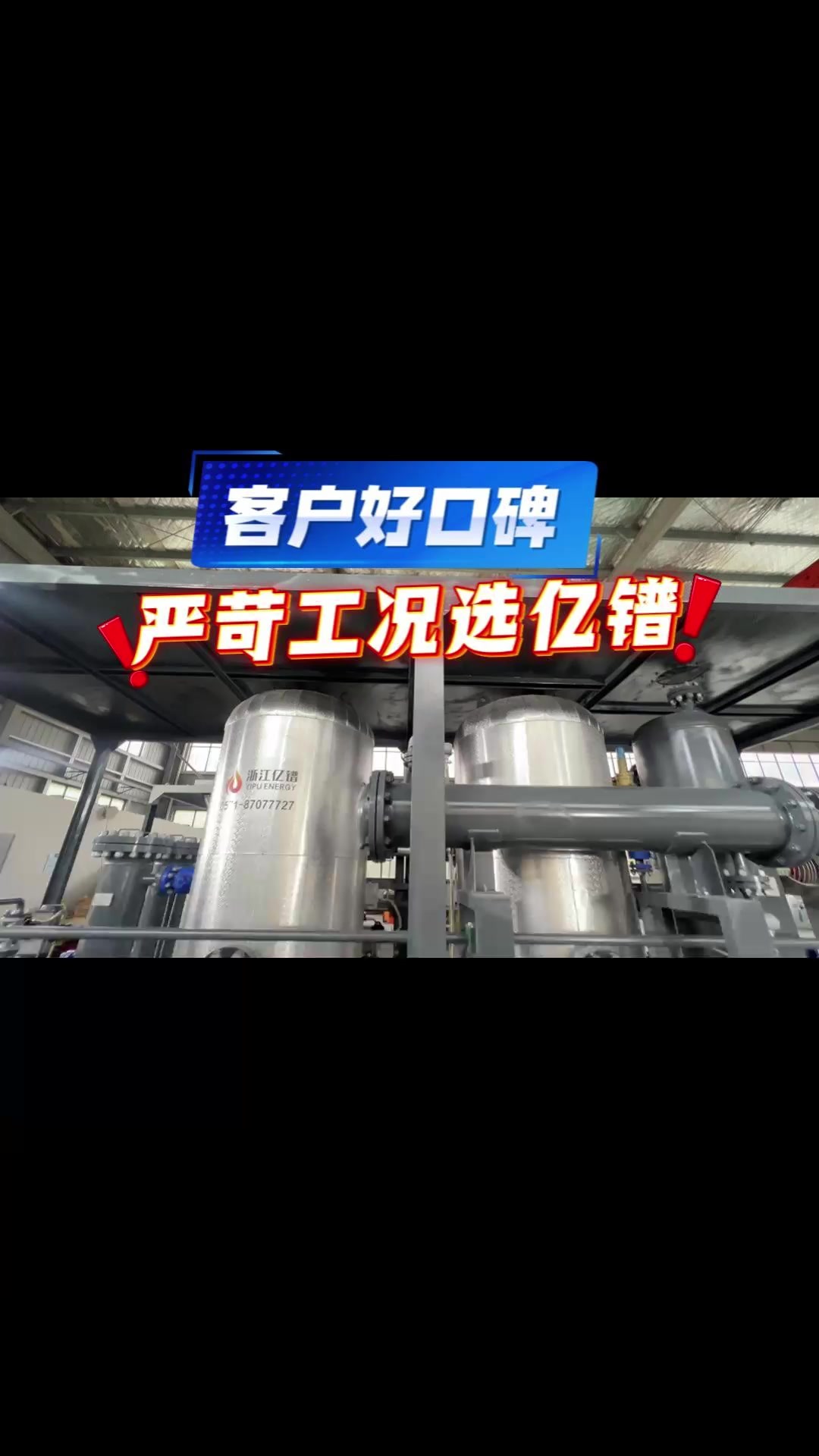
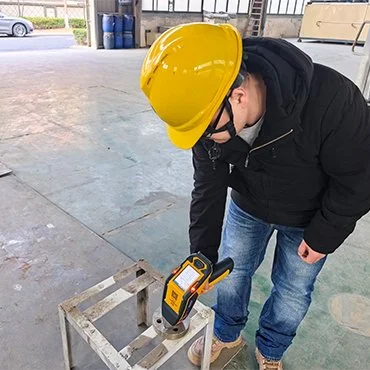
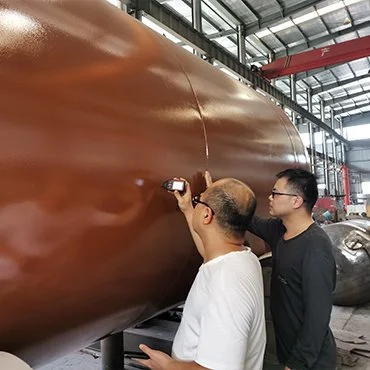
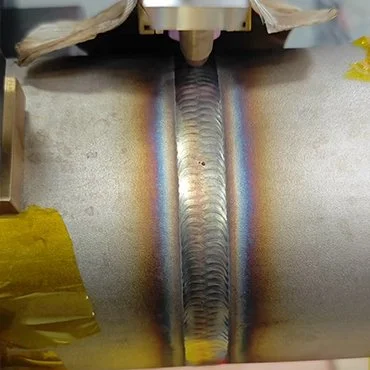
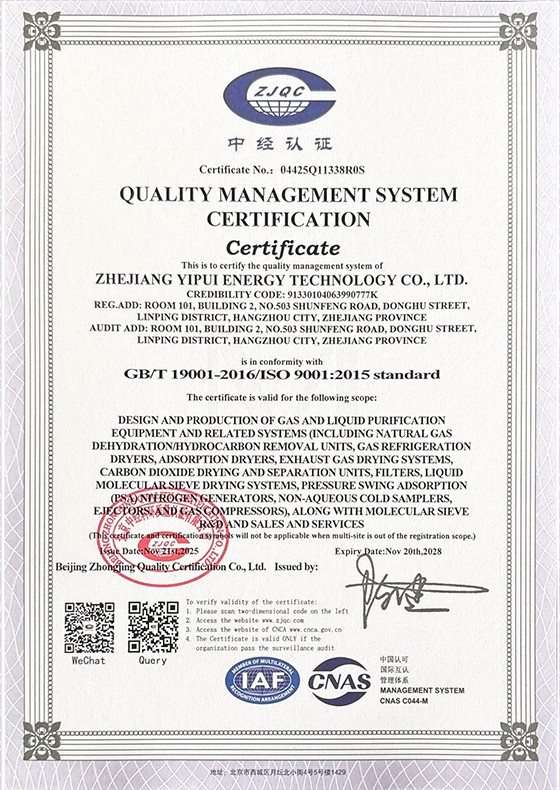
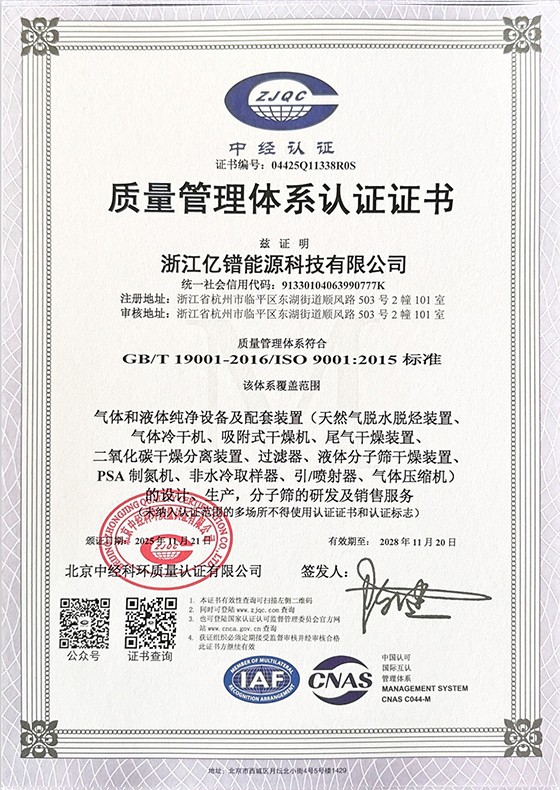
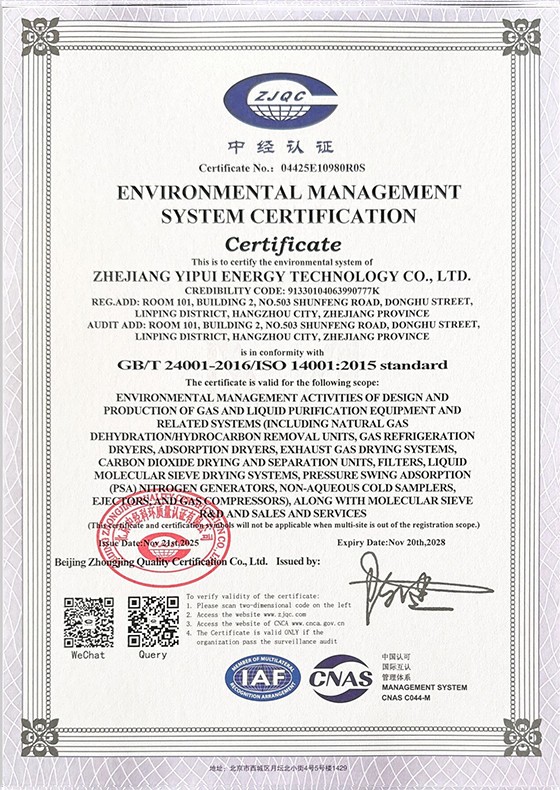
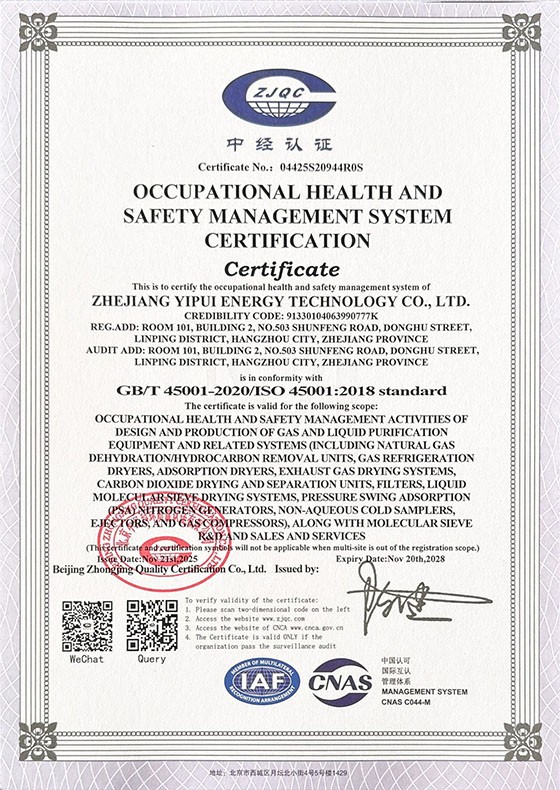
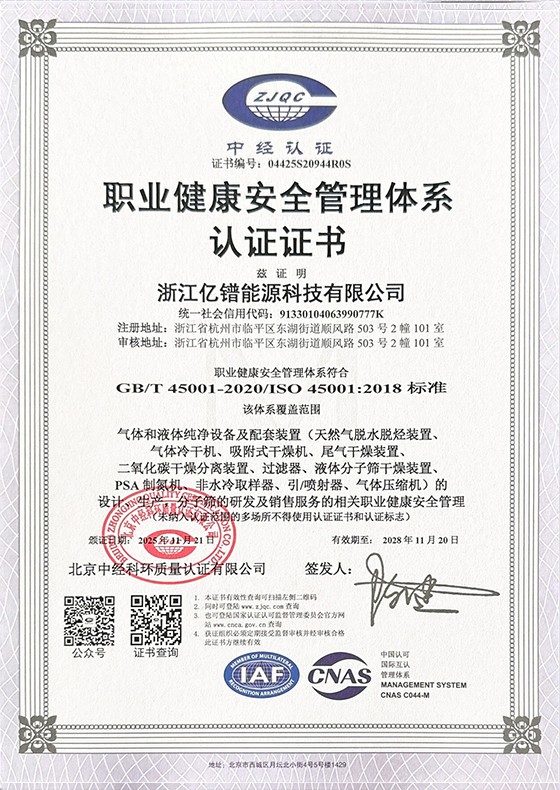
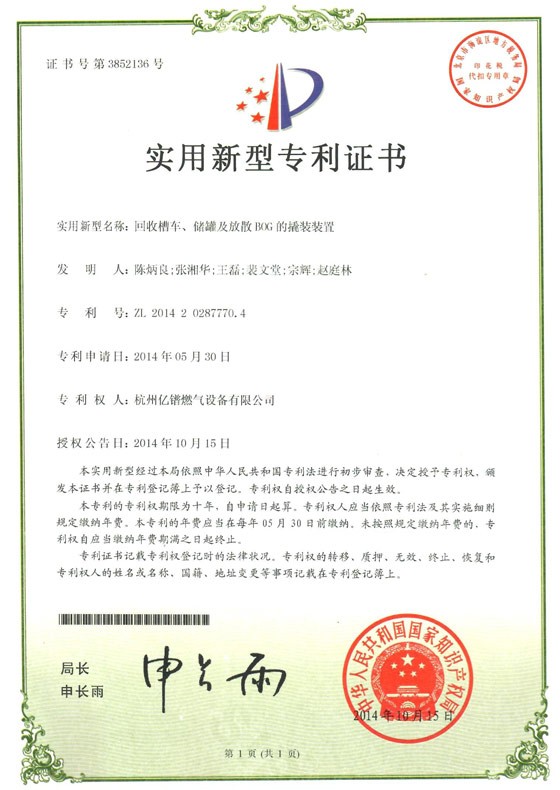
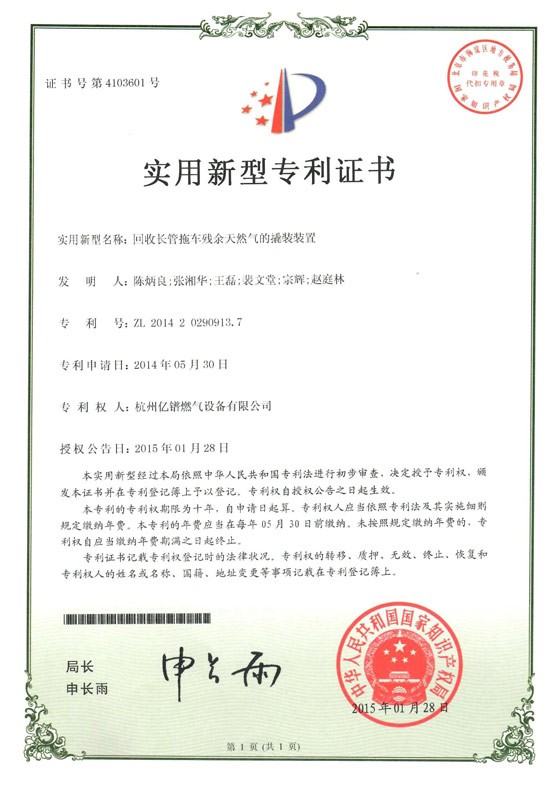
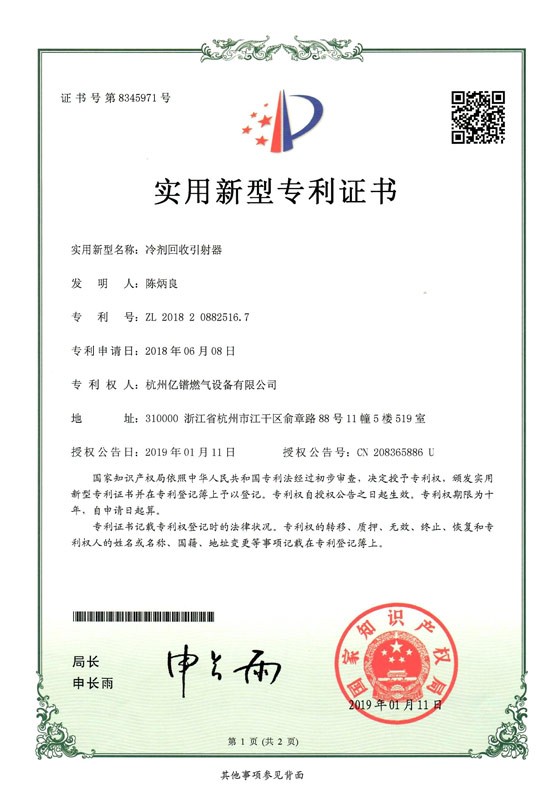
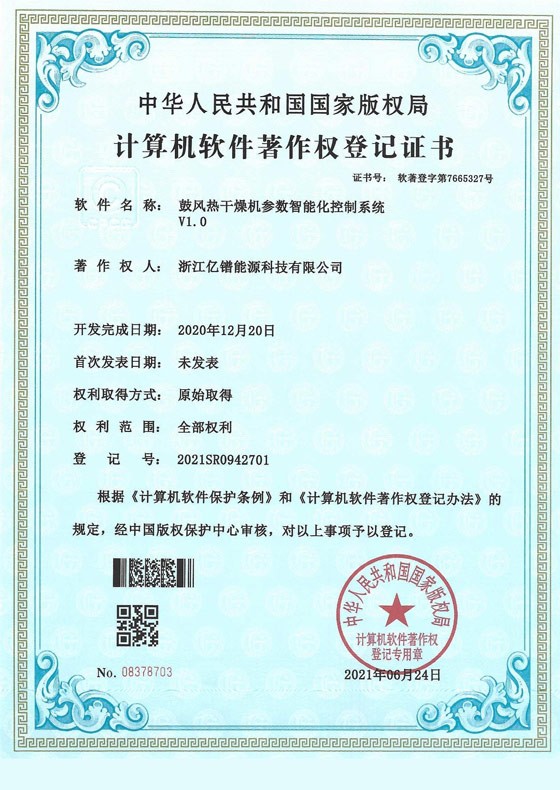
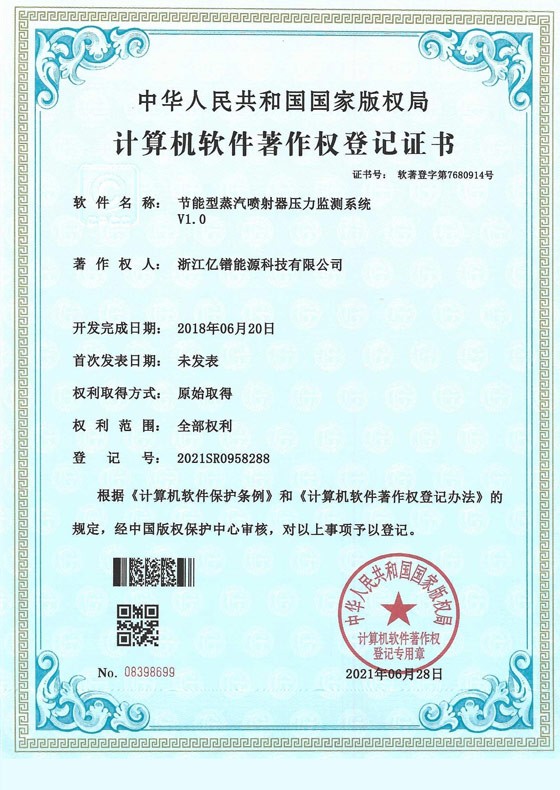
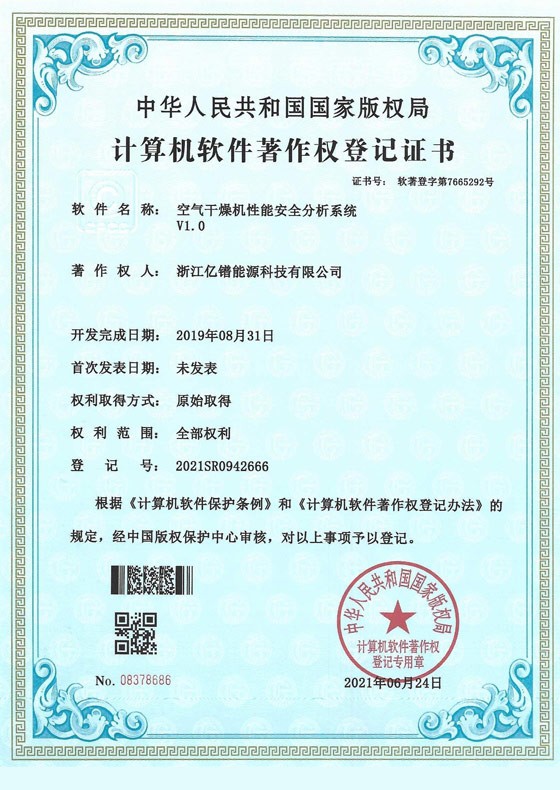
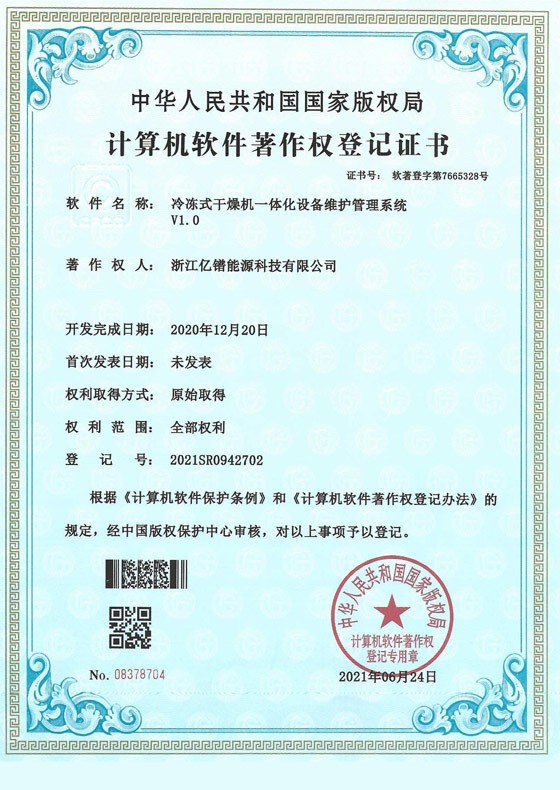
Professional production team, with strict quality control implemented in every production process
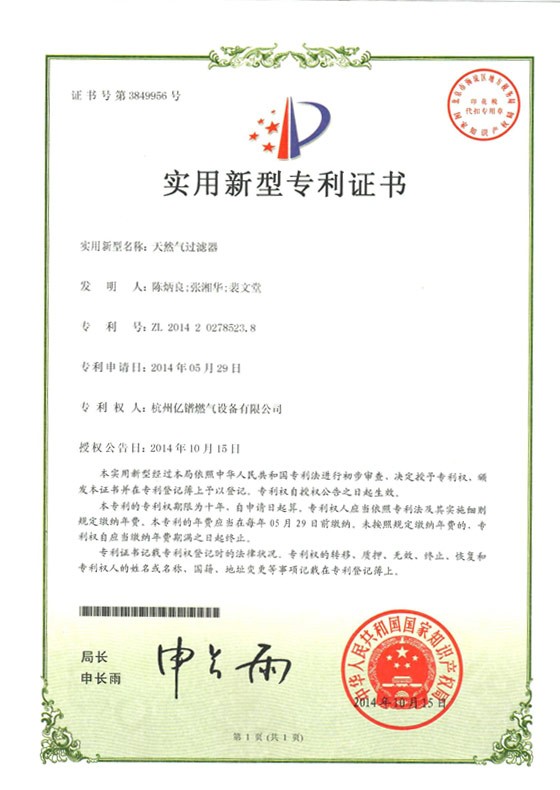
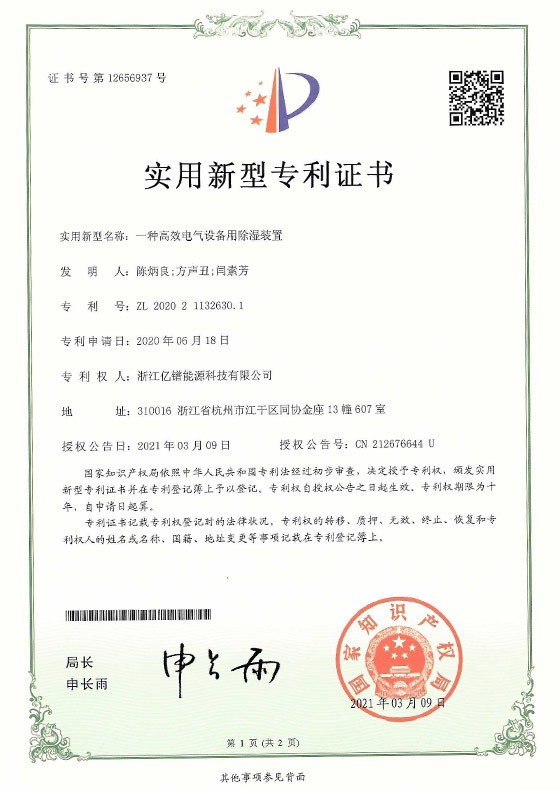
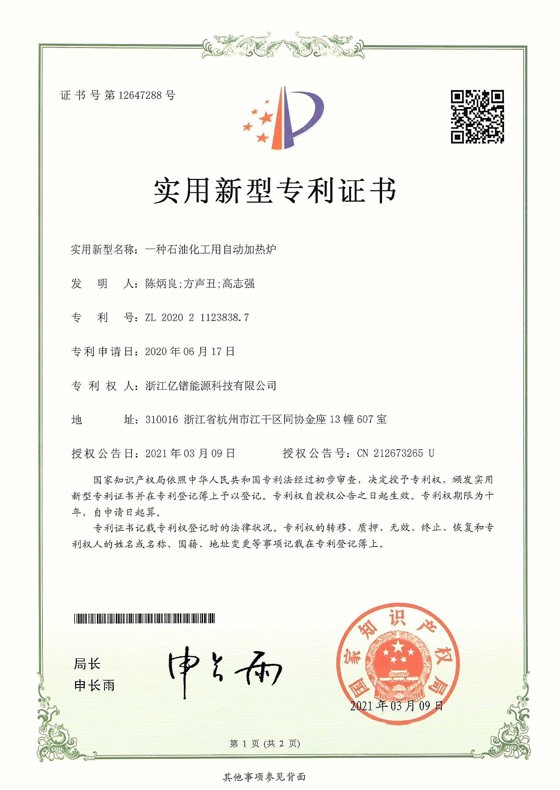
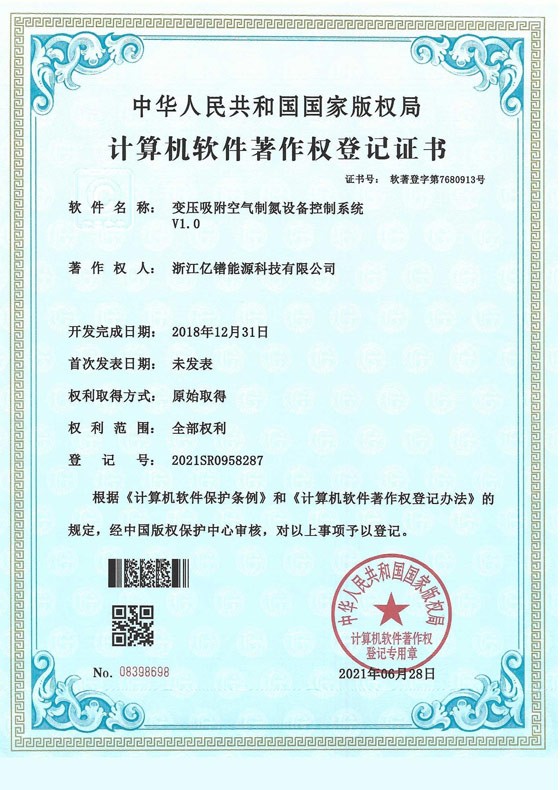
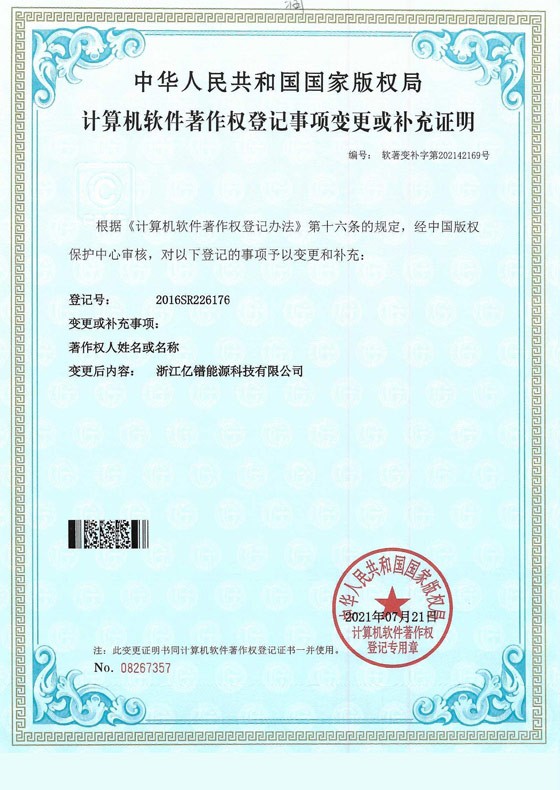
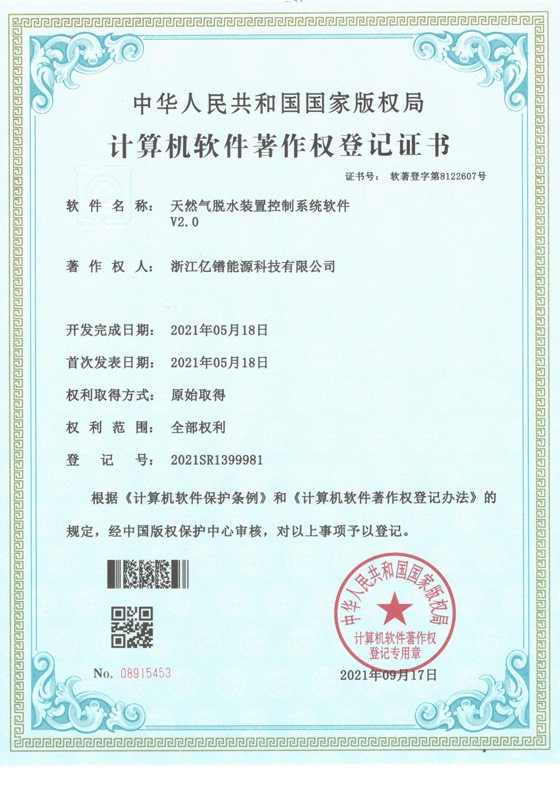
Market pain points In the process of natural gas extraction, processing, and transportation, the pre...
MORE >
I. Market Pain Points During oil and gas field development, oilfield wellhead gas often contains lar...
MORE >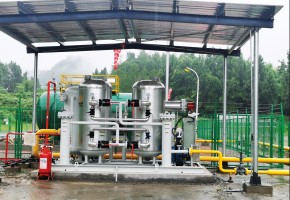
Market pain pointsAs a clean energy source, natural gas faces its greatest hidden risk during ...
MORE >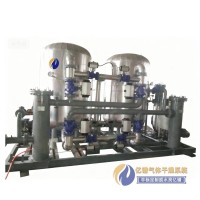
I. Market Pain Points In the process of natural gas extraction, gathering and transportation, and CN...
MORE >
Safe and Worry-Free In the process of biogas energy utilization, moisture removal is a key step to e...
MORE >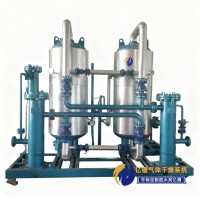
I. Market Pain Points In the extraction, gathering and transportation, and filling station applicati...
MORE >Some Customers





We are very impressed with Yipu. The company not only guarantees equipment quality, but the entire transaction process is also very worry-free and smooth.

Our previous system had serious pressure fluctuation problems. After replacing this set of equipment, it runs much more smoothly. Moreover, the team also customized and developed control logic for our on-site working conditions, saving us a lot of troubleshooting time.

At first I was worried about the installation and commissioning of the equipment, but Yipu's after-sales team provided us with step-by-step guidance. The equipment started up and was put into use smoothly, and since then our maintenance workload has been significantly reduced.
Xiaoxu Group Site Customer Acquisition focuses on network customer acquisition pipeline construction, always adhering to the values of "Do what you say, simple and trustworthy", striving to become the first brand in internet marketing execution, insisting on content as the center, through group sites + media account groups + short video groups to clearly tell enterprises: Who am I? Who really needs it? Why should they buy from you instead of from the neighbor? Always adhering to the marketing co