
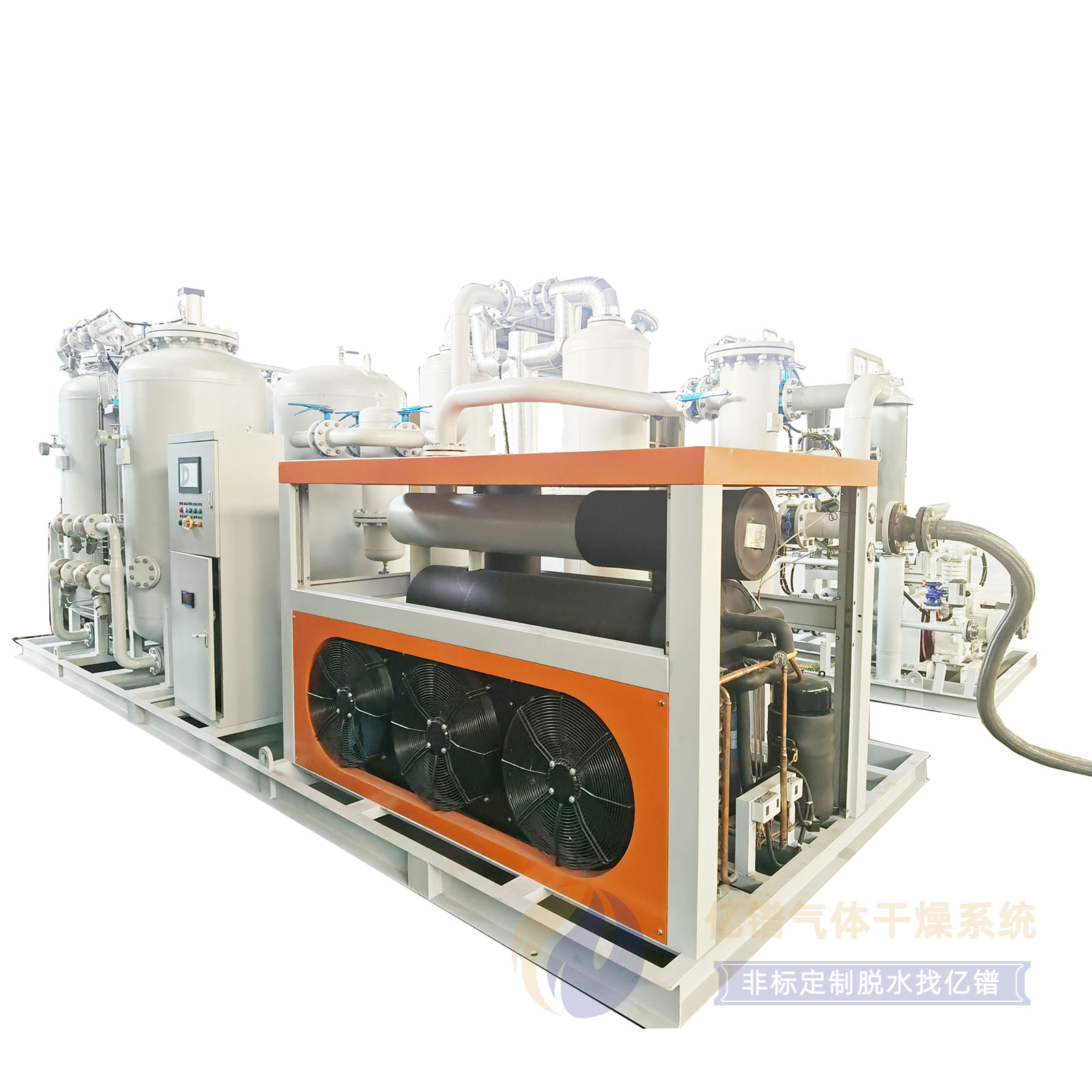
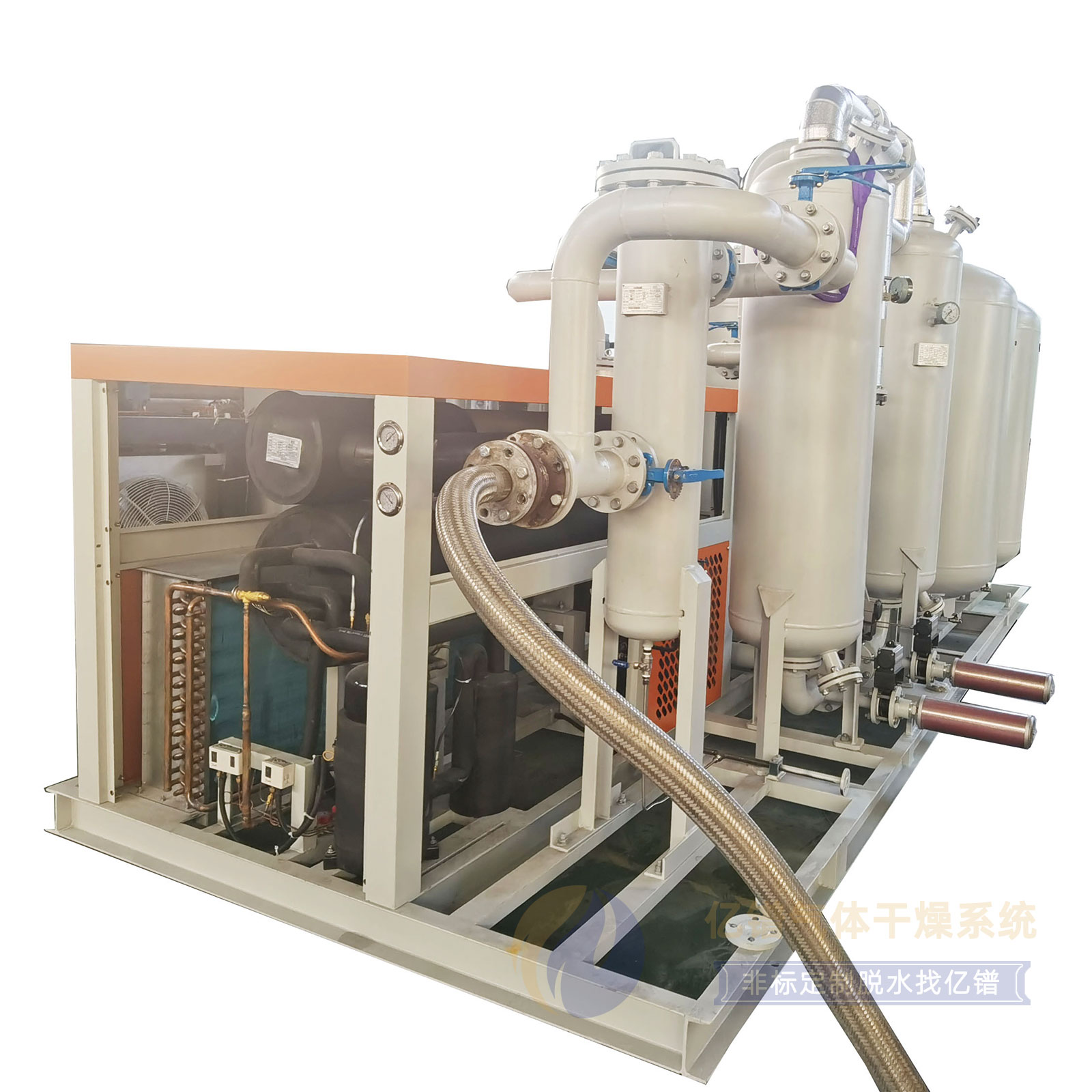
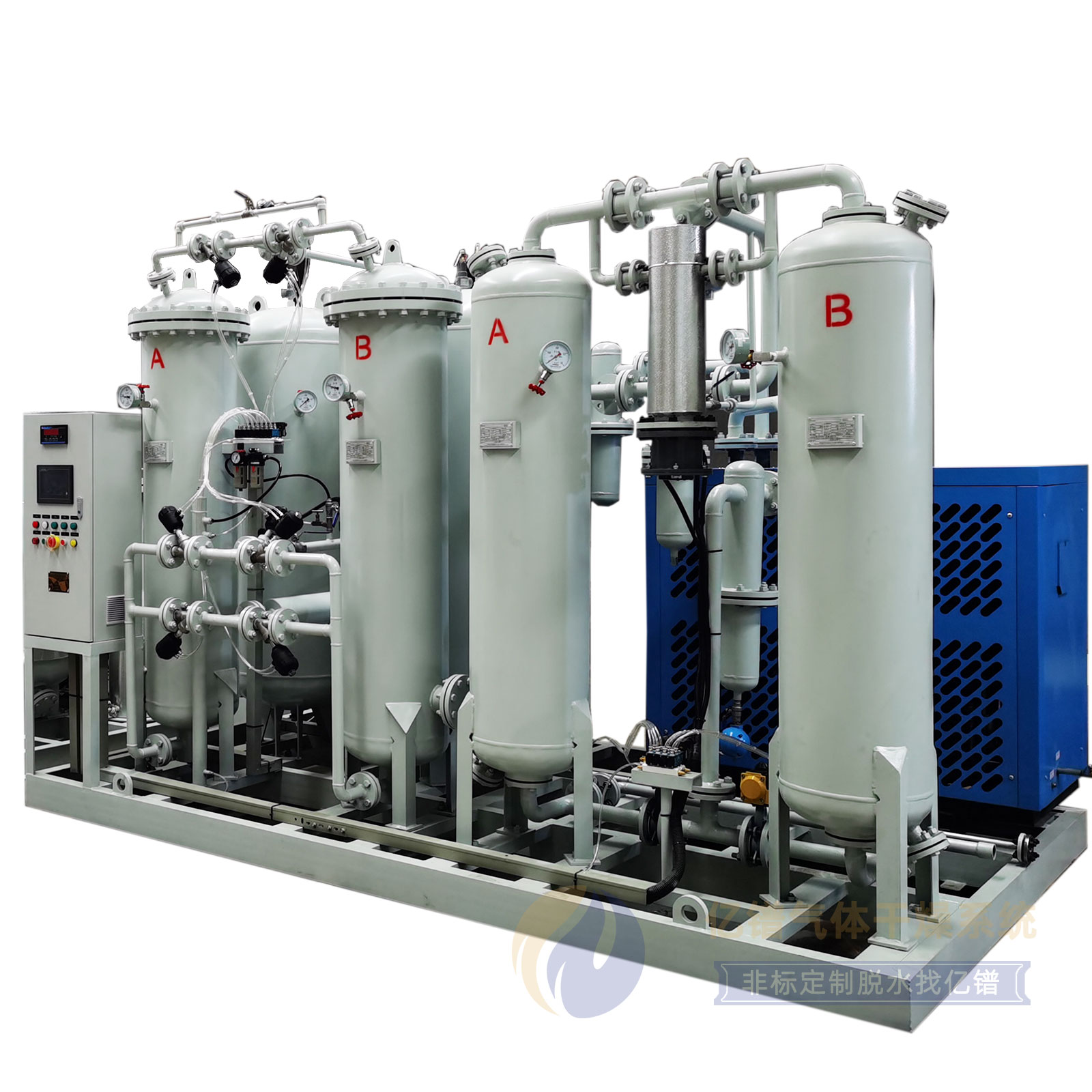
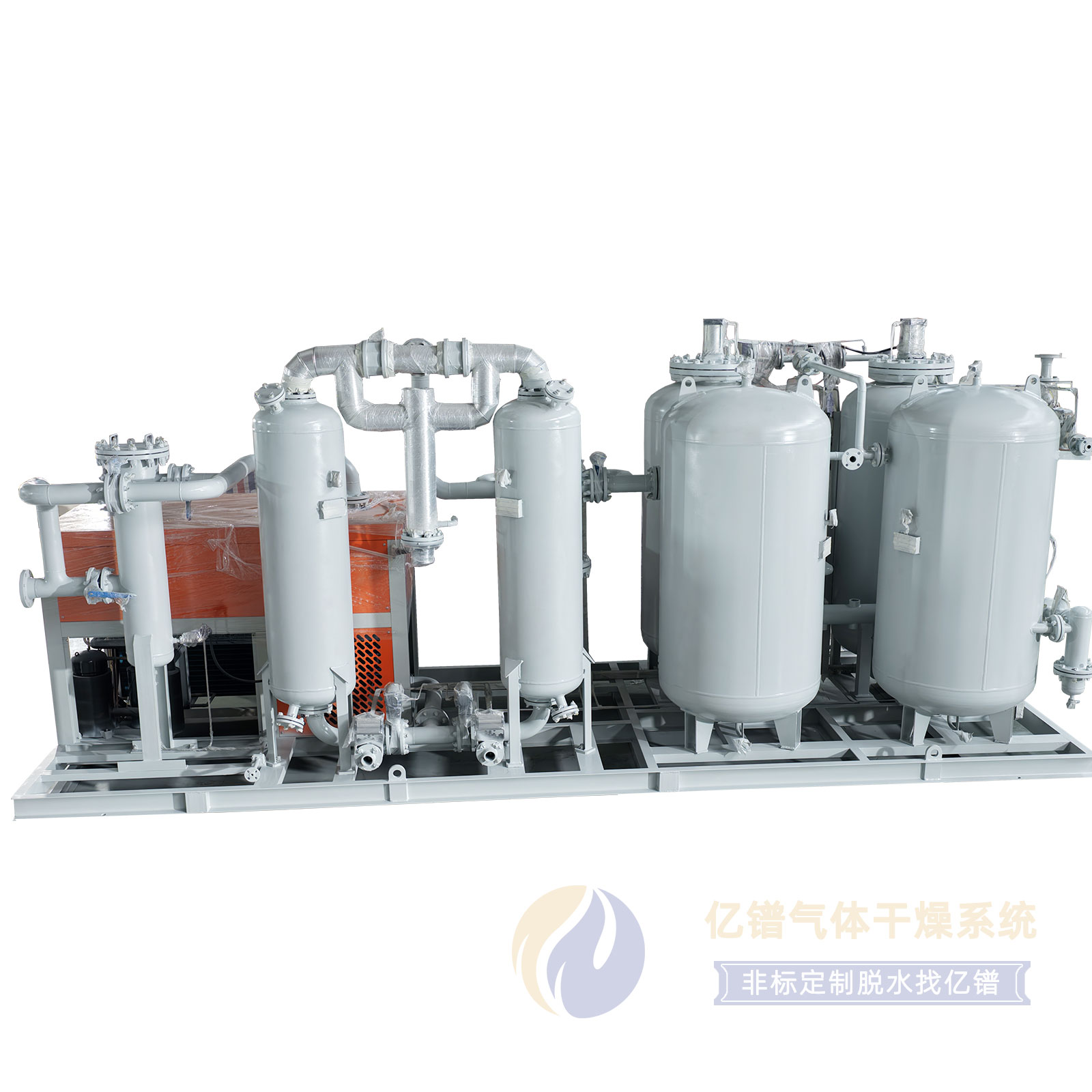
| Problem | Solutions |
|---|---|
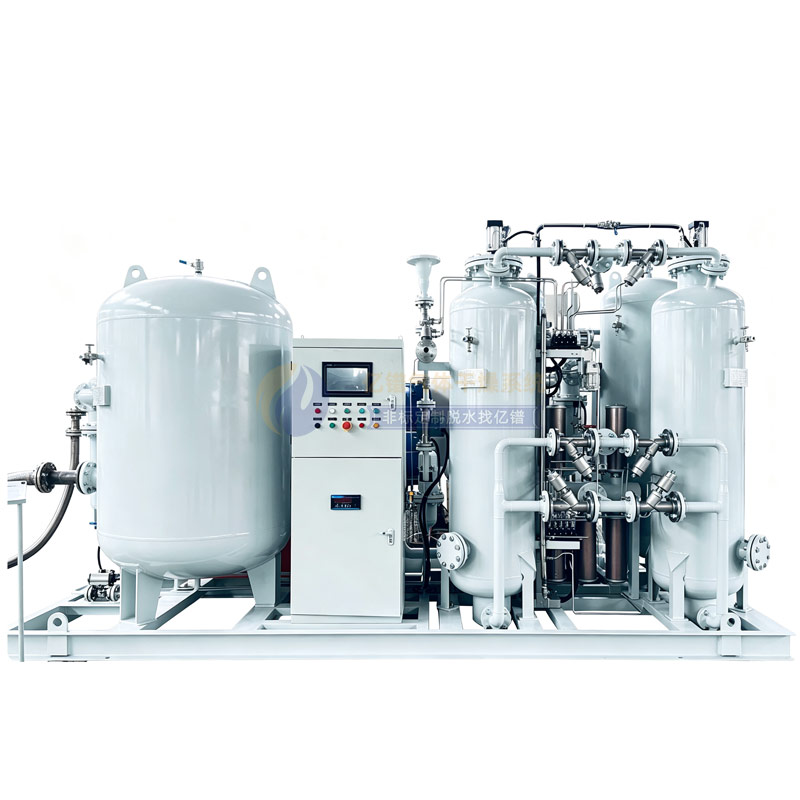
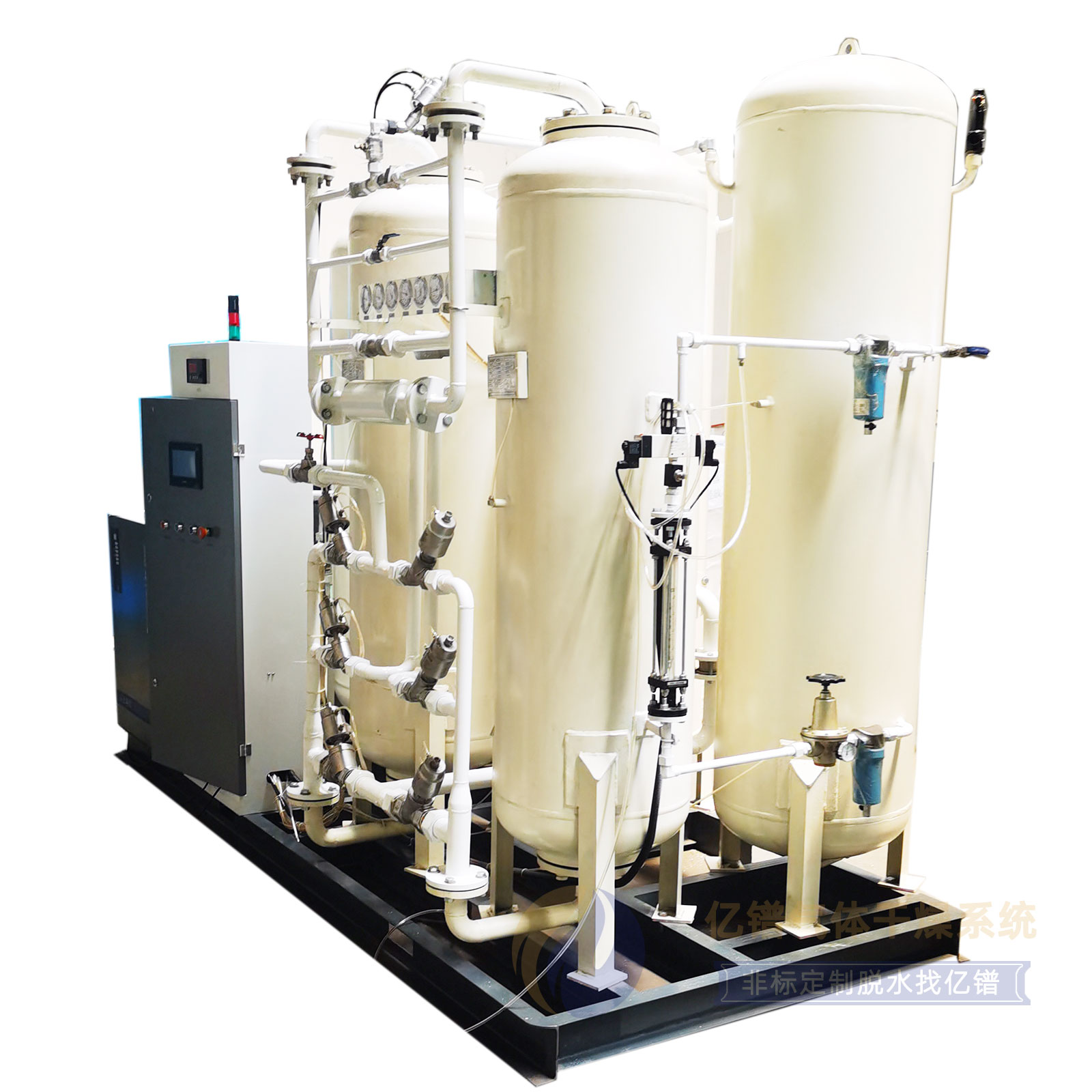
| Liquid nitrogen procurement costs are high and prices fluctuate greatly, making it difficult to lock in long-term gas costs | Adopt Yipu PSA pressure swing adsorption nitrogen generators for on-site nitrogen generation, using air as raw material; after the initial investment, operating costs remain relatively stable, reducing dependence on the liquid nitrogen market |
| Liquid nitrogen transportation, storage tank rental and evaporation losses add up, resulting in many hidden expenses | On-site nitrogen generation eliminates transportation and storage tank links; the equipment is skid-mounted and ready for placement, and nitrogen is produced and used on demand, reducing intermediate losses |
| Liquid nitrogen delivery is constrained by weather, transportation and supplier scheduling, posing a high risk of supply interruption | Configure Yipu PSA pressure swing adsorption nitrogen generator to achieve gas self-sufficiency; the equipment can run continuously with annual operating time of over 8,400 hours |
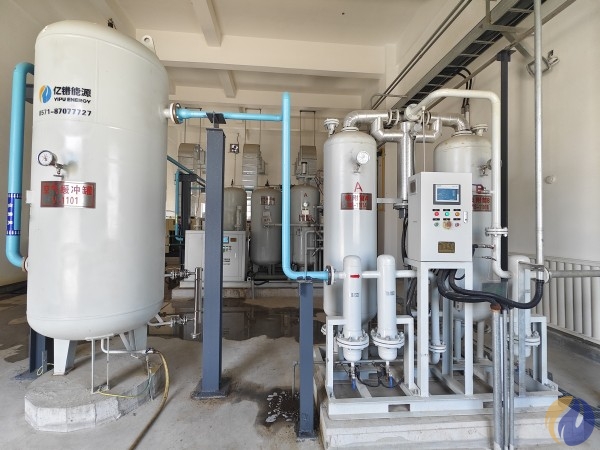
| Liquid nitrogen supply interruption causes shutdown of protective gas and purging processes, affecting continuous production | Adopts a PSA nitrogen generation system with dual-tower alternating cycles, combined with a nitrogen buffer tank, to achieve continuous and stable gas supply and reduce shutdown risks |
| Molecular sieves in on-site nitrogen generation equipment are prone to poisoning, leading to decreased adsorption efficiency | Yipu PSA pressure swing adsorption nitrogen generator adopts a composite purification structure to control inlet gas moisture and oil content, delaying molecular sieve performance degradation |
| Uneven carbon molecular sieve loading easily causes tunneling effect, affecting nitrogen production rate | Adopts vibration loading process combined with pure nitrogen purging to ensure uniform and tight molecular sieve loading, reducing airflow maldistribution and localized premature saturation |
| Frequent pneumatic valve switching causes purity fluctuations after failures, resulting in passive maintenance | Selects pneumatic valves with switching life of over 3 million cycles, with PLC automatic control of switching timing, reducing purity anomalies caused by valve failures |
| Unstable nitrogen purity may allow non-compliant gas to enter the gas usage end | Yipu PSA pressure swing adsorption nitrogen generator is equipped with online purity monitoring and automatic venting devices; when purity does not meet standards, it automatically vents, and resumes gas supply after reaching standards |
| Gas consumption fluctuates with shifts or processes; traditional nitrogen generators running at full speed consume high energy | Monitors nitrogen flow and purity through PLC, automatically adjusts adsorption tower switching cycles, matches gas production to actual gas consumption, and reduces no-load energy consumption |
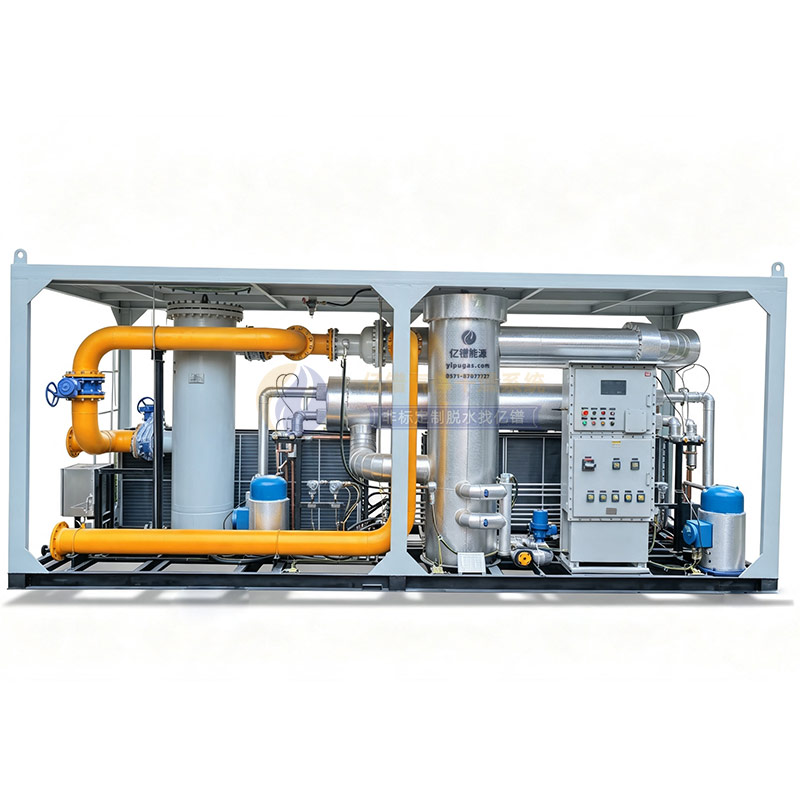
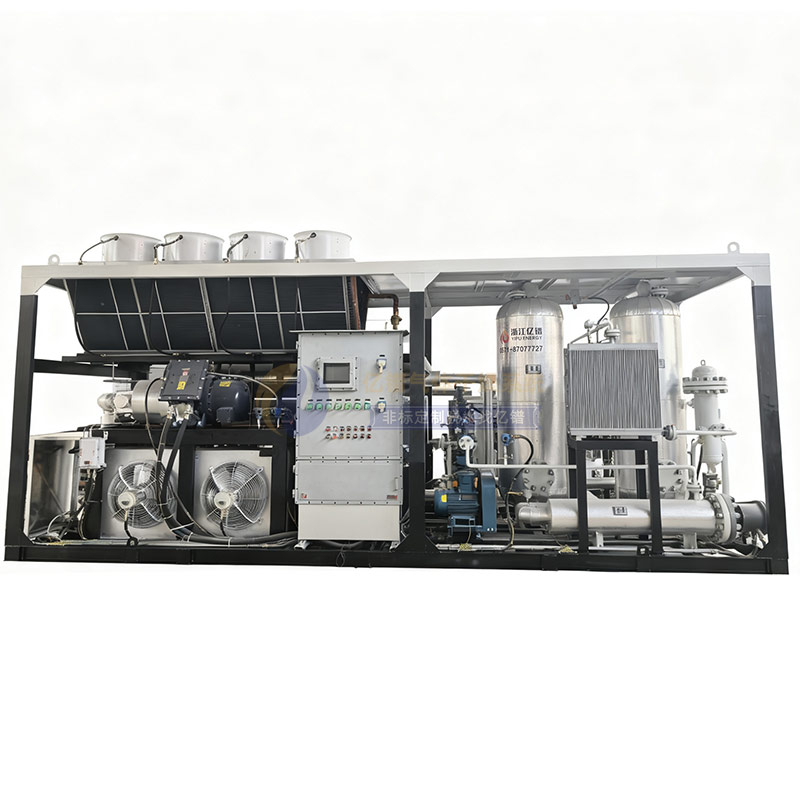
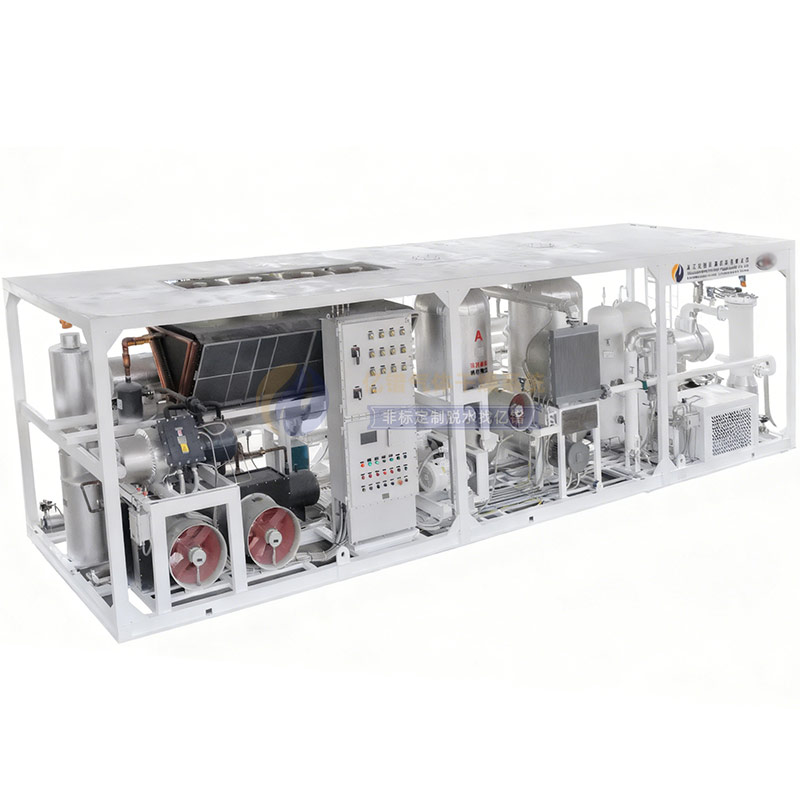
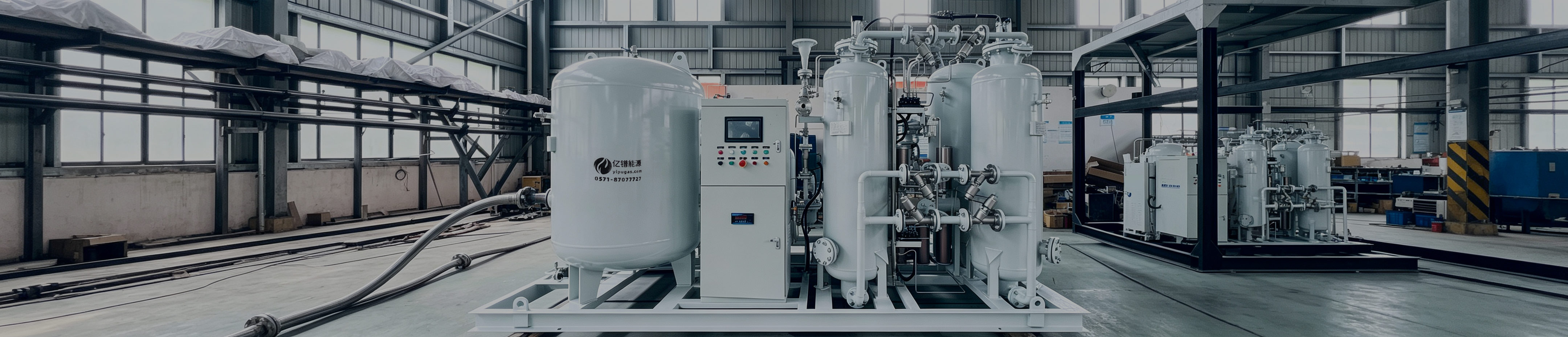
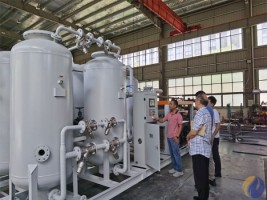
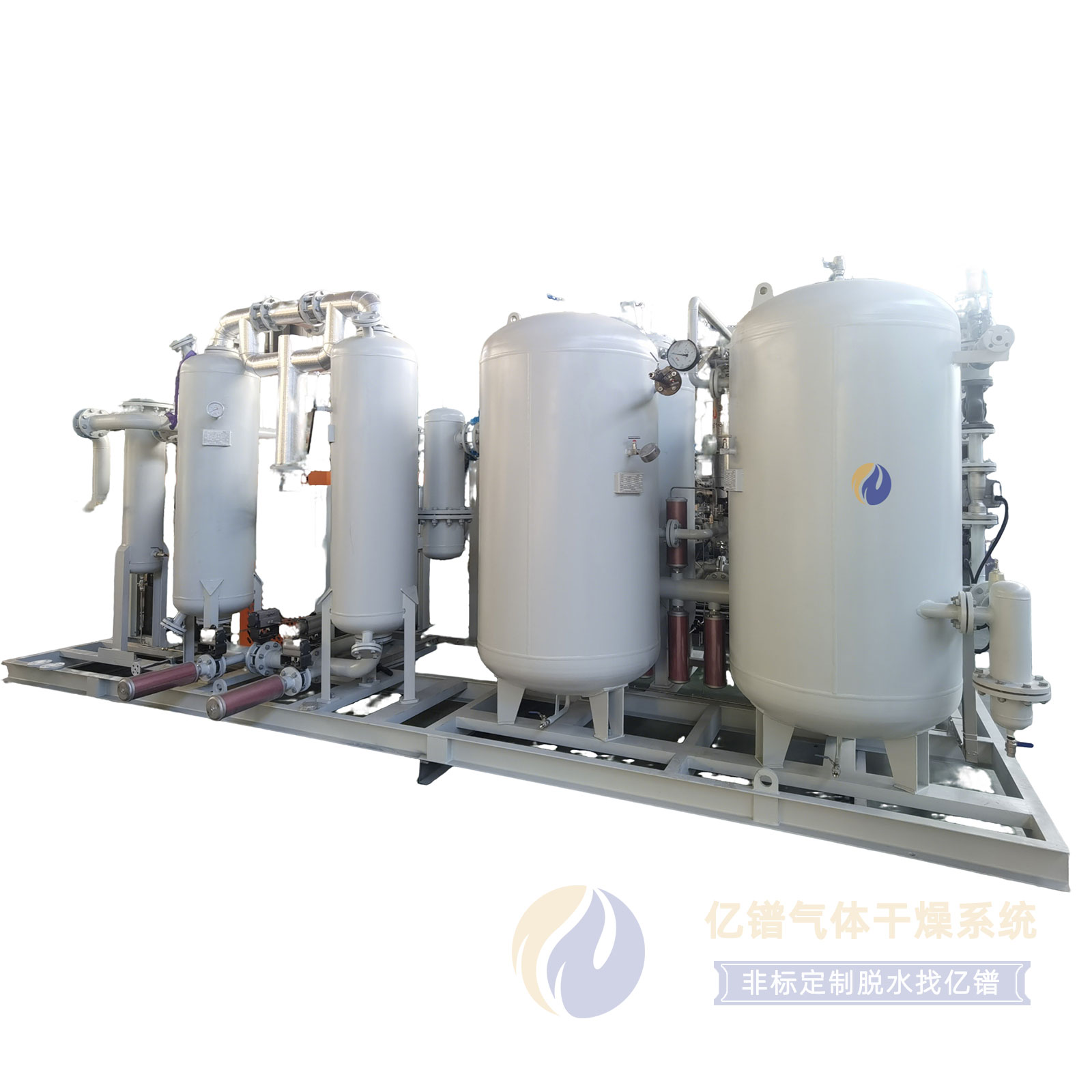
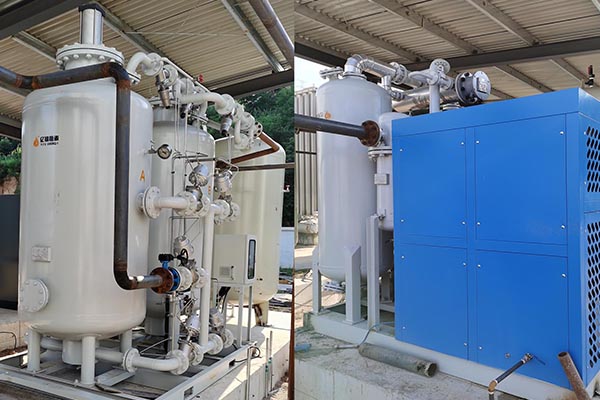
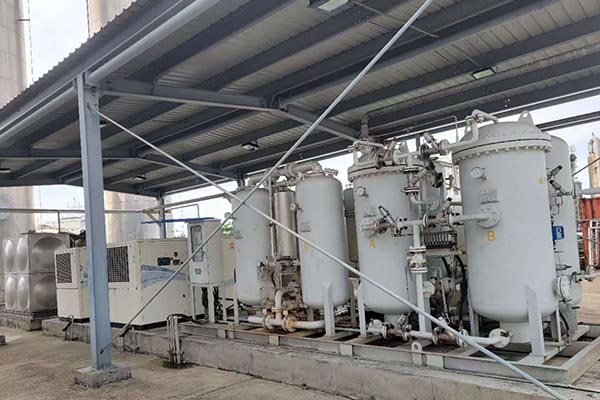
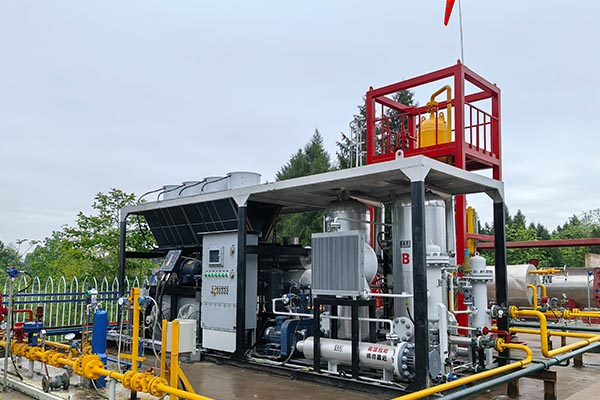
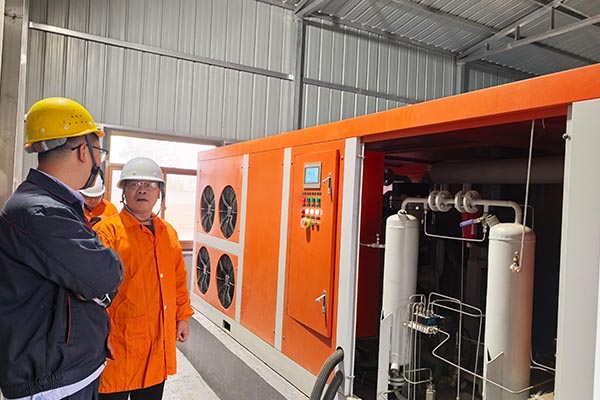
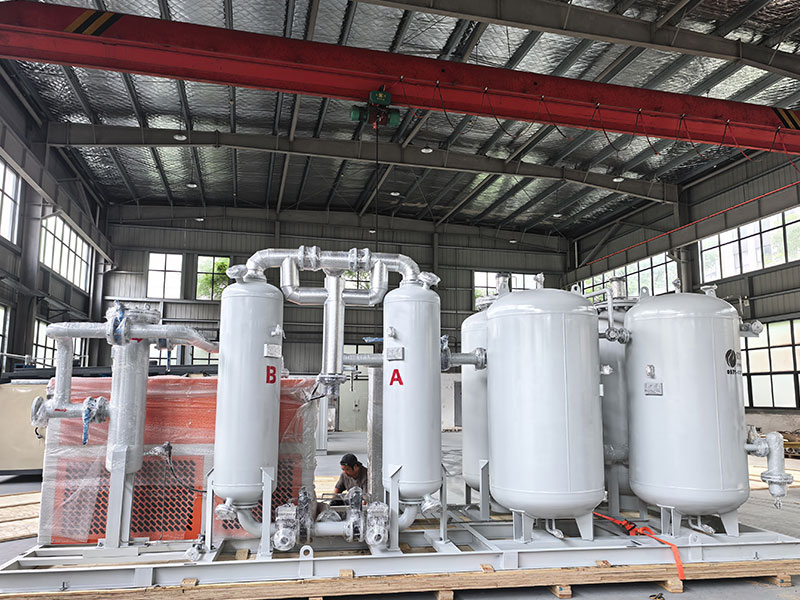
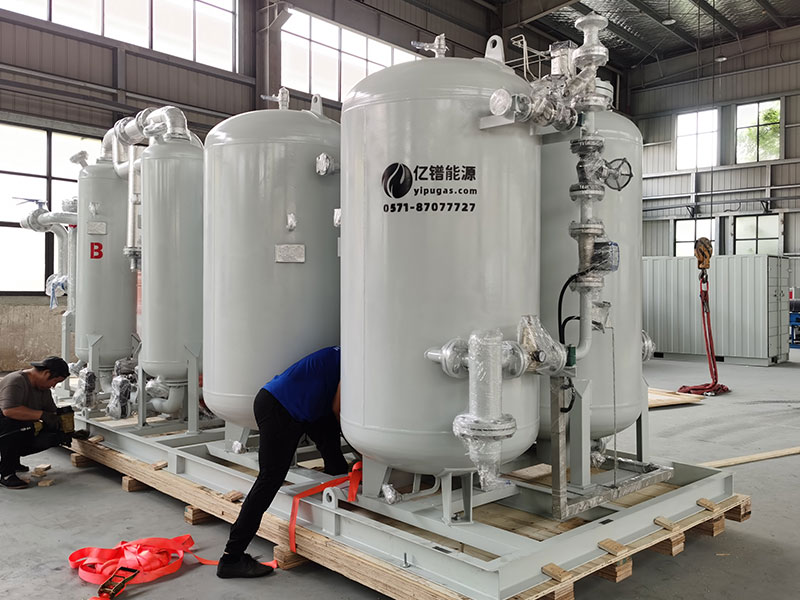
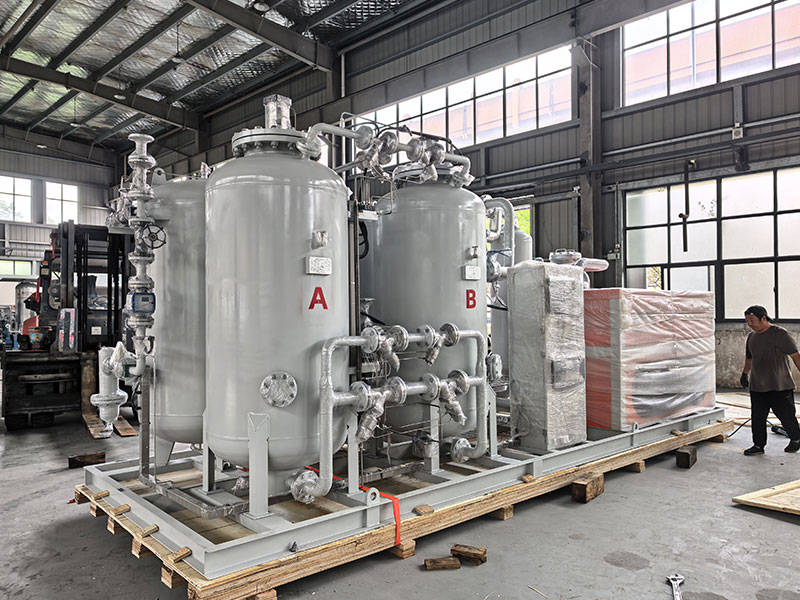
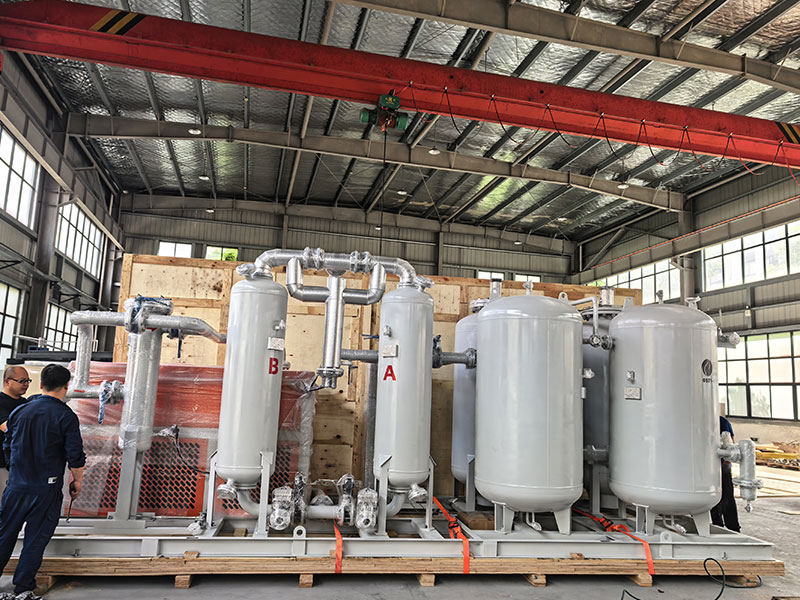
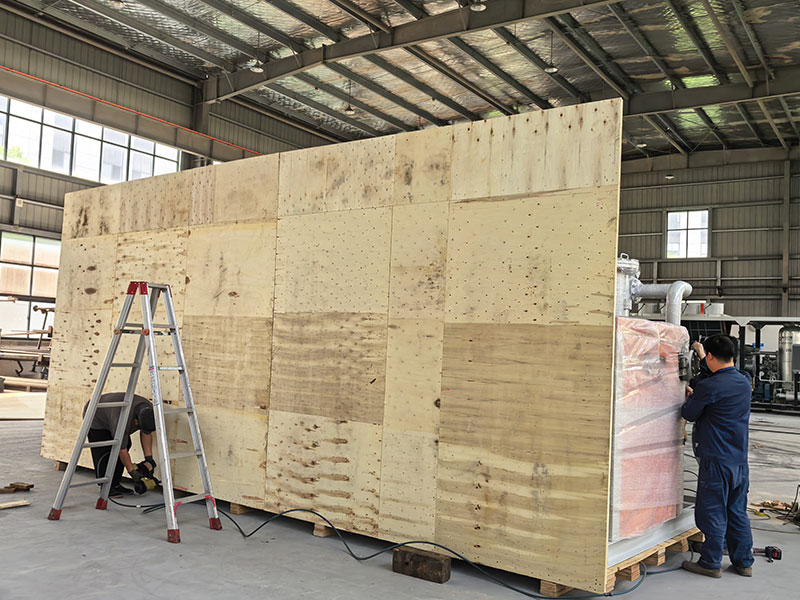
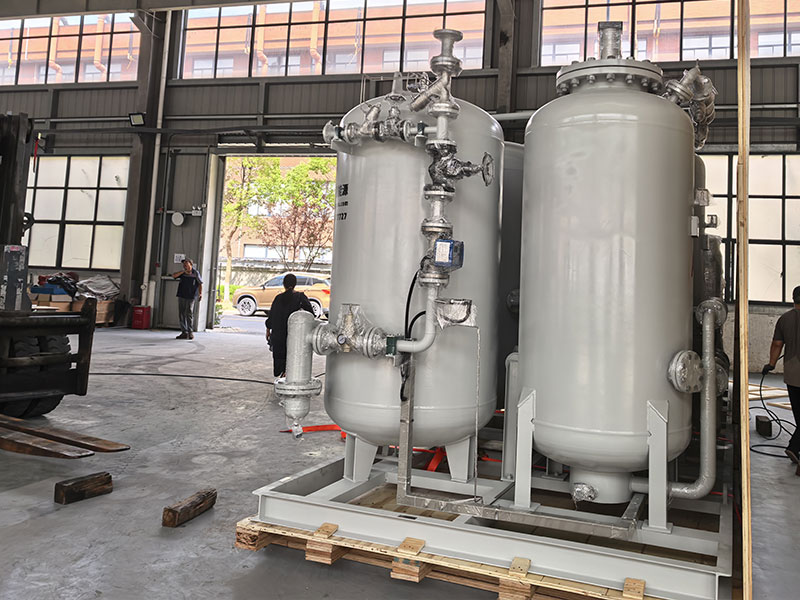
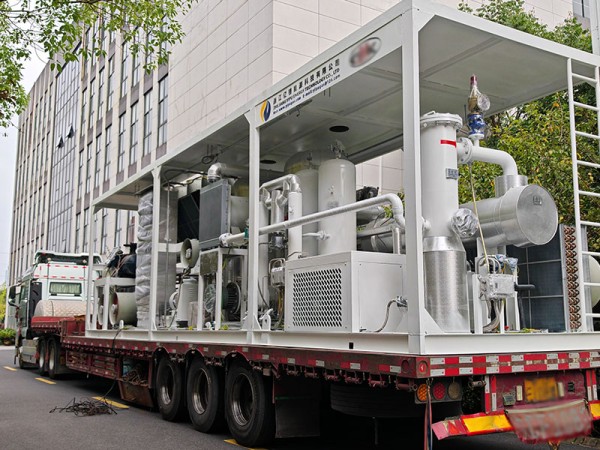
| Long equipment installation cycle and complex on-site piping connections affect project progress | Yipu PSA pressure swing adsorption nitrogen generator adopts skid-mounted design with internal piping and valves prefabricated at the factory; on-site only external piping and power connections are required |
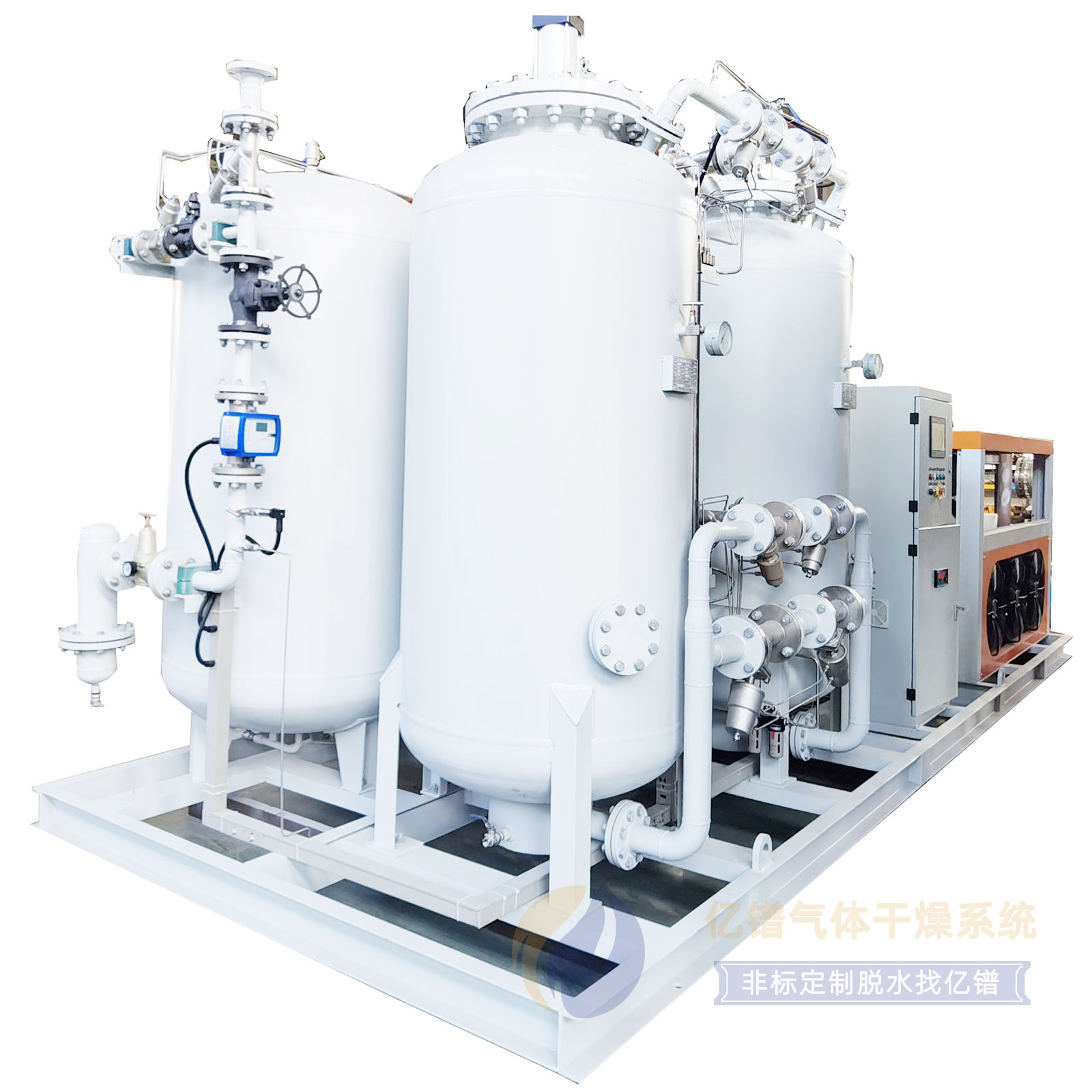
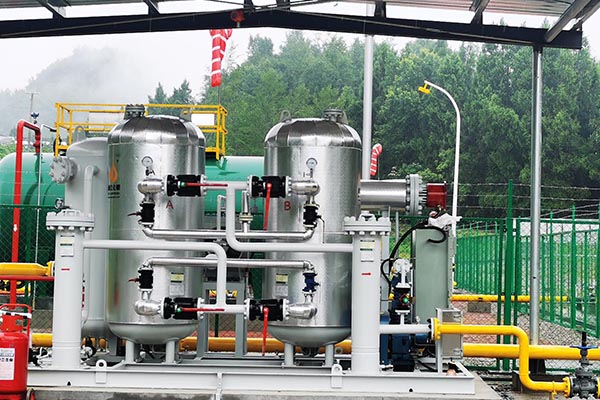
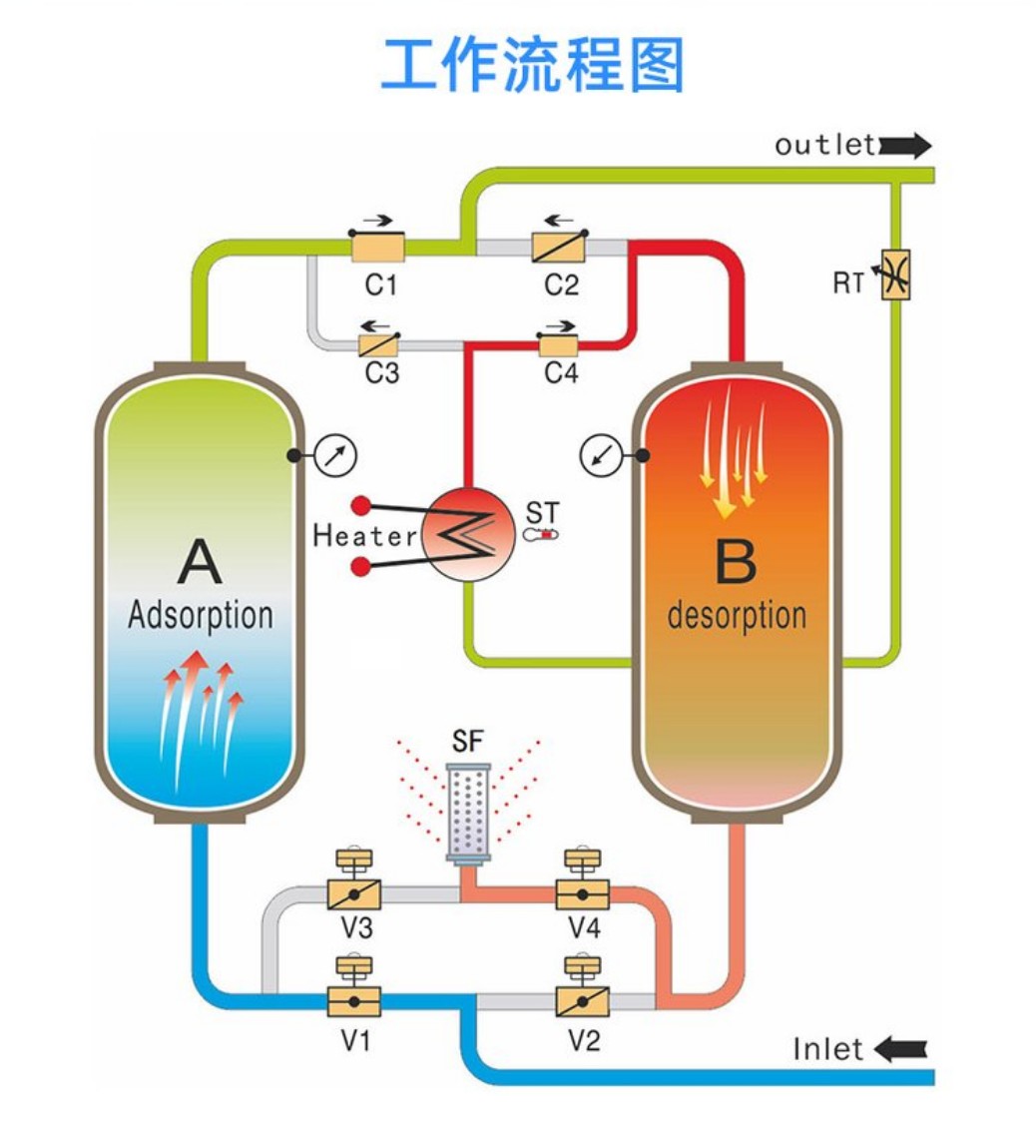
Two towers alternate adsorption and regeneration
Nitrogen output is continuous and stable

Purity flexibly set as needed
Automatic venting ensures quality

Factory-prefabricated internal piping
Connect and use once positioned on site

Adjust cycle according to gas consumption
Reduce no-load operation energy consumption

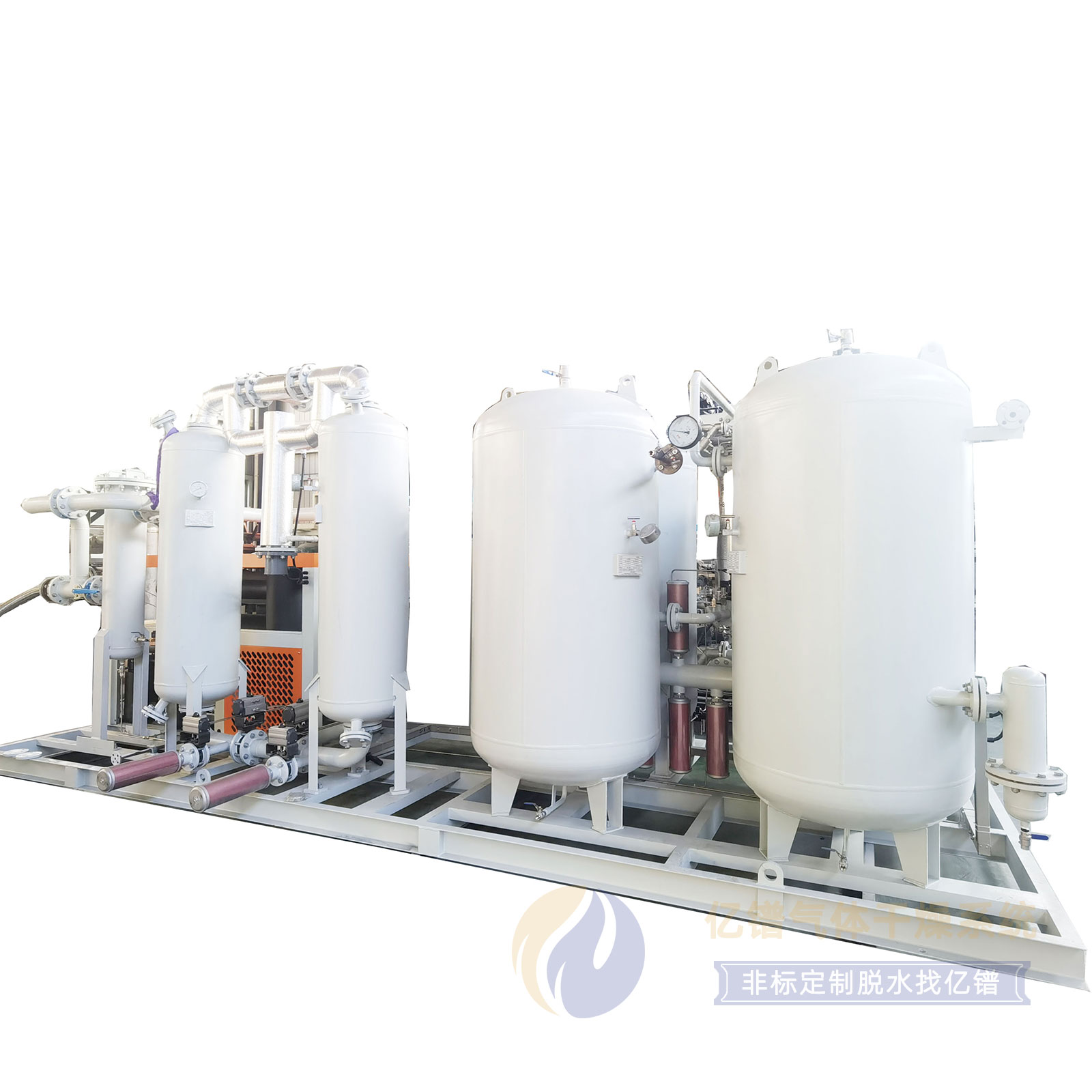
The micropores of carbon molecular sieve diffuse oxygen faster than nitrogen
During pressurization, oxygen is preferentially adsorbed, nitrogen is enriched in the gas phase

One tower adsorbs under pressure to produce nitrogen, the other tower desorbs and regenerates under reduced pressure
Two-tower program switching, Achieve continuous nitrogen output
When adsorption approaches saturation, reduce tower pressure
The adsorbed oxygen is desorbed and discharged from the surface of the molecular sieve, Restoring adsorption capacity
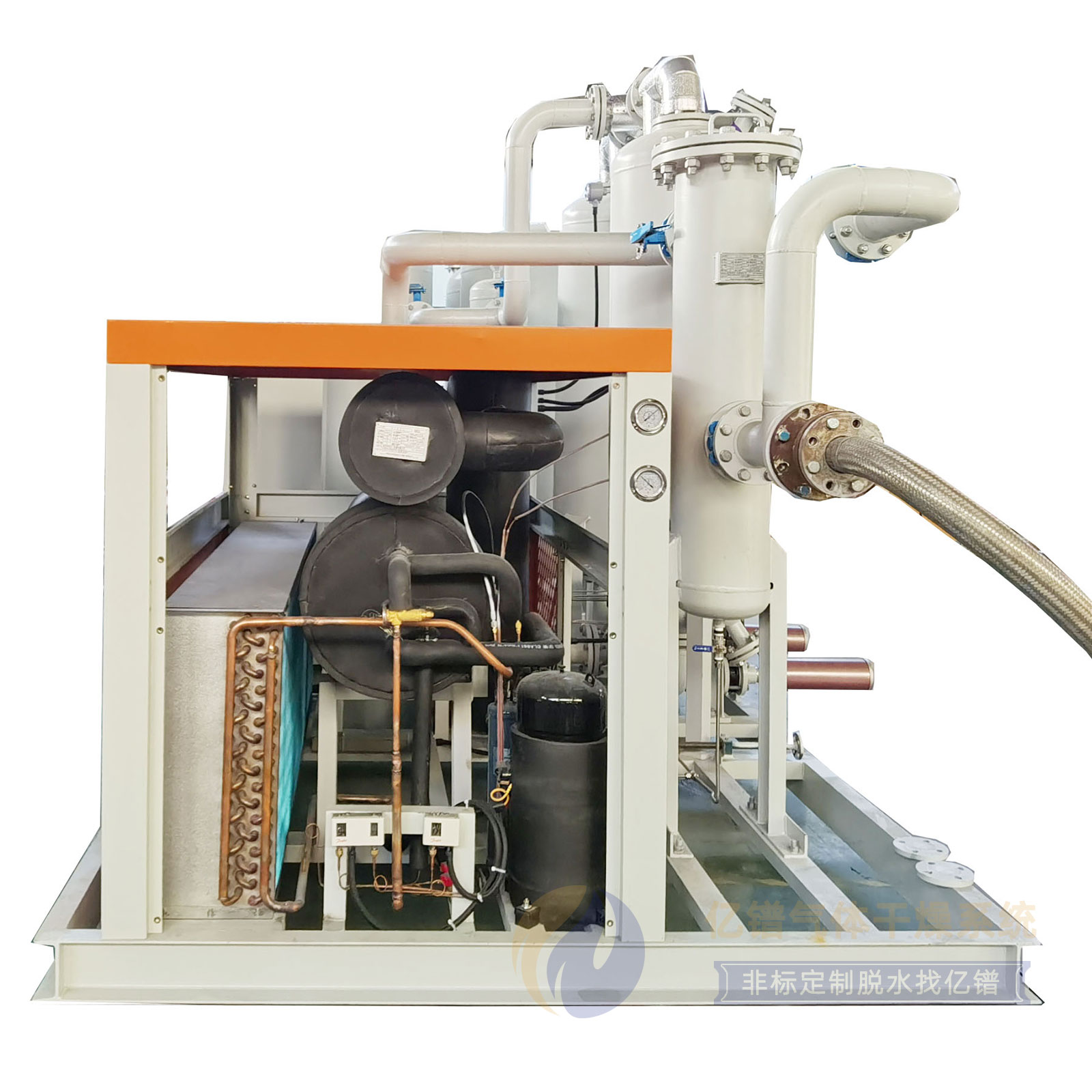
Raw gas undergoes micro-heat adsorption drying
Pressure dew point reduced to below 0℃, Reducing the impact of moisture on carbon molecular sieves







| Summary | of Supply Scope |
|---|---|
| Equipment | system name Remarks |
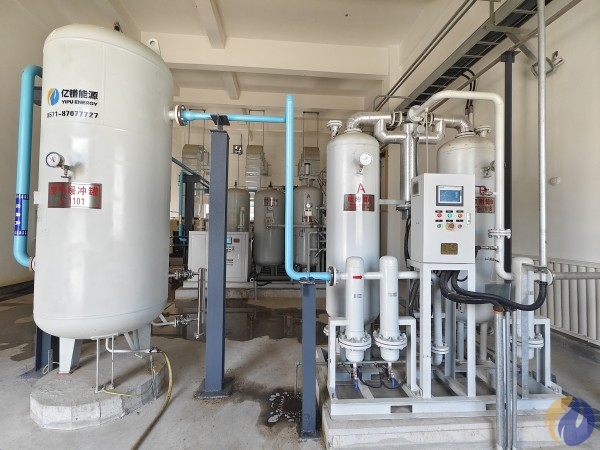
| Compressor system Fixed frequency | 17Nm³/min;1.0MPa (3 units) |
| Air | Purification System Processing Capacity 33Nm³/min |
| Micro-heat | drying system, processing capacity 33Nm³/min |
| PSA | pressure swing adsorption nitrogen generation system, flow rate 450Nm³/h;N₂ purity 99%;N₂ pressure dew point <0℃ |
| Main | system technical parameter requirements |
| Project | name Technical parameters |
| Air | compressor specifications Flow rate 132KW (17Nm³/min) three units (two in operation, one standby) |
| Air | compressor specifications Outlet pressure 1. 0MPa / Oil content 3PPm |
| Purified | air specifications Flow rate 33Nm³/min, Refrigerated dryer outlet pressure ≥0. 85MPa / Outlet temperature ≤5-15℃ / Dust particle size ≤1mg/m³ / Dust granularity ≤0. 01μm |
| Dry | air specifications Flow rate 33Nm³/min, Micro-heat dryer outlet pressure ≥0. 8MPa |
| Dry | air specifications Pressure dew point <0℃ / Dust granularity ≤10mg/m³ - |
| Finished | nitrogen specifications Flow rate 450Nm³/h, Nitrogen generator purity 99% / Outlet pressure ≤0. 85MPa pressure adjustable / Outlet temperature ≤40℃ / Pressure dew point <0℃ / Dust particle size ≤3μm / Residual oil content ≤0. 001ppm |
| Remarks | 1,Unless otherwise specified, pressures in this documentare gauge pressure values;2、The flow unit "Nm³/h" refers to 0℃,0.101MPa (absolute pressure) flow unit. |
| Air | purification section equipment parameters |
| Equipment | name Remarks |
| Oil-water coarse filter Processing gas volume | 33Nm³/min;Working pressure: 1.0MPa;Gas-liquid separation efficiency >99%;Oil content at outlet:<0.5mg/m³;Filtration accuracy: ≤3μm;Recommended service life 4000 hours;Caliber: DN100 |
| Refrigerated Dryer Air Handling Capacity | 33Nm³/min;Inlet Temperature: ≤70℃;Working pressure: 1.0MPa;Installed Power: ≤10KW;Caliber: DN100 |
| Equipment | Parameters of Micro-Heat Drying Section |
| Equipment | name Remarks |
| Micro-Heat Dryer Flow Rate | ≥33Nm³/min;Inlet Temperature: ≤40℃;Outlet Pressure: 1.0MPa;Outlet Pipe Diameter: DN100;Installed Power: ≤9KW |
| Dust Filter Air Handling Capacity | 33Nm³/min;Working pressure: 1.0MPa;Filtration Accuracy: ≤0.01μm;Recommended Service Life: 4000 hours;Caliber: DN100 |
| Main | Equipment Parameters of Nitrogen Generator Main Unit System |
| Equipment | name Remarks |
| Nitrogen Generator Nitrogen Production | ≥450Nm³/h;Nitrogen Purity: ≥99%;Nitrogen Outlet Pressure: ≤0.85MPa;Finished Nitrogen Outlet: DN50 |
| Dust Filter Air Handling Capacity | 8Nm³/min;Working pressure: 1.0MPa;Filtration Accuracy: ≤0.01μm;Service Life: 8000 hours;Diameter: DN50 |
| Air Process Tank Pressure Vessel Certificate Provided;V=1.5m³;Working pressure | 1.0MPa;With attachments |
| Nitrogen process tank; pressure vessel certificate provided;V=1.5m³;Working pressure | ≤0.85MPa;With attachments |
| Technical | documents for nitrogen generation equipment -- utility parameters |
| Category | Value |
| Compressed air consumption (PSA nitrogen generation unit) Nitrogen generator | 450Nm³/h "N" refers to 0℃, at normal pressure |
| Feed | gas pressure ≤1. 0MPa(G) |
| Compressed air quality requirements | oil content ≤3PPM;dust content ≤1mg/m³;dust particle size ≤3μm;temperature ≤50℃;pressure dew point <0℃ - |
| Electrical | -- air compressor 380V/50Hz;132KW×3 units |
| Electrical | -- nitrogen generation device 220V/50Hz;0.5KW×1 unit |
| Electrical | -- purification system 380V/50Hz (three-phase five-wire) |
| Electrical | -- drying system 380V/50Hz (three-phase five-wire) |
| Ambient | temperature ≤38℃ (good ventilation); equipment placed indoors |
| Technical | Parameters Table of Nitrogen Generation System |
| Name | Parameter |
| Nitrogen | flow rate of nitrogen generation system ≥450Nm³/h "N" refers to 0℃, at normal pressure |
| Nitrogen | purity ≥99% |
| Nitrogen | pressure ≤0. 85MPa (gauge pressure) adjustable |
| Nitrogen | temperature ≤40℃ |
| Working pressure | 1. 0MPa |
| Nitrogen | oil content ≤1ppm |
| Nitrogen | dust particle size ≤0. 01μm |
| System | pressure differential ≤0. 05MPa |
| Raw | material air consumption 20-22. 5Nm³/min average gas consumption |
| Carbon | molecular sieve, domestically sourced high quality, service life ≥5 years under normal use and maintenance |
| Control | mode PLC SMART-200 automatic control, Kunlun Tongtai 7-inch LCD display |
| Load | range 50~120% |
| Maximum | pressure loss ≤0. 15MPa |
| Annual | operating time of the unit ≥8400 hours |
| Control | mode Automatic control, Automatic venting of non-conforming nitrogen |
| Service | life of wearing parts |
| Item | Service life/Indicator |
| Nitrogen | generation main unit service life ≥20 years |
| Air | compressor service life 7 years |
| Pneumatic | valve opening time ≤0. 2 seconds |
| Pneumatic | valve service life ≥3 million cycles |
| Silencer | filter element ≥8000 hours |
| Dust | filter element ≥8000 hours |
| Solenoid | valve ≥3 million cycles |

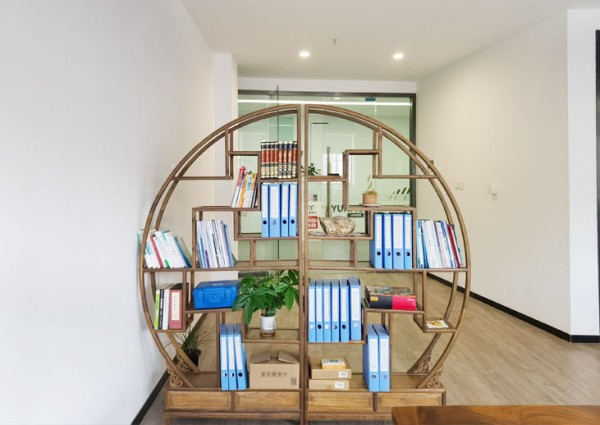


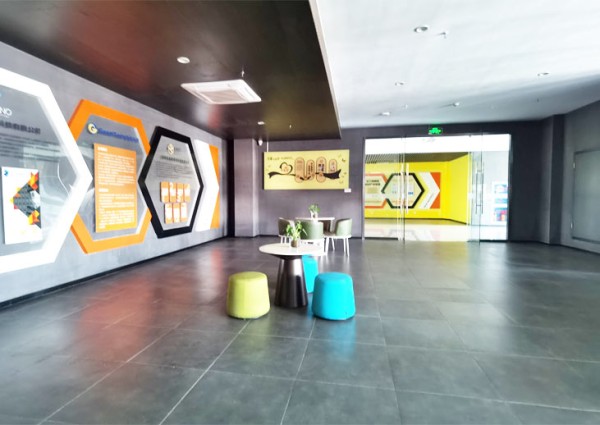
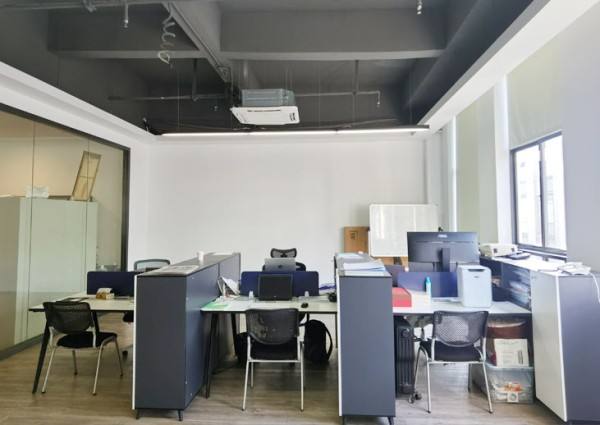


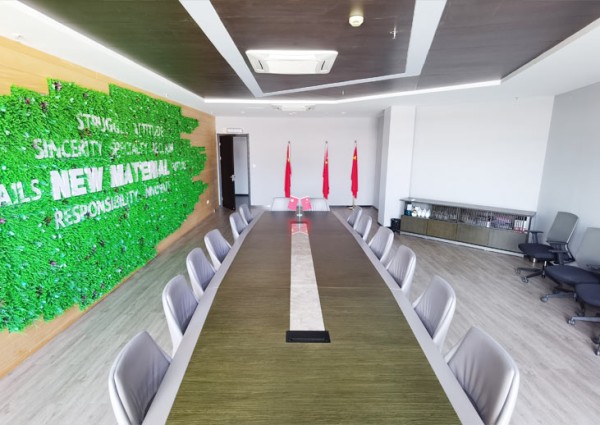
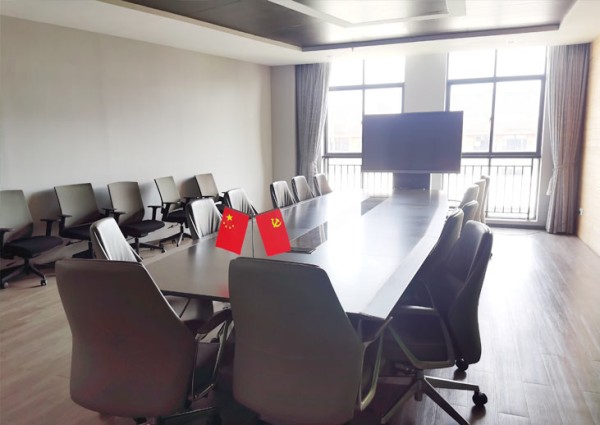

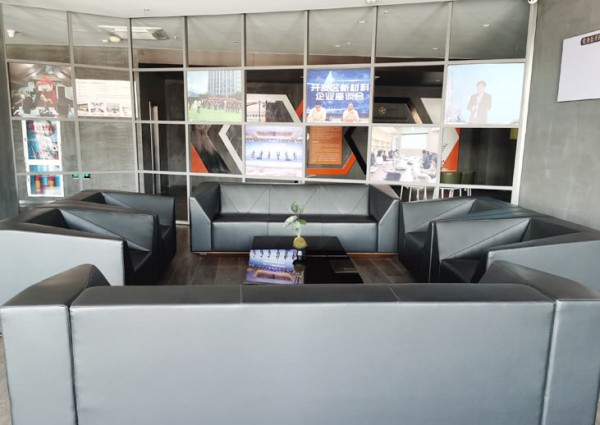


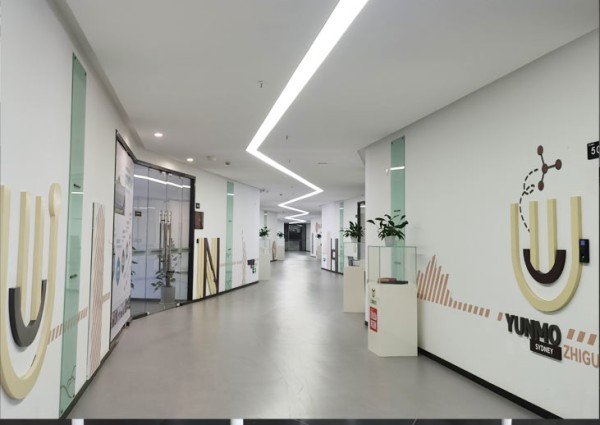


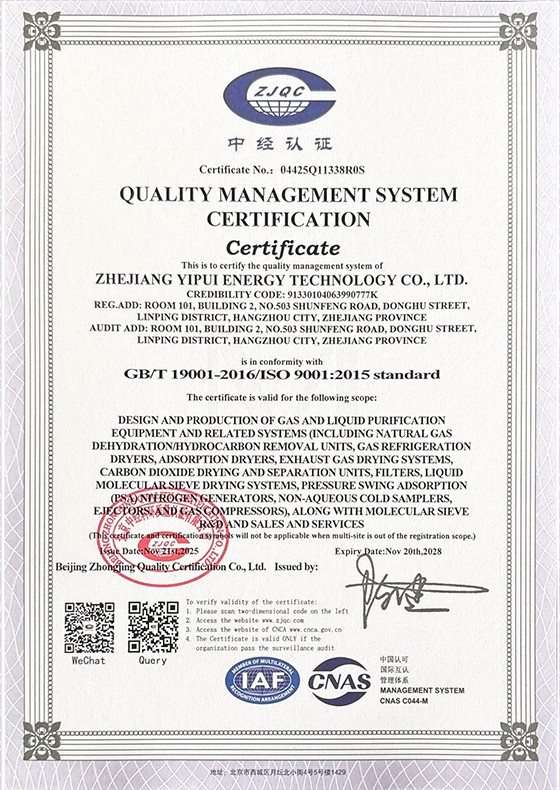
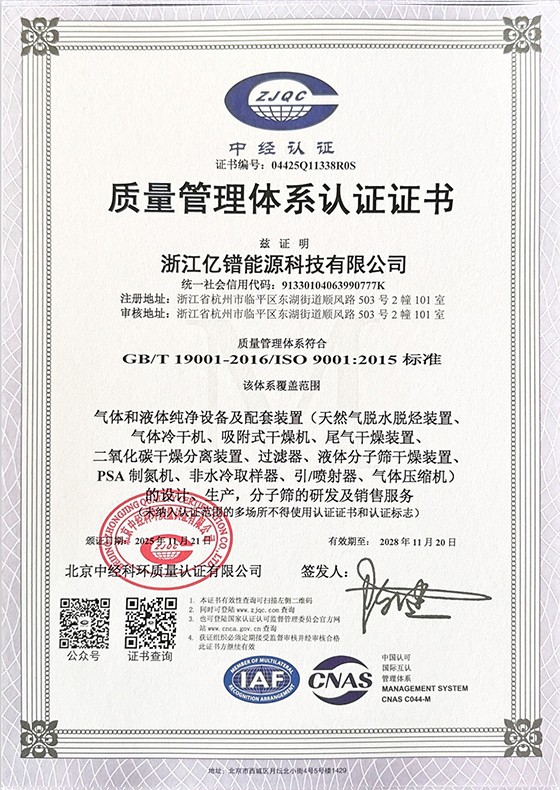
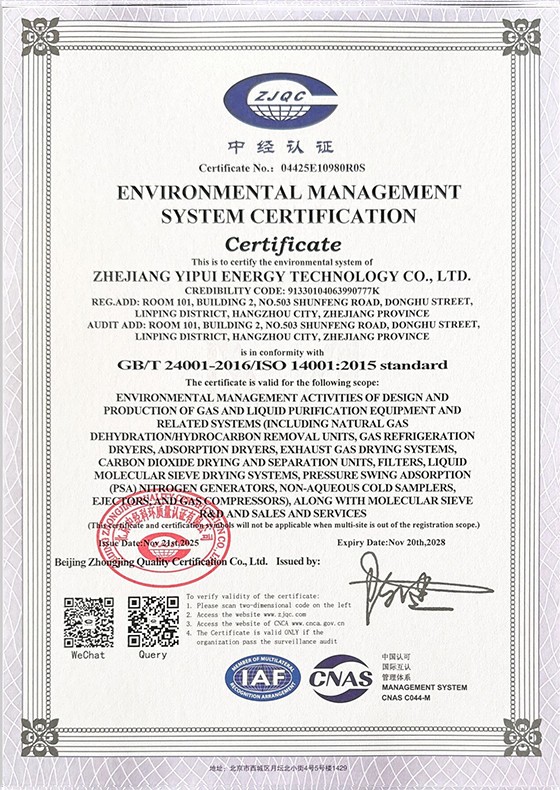
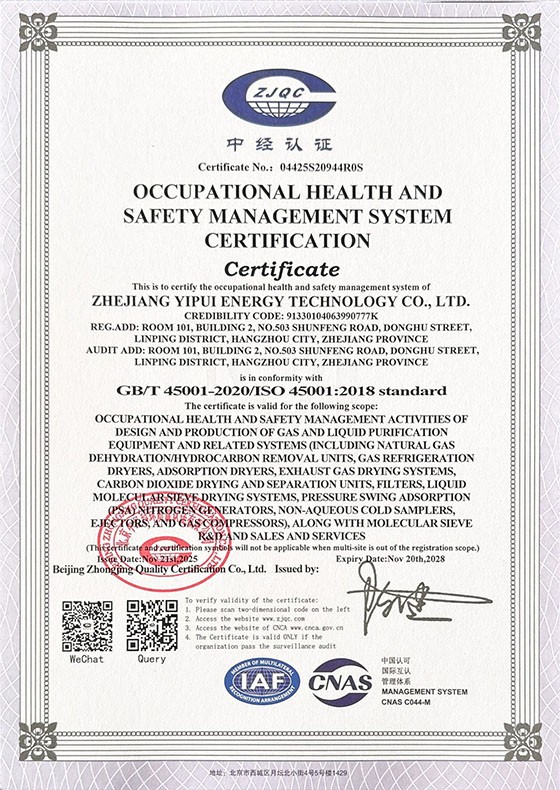
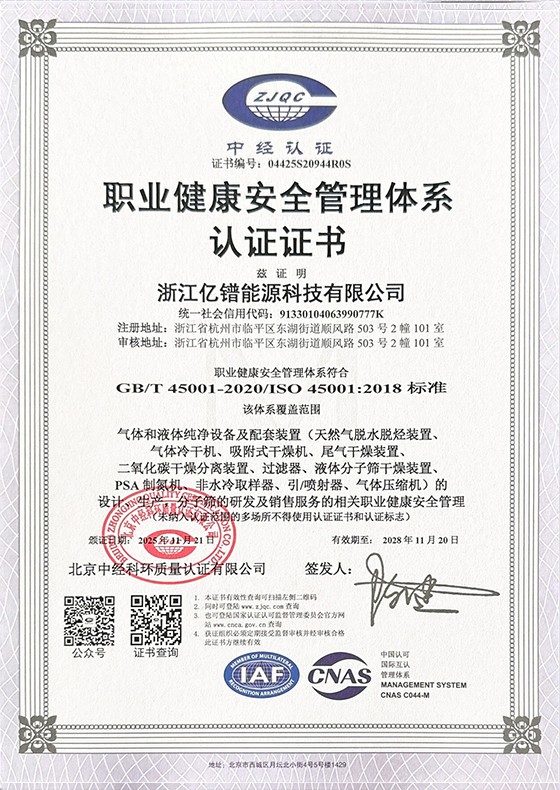
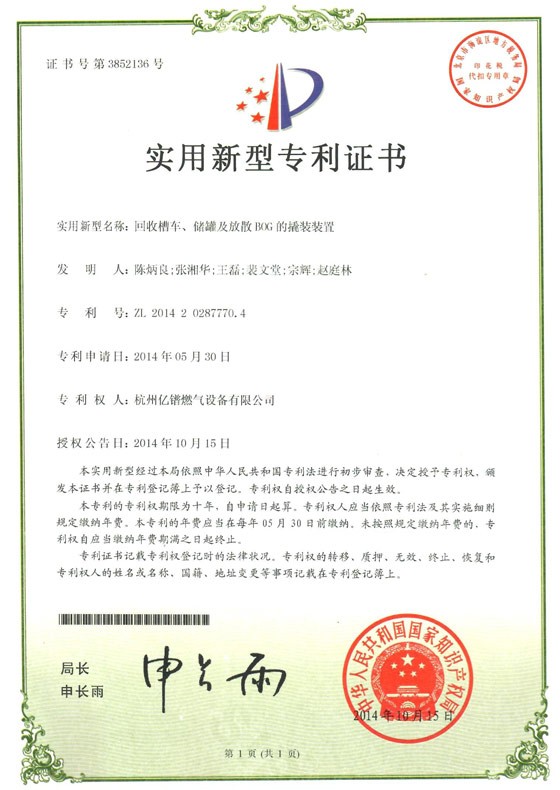
Professional production team, with strict quality control implemented in every production process
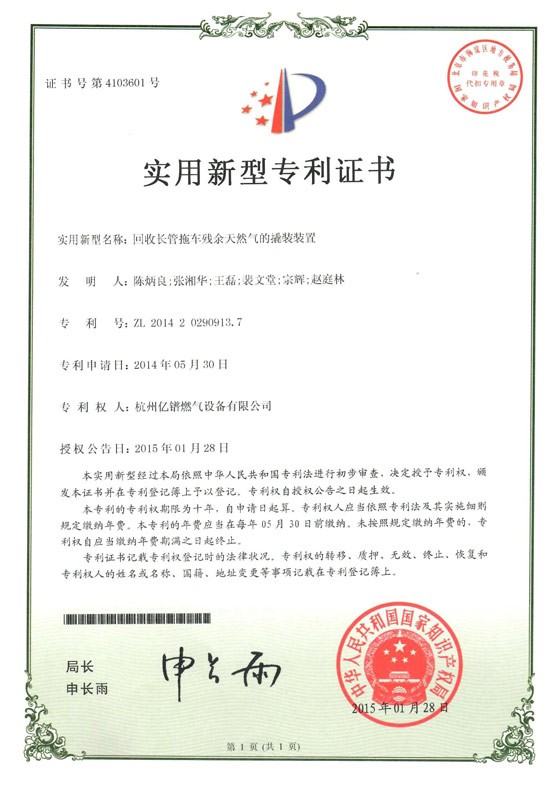
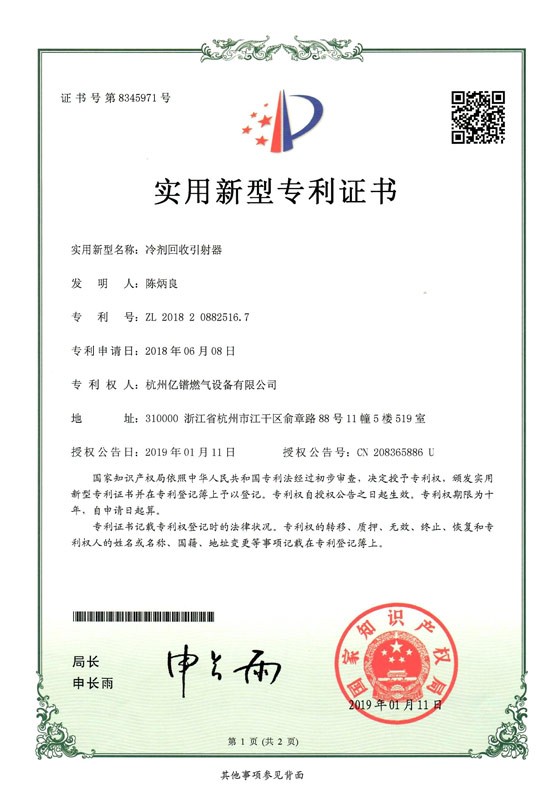
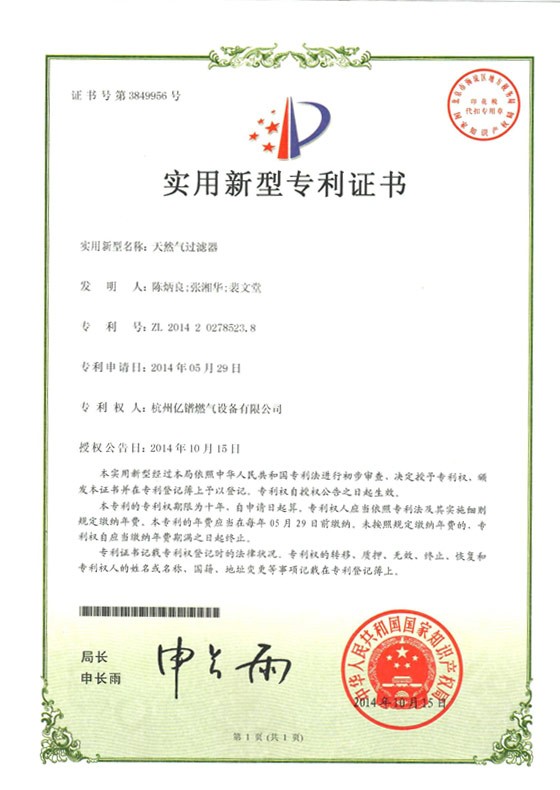
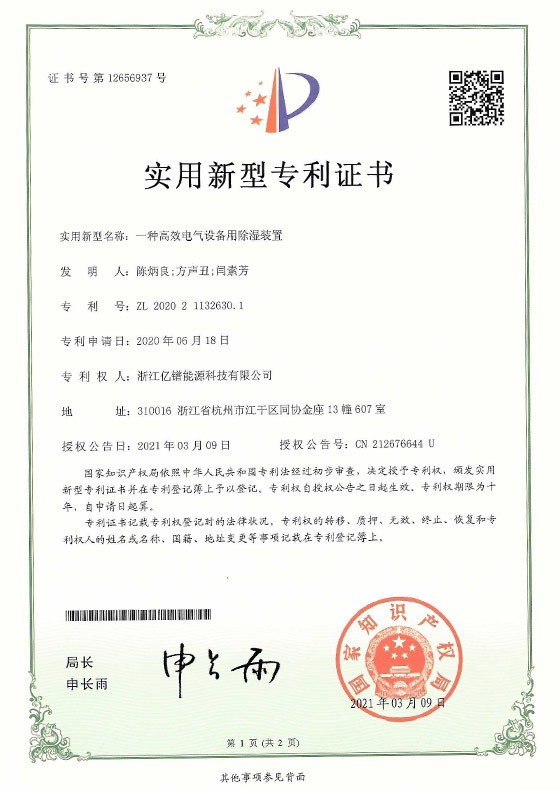
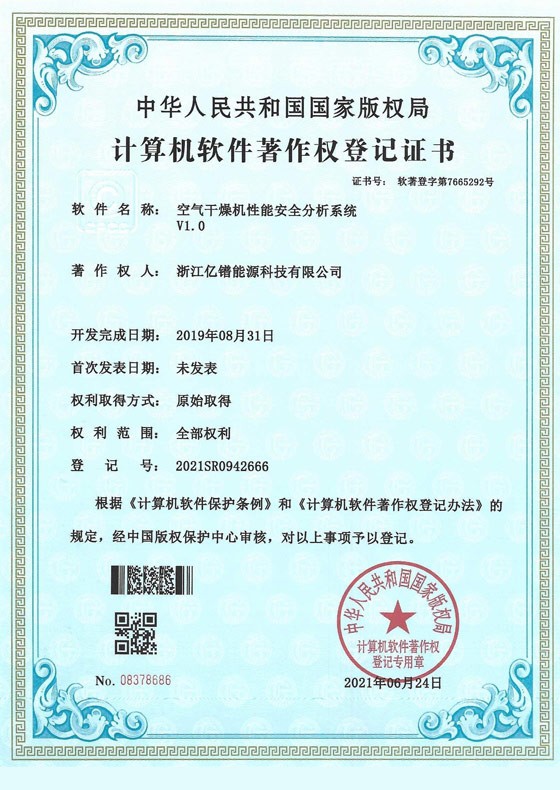
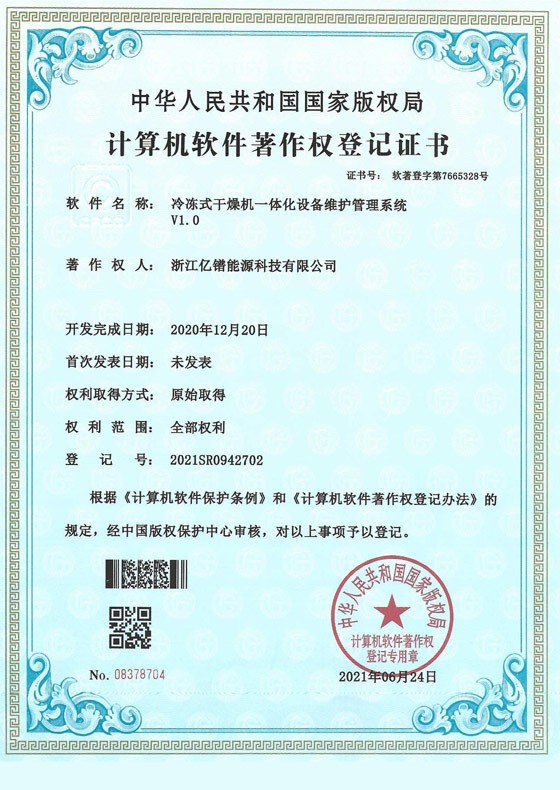
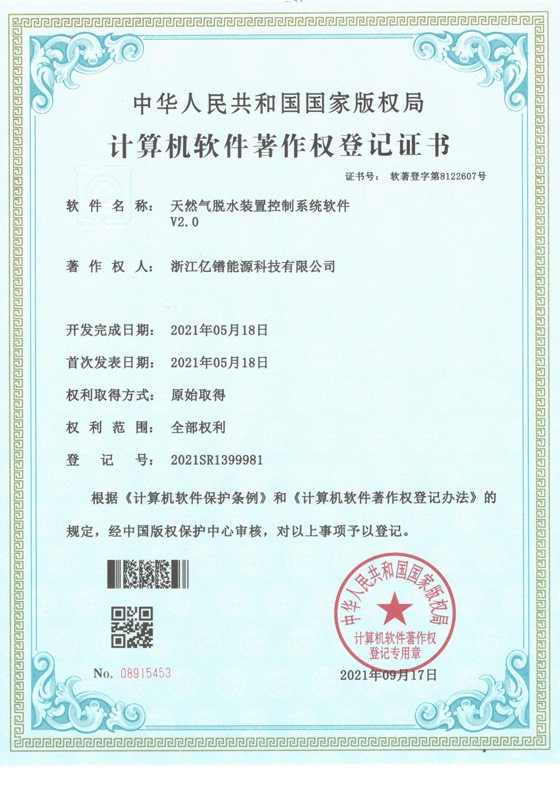
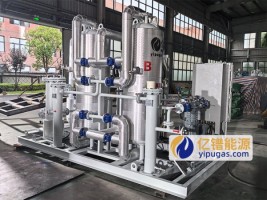
Market pain points In the process of natural gas extraction, processing, and transportation, the pre...
MORE >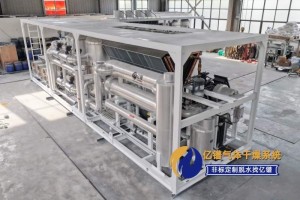
I. Market Pain Points During oil and gas field development, oilfield wellhead gas often contains lar...
MORE >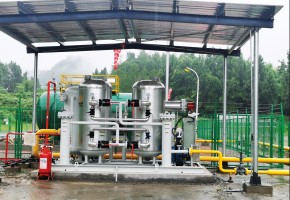
Market pain pointsAs a clean energy source, natural gas faces its greatest hidden risk during ...
MORE >
I. Market Pain Points In the process of natural gas extraction, gathering and transportation, and CN...
MORE >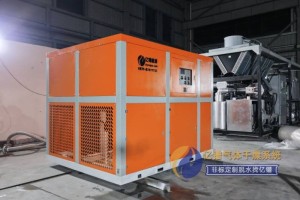
Safe and Worry-Free In the process of biogas energy utilization, moisture removal is a key step to e...
MORE >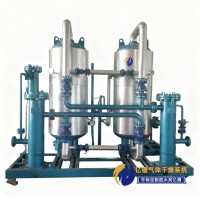
I. Market Pain Points In the extraction, gathering and transportation, and filling station applicati...
MORE >Some Customers



We are very impressed with Yipu. The company not only guarantees equipment quality, but the entire transaction process is also very worry-free and smooth.

Our previous system had serious pressure fluctuation problems. After replacing this set of equipment, it runs much more smoothly. Moreover, the team also customized and developed control logic for our on-site working conditions, saving us a lot of troubleshooting time.

At first I was worried about the installation and commissioning of the equipment, but Yipu's after-sales team provided us with step-by-step guidance. The equipment started up and was put into use smoothly, and since then our maintenance workload has been significantly reduced.
Xiaoxu Group Site Customer Acquisition focuses on network customer acquisition pipeline construction, always adhering to the values of "Do what you say, simple and trustworthy", striving to become the first brand in internet marketing execution, insisting on content as the center, through group sites + media account groups + short video groups to clearly tell enterprises: Who am I? Who really needs it? Why should they buy from you instead of from the neighbor? Always adhering to the marketing co