
3600 m³/day Instrument Air Compressed Nitrogen Generation System Dew Point ≤-70°C Purity ≥99.9% Overview

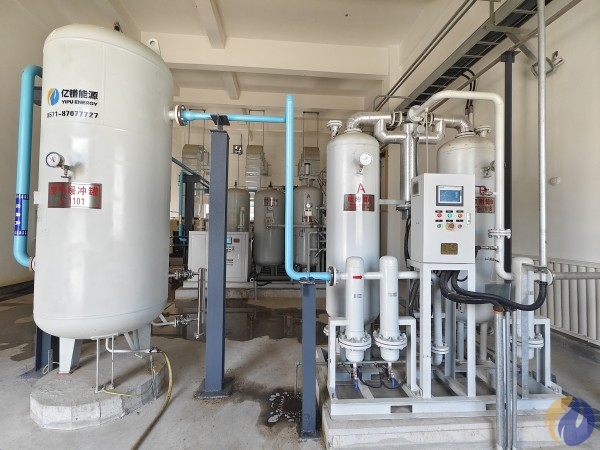
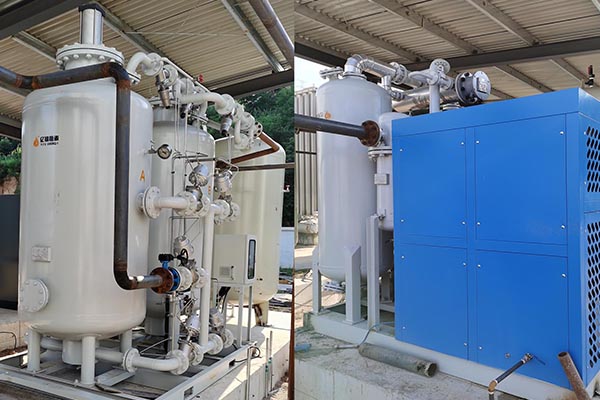
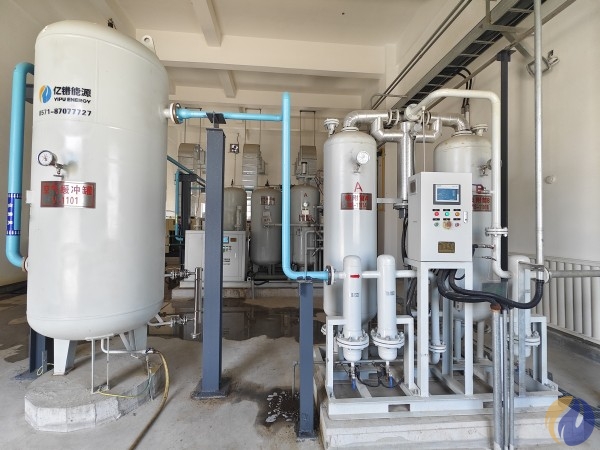
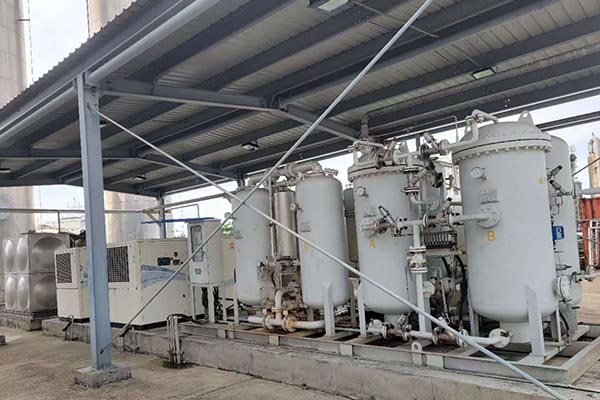
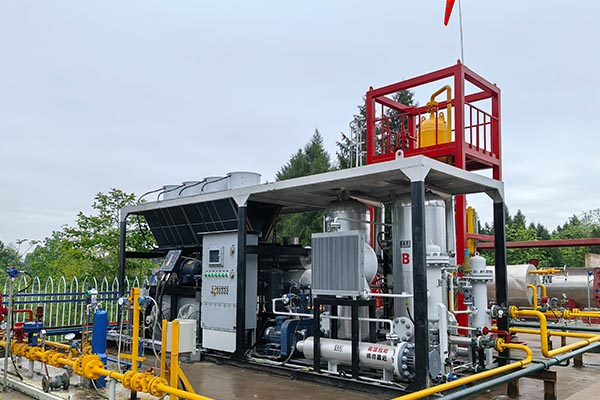
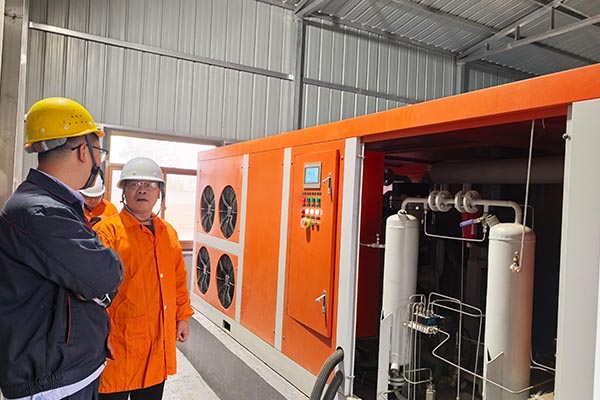
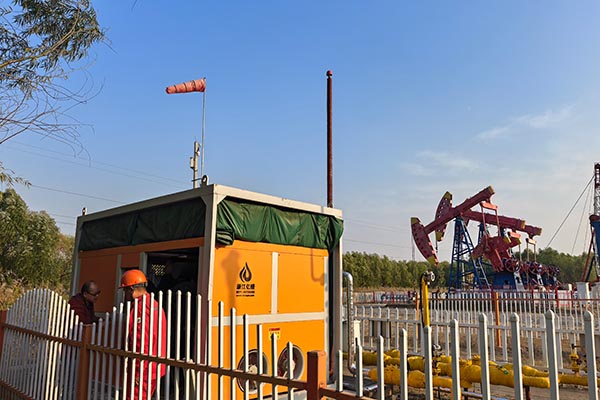
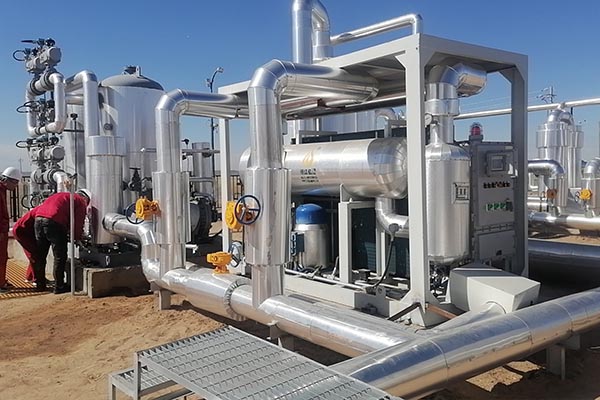
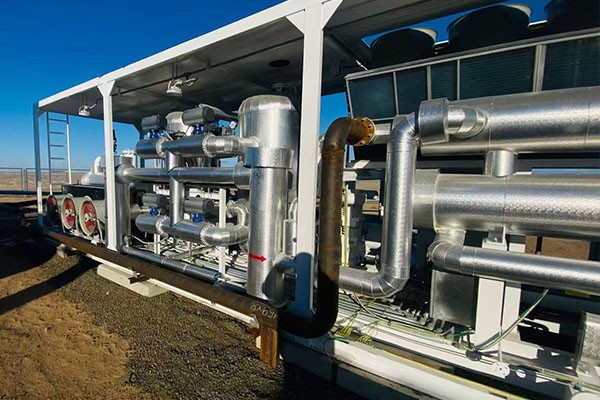
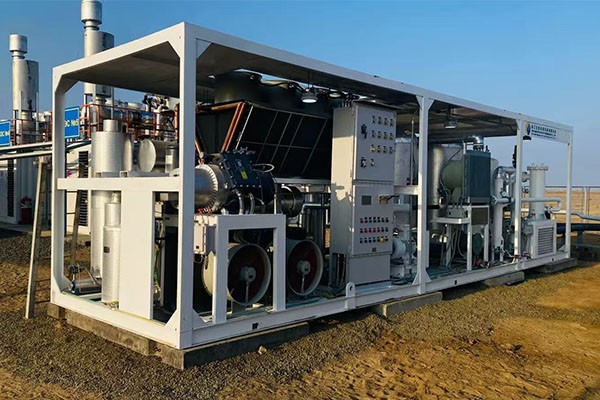
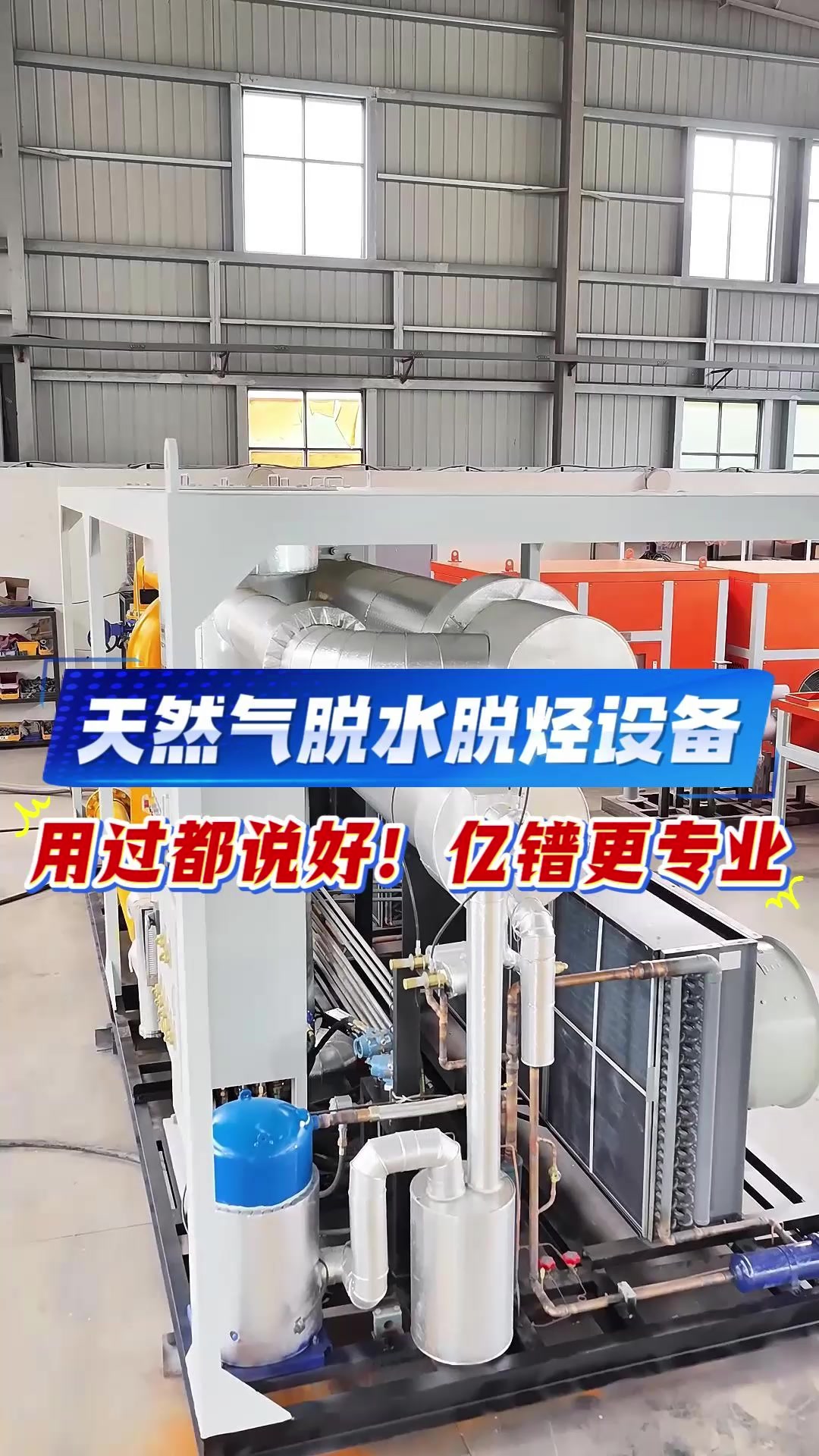
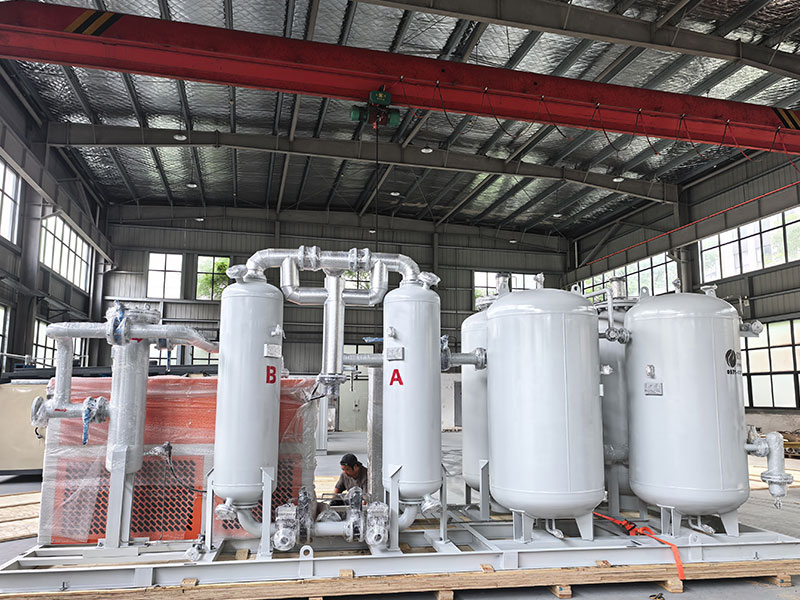
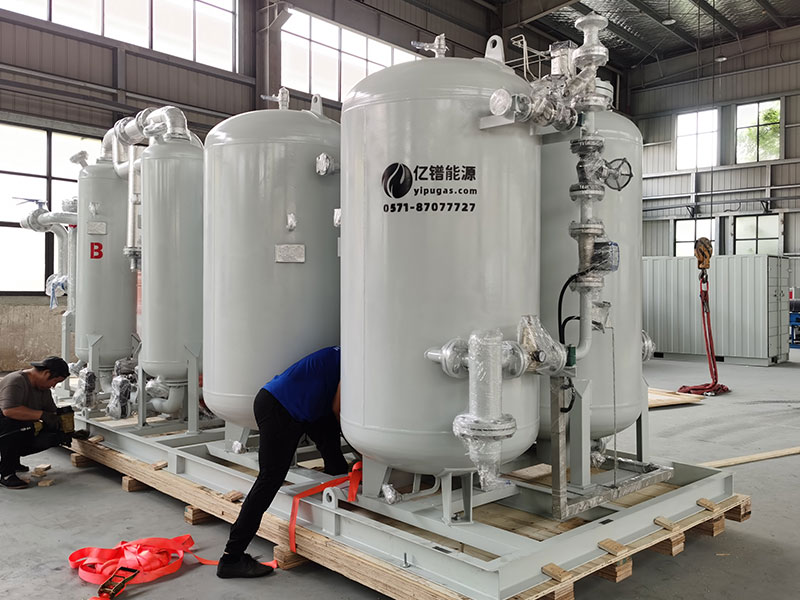
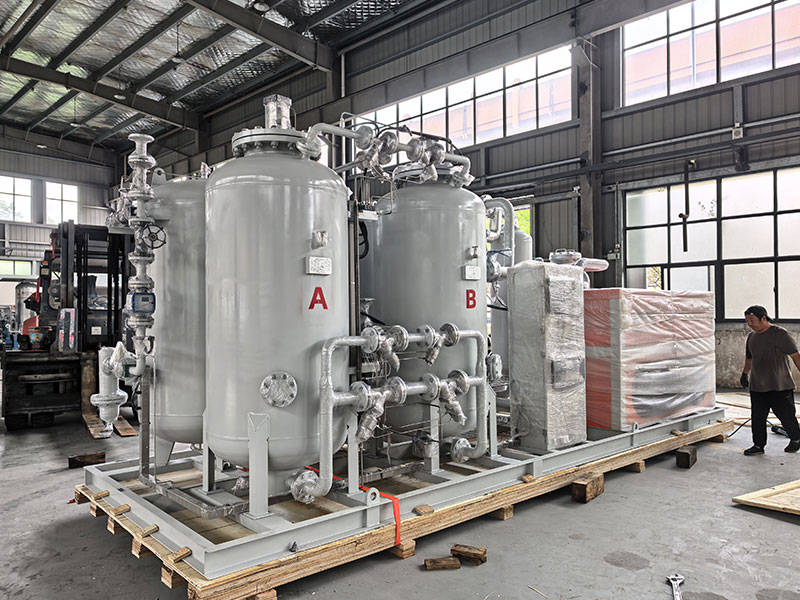
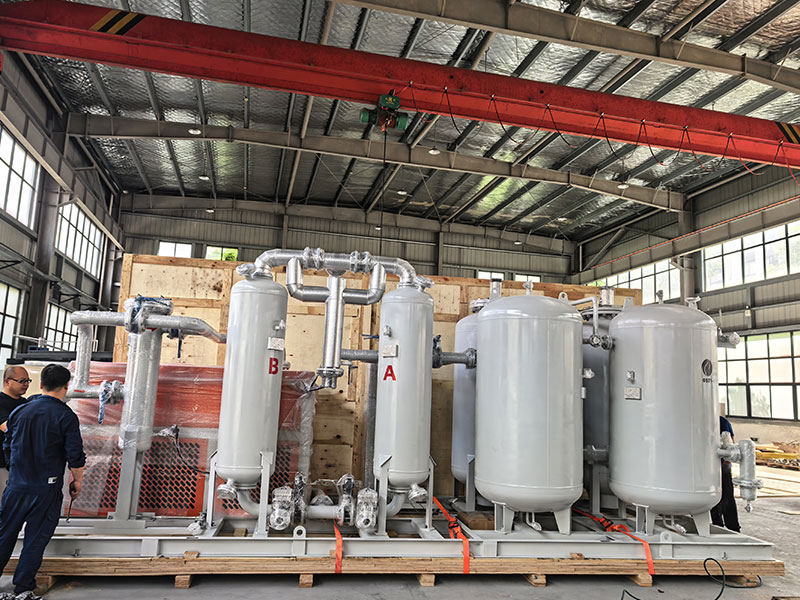
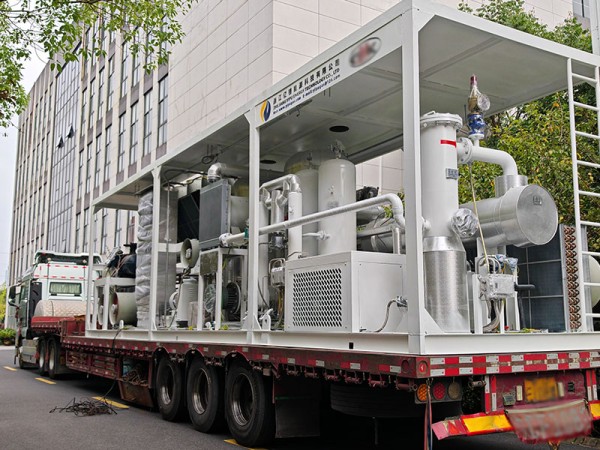
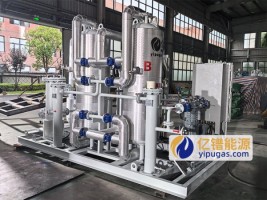
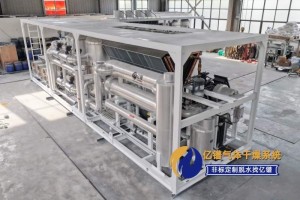
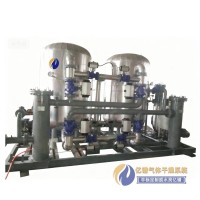
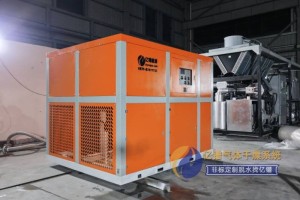
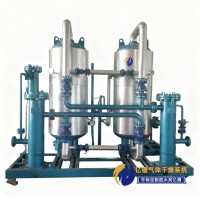
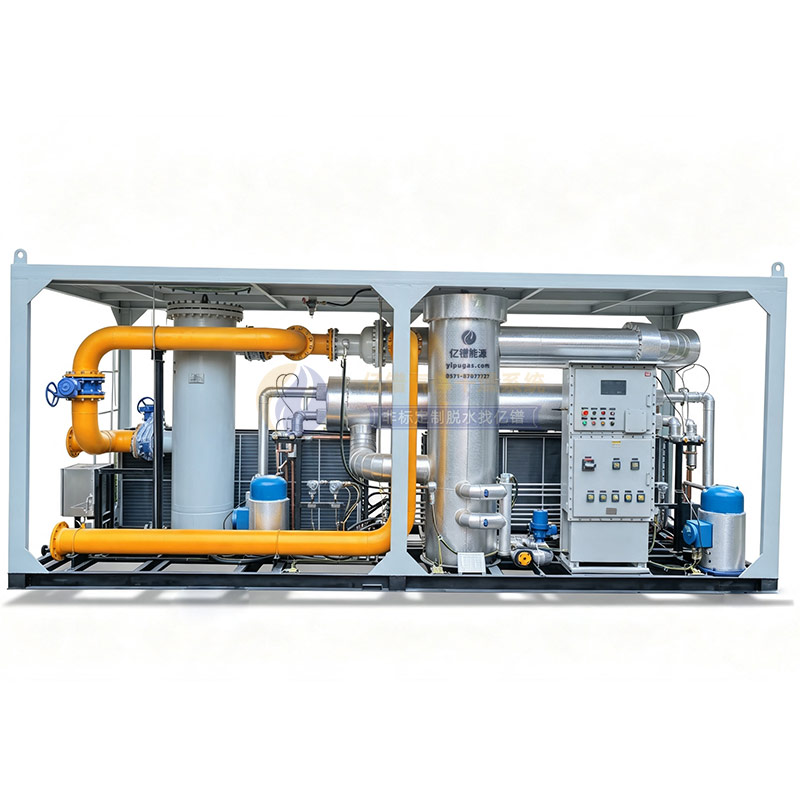
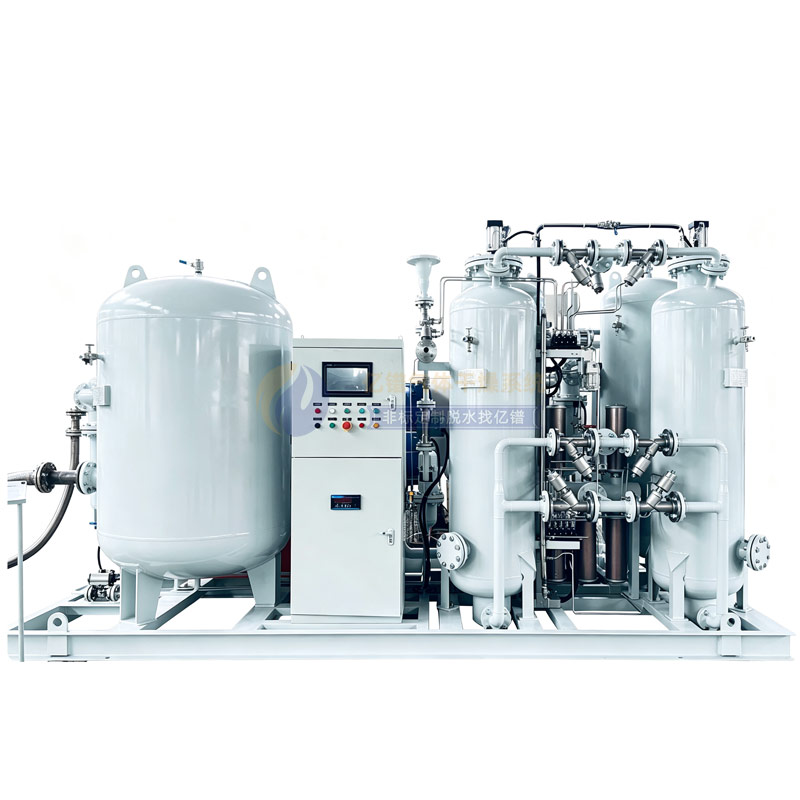
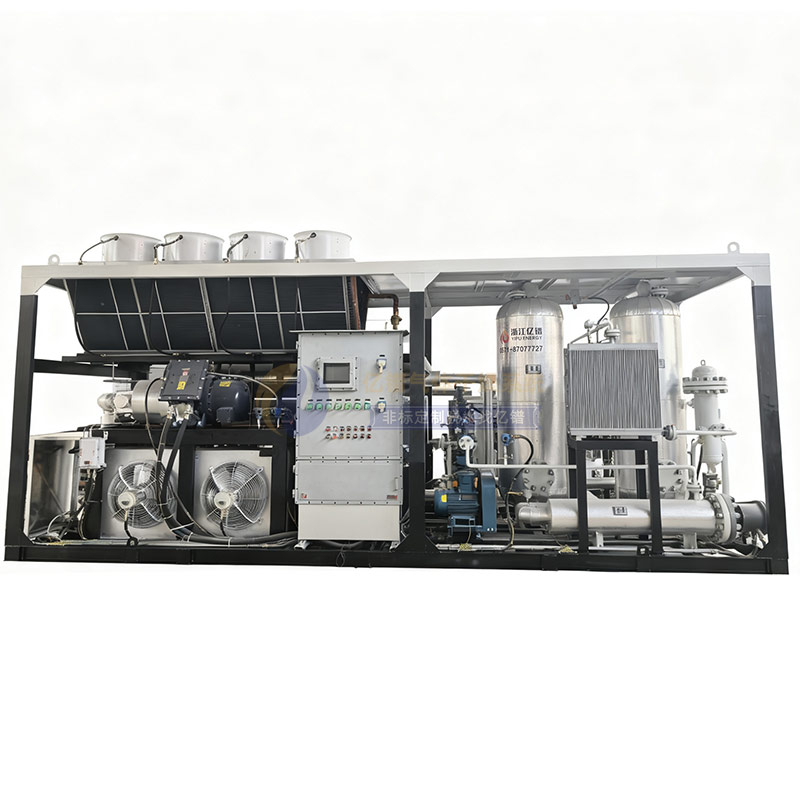
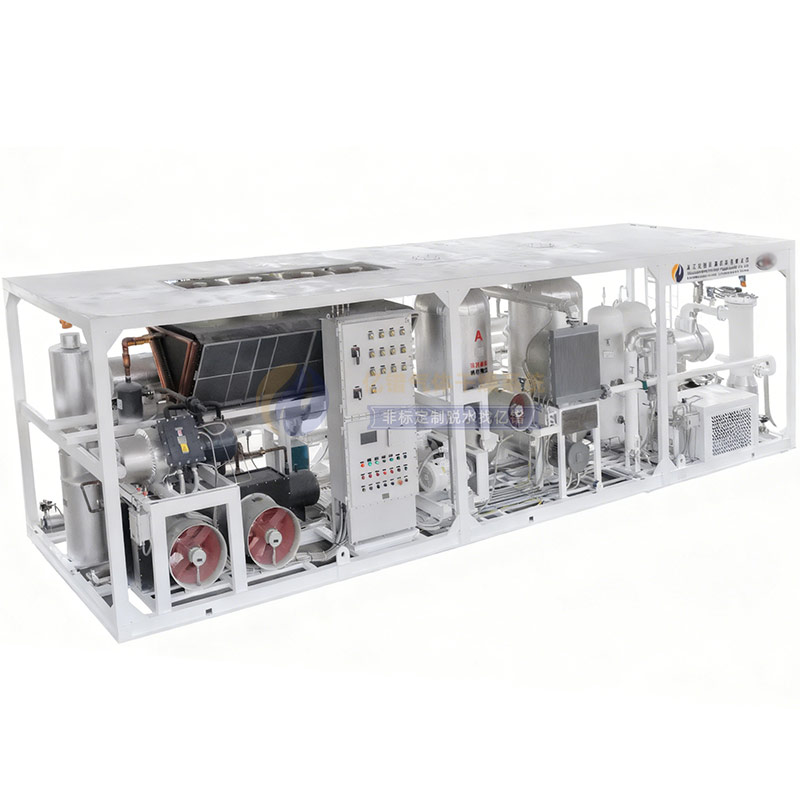
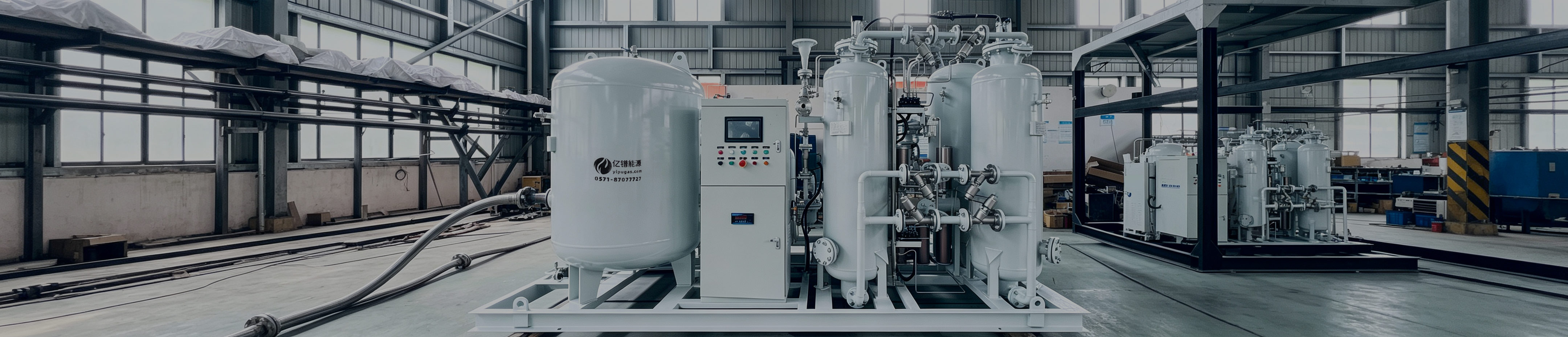
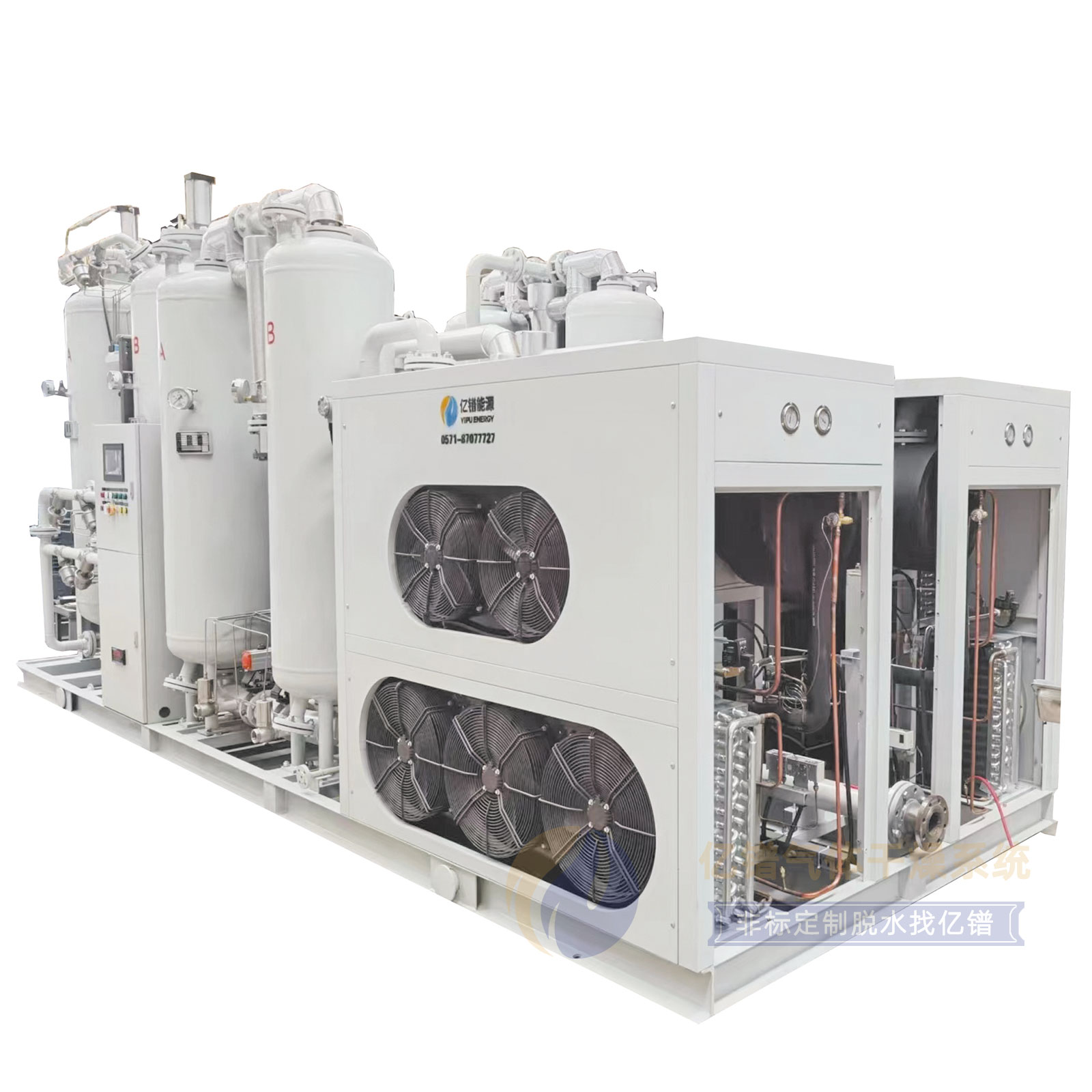
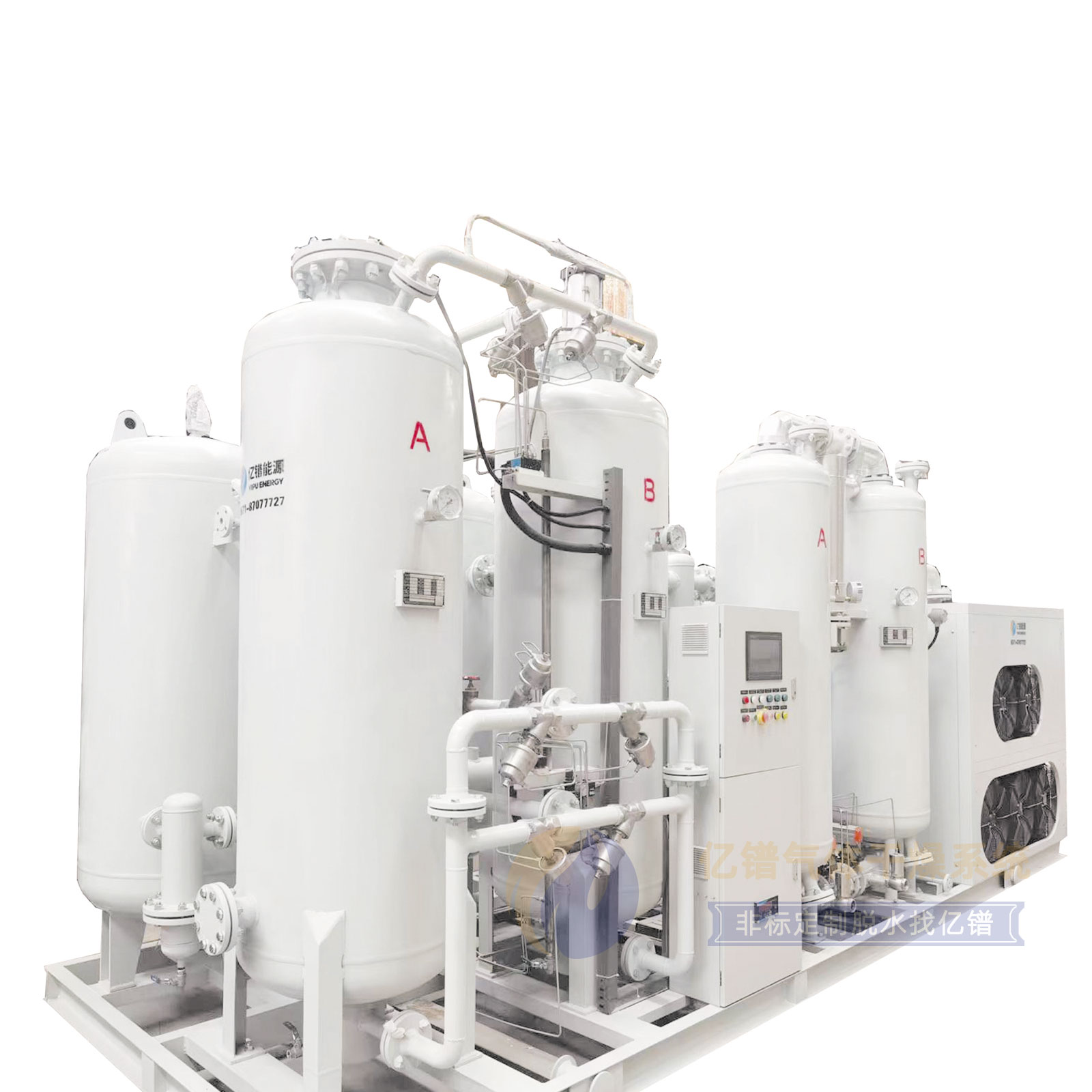
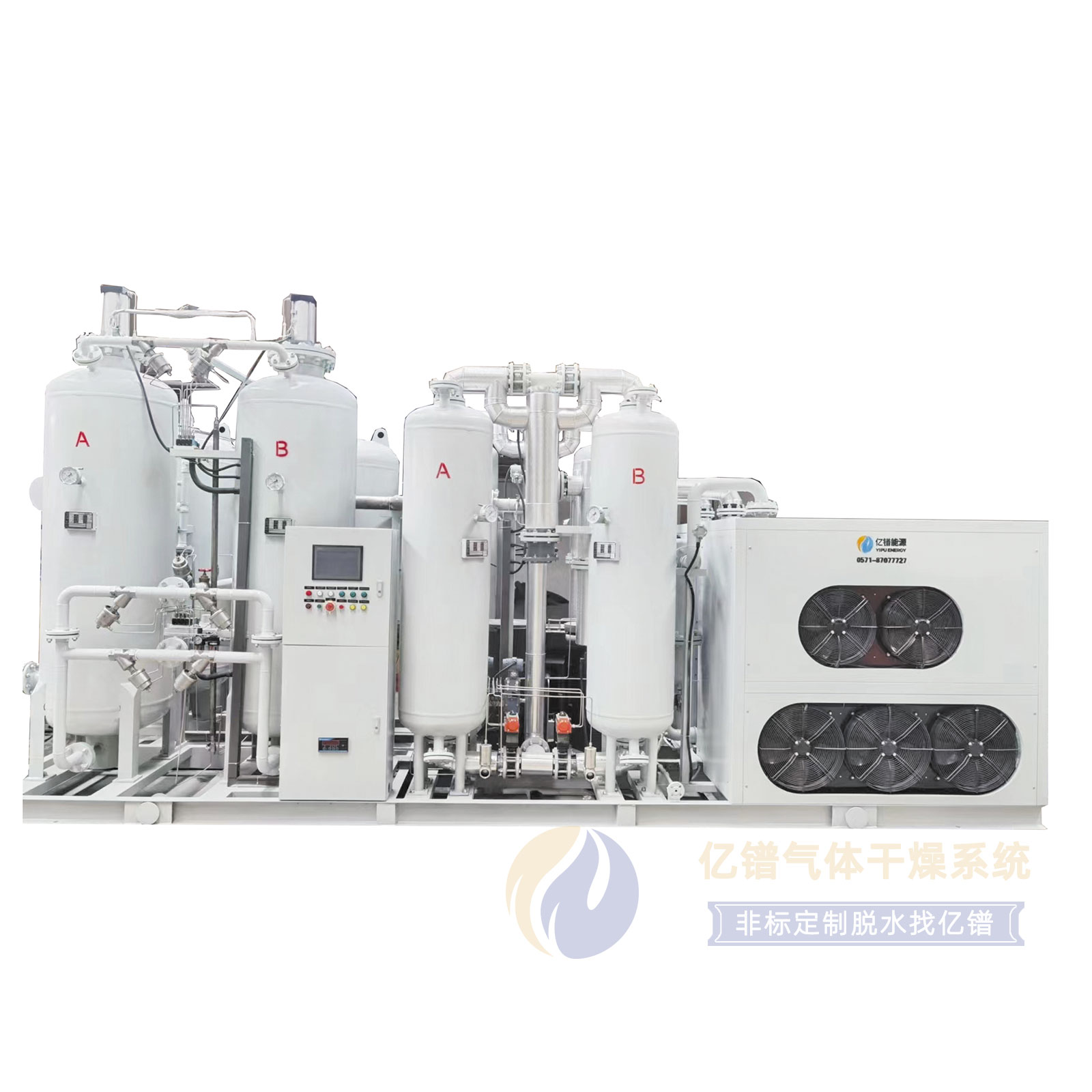
The Yipu PSA nitrogen generator adopts pressure swing adsorption (PSA) technology, using clean compressed air as raw material and achieving on-site continuous nitrogen production through the differential adsorption of oxygen and nitrogen by carbon molecular sieves. The system consists of an air compressor, purification components, dual adsorption towers, a nitrogen buffer tank, and a PLC control system. The two towers alternate between pressurized adsorption and depressurized regeneration, operating fully automatically without manual attendance. Nitrogen flow rate is 5–5000 Nm³/h, purity is adjustable from 95% to 99.99%, outlet pressure is 0.05–1.0 MPa, and the atmospheric dew point can reach below -45°C. The skid-mounted integrated design requires little floor space and allows quick installation, and supports remote monitoring and DCS integration. Compared with purchasing liquid nitrogen, it provides autonomous gas supply with clear costs, suitable for industrial scenarios such as chemicals, electronics, food, and oil & gas.

Professional 3600 m³/day Instrument Air Compressed Nitrogen Generation System Dew Point ≤-70°C Purity ≥99.9% Company

17+
years of professional field experience
6+
product R&D experience
9+
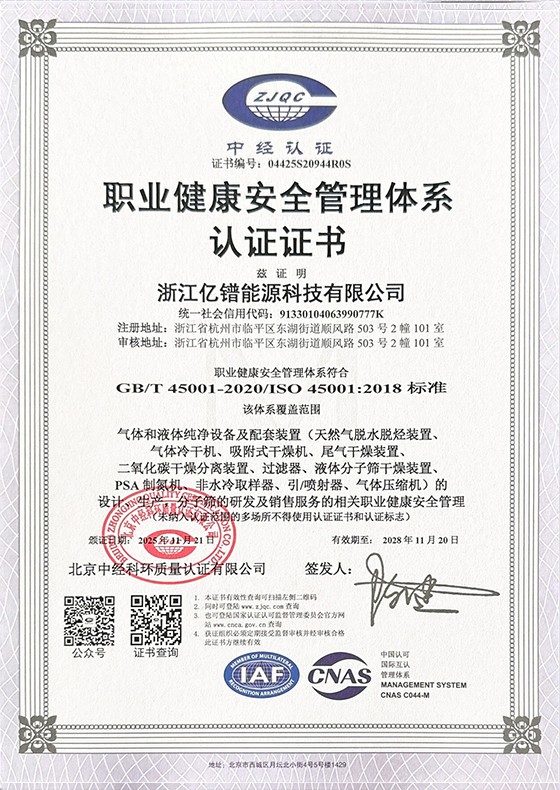
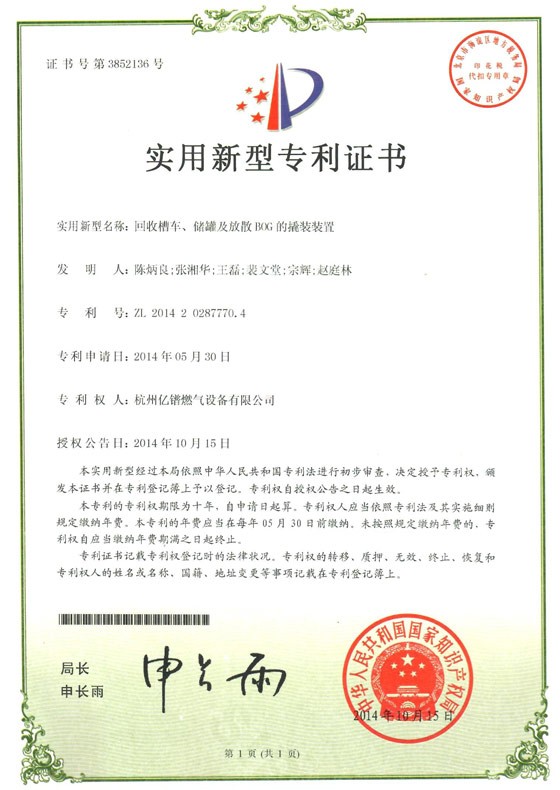
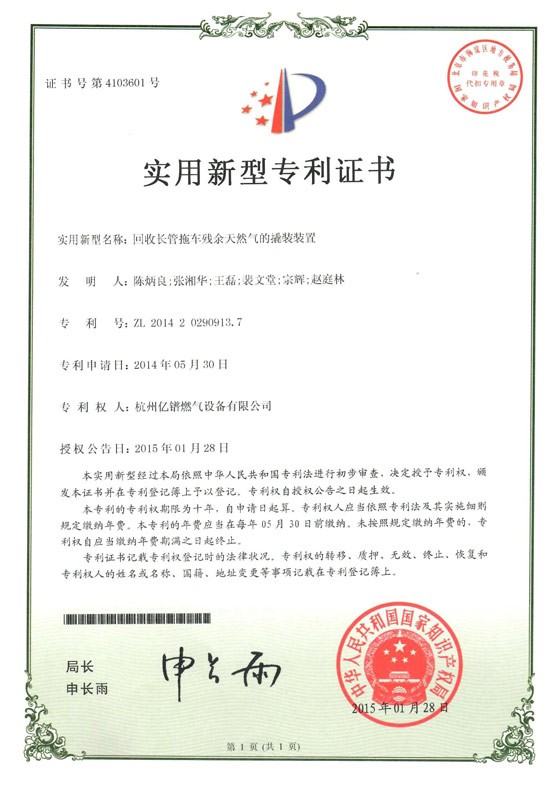
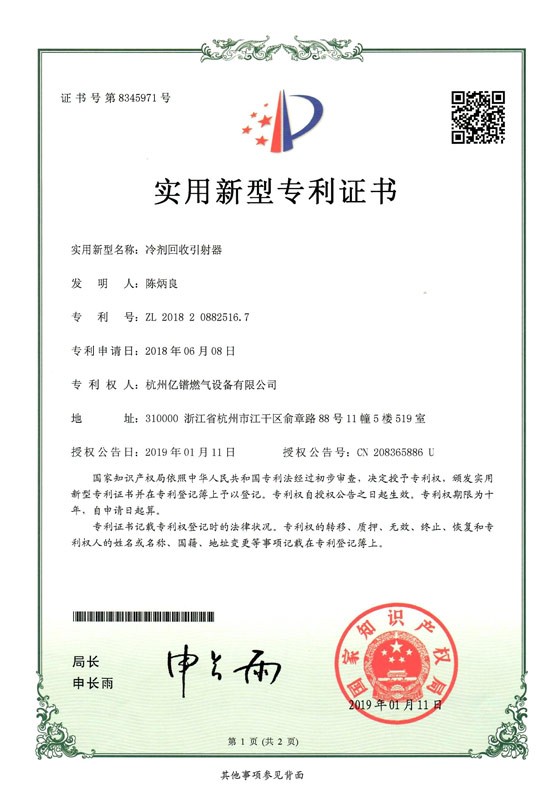
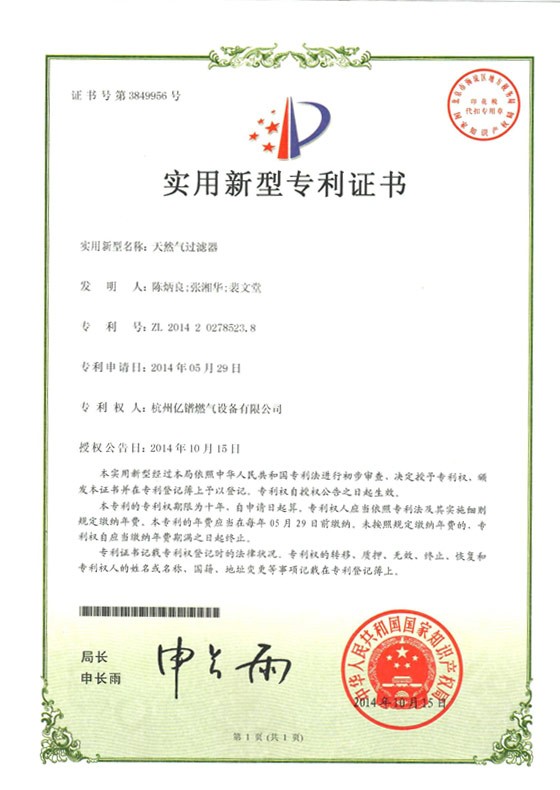
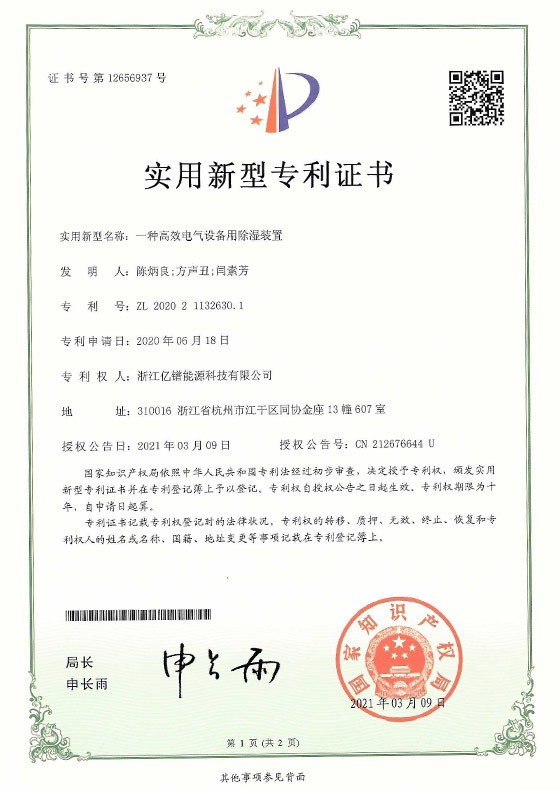
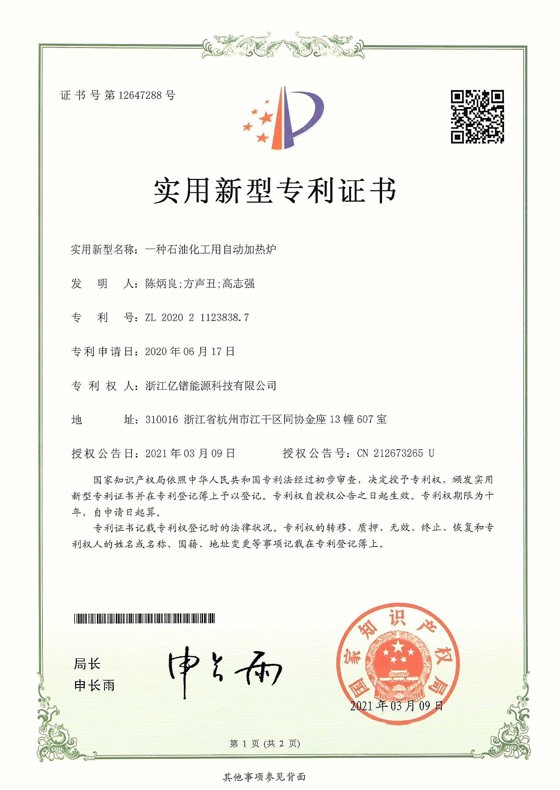
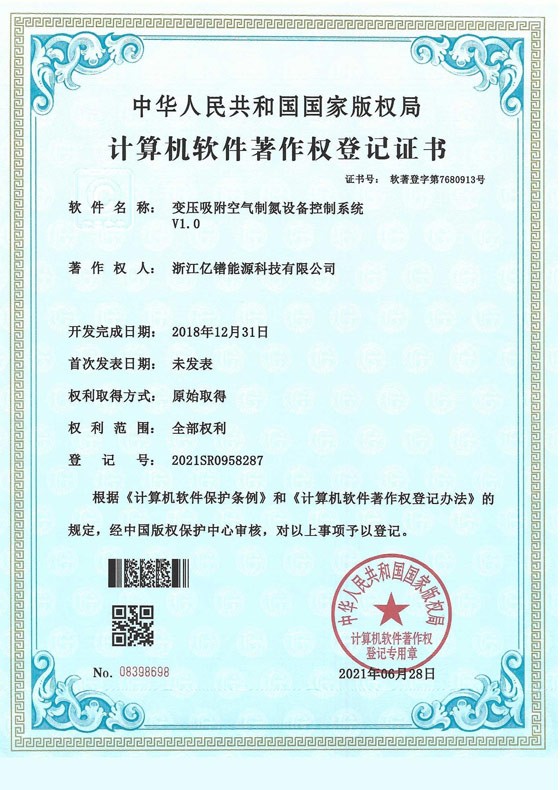
intellectual property
20+
industry application cases

Deeply engaged in customized solutions for the natural gas dehydration industry

Industry Pain Points

Purchased liquid nitrogen is costly and constrained by logistics
Tanker delivery is affected by weather and road conditions, and evaporation losses from liquid nitrogen storage tanks persist
The larger the usage, the higher the cost, and supply chain fluctuations directly threaten production continuity
Difficult to guarantee nitrogen supply for remote plants
Long logistics cycles and high freight costs for plateau, offshore, and remote projects
High risk of supply interruption, with safety control difficulty rising accordingly
Frequent cylinder replacement for bottled nitrogen is inefficient
Cumbersome cylinder turnover and large footprint; supply falls short of demand during peak gas usage
Manual cylinder replacement affects continuous production, keeping overall gas usage costs high
Difficult to match purity and usage fluctuations
Purchased nitrogen has fixed purity and cannot be flexibly adjusted when gas load fluctuates
High-purity gas scenarios easily cause unnecessary cost waste

Solutions

ProblemSolutions
High cost of purchased liquid nitrogen; the larger the usage, the higher the expenditureUsing Yipu PSA nitrogen generators for on-site nitrogen production, with air as the raw material, gas can be produced once powered on, and operating costs are clear and controllable
Tanker delivery is affected by weather and road conditions, resulting in unstable supplyOn-site nitrogen production eliminates logistics dependence, is not constrained by external transportation conditions, and ensures production continuity
Evaporation losses from liquid nitrogen storage tanks persistProduce gas on demand, use it as soon as it is turned on, avoiding continuous losses in the storage process
Long nitrogen delivery cycles and high freight costs for remote plant areasSkid-mounted Yipu nitrogen generators can be installed on site, eliminating the need for long-distance delivery and reducing logistics costs and supply interruption risks
Frequent cylinder replacement for bottled nitrogen affects continuous productionYipu pressure swing adsorption nitrogen generators operate continuously and automatically, require no cylinder replacement, and support unattended operation
Steel cylinders take up a lot of space for turnover, and manual management is cumbersomeComplete skid-mounted integration, small footprint, PLC automatic control, reducing manual intervention
The purity of purchased nitrogen is fixed and cannot be adjusted flexiblyYipu PSA nitrogen generators have adjustable purity from 95% to 99.99%, matched to actual working conditions to avoid waste from over-purification
Large gas load fluctuations make it difficult to match gas supplyThe system supports 20% to 100% load adjustment; when gas consumption drops, it automatically reduces load or goes on standby, reducing idle-running waste
Safety control is difficult for remote or offshore projectsOn-site nitrogen production reduces liquid nitrogen transportation and storage links, lowering safety risks, and skid-mounted equipment has complete grounding
Slow response to equipment failures, affecting productionYipu provides 24-hour response service, arriving on site for repairs as soon as possible after receiving notification, and offers free training for operators

Core Advantages

Gas autonomy

on-site nitrogen generation does not rely on purchased gas

Continuous gas production once powered on

Gas autonomy

Clear costs

The raw material is ordinary air

Operating costs are clear and controllable
Clear costs

Automatic operation

Full-process automatic control via PLC

No dedicated personnel required for supervision

Automatic operation

Both purity and flow rate are adjustable

Skid-mounted integration for easy installation

Technical Principle

Selective adsorption by carbon molecular sieve

Oxygen molecules diffuse faster and are preferentially adsorbed

Nitrogen molecules are enriched and output, achieves oxygen-nitrogen separation
Selective adsorption by carbon molecular sieve

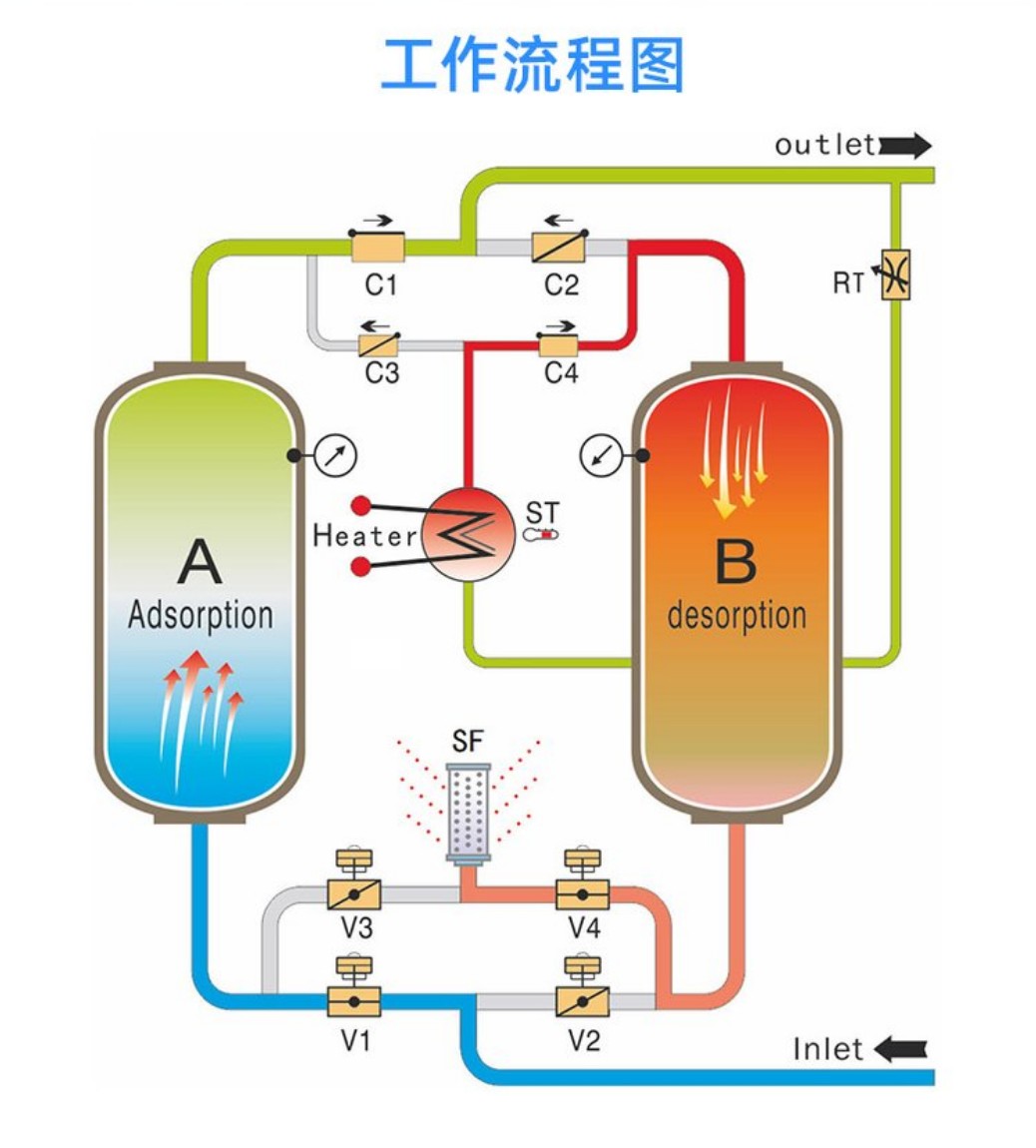
Dual-tower alternating pressurization and regeneration

Tower A pressurizes and adsorbs to produce nitrogen, Tower B depressurizes and desorbs for regeneration

The two towers switch cyclically for continuous gas supply
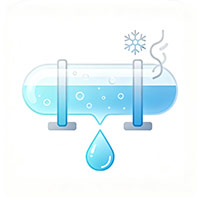
Dual-tower alternating pressurization and regeneration

Pressure swing adsorption cycle control

PLC precisely controls adsorption and regeneration timing

Switches before adsorption reaches equilibrium, Improved efficiency
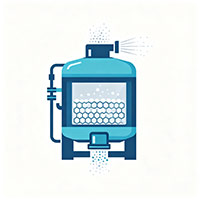
Pressure swing adsorption cycle control

Online monitoring with automatic venting

Oxygen analyzer and dew point meter provide real-time detection

Automatic venting when purity is below standard, Ensuring gas quality
Online monitoring with automatic venting

Technical Strength

Uniform airflow distribution design in adsorption tower

Uniform airflow distribution design in adsorption tower

Delaying carbon molecular sieve pulverization, Extending the effective service life of the molecular sieve, Ensuring long-term stable nitrogen production
PLC intelligent sequence control

PLC intelligent sequence control

supports remote monitoring and Modbus communication, Can be connected to the user's DCS system for centralized management
Wide-load energy-saving regulation

Wide-load energy-saving regulation

Reduces load or enters standby when gas consumption decreases, avoiding idle-running waste, adapting to fluctuating operating conditions, reducing operating energy consumption
Multi-stage purification protects the molecular sieve

Multi-stage purification protects the molecular sieve

Prevents oil, water and dust from contaminating the carbon molecular sieve, ensuring stable operation of the nitrogen generation system from the source
Skid-mounted integrated pre-assembly

Skid-mounted integrated pre-assembly

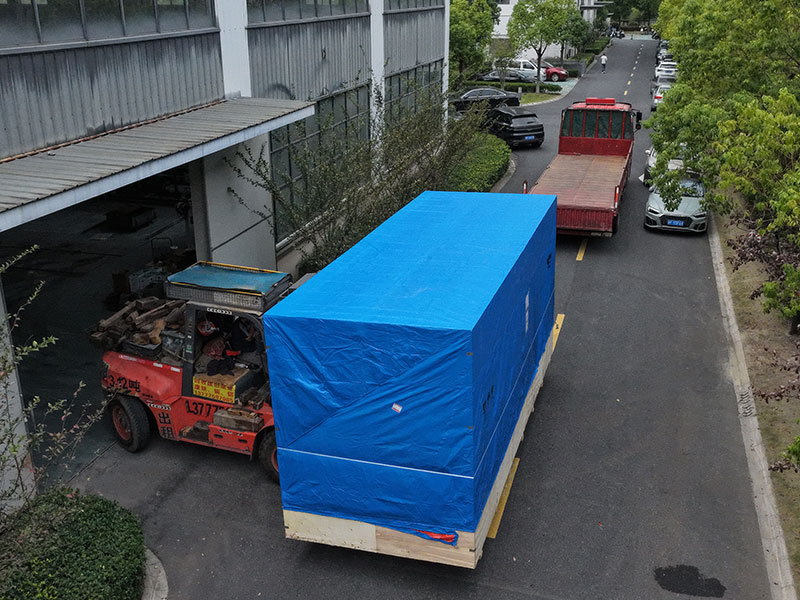
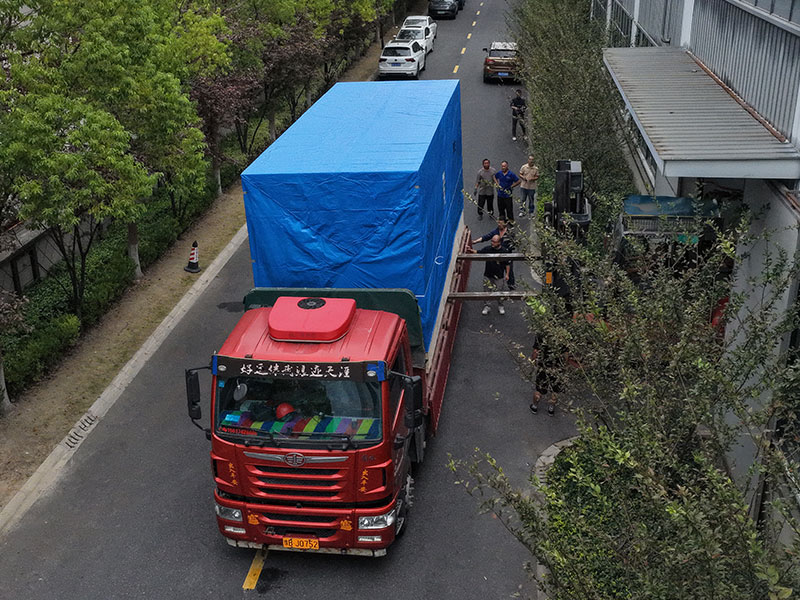
Piping pre-assembly and testing completed before delivery, ready for operation on site by simply connecting the air inlet, air outlet and power supply
Online monitoring and automatic venting

Online monitoring and automatic venting

non-conforming gas is automatically vented, Ensure that qualified nitrogen enters the gas pipeline network

Process Flow

A complete Yipu PSA nitrogen generator system, from air intake to nitrogen output, is organized around two goals: "stability" and "cleanliness." The process flow is roughly as follows:
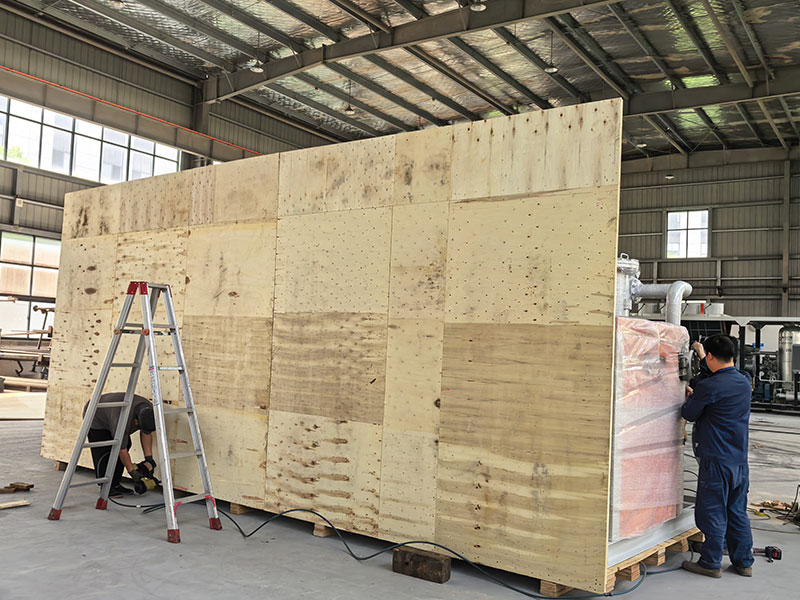
The compressed air source is provided by a screw air compressor, typically at a pressure of 0.6–1.3 MPa, providing the power foundation for subsequent adsorption separation. The compressed air first enters an air buffer tank, which stabilizes the airflow and reduces pulsation, preventing downstream adsorption towers from being impacted by pressure fluctuations.

The compressed air then enters the purification module—this step is critical. If oil, water, and dust particles in the air are not thoroughly removed, they will directly cause carbon molecular sieve "poisoning" and failure. Yipu systems are typically equipped with multi-stage filtration and drying units, controlling the oil content of compressed air below 0.1 mg/m³ and reducing the dew point to an appropriate range, ensuring the gas entering the adsorption towers is sufficiently "clean."

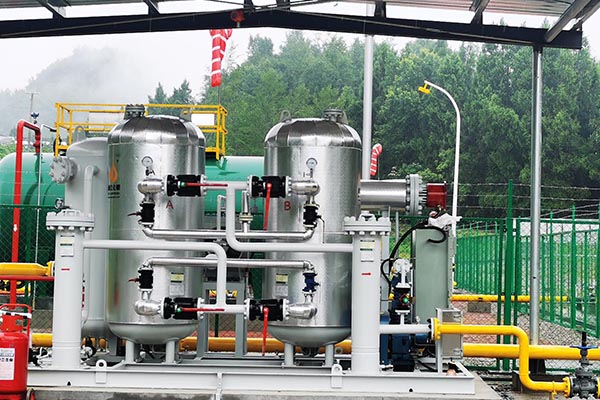
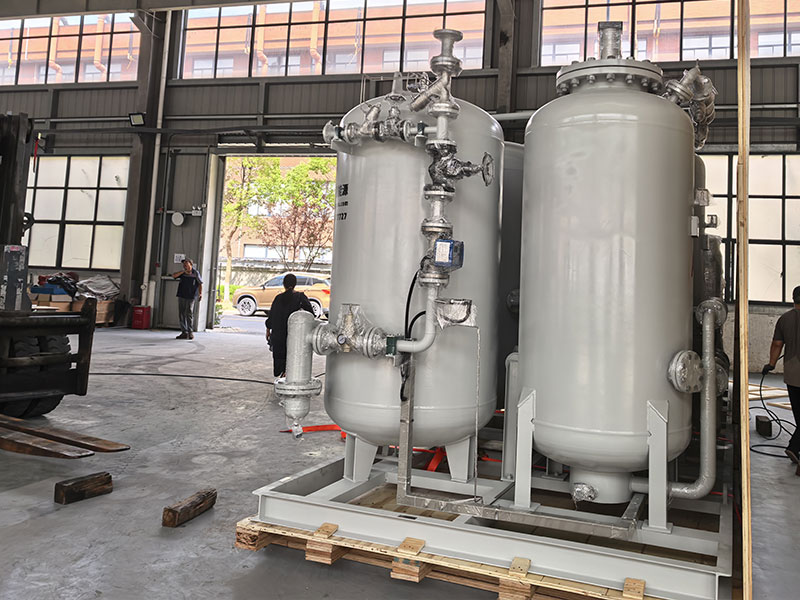
The purified compressed air enters the oxygen-nitrogen separation device, which is the core of the Yipu PSA nitrogen generator. The device adopts a dual-tower parallel structure, with Tower A and Tower B filled with high-performance carbon molecular sieve. PLC program control operates the opening and closing of pneumatic valves, enabling the two towers to alternately complete "pressurized adsorption" and "depressurized regeneration" cycles, thereby continuously outputting nitrogen.

The produced nitrogen first enters a nitrogen buffer tank to balance pressure and purity, then passes through a dust filter to remove any molecular sieve particles that may be carried over, and finally is regulated to the pressure and flow rate required by the user through a pressure regulating valve and flow meter. An online oxygen analyzer and dew point analyzer are installed at the outlet to monitor nitrogen quality in real time. Non-compliant gas is automatically vented, ensuring only qualified nitrogen enters the gas supply network.

Product Parameters

InstrumentAir Technical Specifications
ItemSpecification
Instrumentair flow rate 630Nm3/h (20°C, 0.101MPa)
Dewpoint ≤-40°C (0.8MPa)
Outletpressure 0.8MPaG (gauge pressure)
Oilcontent ≤0.1mg/m3
Dustparticle size ≤0.01μm
Dustcontent ≤0.1mg/m3
NitrogenTechnical Specifications
ItemSpecification
Nitrogenflow rate 150Nm3/h (20°C, 0.101MPa)
Purity≥99.9% (oxygen-free content)
Outletpressure 0.75MPaG (gauge pressure)
Dewpoint ≤-70°C (atmospheric pressure)
Oilcontent ≤0.1mg/m3
Dustparticle size ≤0.01μm
Dustcontent ≤0.1mg/m3
Operationmode Continuous operation (annual operation time ≥8400 hours)

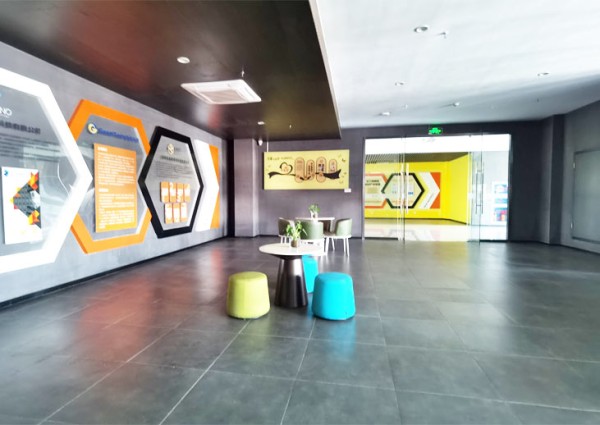
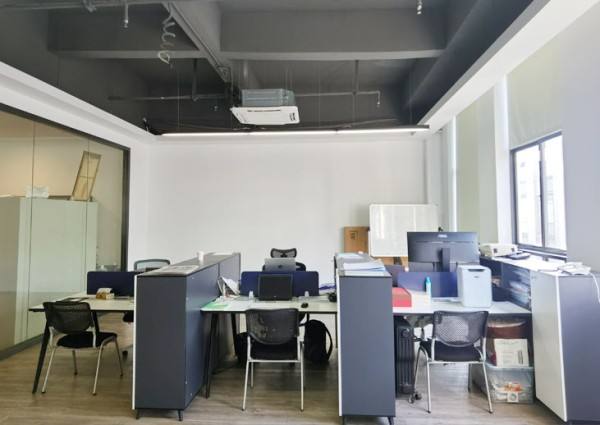
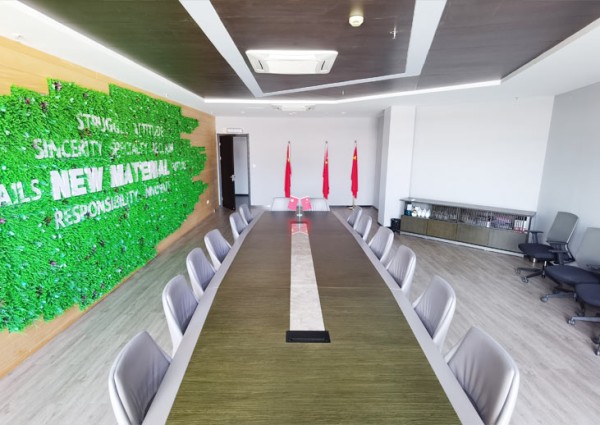
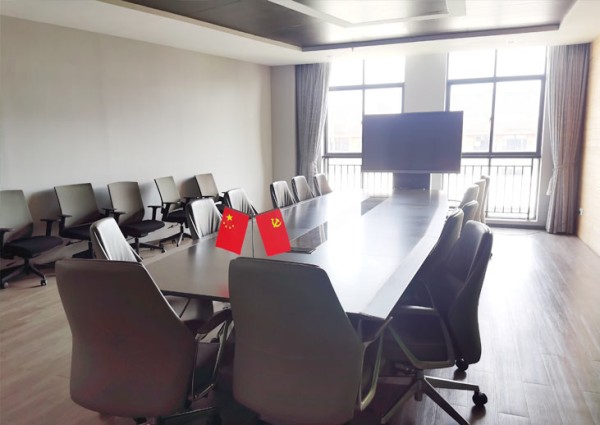
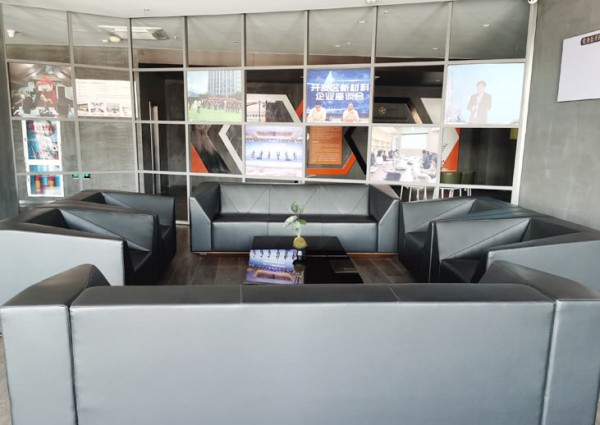
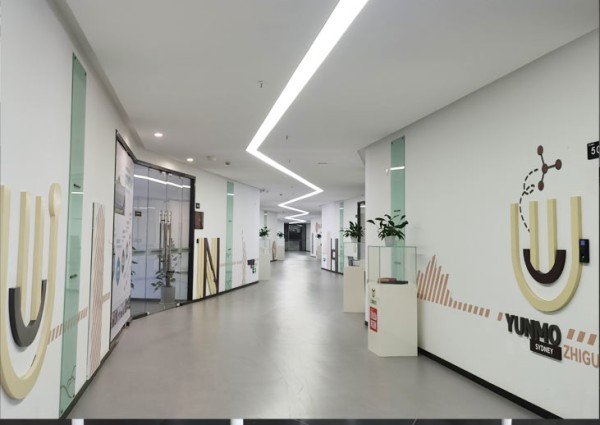
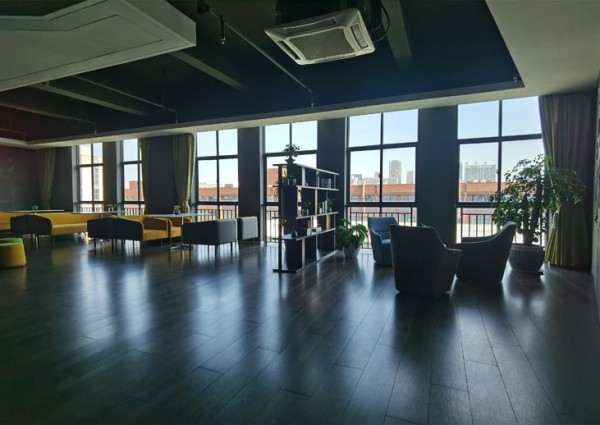
Office Environment

1
1
2
3
4
5
6
7
8
9
10
11
12
14
16
17
18
19
20
1

Partner Clients

Some Customers

1
1
2
2
3
3
4
4
5
5
6
6
1
1
2
2
3
3
4
4
5
5
6
6
7
7
8
8
9
9
10
10
11
11
12
12
7
7
8
8
9
9
10
10
11
11
12
12

FAQ

A complete on-site nitrogen generation system typically includes an air compressor, air buffer tank, purification components (filters + dryer), PSA nitrogen generation main unit, nitrogen buffer tank, and control system. Yipu can provide complete skid-mounted supply or design adaptations based on the user's existing compressed air station conditions. If the user already has a clean compressed air source, they may purchase only the nitrogen generation skid module.
Under proper operating and maintenance conditions—that is, with oil content in the inlet gas, dew point, and other indicators controlled within design ranges—the service life of the carbon molecular sieve typically reaches 8 years or more, and in some operating conditions up to 10 years. Performance degradation of the molecular sieve is a gradual process, manifested as a progressive decline in gas output at the same purity level. When gas output drops to the point where it can no longer meet gas demand, replenishment or replacement may be considered.
PSA nitrogen generation offers clear economic advantages in small to medium-scale scenarios. For users with nitrogen demand below 3000 Nm³/h, PSA is usually the preferred technical route. Laboratories or small production lines with lower flow rates can choose more highly integrated small skid-mounted equipment; industrial users with larger flow rates can adopt multi-tower parallel or modular combination solutions.
Yipu PSA nitrogen generators support purity setting and automatic adjustment. Users can set the target purity value on the touch screen, and the system matches it by adjusting the adsorption cycle and flow rate. When the actual purity falls below the set value, non-conforming gas is automatically vented and will not enter the gas supply network. For scenarios with fluctuating purity demand, this function avoids energy waste caused by "one-size-fits-all" high-purity operation.
On-site installation of skid-mounted equipment mainly involves positioning, connecting the inlet pipe, outlet pipe, and power supply, with a relatively limited workload. The commissioning phase includes leak testing, valve action testing, purity ramp-up, and parameter tuning, which can usually be completed within a few days. Yipu provides on-site commissioning guidance and operator training to help the user's team quickly master the key points of equipment operation.

Send Inquiry